
Floating decks offer an affordable way to expand outdoor living space without the complexity of traditional construction. Designed to sit above the ground, they provide flexibility in placement, making them ideal for uneven yards or small budgets. With smart material choices and efficient building techniques, a low-budget floating deck can still deliver style, durability, and comfort. This guide shares creative, cost-effective floating deck ideas that maximize functionality, enhance backyard aesthetics, and help you achieve a beautiful outdoor retreat without overspending.
Pallet Patchwork Lounge
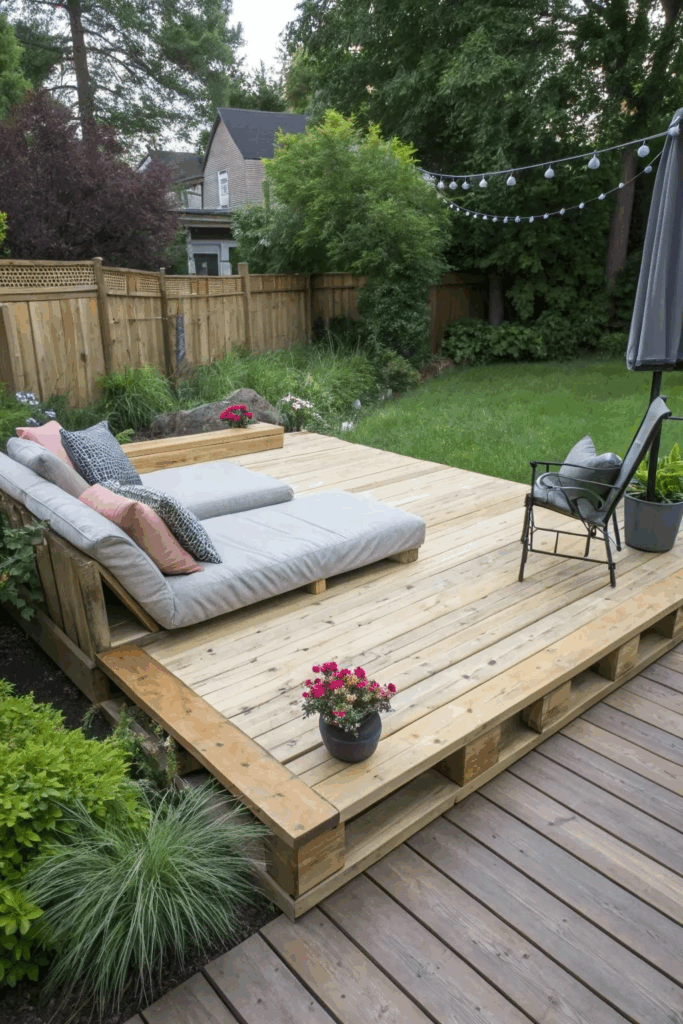
Weathered pallet boards offer a cost-effective way to create a charming floating deck that feels warm and inviting. By carefully dismantling pallets and sanding each plank, you can achieve a surface smooth enough for barefoot use while still showcasing rustic textures. Arranging the boards in a patchwork layout—mixing lengths, tones, and wood grains—adds character without extra expense. A simple timber frame can serve as the base, keeping the deck slightly raised for airflow and moisture control. Seal the wood with an outdoor finish to extend its life and resist weather damage. This style suits backyard corners, side yards, or even compact patios where budget-friendly comfort matters most. Pairing the space with thrifted outdoor furniture and string lights makes it ready for evening relaxation or casual gatherings. Plant pots, lanterns, and outdoor rugs can be layered in without heavy investment. The charm lies in its handcrafted appeal and adaptability—boards can be rearranged or replaced over time. With minimal tools and resourceful sourcing, this project stays affordable while providing an attractive and functional lounging spot. It’s a prime example of turning reclaimed materials into something fresh, giving your yard personality and functionality without exceeding budget limits.
Modular Tile Platforms
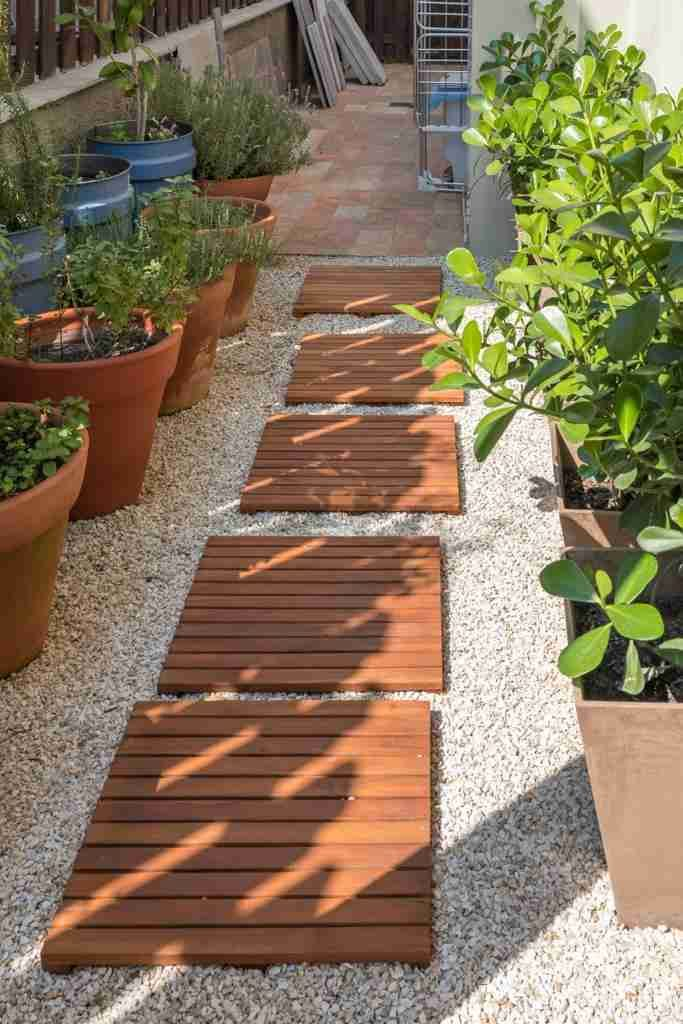
Using interlocking deck tiles is an excellent shortcut to achieving a clean, functional surface on a tight budget. These modular tiles come in wood, composite, or even recycled plastic, offering both durability and quick installation. Simply prepare a flat base, such as leveled ground or a gravel bed, and snap the tiles into place without nails or glue. This design allows you to expand or reconfigure the deck as needs change, making it ideal for renters or those unsure about committing to a permanent structure. Modular tiles also reduce maintenance since damaged sections can be replaced individually instead of redoing the entire surface. Adding a few different tones or alternating patterns brings visual interest while keeping costs low. The floating design avoids the expense of poured foundations, relying instead on stability from the underlying surface. This approach works well for small dining zones, lounge spots, or transitional pathways between garden areas. With waterproof and fade-resistant options available, you can enjoy long-term value without frequent refinishing. This style fits urban balconies, suburban backyards, and anywhere a budget-friendly yet polished platform is needed. The speed of installation and flexible design make it one of the most accessible and cost-effective floating deck solutions.
Concrete Slab Upgrade
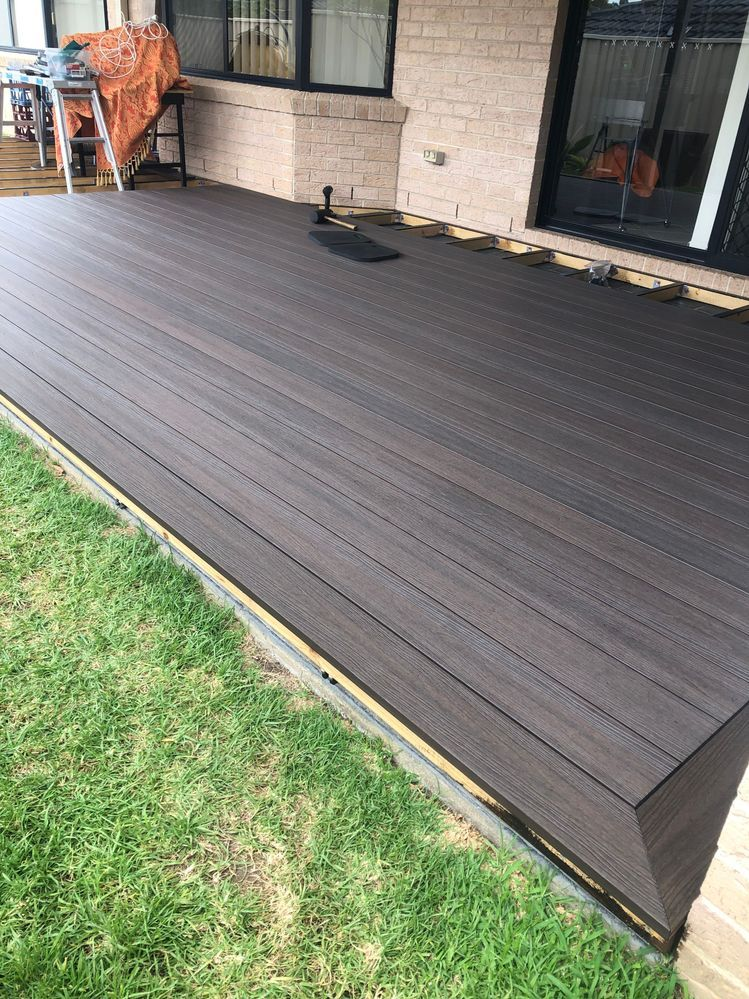
Repurposing existing concrete pads into floating deck spaces saves both money and labor. By placing treated wooden sleepers over the slab and attaching deck boards on top, you can conceal cracks, stains, or outdated finishes without demolition. This method creates a warm, wood-toned surface while benefiting from the stability of the slab underneath. The gap between the boards and concrete allows for ventilation and water drainage, preventing premature rot. Choosing budget-friendly pine or cedar planks keeps expenses in check while offering a refined look once sealed. Decorative borders or contrasting board patterns can elevate the style without increasing costs significantly. The upgraded surface is perfect for outdoor dining sets, small seating arrangements, or even a container garden display. Since the base is already level, installation is straightforward and requires fewer structural materials compared to a full ground-up build. This is especially useful for homeowners with existing patios that feel too hard or uninviting. With proper sealing and occasional cleaning, the result is a low-maintenance deck that adds comfort and charm. It’s a practical example of working with what you have while achieving the warm, inviting appeal of a traditional wood deck—without exceeding a modest budget.
Gravel-Base Floating Deck
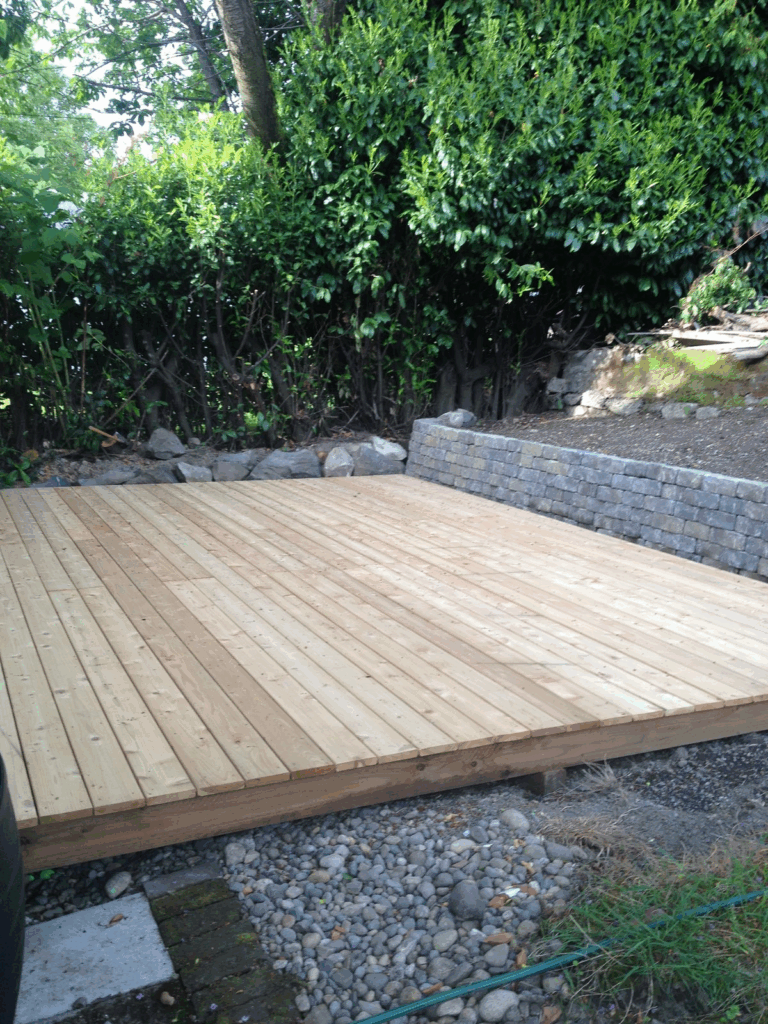
A compact frame set on a gravel bed provides a stable yet affordable base for a floating deck. The gravel serves multiple purposes: it levels uneven ground, improves drainage, and reduces weed growth beneath the structure. Pressure-treated lumber forms the frame, which can then be topped with budget-friendly decking boards or reclaimed wood for cost savings. By avoiding concrete footings, this design keeps labor and material expenses low while still offering reliable support for everyday use. Laying a landscaping fabric under the gravel further enhances weed control and prolongs the deck’s lifespan. The structure can be built to fit specific dimensions, making it versatile for narrow side yards, garden seating areas, or a poolside platform. The raised surface keeps furniture off damp soil, creating a dry, comfortable outdoor zone. Decorative gravel edging or stone borders can define the deck’s outline and add a finished touch without overspending. Maintenance is minimal, requiring only occasional sweeping or rinsing to remove debris. This approach works particularly well for DIY builders seeking a weekend project that transforms bare ground into a functional, attractive gathering spot. The combination of durability, drainage efficiency, and budget-friendliness makes gravel-based floating decks a practical choice for almost any yard setting.
Corner Fit Deck Nook

Unused corners of a yard can become valuable relaxation zones with a strategically designed floating deck. A triangular or L-shaped frame maximizes available space, fitting snugly against fences or garden walls while keeping construction costs down. This type of deck often requires fewer boards and less framing material than larger, rectangular designs, making it a budget-friendly solution. Compact seating arrangements, such as built-in benches or a pair of weather-resistant chairs, turn the nook into a cozy retreat for morning coffee or evening chats. Installing the deck slightly raised improves ventilation underneath and prevents moisture issues, while gravel or pavers can be placed around the perimeter for visual appeal. Adding string lights along the adjacent fence instantly enhances the atmosphere without expensive electrical work. Plant containers can soften edges and bring seasonal color to the space. Because of its size, a corner deck can be completed quickly and with minimal waste, appealing to both novice builders and experienced DIYers. It’s also easy to accessorize without spending much—think small side tables, outdoor pillows, or a patterned rug. This thoughtful use of a neglected area results in a space that feels intentional, comfortable, and stylish while keeping the overall budget comfortably in check.
Tree-Shadow Retreat
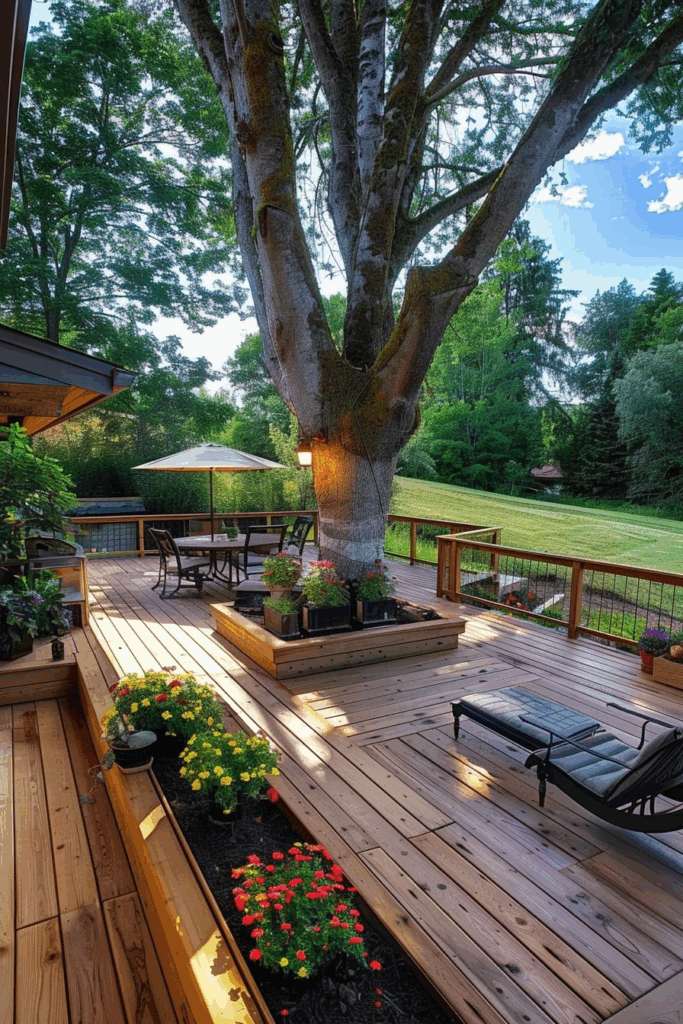
Positioning a floating deck beneath the dappled shade of a mature tree creates a naturally cool and inviting outdoor haven. The design should account for the tree’s root system by using deck blocks or adjustable supports instead of digging deep post holes, ensuring the structure rests gently on the ground. The surrounding shade reduces the need for costly pergolas or umbrellas, making this an economical build. Using reclaimed or locally sourced timber keeps costs down while blending seamlessly with the natural setting. Furniture choices can remain minimal—a couple of Adirondack chairs, a small table, and perhaps a hammock nearby—since the setting itself provides much of the charm. Groundcover plants or mulch around the deck’s perimeter create a clean transition from yard to platform while helping with moisture control. The tranquil location makes it ideal for reading, casual dining, or afternoon relaxation. With thoughtful positioning, you can preserve the tree’s health and enjoy a space that feels both private and connected to the landscape. This approach offers year-round appeal, as seasonal changes in foliage bring shifting light patterns. A tree-shadow floating deck proves that comfort and atmosphere don’t require high spending—just smart design and respect for the existing environment.
Hexagon Hangout Deck
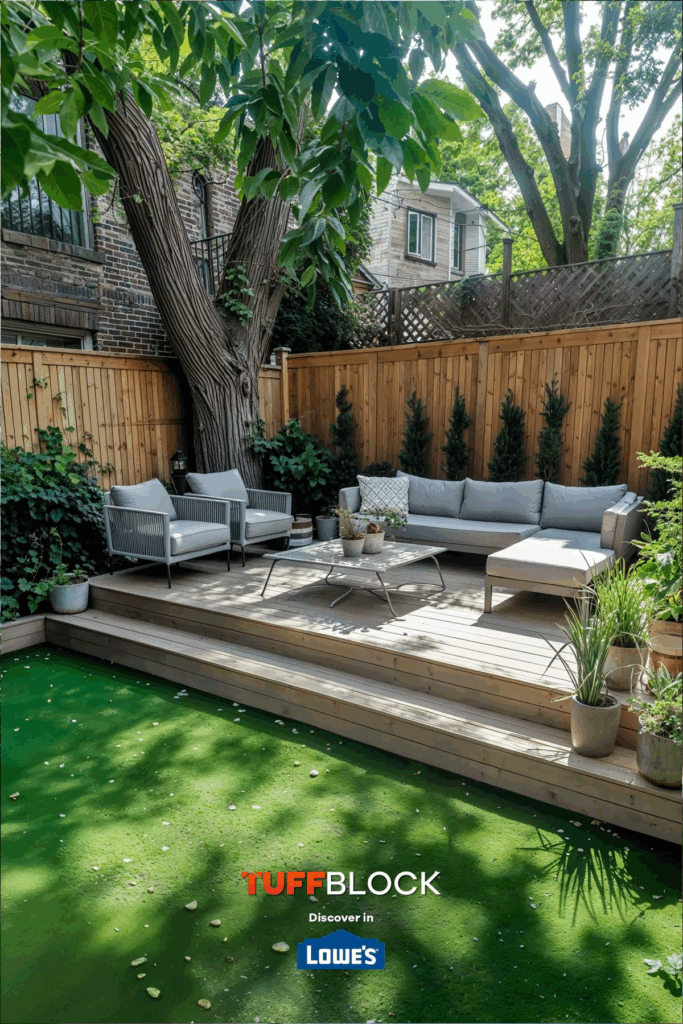
Departing from traditional rectangular layouts, a hexagon-shaped floating deck adds instant visual interest without drastically increasing costs. The geometric form can be achieved using standard lumber lengths cut at 30-degree angles, which are then joined to create the six-sided frame. This shape naturally feels social, making it perfect for group seating or a central firepit arrangement. Choosing pressure-treated pine keeps expenses manageable, while a clear or semi-transparent stain highlights the pattern’s uniqueness. Gravel or paver edging can frame the structure attractively without requiring heavy investment. The compact footprint means fewer materials are needed compared to larger rectangular decks, but the impact is far from small—its symmetry draws the eye and creates a sense of intentional design. Versatility is another advantage: it works equally well as a standalone garden feature, a poolside lounge, or a dining platform. Decor can be as simple as outdoor cushions, lanterns, and potted plants, all of which can be sourced affordably. For DIY enthusiasts, the hexagon offers a rewarding build that balances creativity and function. With careful measuring and precise cuts, you can achieve a professional look at a fraction of the cost. This geometric approach turns a budget-friendly build into a standout backyard centerpiece.
Built-In Firepit Deck
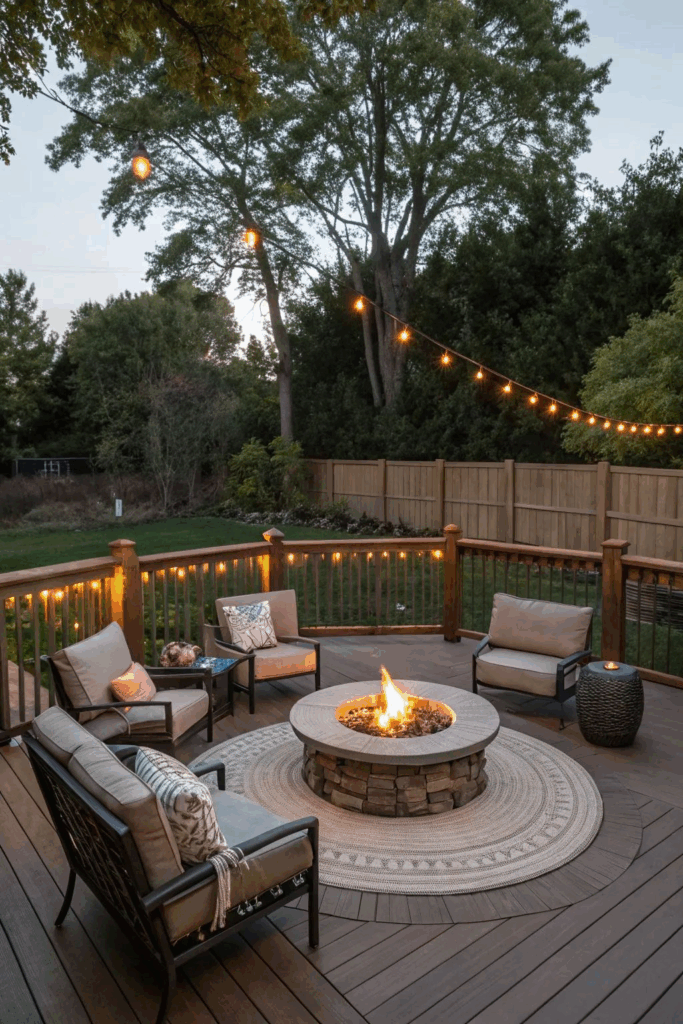
Designing a floating deck with a built-in firepit offers warmth, functionality, and a gathering spot without inflating the budget. A simple square or circular frame can be constructed from pressure-treated lumber, leaving a central opening for a portable firepit or a heat-resistant inlay. This eliminates the need for costly standalone patio furniture sets while still creating a focal point for evening relaxation. Surrounding the firepit with built-in benches maximizes seating without the expense of multiple chairs. Gravel beneath and around the pit ensures safe drainage and minimizes maintenance. The deck height should remain low to the ground for stability, using deck blocks or concrete pavers as the foundation. Staining the boards in a warm tone enhances the cozy feel, while solar pathway lights can frame the perimeter without additional wiring costs. This design is especially practical for smaller backyards, where a multi-purpose deck saves space and resources. The versatility allows it to serve as both a daytime lounge and a nighttime entertainment area. A built-in firepit deck combines the charm of an outdoor hearth with the affordability of a DIY floating platform, proving that comfort and ambiance can be achieved well within budget.
Planter-Framed Floating Pad
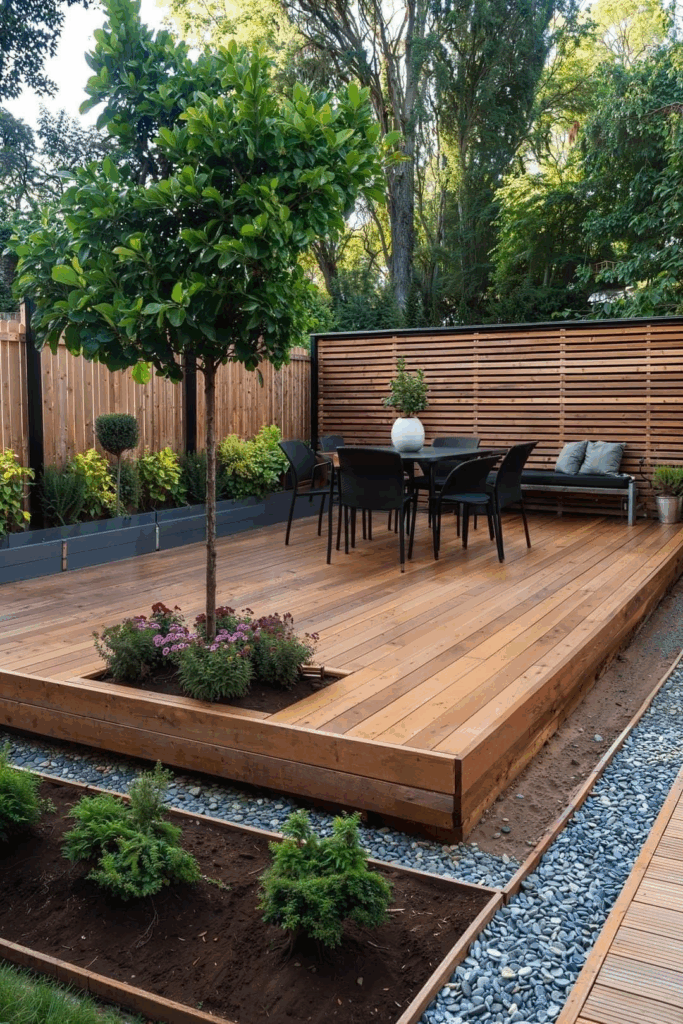
Outlining a floating deck with integrated planters brings greenery directly into the design while keeping construction costs reasonable. Planter boxes can be built from the same lumber as the deck to create a cohesive look, doubling as edge barriers and decorative features. Filling them with low-maintenance perennials or seasonal blooms adds vibrant color and natural fragrance to the space. The planters also help define the deck’s boundaries, making it feel like a distinct outdoor room without the expense of railings or walls. A simple rectangular or square base can be framed using deck blocks for support, topped with budget-friendly boards such as pine or cedar. The addition of planters reduces the need for extra yard landscaping, saving time and money on upkeep. For an extra functional twist, herbs or vegetables can be planted for convenient outdoor harvesting. Gravel or mulch around the exterior keeps weeds at bay and maintains a tidy appearance. This type of floating pad works beautifully as a compact dining area, a reading nook, or a casual lounge. The combination of functional greenery and affordable construction results in a welcoming outdoor feature that blends seamlessly into the surrounding garden.
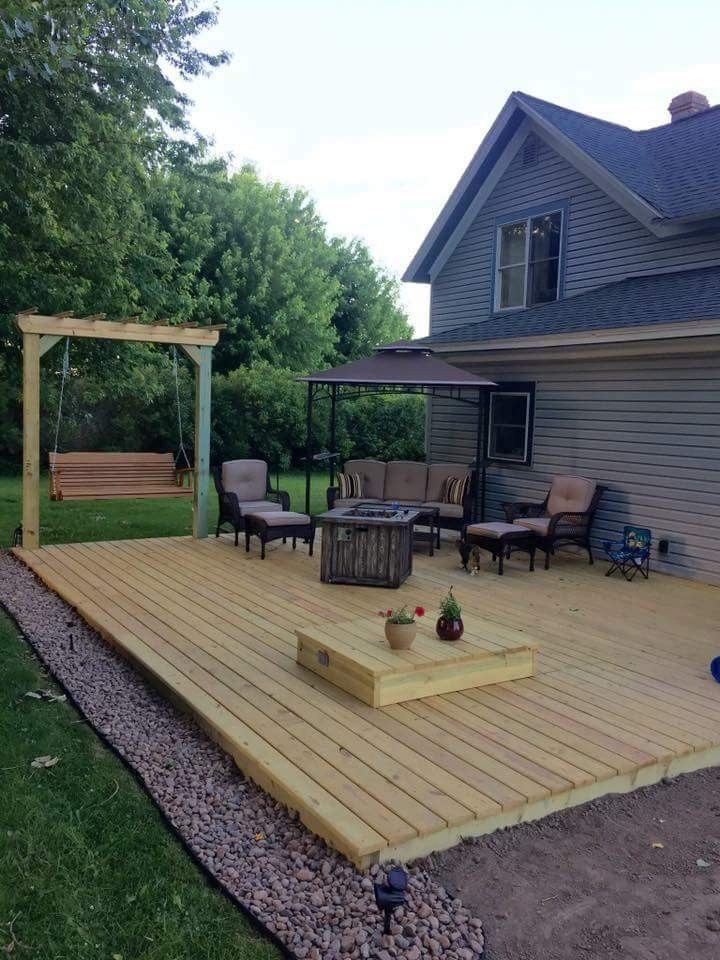
Using deck blocks as the base structure is one of the most affordable and beginner-friendly ways to build a floating deck. These precast concrete supports eliminate the need for digging post holes or pouring footings, making installation faster and less labor-intensive. The process begins with leveling the ground and placing the blocks in a grid pattern to evenly distribute weight. Pressure-treated beams slot directly into the blocks, creating a stable framework for decking boards. This method works well for a variety of shapes and sizes, allowing customization without heavy expense. Because deck blocks are portable, the entire structure can be relocated or reconfigured later, offering flexibility for changing yard layouts. Gravel under the blocks improves drainage, ensuring longevity of the wood components. The overall look can be upgraded with stain, outdoor rugs, and affordable furniture, turning a simple base into a polished outdoor area. This approach is ideal for small gathering spaces, grilling zones, or garden-side platforms. The ease of construction combined with low material cost makes it a top choice for DIY enthusiasts seeking a quick yet sturdy floating deck solution that fits comfortably within a tight budget.
Dining-Zone Flat Deck
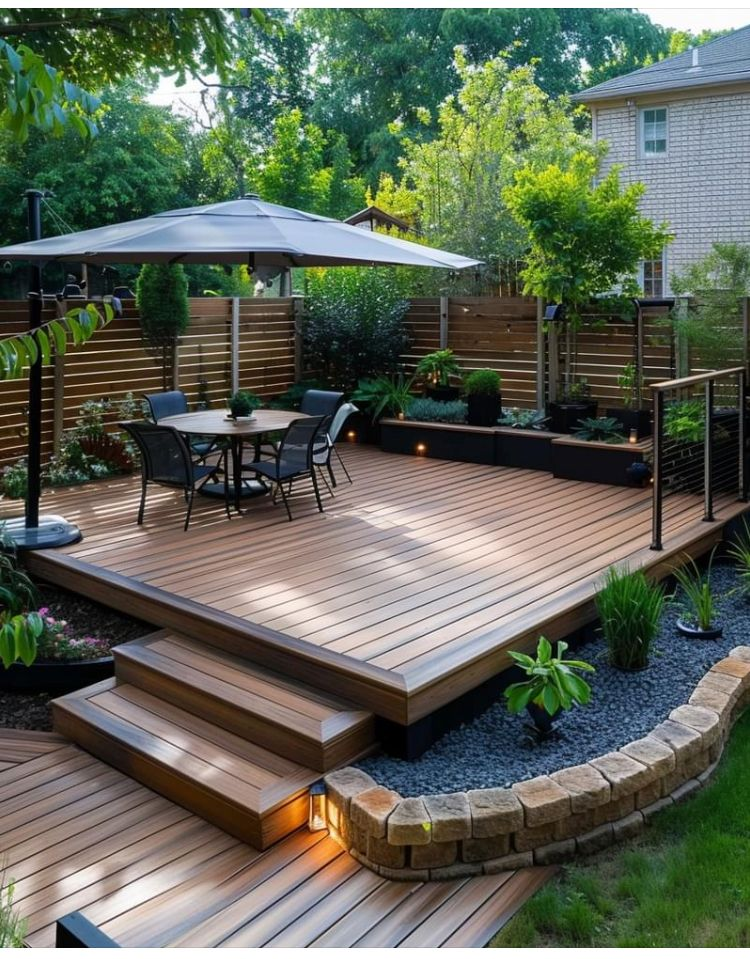
Creating a level floating deck specifically for dining transforms an open yard into a functional mealtime destination without excessive spending. A simple rectangular platform offers enough space for a table, chairs, and perhaps a small buffet surface. Using affordable pressure-treated lumber keeps costs manageable, while an oil-based sealant protects against weather damage. For extra comfort, the deck can be positioned near the kitchen or grill area, reducing the need for costly outdoor cooking infrastructure. Low-profile LED solar lights along the edges add evening ambiance at minimal expense. A basic gravel or paver border around the deck not only improves aesthetics but also reduces weed growth. The structure can be built over grass, dirt, or even an existing concrete pad, allowing flexibility in placement. Seasonal touches, such as an umbrella in summer or outdoor heaters in cooler months, keep the space usable year-round. Because the design remains straightforward, construction time and material waste are minimal. This makes it a smart investment for homeowners who want a dedicated dining space that’s easy to maintain, versatile for gatherings, and visually appealing without overshooting the budget.
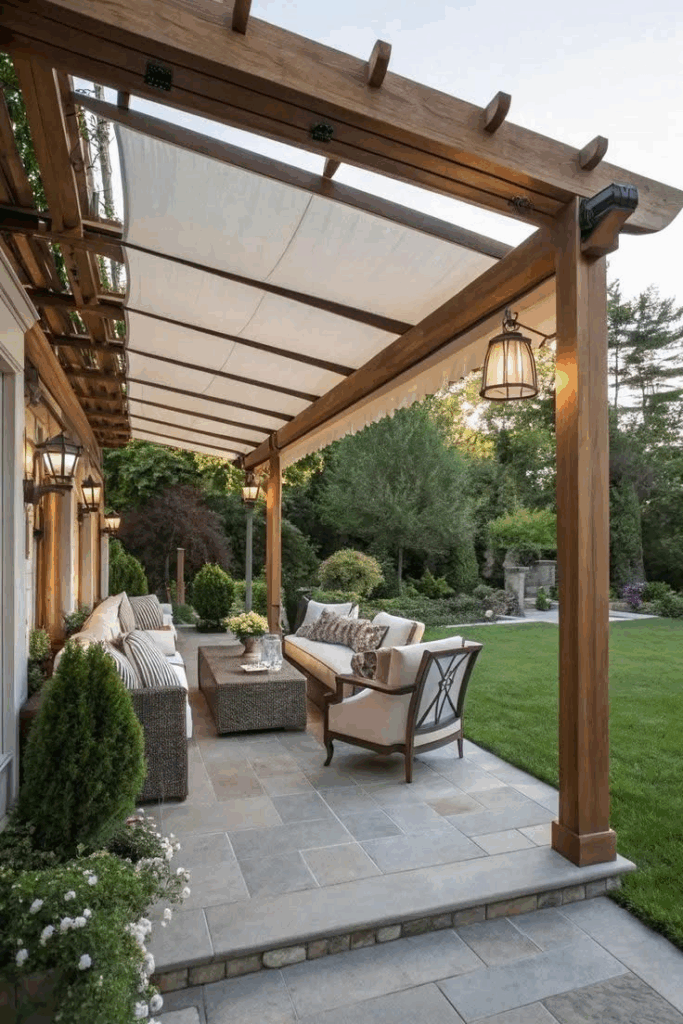
Extending an existing deck with a small floating platform creates an inviting space for guests while avoiding the cost of a full remodel. This add-on can serve as a separate seating nook, a coffee spot, or even a small conversation corner. By matching the materials and stain of the main deck, the extension blends seamlessly into the existing structure while remaining structurally independent. This avoids the expense of altering the original foundation, as the extension can rest on deck blocks or paver supports. The compact footprint means fewer materials and quicker build time, keeping labor and costs low. Strategic placement allows the extension to capture a garden view, morning sun, or evening shade, enhancing its appeal. Affordable outdoor furniture, such as a bistro set or a pair of cushioned chairs, completes the look without a big investment. String lights or a small planter arrangement can make the space feel warm and personalized. The flexibility of a floating extension means it can be relocated or removed entirely if outdoor needs change. It’s a budget-savvy way to increase functional space and accommodate guests in style.