
Well-designed deck steps can enhance both the safety and visual appeal of your outdoor living space. Beyond providing functional access, they can serve as a striking design element that complements the deck’s style and the surrounding landscape. From classic wooden staircases to modern floating designs with integrated lighting, the possibilities suit various aesthetics and budgets. This guide highlights creative, durable, and practical deck step ideas that blend form and function, helping you create a welcoming transition between your home and yard.
Floating Minimalist Slabs
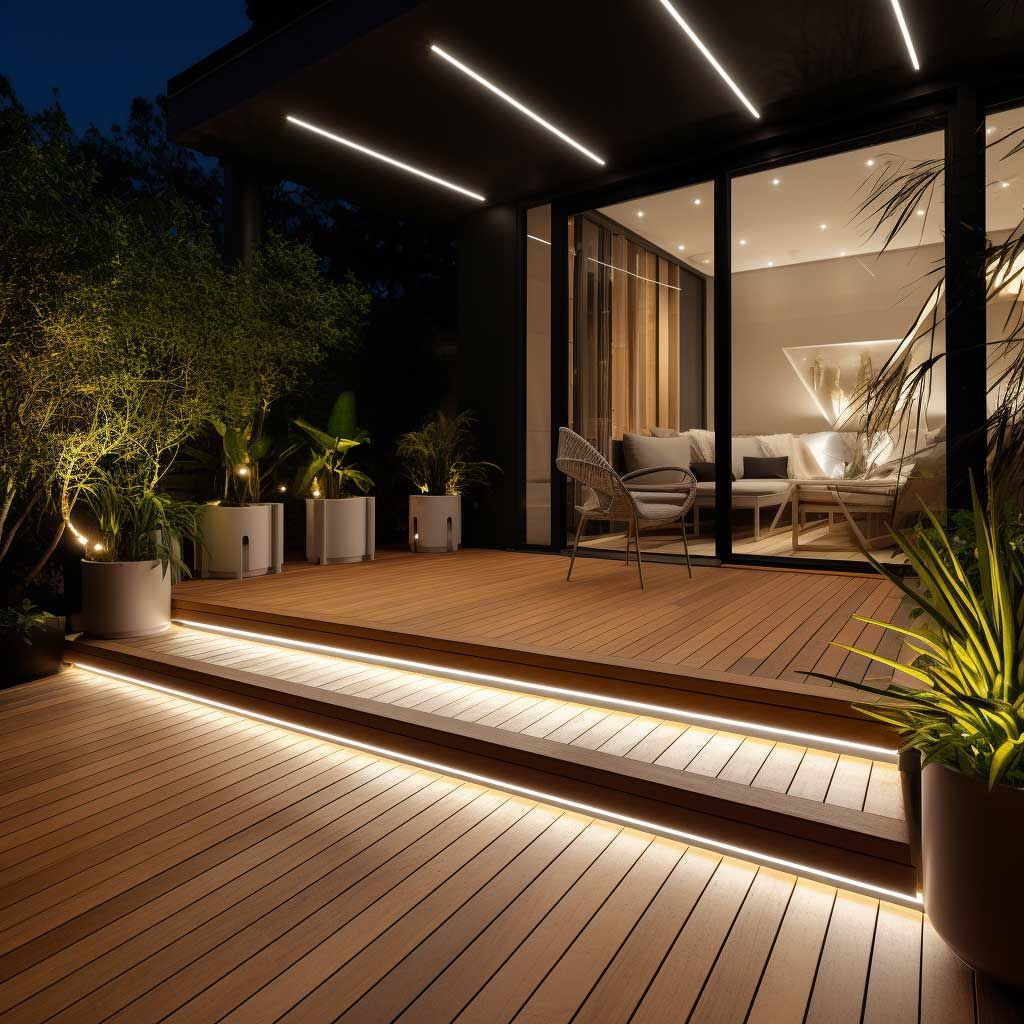
Slim horizontal lines and open risers define this modern step style, where each slab appears to hover just above the ground. Built from poured concrete, natural stone, or engineered wood, the structure relies on concealed supports for that clean, weightless aesthetic. This design pairs especially well with sleek glass railings, steel balustrades, or no railing at all for uninterrupted views. The spacing between steps allows light to pass through, keeping the area airy and reducing shadows on lower surfaces. Perfect for coastal decks, rooftop terraces, or poolside patios, these slabs also work in compact yards, where visual openness matters. Non-slip finishes ensure safety, while subtle under-step lighting can provide both ambiance and night visibility. By avoiding bulky stringers, the steps feel integrated into the deck yet distinct as a design feature. Maintenance is straightforward—most builds only require periodic cleaning and resealing, especially for exterior timber or concrete sealants. This step style naturally suits minimalist homes, but it can also balance more ornate exteriors by introducing calm, linear simplicity. When paired with carefully chosen landscaping, the result is a timeless connection between architecture and outdoor space that feels intentional and uncluttered, making each approach to the deck feel like a design statement.
Stacked Cascading Steps
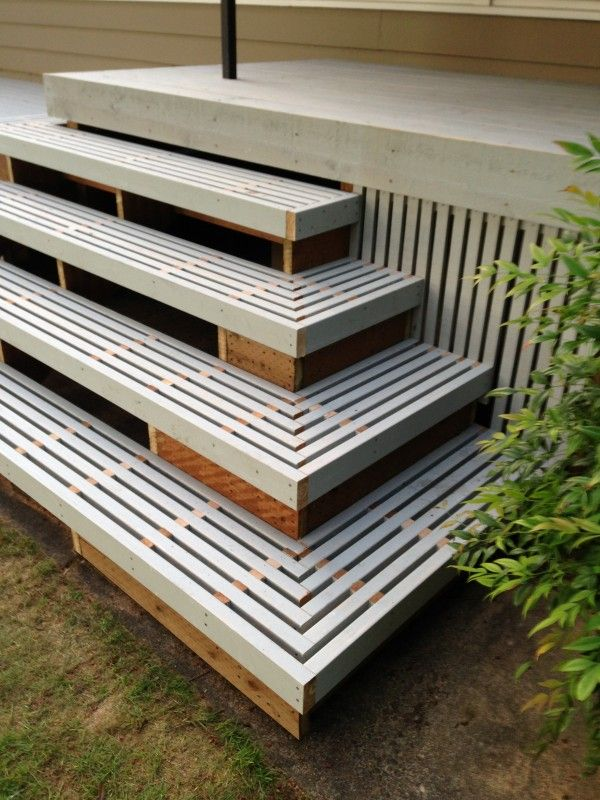
Layered platforms create a gradual rise that feels like a natural extension of the deck, offering both function and seating potential. Each tier is proportioned wider than standard steps, inviting guests to pause, sit, or place planters along the edge. Typically constructed from pressure-treated wood, composite boards, or stone pavers, the format works beautifully for transitions between multiple outdoor zones. The cascading arrangement softens elevation changes, making the approach feel inviting rather than abrupt. These steps excel in large backyards, where they can double as built-in seating for gatherings or casual lounging. Adding integrated lighting along risers keeps the area safe and visually striking after dark. To ensure durability, proper drainage must be incorporated beneath each tier, preventing moisture buildup and warping. Design flexibility allows for straight, angled, or even curved layouts to match the deck’s footprint. Plant borders between levels can introduce greenery, while contrasting materials—like wood treads over stone bases—add depth. This style complements both modern and rustic architecture, adapting easily through material choices and finishes. More than just a way to connect levels, cascading steps transform a functional necessity into a multi-purpose outdoor feature that invites relaxation and extends the usable footprint of the deck area year-round.
Curved Organic Flow
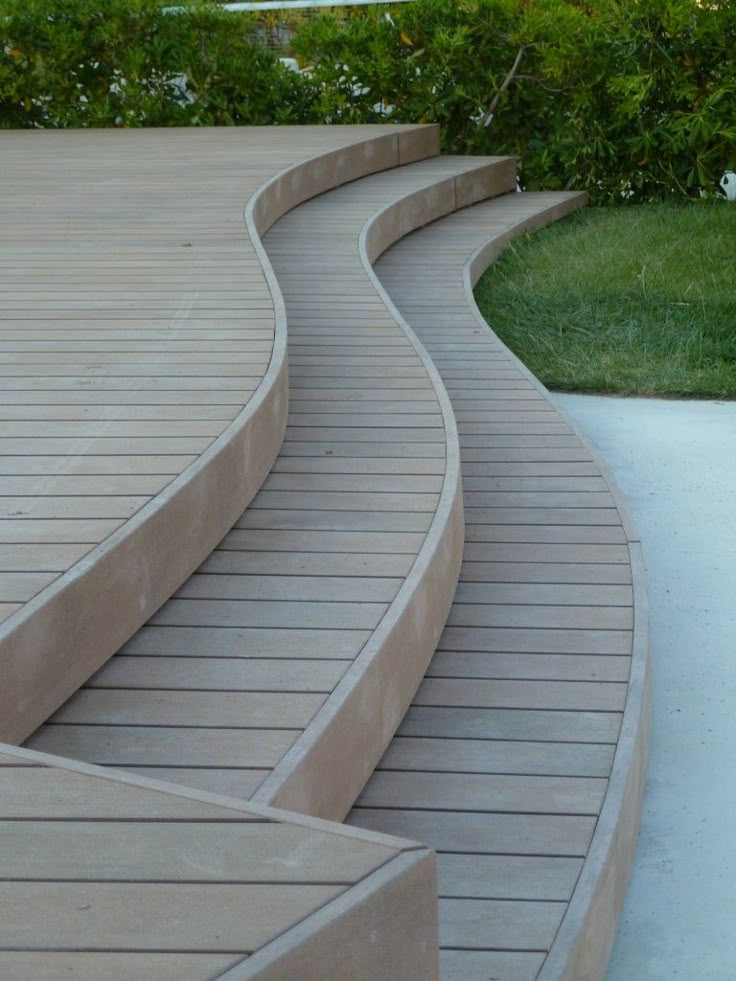
Sweeping arcs guide movement from yard to deck in a way that feels natural, almost sculptural. This step style is often crafted from pavers, cut stone, or custom-bent composite boards to achieve smooth, continuous lines without sharp edges. The curvature softens the transition between spaces, making it ideal for gardens, pool surrounds, and properties with softer landscaping themes. These steps can be wide and shallow for a gentle rise, promoting a relaxed approach, or slightly steeper for space efficiency. Railings, if needed, can follow the curve for a seamless aesthetic, whether in wrought iron, stainless steel, or cable. The organic shape integrates beautifully with water features or rounded deck corners, avoiding the rigid geometry of standard stairs. Slip-resistant textures are crucial, especially in areas exposed to moisture or shade. Lighting along the outer arc can highlight the graceful form at night while improving safety. Durable materials like bluestone, stamped concrete, or premium composites ensure longevity against weathering. The result is an architectural detail that doesn’t just connect levels but enhances the outdoor experience, echoing the natural flow of the surrounding environment and creating a sense of harmony between hardscape and landscape in a way straight steps rarely achieve.
LED-Inlay Risers
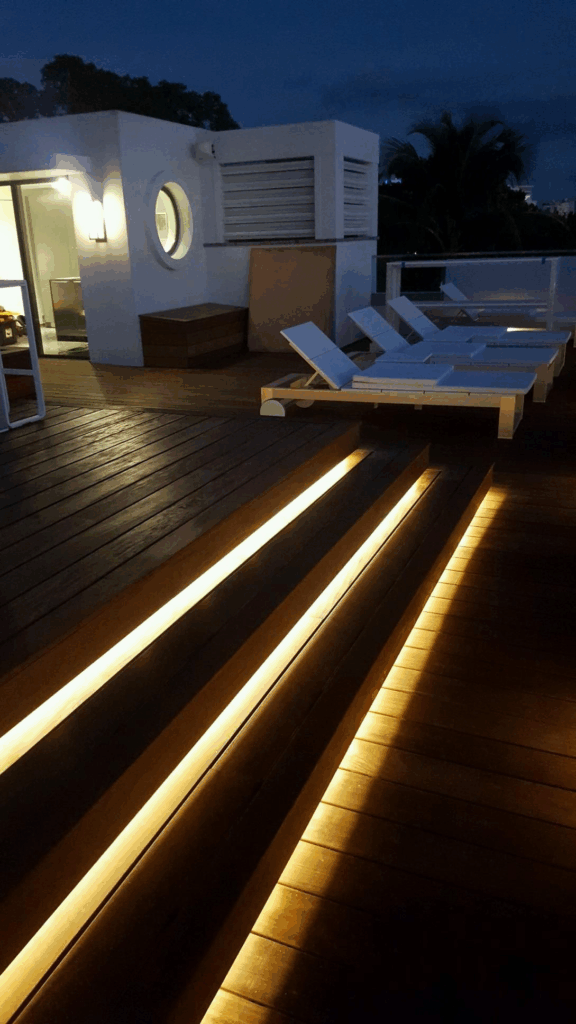
Illuminated risers transform ordinary steps into striking nighttime features, merging safety with design appeal. Thin, energy-efficient LED strips are embedded directly into the riser face or under the tread lip, casting a soft glow without overwhelming the space. This subtle lighting improves visibility, reducing trip hazards during evening use, while also highlighting the craftsmanship of the steps. Ideal for composite or hardwood decking, the inlay can be matched to the step’s finish for a clean, integrated look. Warm white tones provide a welcoming ambiance, whereas cooler hues can create a sleek, modern vibe. These lights can be hardwired to an existing system or powered by discreet solar fixtures for easier installation. Weatherproof housing and proper sealing are critical to prevent moisture damage, ensuring long-term performance. The style suits both straight and curved steps, and works particularly well for entertaining decks where lighting is part of the overall atmosphere. When paired with minimalist railings, the illuminated risers can stand out as the primary design element. Maintenance is minimal—occasional cleaning of the light channels keeps them looking sharp. This approach blends function and beauty, ensuring that the path to your deck remains safe, stylish, and visually engaging long after the sun sets.
Metal Frame, Wood Tread Contrast
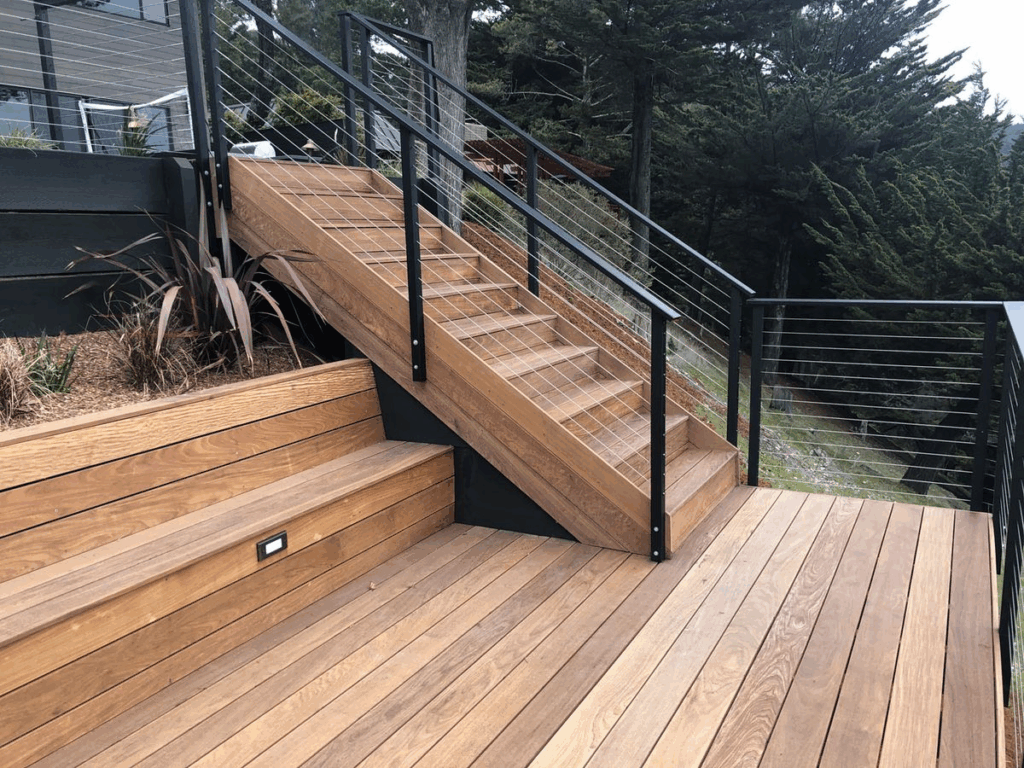
Industrial precision meets natural warmth in a design that pairs powder-coated steel frames with rich timber treads. The metal structure provides unmatched stability and weather resistance, while the wooden surface offers comfort underfoot and aesthetic appeal. This combination works beautifully in both modern and rustic settings, adapting through material selection—think sleek black steel with walnut for contemporary homes, or galvanized metal with cedar for a more casual look. The framework allows for open risers, giving the steps a lighter appearance, or closed risers for a more traditional feel. Non-slip finishes on the wood are essential for outdoor safety, especially in rainy climates. The metal’s clean lines contrast beautifully against the organic grain of the timber, creating visual interest without overcomplicating the design. This approach also allows for creative railing pairings, such as cable systems or glass panels, further enhancing the balance between rugged and refined. The durability of steel ensures the stairs remain stable for decades, while the wood treads can be refinished or replaced as needed, keeping the structure looking fresh. It’s a practical yet design-forward solution for anyone wanting steps that are both functional workhorses and architectural highlights within an outdoor living space.
Wide Platform Steps
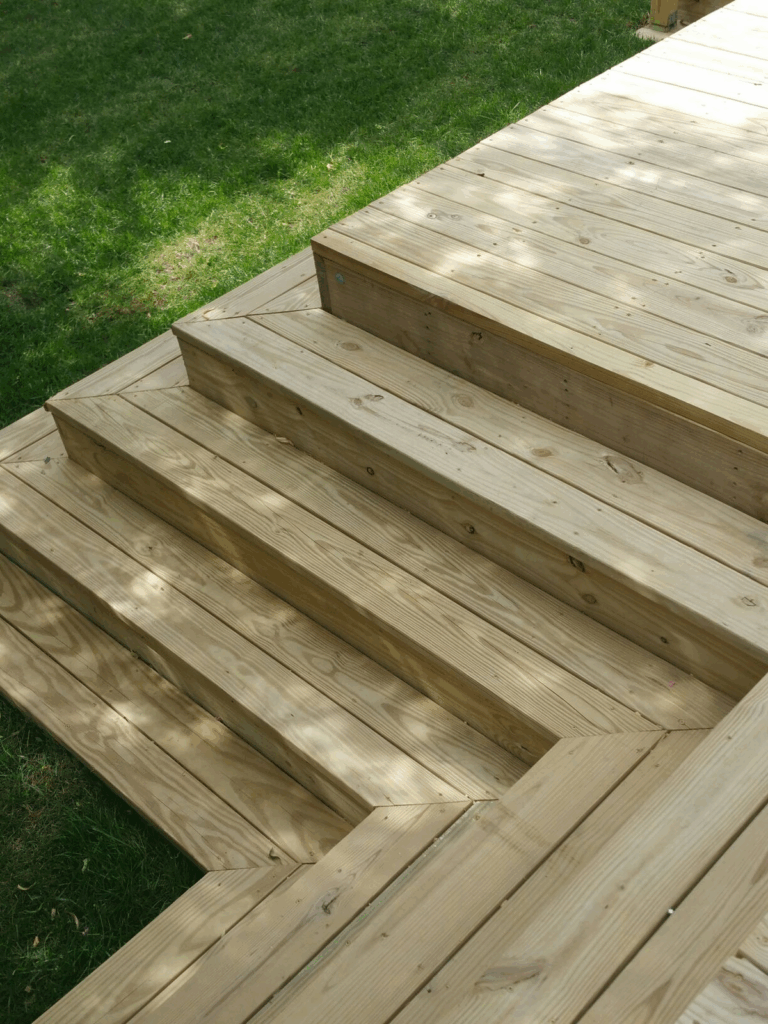
Expansive treads stretch beyond standard step depth, creating a comfortable transition between deck and yard while doubling as casual seating or display surfaces. Often constructed from the same material as the deck itself, these oversized steps blur the line between stair and platform, making them ideal for social areas. The broad surface area invites decorative accents like potted plants, lanterns, or seasonal decor without crowding the walkway. Gentle rises between each step make the climb easy and accessible for all ages. This style is particularly effective for low decks, where two or three wide platforms can replace traditional stairs entirely, maintaining a grounded, open feel. Incorporating lighting along the front edge enhances evening visibility and ambience. The structural build typically involves reinforced framing beneath each step to prevent sagging, especially when used as seating. Finishing details—such as fascia boards, corner trims, and matching rail systems—can ensure a polished appearance. Because the steps also serve as gathering spots, choosing durable, low-maintenance materials like composite decking or pressure-treated wood is key. The result is a functional, versatile feature that accommodates both movement and relaxation, seamlessly integrating into the overall deck design while offering more usability than conventional stair layouts.
Integrated Planter Edges
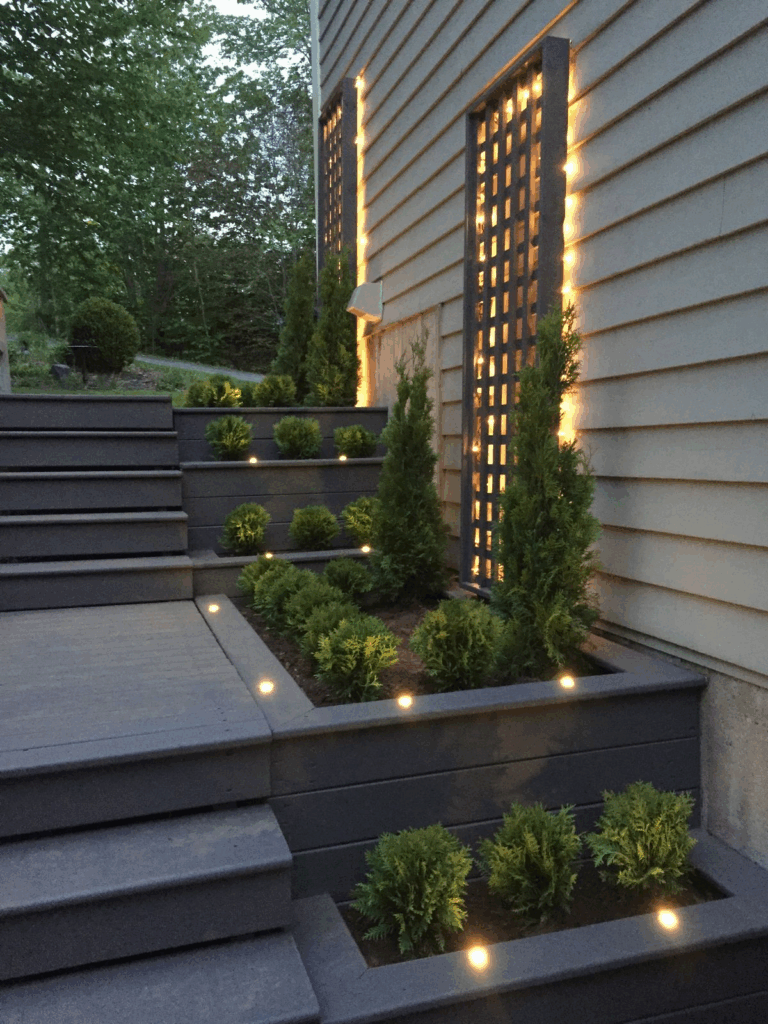
Greenery and architecture merge in a step design where planter boxes form the outer edges of each tread. This approach frames the ascent with seasonal flowers, ornamental grasses, or even small shrubs, softening the structure’s lines and connecting it visually to the surrounding landscape. Planters can be built from matching deck materials for a cohesive look, or from contrasting textures like stone or corten steel for visual interest. Proper drainage and moisture barriers are essential to protect the step structure from water damage. Irrigation systems can be integrated for low-maintenance upkeep, ensuring plants remain healthy year-round. This layout works particularly well for wide steps or cascading styles, where the planters double as natural railings, reducing the need for additional safety barriers. Lighting installed within the planter walls can further enhance the ambiance in the evenings. Besides aesthetics, these planters provide a subtle separation between the deck and yard, guiding foot traffic naturally. The combination of living plants and functional steps creates an inviting entry that changes character with the seasons, offering endless opportunities for customization. By blending hardscape and softscape in one feature, the design adds both beauty and practicality to outdoor transitions.
Waterfall Side Step
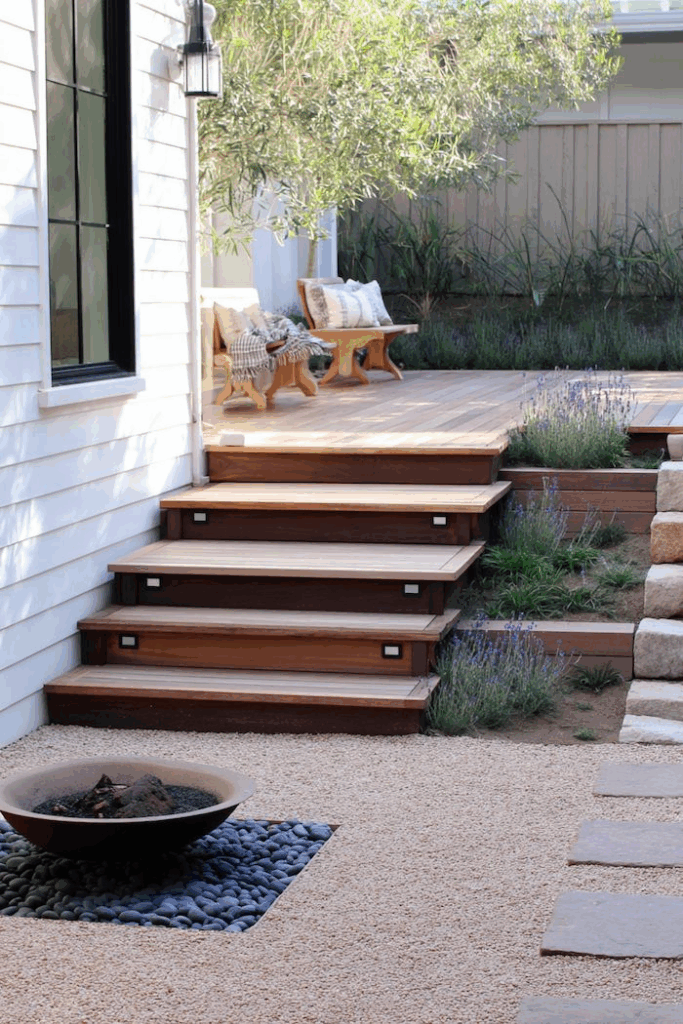
A seamless flow of material down the step’s side creates the striking effect of a “waterfall” edge, where the tread and riser appear to be one continuous surface. Often seen in high-end kitchen islands, this concept translates beautifully to outdoor decks, lending a tailored, architectural finish. Materials like composite decking, hardwood, or stone can be used, but precision cutting is key to align grains or patterns perfectly. The uninterrupted vertical drop along the sides hides framing and gives the steps a refined, furniture-like quality. This style works well for straight runs or corner steps, especially when paired with minimalist railings to keep the focus on the craftsmanship. For durability, all exposed edges should be sealed against moisture intrusion, particularly in climates with freeze-thaw cycles. Low-profile lighting under the tread lip can subtly emphasize the smooth drop at night. While the look is modern, it can adapt to traditional decks through material choice, such as warm cedar or textured pavers. The clean, continuous edge not only elevates visual appeal but also reduces places for debris to collect, making upkeep simple. It’s a detail-driven option for those seeking a high-impact finish without overwhelming the overall deck design.
Tile-Pattern Risers
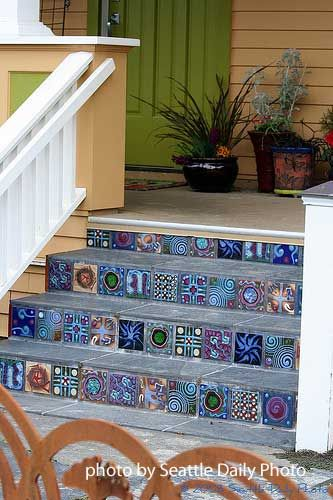
Decorative tiles on risers turn every step into an artful focal point, introducing color, pattern, and texture. Ceramic, porcelain, or cement tiles offer endless design possibilities—from intricate Moroccan motifs to sleek monochrome geometrics. This approach works especially well on wood or composite treads, where the tile can be the standout element without competing for attention. Weather-resistant grout and sealants are crucial for longevity, particularly in freeze-prone regions. The pattern can be continuous across all risers for a uniform look, or varied for a more eclectic feel. These decorated risers pair beautifully with plain treads, ensuring the design remains balanced and functional. Lighting placed above or below the riser line can highlight the details at night. Beyond aesthetics, tiles also protect the riser face from scuffs and moisture damage, extending the life of the steps. This style adapts to nearly any architectural theme, from Mediterranean villas to modern urban decks, simply by changing tile selection. It’s a relatively small-scale upgrade that delivers a major visual impact, allowing homeowners to refresh the deck’s appearance without a full rebuild. The result is a functional staircase that doubles as a decorative statement piece in the outdoor living space.
Glass Panel Rail Accents
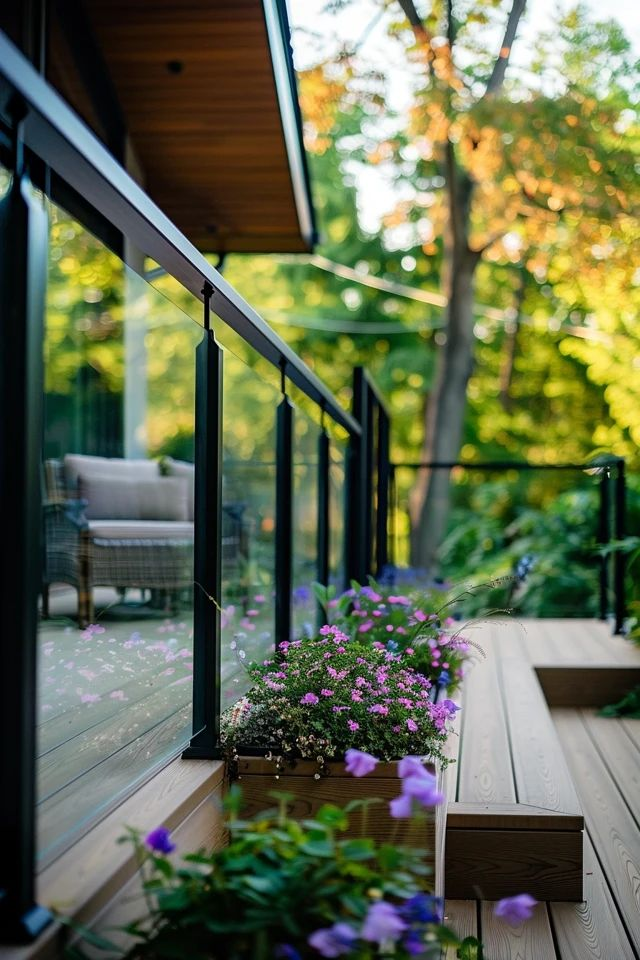
Transparent rail inserts give steps an open, airy feel while maintaining safety and code compliance. These panels, made from tempered glass, can be framed with wood, aluminum, or steel to complement the deck’s overall style. The clear surface keeps sightlines unobstructed, making the steps feel more connected to the yard or view beyond. This is particularly effective for decks overlooking gardens, pools, or scenic landscapes. Panels can be full-height for maximum openness or segmented between posts for a more structured look. To ensure durability, edges should be polished, and mounting hardware must be corrosion-resistant. Glass can be frosted, tinted, or etched for privacy while still allowing light through. Cleaning is simple—most smudges rinse away with water and mild soap. When paired with lighting, the glass can catch and reflect ambient glow, adding elegance during evening hours. This style works across modern, coastal, and transitional homes, adapting easily with frame material choices. While the panels are visually light, they provide a solid barrier, offering both beauty and practicality. By replacing heavy balusters with transparent panes, the stairs become part of the larger outdoor environment rather than a visual divider, enhancing both aesthetics and experience.
Spiral Compact Stairs
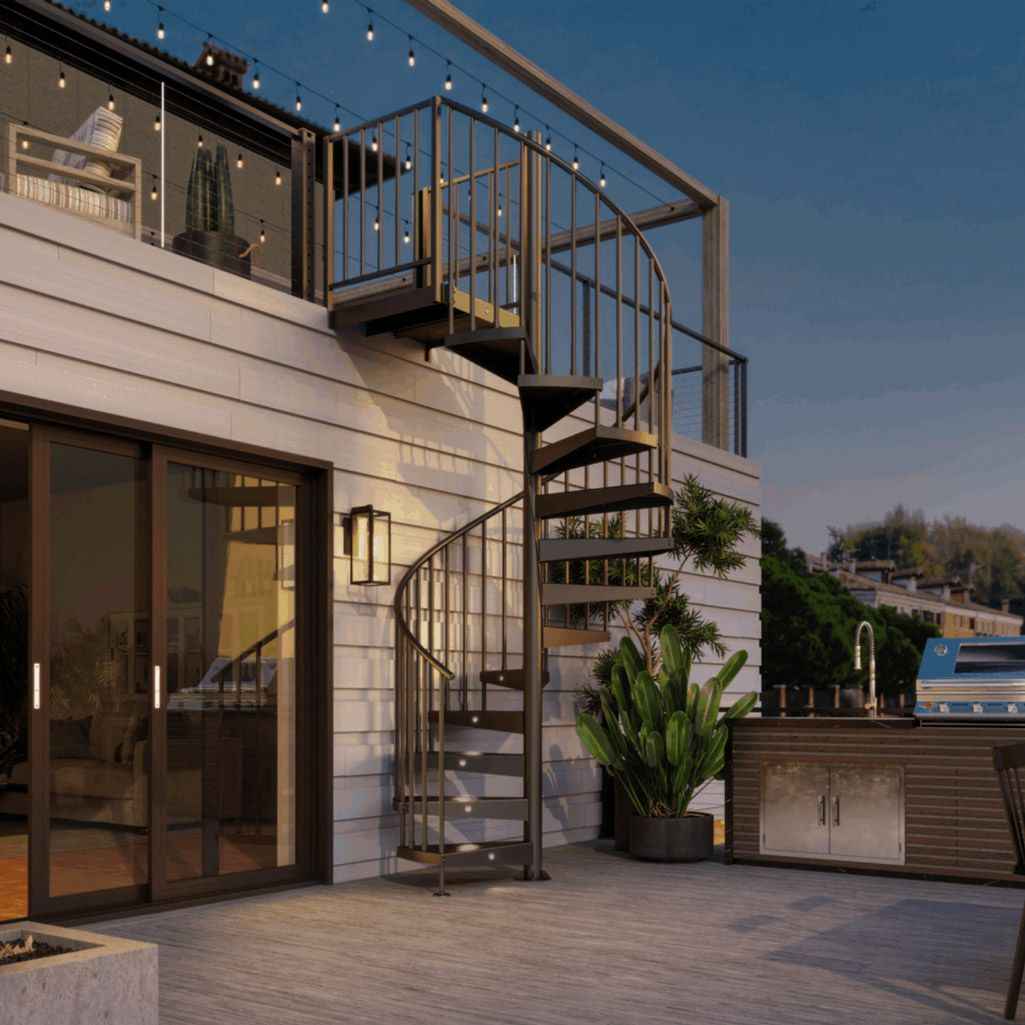
Circular movement creates a dramatic yet space-efficient connection between levels, perfect for decks with limited square footage. Spiral stairs can be constructed from steel, aluminum, or wood, with tread surfaces ranging from open grating to solid planks. Their central column serves as the main support, allowing the steps to twist upward without bulky framing. This design is ideal for reaching upper balconies or loft-style rooftop decks where a straight run would consume too much space. Railings often follow the curve, crafted from matching materials for cohesion. While the style is visually striking, careful consideration of tread width and rise is essential to maintain comfort and safety. Non-slip finishes are especially important for outdoor use. For added visual impact, each tread can feature contrasting colors or integrated lighting along the inner edge. Installation typically requires precise engineering to meet local codes, especially for height and load requirements. Though compact, spiral stairs can become a focal point, blending function with architectural artistry. They work well in both modern and traditional contexts, adapting through material selection and detailing. For homeowners balancing limited space with design ambition, this staircase offers an efficient and visually captivating solution.
Two-Tone Color Blocks
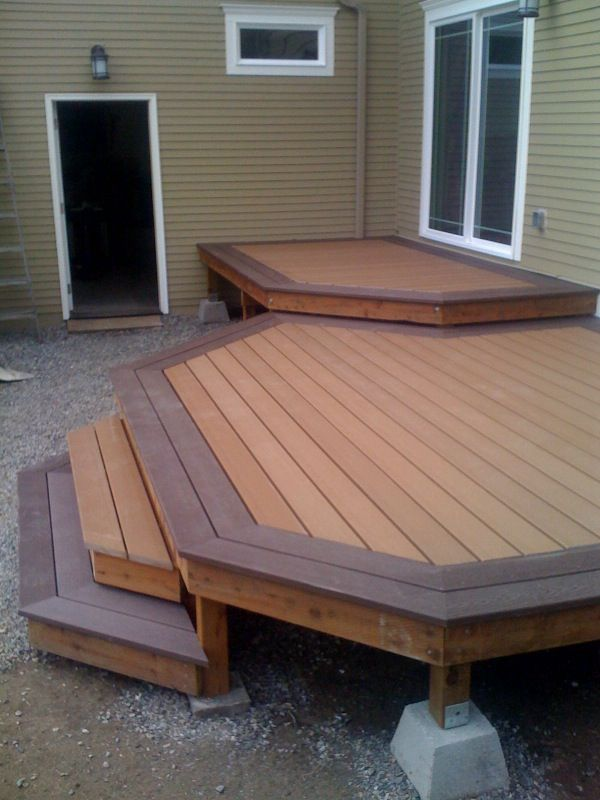
Contrasting shades on treads and risers turn basic deck steps into bold architectural elements. This design plays with visual rhythm, using one color for the horizontal surfaces and another for the vertical faces. Composite decking makes this especially easy, as boards are available in coordinated yet distinct tones—think deep charcoal treads paired with warm cedar risers or crisp white risers beneath natural oak steps. The dual-color approach not only adds style but can also subtly improve safety by defining each step’s edge. This technique suits both modern and traditional decks, adapting through the chosen palette; neutral pairings feel timeless, while brighter combinations bring playful energy. For maximum durability, UV-resistant finishes and moisture-sealed edges are essential, ensuring colors stay vibrant over time. Lighting can further accentuate the color divisions at night, making the design both functional and eye-catching. Installation requires precise alignment to keep lines clean and edges sharp, especially where the two tones meet. The result is a staircase that complements the deck while standing out as its own design feature, bringing depth, personality, and visual interest to what might otherwise be a purely utilitarian element in the outdoor space. This is a simple yet high-impact upgrade that transforms everyday steps into a striking focal point.