
Lighting shapes how an entrance feels long before décor is noticed. Well-planned home entrance lighting improves visibility, enhances safety, and sets the mood for the entire interior. The right fixtures can highlight architectural features, balance natural light, and make small or dim entryways feel more open and inviting. Layered lighting choices also support everyday routines, from evening arrivals to early mornings. This topic matters for homeowners seeking both style and function in a high-traffic space. The guide ahead focuses on practical lighting ideas that suit different layouts, helping create a welcoming, well-lit entrance that feels intentional, secure, and visually connected to the rest of the home.
Layered Ceiling And Wall Light Pairing
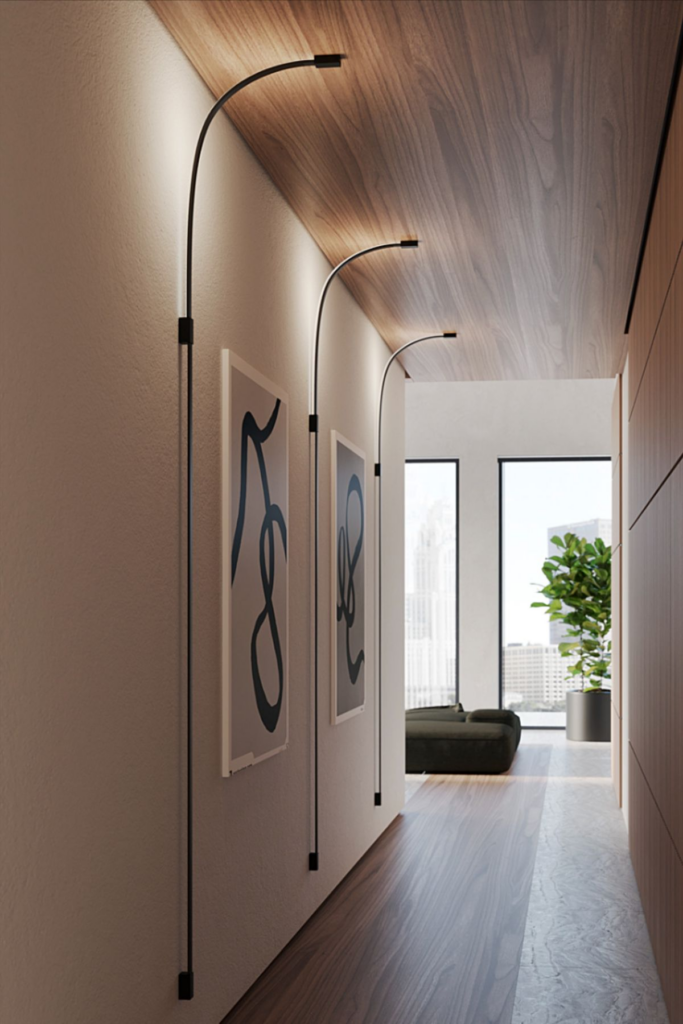
Thoughtful coordination between overhead fixtures and vertical lighting sources creates an entryway that feels intentional rather than flat. Ceiling lights establish general illumination, while wall-mounted fixtures refine how the space is perceived at eye level. This pairing prevents harsh shadows near doors, mirrors, or storage zones, ensuring faces and surfaces remain evenly lit. In homes with standard ceiling heights, a flush or semi-flush ceiling fixture paired with warm wall sconces produces visual depth without overcrowding. Taller foyers benefit from recessed ceiling lights combined with articulated wall fixtures that direct light downward. This approach improves safety by illuminating thresholds and reduces contrast between bright ceilings and darker walls. Using matching finishes across both fixture types keeps the look cohesive, even when designs differ. Dimmers further enhance flexibility, allowing brighter settings during busy hours and calmer lighting later in the day. Balanced layering also helps define architectural elements, such as trim or paneling, without overpowering them. When executed correctly, the entrance feels welcoming, practical, and visually structured. The space reads as complete from every angle, guiding movement naturally while maintaining comfort. This lighting strategy suits both compact entryways and expansive foyers, offering adaptability without sacrificing style or usability.
Soft Glow Statement Pendant For Entry Focus
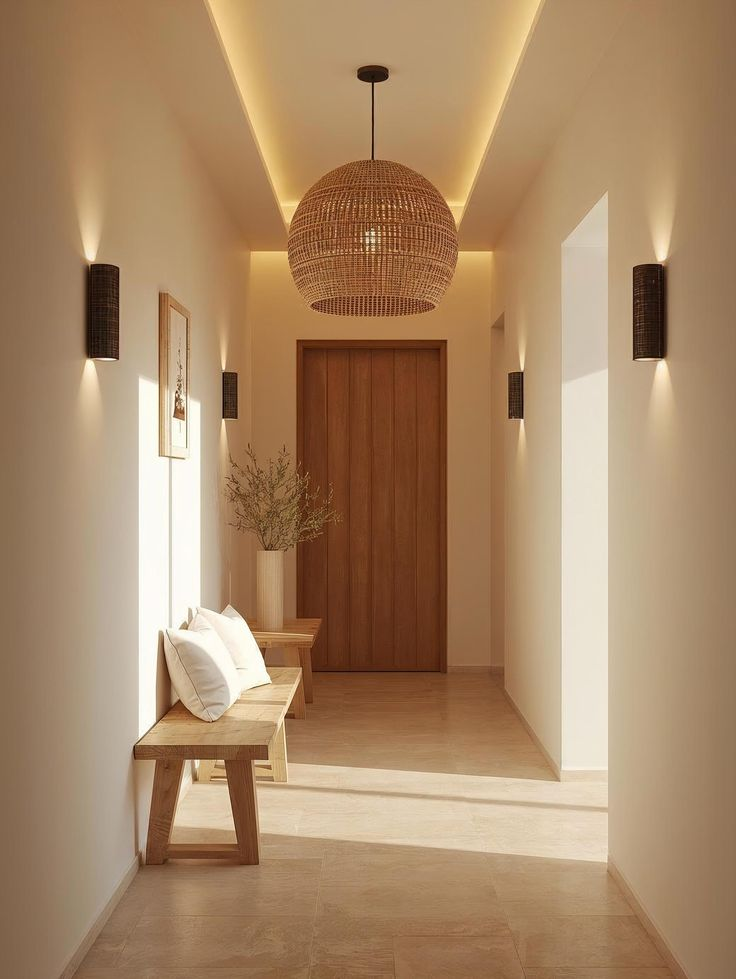
Focused illumination from a central pendant gives an entrance immediate identity and purpose. Rather than relying on multiple small fixtures, a single well-chosen pendant draws attention upward and anchors the space visually. Diffused shades, frosted glass, or fabric-wrapped designs help spread light gently, preventing glare near eye level. This works particularly well above entry rugs or center tables, where a defined pool of light improves orientation upon arrival. Scale matters significantly; oversized pendants suit double-height foyers, while compact yet expressive designs complement modest entrances. Hanging height should allow clear sightlines while keeping illumination effective across the floor plane. Warm-toned bulbs enhance skin tones and reduce the starkness often associated with overhead lighting. Pairing the pendant with subtle wall lighting maintains balance, ensuring corners remain usable. Material choice also influences impact, with metal offering structure and glass adding lightness. When aligned with surrounding finishes, the pendant becomes an integrated focal point rather than an isolated feature. This approach simplifies lighting layouts while delivering strong visual presence and dependable everyday performance.
Wall Wash Lighting To Highlight Textured Surfaces
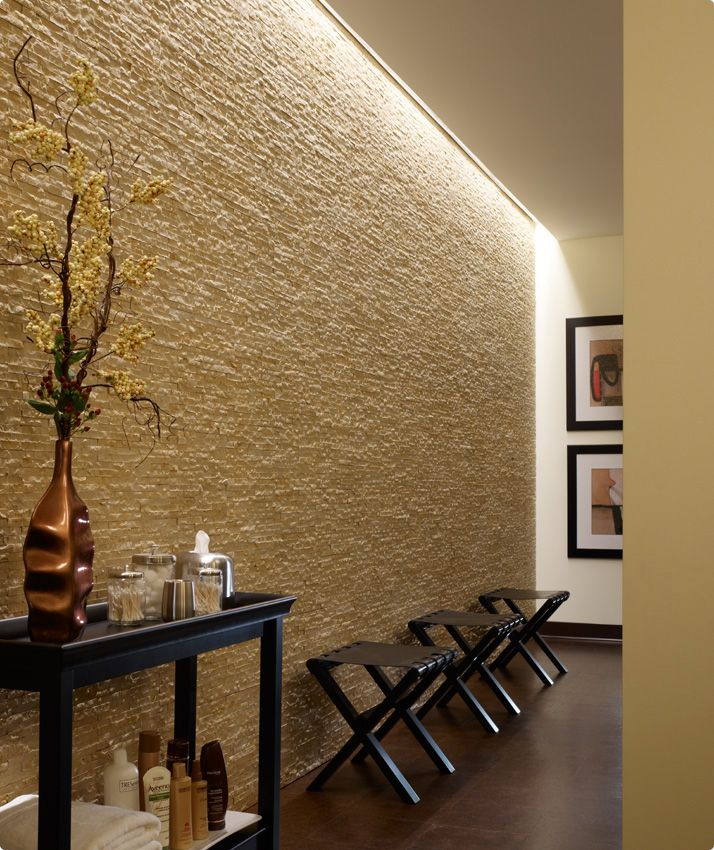
Directional light aimed across walls reveals depth that standard fixtures often miss. Wall washing emphasizes textures such as stone, wood paneling, plaster finishes, or decorative wallpapers by casting gentle shadows that shift throughout the day. Fixtures are typically positioned near ceilings or upper wall sections, angled downward to distribute light evenly. This method avoids harsh hotspots while making surfaces appear richer and more dimensional. In entryways, wall washing enhances first impressions without relying on decorative clutter. Neutral-toned walls gain warmth, while darker finishes feel intentional rather than heavy. Proper spacing between fixtures ensures consistent coverage and prevents patchy illumination. Energy-efficient LEDs work especially well due to their directional control and low heat output. When paired with warm color temperatures, textures appear inviting instead of dramatic. Wall washing also supports practical needs, improving visibility near storage units or seating areas. This technique suits modern and classic homes alike, adapting easily to various materials. The result feels refined and architectural, helping entryways feel thoughtfully designed while remaining comfortable and easy to navigate.
Slim Profile Sconces For Narrow Entrances
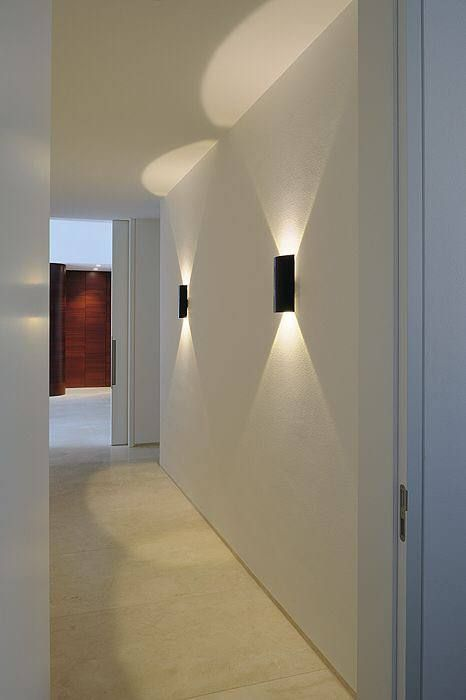
Limited width often creates lighting challenges in compact entryways, where bulky fixtures can overwhelm circulation space. Slim-profile sconces solve this by delivering adequate illumination without projecting far from the wall. Their streamlined forms maintain clear walkways while still providing functional brightness. Vertical designs draw the eye upward, subtly increasing perceived height. Horizontal versions work well beside doors or mirrors, spreading light evenly across key zones. Placement at eye level reduces shadowing and improves facial visibility when entering or exiting. Finishes that match door hardware or console accents help maintain cohesion. Integrated LED options offer consistent output with minimal maintenance, making them suitable for high-traffic areas. Warm light output softens tight spaces, preventing tunnel-like effects. These sconces also pair well with overhead lighting, contributing to layered illumination without crowding. When dimmable, they adapt easily to different times of day. This solution maximizes comfort and usability while respecting spatial constraints, ensuring narrow entrances feel welcoming rather than restrictive or cluttered.
Warm LED Strip Accents Under Consoles

Subtle illumination beneath entry consoles adds function while enhancing atmosphere. Concealed LED strips cast light downward, outlining furniture silhouettes and guiding movement at night without disturbing the entire household. This technique improves safety by highlighting floor edges and nearby storage areas. Warm color temperatures prevent the space from feeling clinical, blending seamlessly with ambient lighting. Installation remains discreet, preserving clean lines and uncluttered surfaces. Motion sensors further increase convenience, activating light automatically upon arrival. In smaller entryways, this indirect glow visually expands the area by separating furniture from the floor. It also reduces reliance on overhead fixtures during low-light hours. Quality diffusers ensure even output, avoiding visible hotspots or glare. Energy efficiency remains high, making this solution practical for daily use. When coordinated with other light sources, under-console lighting reinforces a layered approach. The entrance feels calm, intentional, and easy to navigate, particularly during evenings. This accent strategy delivers both aesthetic enhancement and real-world functionality without demanding additional space or visual attention.
Single Oversized Light For Visual Anchoring
Purposeful use of a large fixture establishes hierarchy within an entryway. One oversized light provides clarity, helping visitors immediately understand where the space begins and ends. This approach reduces visual noise by limiting competing light sources. In open-plan layouts, a bold fixture defines the entrance without walls or partitions. Proportions matter greatly; the fixture should relate to ceiling height and floor area to avoid imbalance. Diffused materials prevent harsh brightness while maintaining adequate coverage. Warm bulbs reinforce comfort, especially in transitional spaces connecting outdoors to interiors. Finishes that contrast subtly with surrounding surfaces ensure visibility without overwhelming decor. This lighting choice simplifies design decisions, offering both illumination and statement value. Supplemental accent lighting can still support storage or artwork, but the primary focus remains clear. The result feels grounded and organized, making the entrance memorable yet functional. This strategy works across design styles, from contemporary to traditional, when scale and placement are carefully considered.
Indirect Cove Lighting For Calm First Impressions

Hidden light sources create a gentle introduction to interior spaces. Cove lighting placed along ceiling recesses or architectural ledges distributes illumination upward, reducing glare and visual tension. This indirect method softens transitions from outdoor brightness to indoor comfort. In entryways, it establishes an immediate sense of calm without demanding attention. Warm tones enhance wall colors and ceiling finishes, making rooms feel taller and more expansive. Proper placement ensures even distribution, avoiding dark corners. Integrated controls allow gradual adjustments based on time of day. This lighting style pairs well with decorative fixtures, providing a supportive ambient layer. Energy-efficient systems maintain low operational costs while delivering consistent output. Cove lighting suits both modern and classic interiors, adapting easily to various ceiling designs. The entrance feels composed and welcoming, encouraging relaxed movement deeper into the home. This approach prioritizes comfort and visual ease, making it ideal for households seeking understated elegance with dependable functionality.
Directional Spotlights For Art And Decor Zones

Targeted illumination brings attention to curated elements within an entryway. Adjustable spotlights allow precise control, highlighting artwork, sculptures, or architectural details without flooding the entire space. This focused approach creates visual interest and depth, guiding the eye intentionally. Proper beam angles prevent glare while ensuring featured items remain clearly visible. Warm lighting enhances textures and colors, preserving the intended mood. Track systems or recessed spotlights offer flexibility, accommodating seasonal decor changes. Strategic spacing maintains balance, preventing overemphasis on single points. This lighting style supports personalization, turning entrances into expressive spaces rather than pass-through zones. Energy-efficient fixtures ensure practicality alongside aesthetics. When combined with ambient lighting, spotlights contribute to layered illumination that feels refined. This solution suits both compact and expansive entries, adapting easily to different layouts. Highlighting meaningful decor adds character while maintaining clarity and order within the space.
Glass And Metal Fixture Mix For Depth
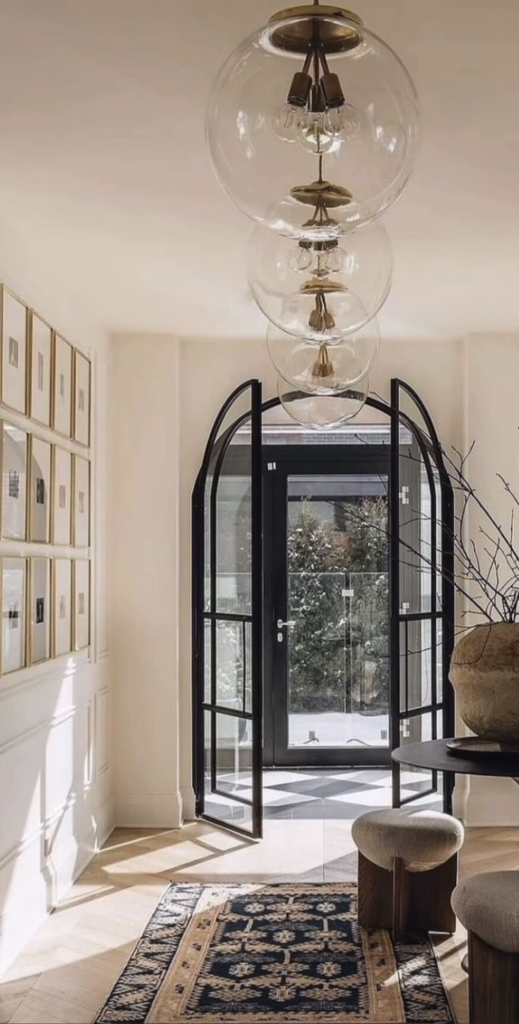
Glass diffuses light, softening brightness, while metal provides structure and definition. Together, they create fixtures that feel balanced and adaptable. In entryways, this mix complements varied finishes often present, such as wood floors or painted walls. Clear or frosted glass prevents visual clutter, especially in smaller spaces. Metal accents tie lighting into hardware and furnishings, reinforcing cohesion. Warm bulbs prevent reflective surfaces from appearing stark. This material pairing suits multiple design styles, from industrial to transitional. Durability remains high, making fixtures suitable for frequent use. Thoughtful proportions ensure neither element dominates. The resulting illumination feels layered and intentional, enhancing depth without overwhelming the area. This approach supports both function and style, delivering reliable lighting while contributing to a polished first impression.
Low-Glare Lighting For Small Entry Comfort
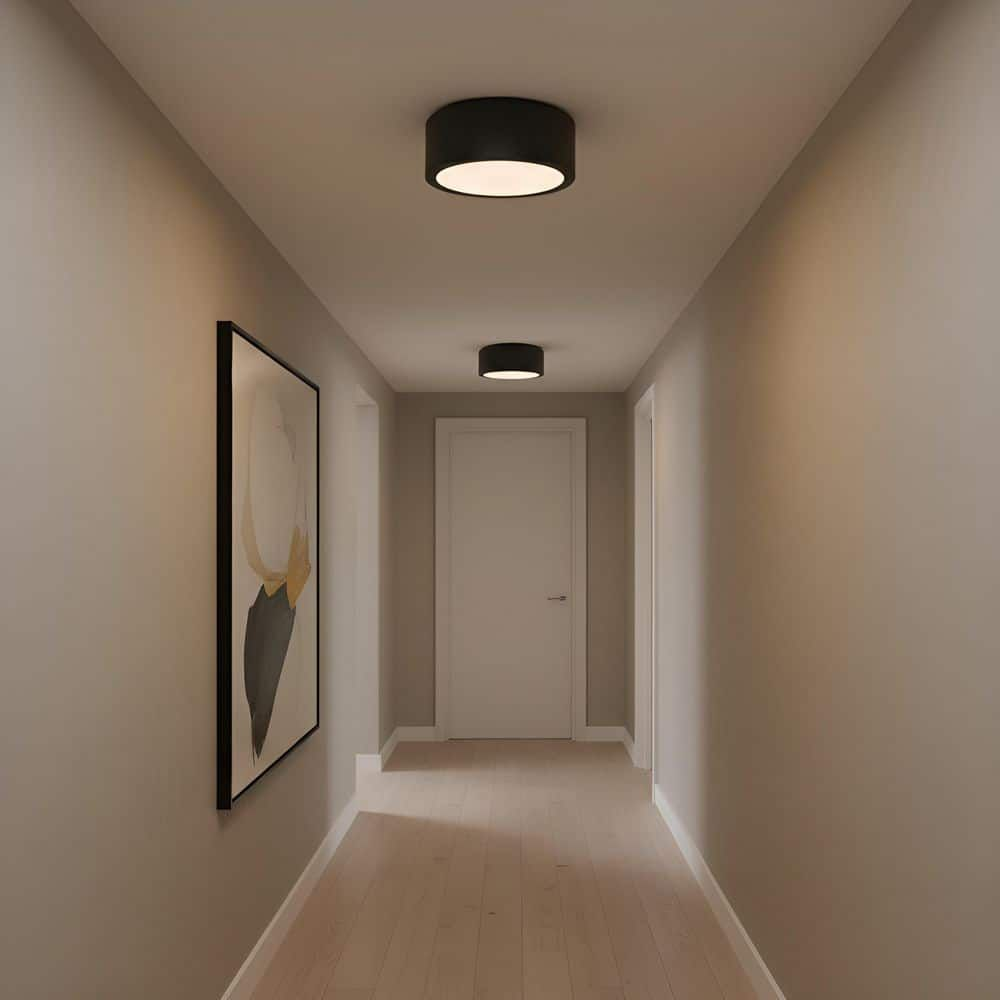
Reduced glare improves comfort in confined spaces where light sources sit closer to eye level. Fixtures designed with diffusers, shades, or recessed lenses distribute illumination evenly, preventing harsh brightness. This consideration proves especially important in small entryways, where reflective surfaces amplify glare. Warm color temperatures further soften output, making arrivals and departures more pleasant. Proper placement minimizes direct exposure while maintaining sufficient visibility. Wall-mounted and indirect lighting options support this goal effectively. Energy-efficient technologies ensure consistent performance without excessive brightness. Low-glare solutions also enhance safety, reducing visual strain when adjusting from outdoor light conditions. Combined with neutral finishes, these fixtures help small entrances feel calm and welcoming. The space remains functional without appearing overly lit. This approach prioritizes human comfort while meeting everyday lighting needs, making it ideal for compact homes and apartments.
Symmetrical Lighting To Create Balance Instantly
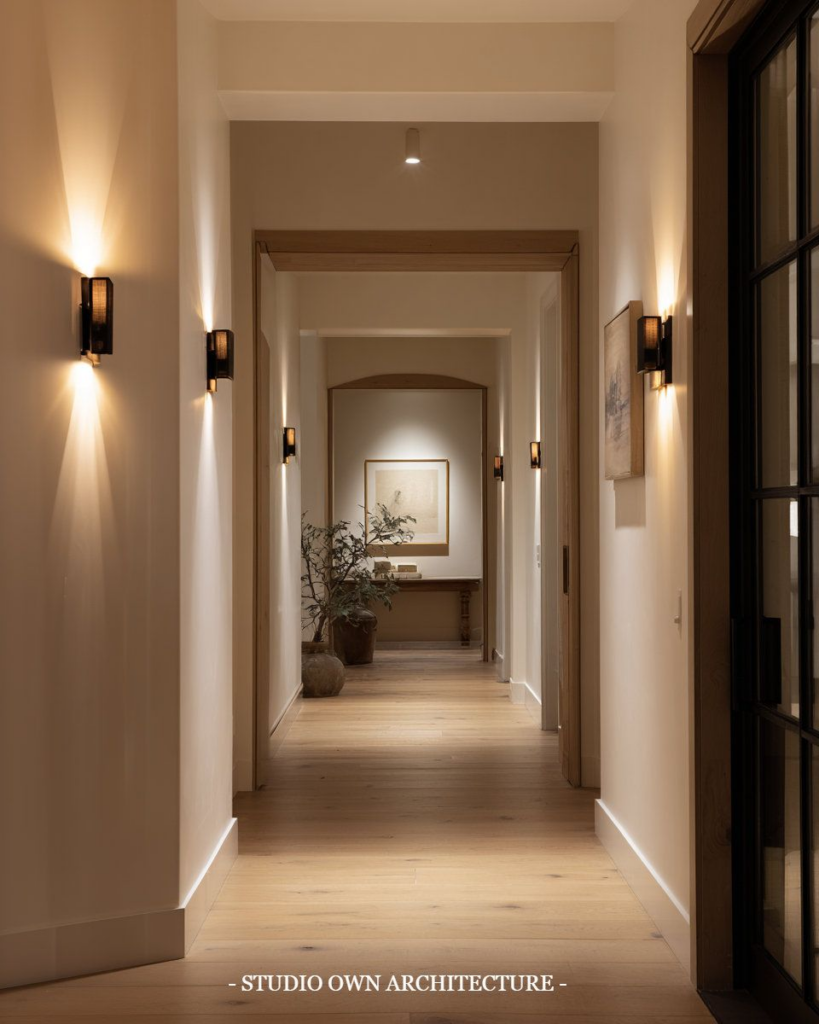
Visual balance contributes significantly to how an entryway feels upon arrival. Symmetrical lighting arrangements, such as matching sconces on either side of a door or mirror, establish order and clarity. This structure creates a sense of stability and intention. Even in eclectic interiors, symmetry provides grounding. Consistent fixture height and spacing ensure uniform illumination, preventing uneven shadows. Warm lighting reinforces comfort, while matching finishes maintain cohesion. This approach simplifies design decisions, reducing the need for excessive decorative elements. Symmetry also improves functionality, evenly lighting circulation paths and storage areas. In narrow or wide entries alike, balanced lighting enhances proportion. The result feels organized and welcoming, supporting smooth transitions into the home. This strategy remains timeless, adapting easily to evolving decor styles.
Warm Temperature Lighting To Enhance Welcome Feel
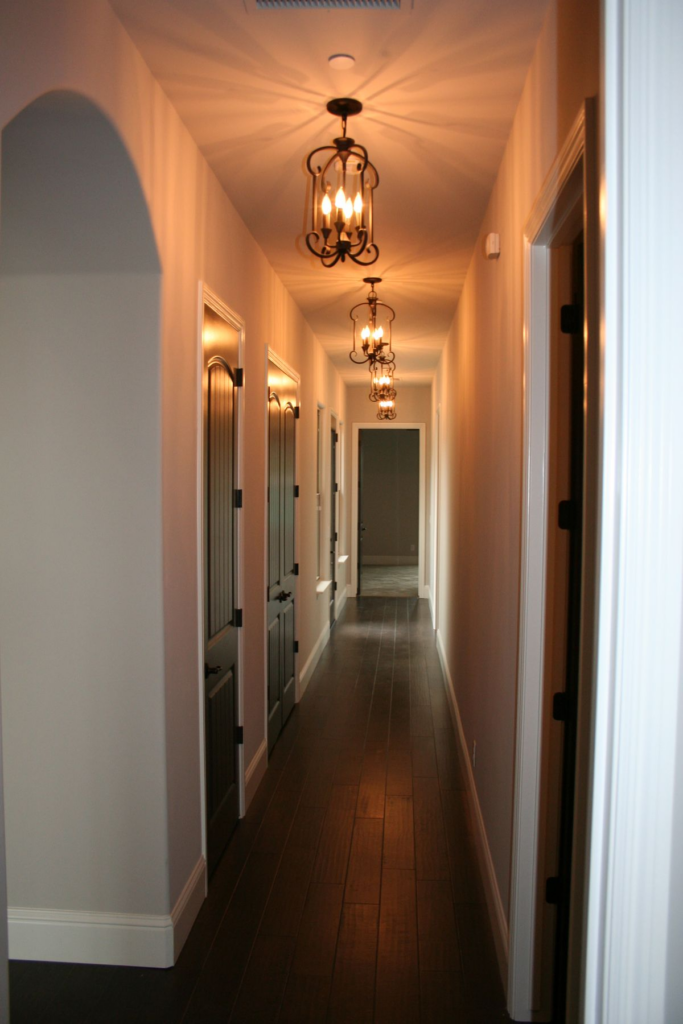
Color temperature significantly influences emotional response. Warm lighting creates an inviting atmosphere, easing transitions from exterior environments. In entryways, tones between 2700K and 3000K support comfort without appearing dim. This warmth flatters finishes, skin tones, and decor elements. Consistency across fixtures prevents visual fragmentation. Warm lighting also reduces perceived harshness, making spaces feel more relaxed. Energy-efficient bulbs now offer stable warm output without compromising brightness. Proper layering ensures functionality remains intact. This approach suits both daytime and evening use, maintaining comfort throughout. A welcoming entrance sets the tone for the entire home, making thoughtful temperature selection essential.