
Seasonal decor at the front door signals celebration, warmth, and hospitality before guests even step inside. Holiday entrance styling balances festive charm with safety, weather resistance, and everyday usability. Thoughtful lighting, layered greenery, coordinated color palettes, and durable outdoor accents help create impact without clutter. Well-planned entrances also improve curb appeal, guide foot traffic, and photograph beautifully for gatherings. This topic matters for homeowners seeking quick updates that feel intentional rather than overdone. The ideas ahead focus on adaptable decor, storage-friendly layouts, and timeless seasonal details that work across holidays, helping readers welcome guests confidently while maintaining polished, inviting entry.
Seasonal Color Reset at the Door
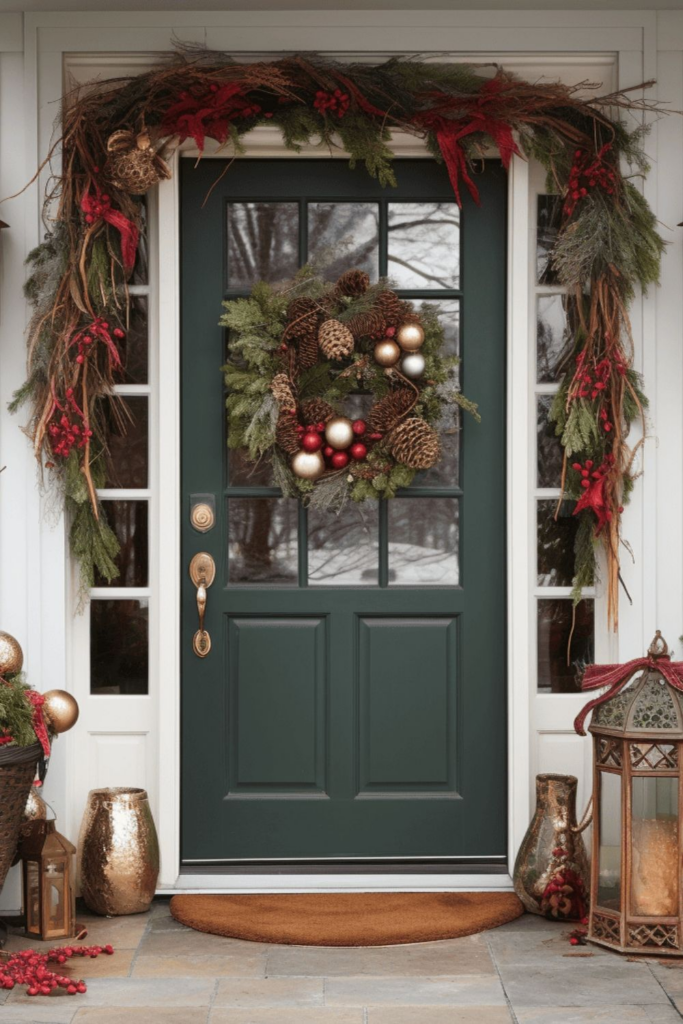
Fresh seasonal color at the entry helps signal a shift into holiday mode without overwhelming the home. Start by temporarily removing year-round accents such as dark mats, bright planters, or heavily patterned umbrellas. Replace them with a controlled palette tied to the season, using two neutrals and one restrained festive shade. Muted greens, warm taupe, winter white, or charcoal pair well with subtle metallics and weathered wood. This reset works best when color appears in large, calm surfaces rather than small cluttered items. A neutral wreath base, painted planter, or fabric door covering keeps the entrance cohesive and intentional. Seasonal color should feel anchored to the architecture, not layered randomly. Matte finishes outperform glossy ones outdoors because they reduce glare and age better under changing light. Keep contrast soft so the door remains the visual anchor. This approach also simplifies post-holiday transitions since neutral foundations stay relevant beyond the season. Homeowners benefit from reduced visual fatigue and easier maintenance. When executed correctly, the entrance feels refreshed rather than redecorated. Guests notice the shift immediately, yet nothing feels forced or temporary. A thoughtful color reset sets expectations for a welcoming interior while maintaining curb appeal, balance, and long-term flexibility throughout the holiday period.
Layered Door Styling
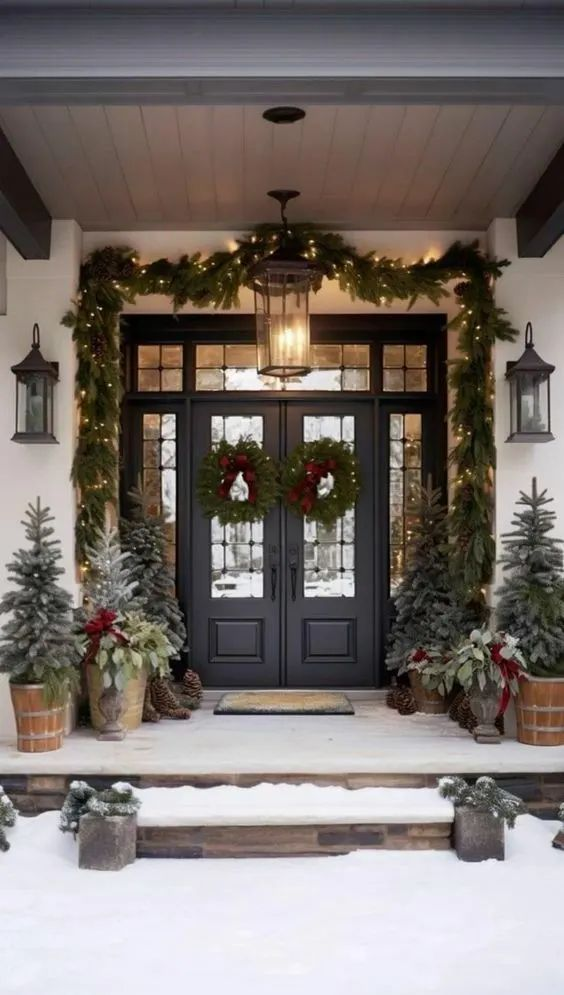
Depth at the front door adds visual interest without relying on excess decor. Begin with a solid foundational element such as a clean door surface or subtle paint refresh. Over this base, introduce one primary layer that establishes seasonal intent, like a wreath, fabric banner, or framed accent. Secondary layers should support rather than compete, using materials that contrast in texture instead of color. Natural fibers, brushed metal, and lightly distressed wood create dimension while staying cohesive. Spacing matters more than quantity; layers should feel intentionally offset rather than stacked tightly together. Avoid symmetry overload by allowing slight variation in height or placement. Hardware, door knockers, and mail slots count as styling layers and should be considered part of the composition. Coordinating finishes prevents visual noise and keeps the arrangement grounded. This method allows flexibility for small seasonal swaps without dismantling the entire setup. It also photographs well, which is useful for hosting and holiday announcements. Properly layered door styling communicates effort and care while remaining practical for daily use. The entrance feels curated, durable, and seasonally appropriate without appearing crowded or overly decorative.
Soft Holiday Lighting Zone
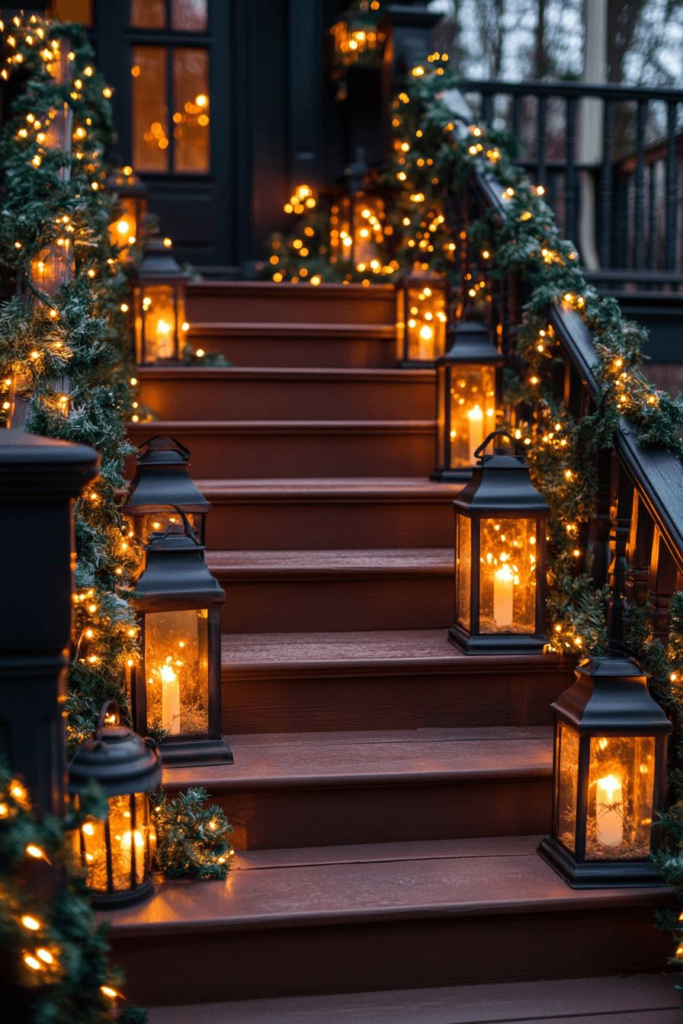
Warm lighting at the entry establishes comfort before guests step inside. Focus on creating a gentle glow rather than a bright focal point. Low-lumen bulbs, frosted glass, or warm LED strands work best when light sources are partially concealed. Wall sconces, lanterns, or overhead fixtures should cast light downward and outward to avoid harsh shadows. Consistency in color temperature is critical; mixing warm and cool light disrupts visual harmony. Battery-powered options simplify installation and reduce visible cords near the door. Position lighting to highlight architectural details such as trim, stone, or door texture instead of decorative items alone. Timers help maintain consistency and energy efficiency throughout the season. The goal is to guide movement safely while maintaining atmosphere. Overlighting can flatten textures and make the space feel commercial. Balanced illumination improves nighttime curb appeal and supports security without sacrificing style. Guests naturally slow down and feel welcomed when lighting feels intentional. This approach also transitions smoothly into everyday use after the holidays. A controlled lighting zone enhances the entrance experience through subtlety, comfort, and functional clarity rather than excess brightness or visual distraction.
Holiday Runner That Hides Mess

Entryway runners serve a practical role during the holidays when foot traffic increases. Select materials designed to disguise dirt, moisture, and debris rather than highlight them. Low-pile rugs with multi-tone patterns outperform solid colors because they mask wear between cleanings. Durable fibers like polypropylene or recycled blends handle moisture better than natural wool at the door. Length should extend past the immediate threshold to capture debris from boots and shoes. Secure backing or rug pads prevent shifting, which improves safety and maintains alignment. Neutral bases with understated seasonal accents maintain flexibility throughout winter. Avoid fringe or thick textures that trap debris and complicate cleaning. Washable options offer convenience during busy hosting periods. This runner becomes part of the visual flow, guiding guests inward while quietly managing mess. A well-chosen runner reduces stress, protects flooring, and maintains a tidy appearance even during gatherings. Visual continuity between runner, door color, and surrounding decor strengthens the overall look. Practical design choices here ensure the entrance stays functional, presentable, and welcoming throughout the entire holiday season.
Statement Entry Sign

A single statement sign at the entrance delivers personality without clutter. Scale matters more than wording; the piece should be large enough to read from a distance but restrained enough to avoid dominating the space. Neutral backgrounds with simple typography feel timeless and photograph well. Wood, metal, or framed fabric signs hold up better than paper or lightweight materials near doors. Placement should align with eye level or slightly above adjacent furniture for visual balance. Seasonal messaging works best when understated and nonliteral, avoiding overly playful phrases that date quickly. The sign should complement existing finishes like door hardware and lighting rather than compete with them. Limiting the entry to one text element keeps the space refined. This focal point provides context for the rest of the decor and signals hospitality immediately. After the holidays, the sign can be swapped for a neutral version without reworking the entire setup. A thoughtfully selected entry sign adds warmth, clarity, and character while preserving a clean, intentional first impression.
Bench-Based Holiday Styling Setup

An entry bench provides structure for seasonal styling while remaining functional. Start with a sturdy bench scaled to the width of the entry area. Seating material should be easy to clean, especially during wet weather. Layering begins with one anchor element such as a folded throw or textured cushion in neutral tones. Decorative items should stay minimal and useful, like baskets for shoes or gloves. Vertical interest can be added above the bench with a mirror or wall hook rather than tabletop clutter. This setup supports daily routines while accommodating holiday traffic. Keep surfaces mostly clear so guests feel comfortable using the space. Color accents should echo door or runner tones for cohesion. The bench acts as a transition zone between outdoors and indoors, helping maintain order. Practical styling ensures the area remains usable even during gatherings. When done correctly, the bench looks intentional rather than staged. This approach balances hospitality, organization, and seasonal warmth without sacrificing comfort or accessibility.
Minimal Garland Placement Rule
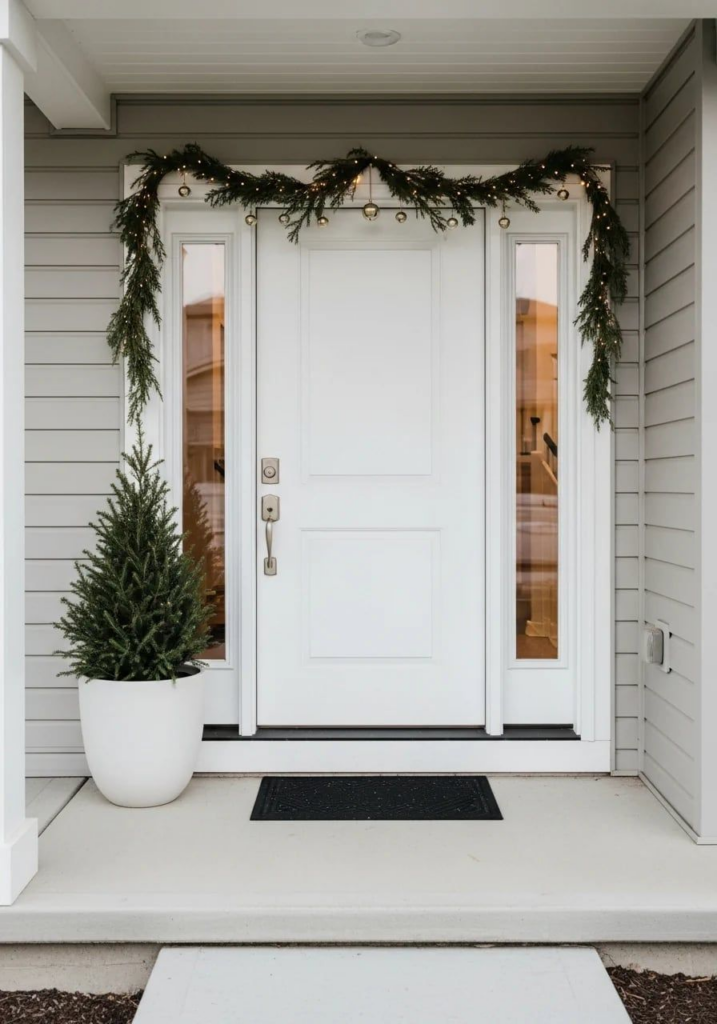
Garlands are most effective when used sparingly and with clear purpose. Focus on one architectural line such as a doorway frame, stair rail near the entry, or overhead beam. This restraint prevents visual overload and keeps maintenance manageable. Select garlands with realistic texture and muted tones for longevity. Securing them cleanly with hidden hooks or wire maintains a polished look. Avoid wrapping every surface; negative space allows the greenery to stand out. Lighting, if added, should be subtle and integrated rather than layered heavily. Natural flow matters more than symmetry; slight drape variations feel organic. This rule simplifies removal after the season and protects walls from damage. A single, well-placed garland frames the entrance and signals festivity immediately. The rest of the decor benefits from this clarity. Guests perceive the space as intentional rather than busy. Controlled placement ensures seasonal greenery enhances architecture instead of masking it, maintaining balance and visual calm throughout the holidays.
Holiday Drop Zone for Guests

A defined drop zone helps guests settle in comfortably during gatherings. Allocate a clear area near the entrance for coats, bags, and shoes. Wall hooks, a small console, or a basket system keeps items contained and accessible. Materials should be durable and easy to wipe clean. Labeling or visual cues prevent confusion when multiple guests arrive. This zone reduces clutter spreading into living areas. Lighting nearby ensures visibility without drawing attention away from decor. Keep the area neutral so it blends seamlessly with seasonal styling. Floor protection such as trays or mats manages moisture effectively. A thoughtful drop zone communicates hospitality and consideration. Guests appreciate knowing exactly where to place belongings. This setup also simplifies cleanup after events. Practical organization at the entry supports smoother hosting and preserves the overall aesthetic. A well-planned drop zone enhances both function and guest experience during the busiest holiday moments.
Front Door Hardware Highlight Trick

Door hardware often gets overlooked during holiday styling. Polishing or subtly highlighting existing handles, knockers, and hinges refreshes the entrance instantly. Consistent metal tones across hardware and decor maintain cohesion. Seasonal accents should complement rather than cover these elements. A wreath or hanging piece should leave hardware fully visible. This approach emphasizes craftsmanship and architectural detail. Clean hardware reflects light naturally, enhancing evening curb appeal. Temporary ribbon or greenery tied nearby can frame hardware without obstructing use. Avoid adhesive decorations that damage finishes. Highlighting hardware requires minimal effort yet delivers noticeable impact. It also keeps the entrance functional for frequent use. This trick works across styles, from traditional to modern. Guests subconsciously register the care taken in small details. Well-maintained hardware elevates the entire door presentation and supports a refined holiday look without additional clutter.
Seasonal Scent Moment
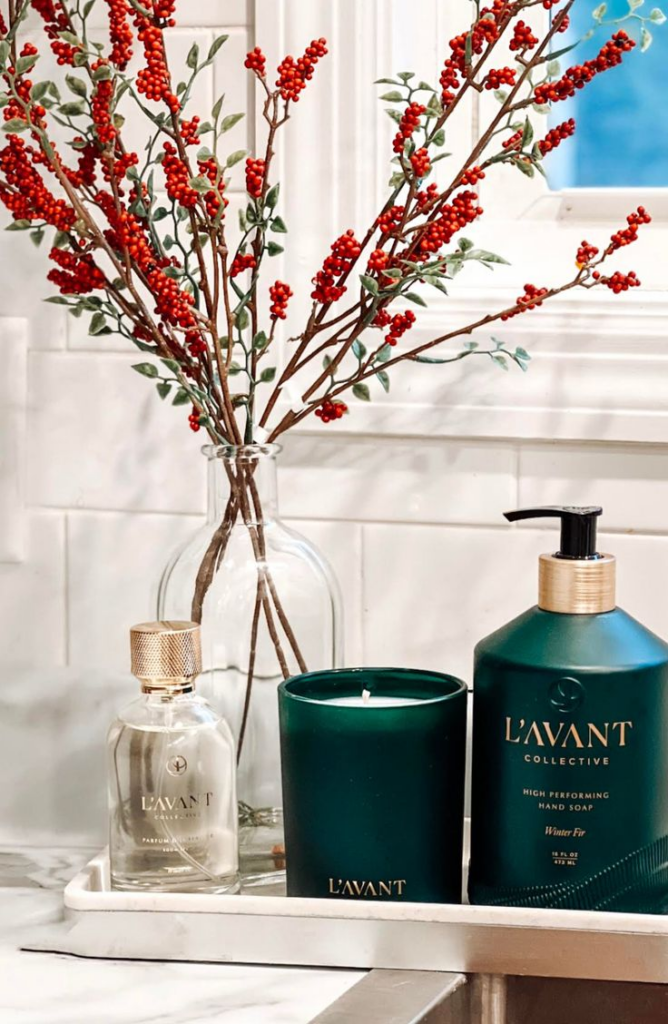
Scent at the entry sets emotional tone before visual elements register. Focus on subtle, familiar fragrances associated with the season. Natural options such as pine, citrus, or spice blends feel inviting without overwhelming. Diffusers, sachets, or lightly scented greenery work better than strong candles near doors. Airflow should be considered so fragrance disperses gently. Avoid mixing multiple scents, which can feel chaotic. One consistent note creates cohesion and comfort. This sensory detail enhances memory and guest experience. Refresh scent sources regularly to maintain consistency. A well-managed scent moment complements decor rather than competing with it. Guests associate the home with warmth and care from the first step inside. Proper placement ensures fragrance remains noticeable yet restrained. This thoughtful addition rounds out the entrance experience through balance, familiarity, and subtle sensory appeal.
Neutral Holiday Decor with One Accent Tone

Neutral decor provides a calm foundation for holiday entrances. Limit the palette to soft whites, beiges, or greige, then introduce one accent tone for seasonal interest. This accent might appear in ribbon, greenery berries, or small accessories. Repetition of the accent color across elements maintains harmony. Avoid introducing additional hues, which dilute impact. Texture becomes essential when color is restrained; mix matte, woven, and natural finishes. This strategy simplifies styling decisions and reduces visual fatigue. The entrance feels cohesive and timeless rather than trendy. Neutral foundations also transition smoothly after the holidays. Guests notice the clarity and restraint immediately. A single accent tone delivers festivity without excess. This approach works across architectural styles and lighting conditions. Balanced restraint ensures the entry remains elegant, welcoming, and easy to maintain throughout the season.
Outdoor-to-Indoor Holiday Continuity

Continuity between exterior and interior entry spaces strengthens the overall holiday experience. Carry one or two elements from outside decor into the indoor foyer. This might include greenery type, color accent, or material finish. Consistency helps guests feel guided rather than abruptly transitioning environments. Outdoor-safe textures such as wood and metal translate well indoors. Scale should adjust slightly smaller once inside to maintain comfort. Lighting tones should remain consistent across both zones. This connection enhances flow and visual storytelling. Avoid duplicating everything; subtle references work best. The goal is harmony, not repetition. Guests perceive the home as thoughtfully styled from curb to interior. This continuity also simplifies decorating decisions by narrowing choices. A connected entrance experience feels intentional, balanced, and welcoming throughout the holiday season.