
Layered textures, global influences, and expressive details define entryways that push boho style beyond the expected. This approach values personality over perfection, mixing handcrafted elements, natural materials, and collected decor to create a welcoming yet artistic first impression. High-impact rugs, woven accents, statement lighting, and earthy color palettes work together to add depth without sacrificing function. Such spaces resonate with homeowners seeking warmth, creativity, and relaxed structure at the front of the home. The ideas ahead highlight thoughtful ways to balance visual richness with organization, helping readers design entryways that feel curated, lived-in, and aligned with modern bohemian interiors while remaining practical for daily use.
Layered Neutral Texture Wall
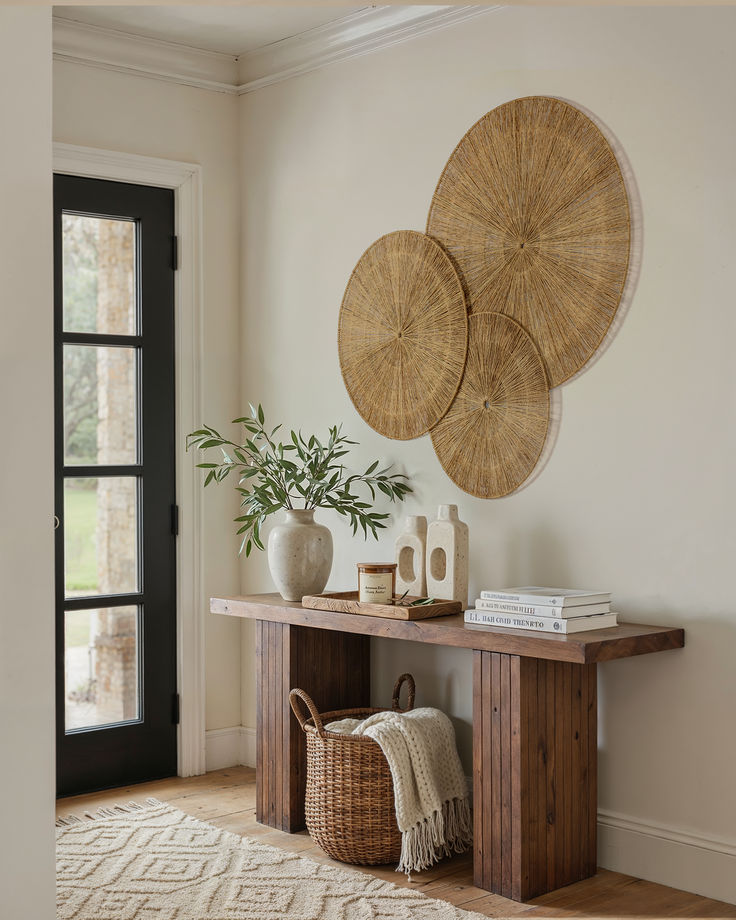
Quiet depth defines this approach, where visual interest comes from surface variation rather than color contrast. Limewash finishes, clay plasters, and subtle trowel marks introduce movement that feels handmade and calming. Neutral does not mean flat; tonal shifts between sand, putty, oat, and warm stone build complexity without overwhelming a small entryway. Texture-heavy walls pair best with restrained accessories so the surface remains the focal point. Lighting matters here, as angled daylight or soft sconces emphasize shadows and dimension. Avoid glossy paint, which flattens texture and reads commercial rather than lived-in. Natural imperfections signal authenticity, a key trait of elevated boho interiors. When walls carry this much tactile weight, nearby materials should stay honest and grounded, such as raw wood, linen, or aged metal. Framed art becomes optional because the wall itself performs that role. This strategy also hides everyday scuffs better than smooth paint, making it practical for high-traffic zones. Neutral textured walls bridge rustic and modern sensibilities, allowing flexibility as décor evolves. Seasonal swaps, like woven baskets or ceramic vessels, feel cohesive against this backdrop. Done well, textured neutrality delivers warmth, restraint, and longevity in one deliberate move, giving boho entryways a refined, architectural foundation that feels intentional rather than styled.
Low, Grounded Console Styling
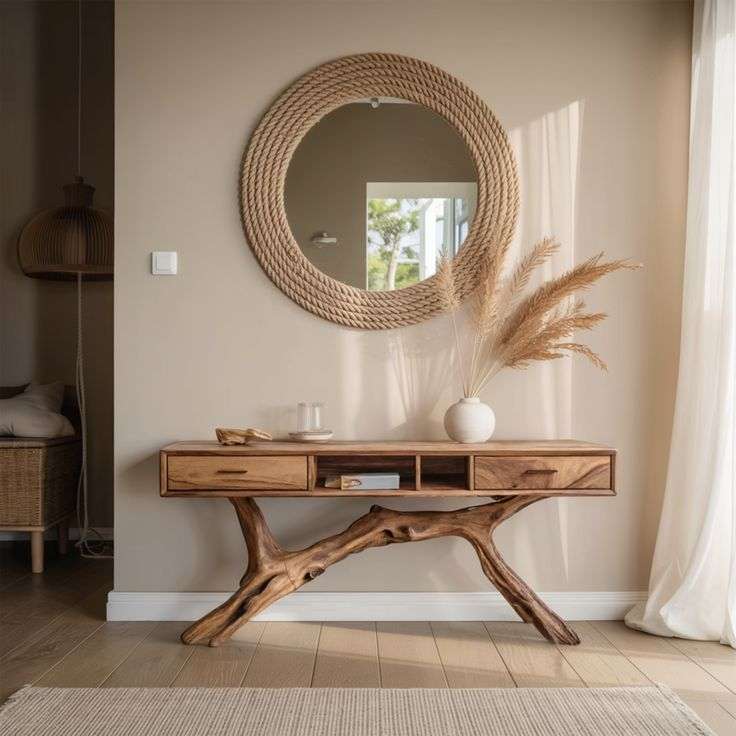
Ground-hugging proportions immediately change how an entryway feels upon arrival. Consoles that sit lower than standard height visually anchor the space and support a relaxed, boho-forward mood. Wide silhouettes with solid legs feel more intentional than spindly designs. Styling should emphasize horizontal flow, using stacked books, shallow bowls, or stone trays rather than tall arrangements. Negative space above the surface keeps the look calm and uncluttered. This approach works especially well in homes with high ceilings, where vertical emptiness feels balanced rather than bare. Materials matter more than ornamentation; reclaimed wood, plaster bases, or concrete tops reinforce an earthy foundation. Avoid symmetry, as slight asymmetry keeps the styling organic. A single sculptural object often reads stronger than multiple small accents. Function remains important, so include concealed storage for keys or mail to prevent visual noise. Lighting should skim the surface gently, using table lamps or wall-mounted fixtures placed lower than usual. Grounded consoles also pair well with large-scale rugs that visually connect floor and furniture. Overall, keeping the console low signals ease and confidence, shifting the entryway from decorative afterthought to thoughtfully composed transition space.
Oversized Handcrafted Mirror Moment

Scale becomes the statement when mirrors exceed expected dimensions. Large, handcrafted frames instantly command attention while reflecting light deeper into the home. Hand-finished wood, carved details, or uneven edges introduce character that machine-made pieces lack. Imperfection is the point, reinforcing a collected, global sensibility. Oversized mirrors work best when allowed breathing room, with minimal objects nearby. Leaning styles feel especially relaxed and suit boho interiors better than rigid wall mounting. Reflection should capture something meaningful, such as greenery, texture, or an architectural feature, rather than clutter. Frame color should stay within an earthy palette so size does not feel overpowering. This choice reduces the need for additional wall décor, simplifying the visual field. Practical benefits also matter, as full-length mirrors support daily routines while enhancing brightness. Avoid overly ornate designs that skew traditional; restraint keeps the look current. Pairing a large mirror with a low console creates a balanced vertical relationship. In small entryways, this tactic visually expands boundaries without structural changes. A well-chosen oversized mirror signals confidence in design decisions, delivering impact through craftsmanship, proportion, and thoughtful placement rather than excess decoration.
Intentional Empty Space Styling

Restraint often communicates sophistication more clearly than abundance. Purposeful emptiness allows materials, light, and form to register without competition. In boho entryways, leaving walls or corners unfilled prevents the look from drifting into visual clutter. Empty space works when surrounding elements are strong enough to stand alone. This might mean a single sculptural bench, one textured wall, or a bold rug with nothing layered on top. Circulation improves, making the entry feel welcoming rather than cramped. This approach also highlights architectural quirks, such as arched doorways or ceiling height changes. Empty areas are not forgotten zones; they are deliberate pauses that let the eye rest. Cleaning becomes easier, and daily use feels less chaotic. Avoid filling gaps simply because they exist. Instead, consider how each area supports movement and mood. Lighting can define empty space softly, using natural daylight or subtle wall washes. Over time, these open zones allow flexibility for seasonal additions without reworking the entire layout. Intentional emptiness signals confidence and maturity in design choices, proving that boho style can feel curated, breathable, and quietly elevated.

Material contrast drives warmth and authenticity in elevated boho spaces. Pairing woven elements with solid wood establishes a dialogue between softness and structure. Cane panels against thick oak frames, rattan baskets beside chunky benches, or seagrass trays atop raw consoles all reinforce this balance. The goal lies in zoning rather than scattering. Designate specific areas where woven textures dominate, then ground them with wood nearby. This prevents the entryway from feeling overly casual. Tone alignment matters; warm woods pair best with honey or caramel weaves rather than gray-washed finishes. Scale also plays a role, as large woven pieces read intentional while tiny accents can feel decorative. This contrast ages well, since both materials develop patina over time. Function blends seamlessly with style, offering storage, seating, and durability. Avoid synthetics that mimic natural fibers poorly, as they dilute the tactile experience. Thoughtful contrast adds depth without adding color complexity. When executed with restraint, woven and wood zones anchor the entryway emotionally, offering a sense of calm, craftsmanship, and connection to natural materials that define next-level boho interiors.
Softly Curved Silhouettes Only

Gentle curves immediately shift the emotional tone of an entryway. Rounded benches, arched mirrors, and oval consoles reduce visual tension and encourage flow. Straight lines feel abrupt in transitional spaces, while curves guide movement naturally. This silhouette choice supports a relaxed boho aesthetic without relying on ornamentation. Consistency matters more than quantity, so repeating curves across furniture and décor builds cohesion. Avoid mixing sharp angles, as they interrupt the softness. Materials like plaster, wood, and upholstery highlight curves better than metal or glass. Curved forms also photograph well, making them popular in contemporary interiors. Function remains intact, as rounded edges feel safer and more approachable in tight areas. Lighting should echo the theme, using globe pendants or dome sconces instead of linear fixtures. When everything bends slightly, the entryway feels calm and inviting. This approach pairs beautifully with earthy textures and muted palettes. Overuse can feel themed, so balance curves with neutral surfaces. A curated selection of softly shaped pieces elevates boho styling by emphasizing comfort, flow, and timeless appeal rather than decorative excess.
Earth-Tone Layering Beyond Beige
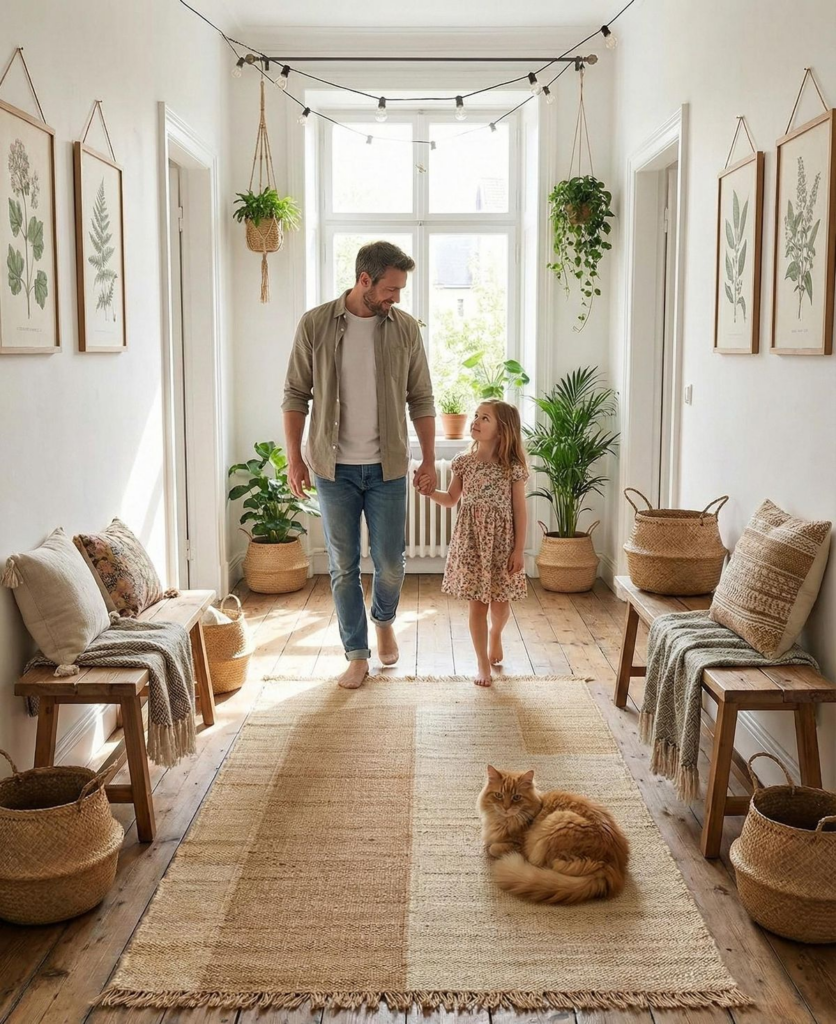
Warm neutrals extend far past beige when thoughtfully combined. Clay, rust, olive, ochre, and muted terracotta introduce richness while staying grounded. These tones feel especially appropriate in entryways, where first impressions matter. Balance comes from distributing color across walls, textiles, and accessories rather than concentrating it in one place. Matte finishes help earth tones feel natural rather than heavy. Pair deeper shades with lighter companions to maintain brightness. Wood undertones should align, avoiding clashes between red and gray bases. Subtle variation keeps the palette engaging without overwhelming the space. Earth tones also hide wear well, making them practical for busy households. This color strategy supports a collected look that evolves easily over time. Seasonal accents blend seamlessly, whether through greenery or ceramics. Avoid stark white, which can feel disconnected from the palette. Instead, opt for warm off-whites that bridge tones smoothly. Earth-forward layering brings depth, warmth, and longevity to boho entryways, moving the look beyond safe neutrals into a more expressive yet balanced direction.
Bench Styling with Purpose

Seating earns its place when function leads the design. Entryway benches should support daily habits like removing shoes or setting bags down. Style follows utility, not the other way around. Choose solid forms that feel stable and grounded. Storage underneath keeps clutter contained without visual chaos. Styling should remain minimal, using one cushion or folded textile rather than multiple accessories. Texture adds interest without sacrificing practicality. Height matters, as benches that sit too low or high disrupt comfort. Placement should respect circulation, leaving clear pathways. Materials like wood, leather, or woven fibers age gracefully with use. Avoid decorative pillows that require constant adjustment. Hooks or shelves nearby support the bench’s role within the entry zone. This setup feels intentional and user-friendly. Lighting should be sufficient for daily tasks without spotlighting the bench excessively. When styled with purpose, seating becomes an anchor rather than an accessory. Thoughtful bench design elevates boho entryways by merging comfort, function, and understated style into one cohesive element.
Organic Wall Hooks as Art

Wall hooks can operate as sculpture when chosen carefully. Hand-carved wood, ceramic forms, or stone pegs bring visual interest while serving a clear function. Irregular shapes feel more authentic than uniform sets. Spacing matters, as negative space between hooks allows each piece to stand out. Grouping them thoughtfully creates rhythm without clutter. This approach eliminates the need for additional wall décor. Natural finishes reinforce the boho ethos and age beautifully. Hooks should feel sturdy, supporting coats and bags without bending. Placement at varied heights adds organic movement. Avoid overly decorative motifs that feel themed. Instead, let material and form do the work. Hooks as art support daily routines while maintaining visual calm. This dual-purpose strategy keeps entryways efficient and expressive. Lighting can cast subtle shadows, enhancing texture. Organic hooks prove that practical elements can carry aesthetic weight, reinforcing the idea that elevated boho design values craftsmanship, simplicity, and honest materials over excess decoration.
Natural Light Amplification Setup
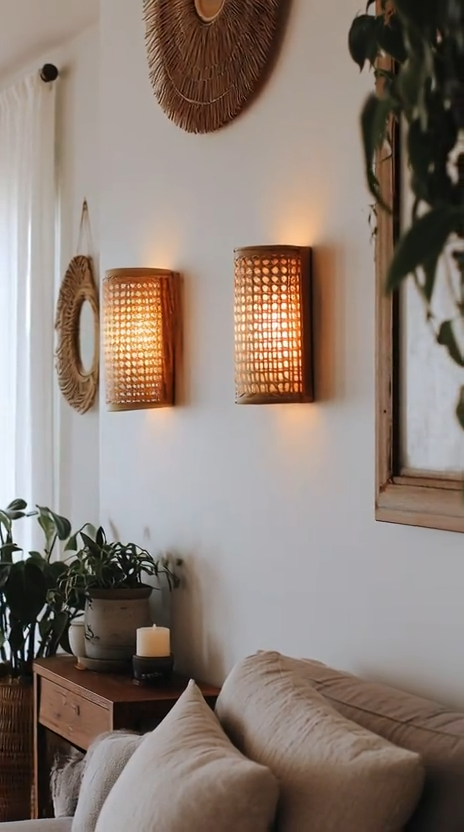
Light shapes perception more than any accessory. Maximizing existing daylight makes entryways feel larger and calmer. Reflective surfaces, pale walls, and strategic mirror placement bounce light deeper into the space. Window treatments should remain minimal, using sheer fabrics or none at all. Furniture placement must avoid blocking light paths. Warm-toned finishes prevent glare while maintaining brightness. Artificial lighting should support daylight rather than compete with it. Layered sources create consistency from day to night. Clean sightlines help light travel freely. Plants positioned near light sources reinforce a natural feel. Avoid dark ceilings, which absorb brightness. This setup improves mood and functionality instantly. Light-forward entryways photograph better and feel more inviting. Amplifying natural light requires observation rather than expense. Small adjustments often yield significant results. When daylight becomes a design partner, boho entryways gain clarity, warmth, and a sense of openness that elevates the entire home experience.
Handmade Accent Priority Rule

Handcrafted pieces introduce soul into transitional spaces. Prioritizing handmade accents over mass-produced décor shifts the entryway toward authenticity. One well-made object often carries more impact than several generic ones. Ceramics, woven trays, or carved bowls add character through subtle irregularities. Placement should highlight craftsmanship rather than hide it. Avoid overcrowding, as handmade items deserve space. Supporting artisans aligns with sustainable values and enriches storytelling. These accents age gracefully, developing patina rather than wearing out. Color palettes should remain restrained to let texture shine. Handmade does not mean rustic; refined pieces exist across styles. Mixing origins feels collected rather than curated. This rule encourages slower, more intentional decorating decisions. Over time, entryways evolve organically as new pieces join old ones. Prioritizing craftsmanship elevates boho design beyond trend-driven styling, grounding the space in meaning, longevity, and human touch.
Textile-Forward Entry Rugs

Rugs anchor entryways both visually and functionally. Textile-forward choices emphasize pattern, weave, and material rather than bold color alone. Flatweaves, kilims, and low-pile wool rugs suit high-traffic zones while adding softness underfoot. Scale matters, as undersized rugs feel accidental. Patterns should feel global and timeworn rather than graphic. Natural fibers perform well and align with boho values. Layering is optional but not required when the rug carries presence. Color palettes should echo surrounding materials for cohesion. Durability remains essential, so avoid delicate weaves in busy households. Regular rotation extends lifespan. Rugs also define boundaries, signaling transition from exterior to interior. A strong textile foundation supports simpler furniture and décor. When rugs lead the design, entryways feel grounded, welcoming, and thoughtfully composed.