
Flowers play a powerful role in vegetable gardens, not just for their beauty but for the functional benefits they provide. Many blooms naturally attract pollinators, encourage higher yields, and even deter harmful pests, creating a healthier growing environment. Companion planting with the right flowers can reduce the need for chemical solutions while fostering biodiversity that supports long-term soil health. From vibrant marigolds to fragrant nasturtiums, certain choices blend seamlessly with edible crops while boosting productivity. This guide highlights the best flowers that perfectly complement your vegetable garden, offering practical solutions to enhance growth, balance ecosystems, and enrich your harvest.
Marigolds
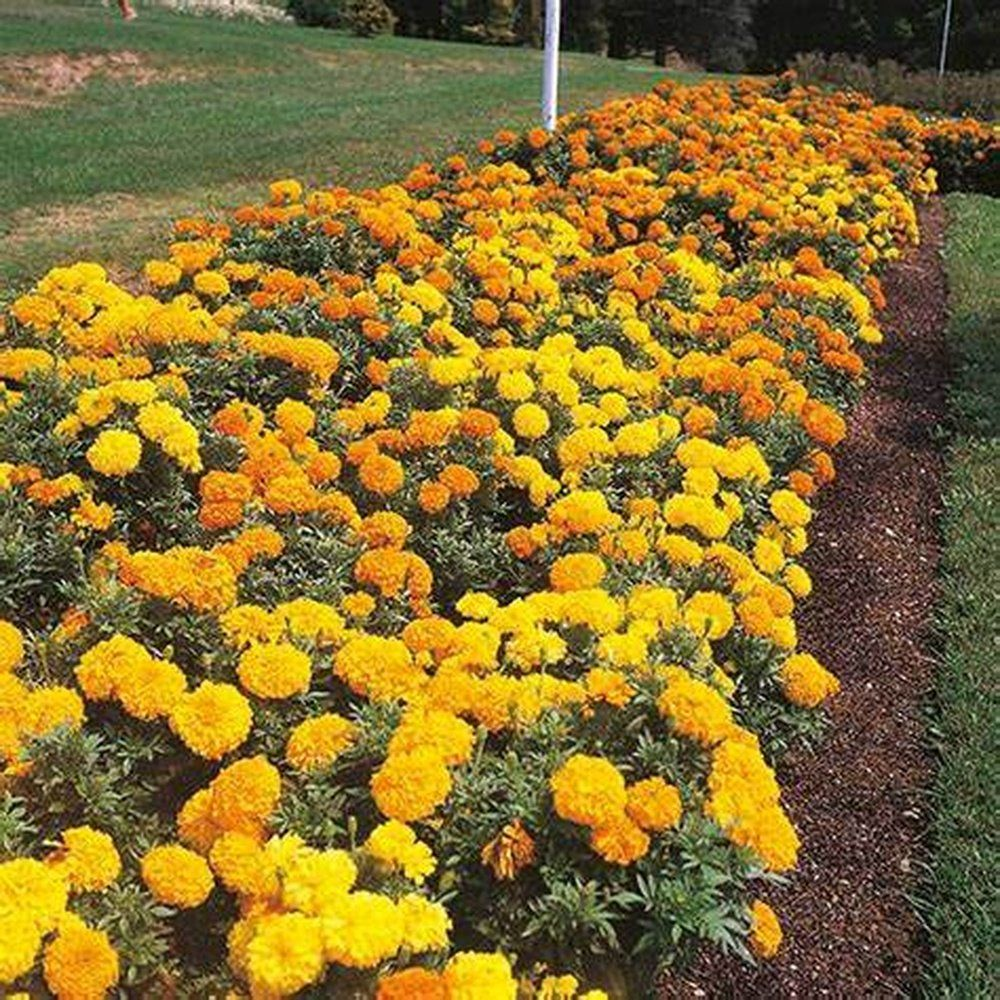
Bright golden blooms are more than ornamental—they are reliable defenders against pests like nematodes, whiteflies, and aphids. Their strong scent masks vegetable aromas, confusing insects and reducing infestations naturally. French marigolds in particular release compounds into the soil that suppress root-knot nematodes, protecting tomatoes, peppers, and beans. Beyond their pest-fighting abilities, they provide nectar and pollen for bees, butterflies, and other beneficial pollinators that boost vegetable yields. Marigolds thrive in full sun and adapt well to many soil types, making them low-maintenance companions. Regular deadheading prolongs flowering, ensuring season-long benefits in the garden. Their compact growth habit also makes them easy to border around beds or interplant between rows without overcrowding. Gardeners appreciate how these flowers create vibrant splashes of orange and yellow while serving a functional purpose in organic gardening. When placed near tomatoes, marigolds discourage tomato hornworms and enhance fruit health. Their versatility extends to pots and raised beds, offering flexible placement options for any garden style. By combining ornamental value with pest deterrence and pollinator support, marigolds remain one of the most trusted and practical companion plants. Few flowers match their ability to protect crops while adding brilliant color throughout the growing season.
Sunflowers
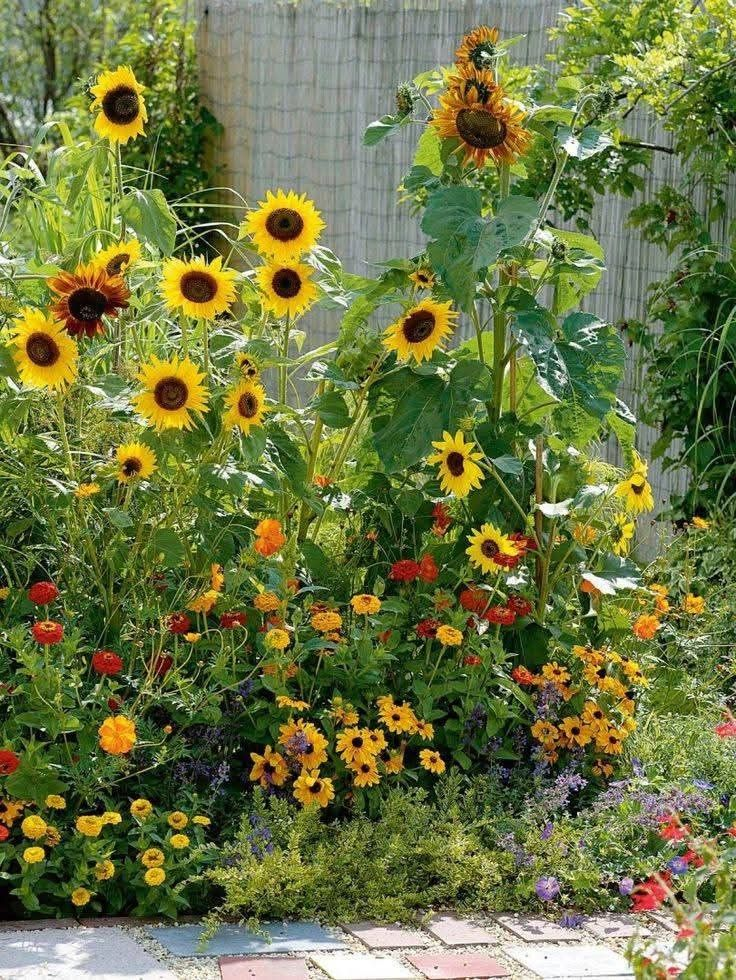
Towering stalks provide more than cheerful scenery—they act as natural trellises and shade providers for climbing crops like beans and cucumbers. Their deep roots improve soil structure by breaking up compacted ground and pulling nutrients from deep layers, which gradually enriches surrounding vegetables. Sunflowers also attract bees, butterflies, and hoverflies, ensuring better pollination of squash, cucumbers, and melons. Birds flock to their seeds, which can divert them from nibbling at more delicate crops. At the same time, sunflowers create windbreaks that shield smaller vegetables from harsh gusts, reducing stress and damage. Planting them along garden edges adds structure, creates microclimates, and gives climbing plants vertical support. While their strong presence is beneficial, it’s best to avoid placing them too close to potatoes due to possible allelopathic effects. Sunflowers adapt well to different soils and thrive in full sun with minimal care, rewarding gardeners with vibrant blooms followed by seed heads. As they mature, their towering presence offers both ecological and practical support in a mixed planting system. Their beauty makes them favorites for cut flowers, while their ecological role ensures they remain indispensable allies in vegetable gardening. Sunflowers bring productivity, pollination, and protection together in one tall, striking package.
Zinnias
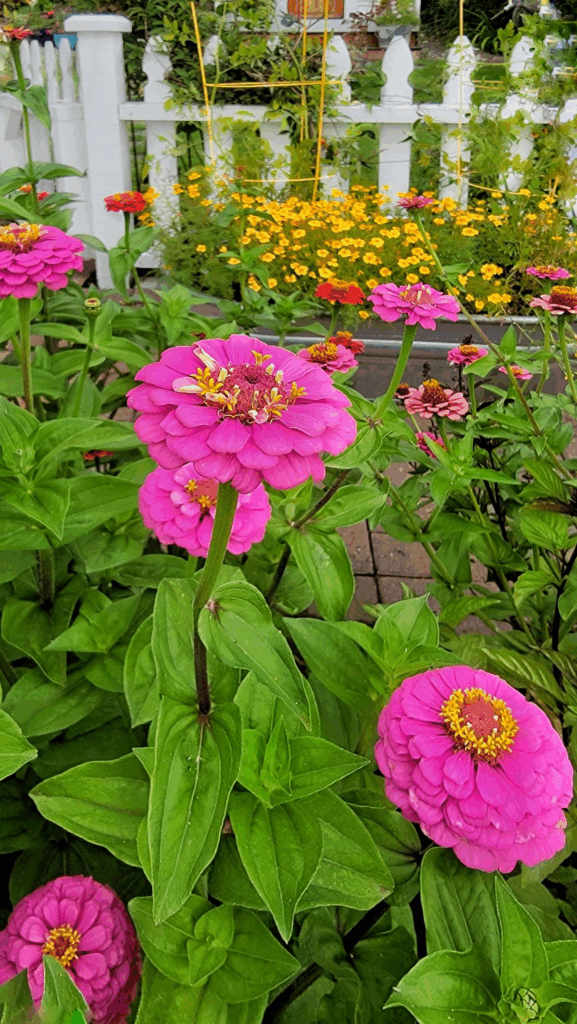
Gardeners looking for long-lasting blooms will find zinnias invaluable companions. Their vivid flowers continuously attract butterflies, bees, and hoverflies throughout summer, ensuring steady pollination across nearby vegetable beds. Unlike some ornamentals, zinnias are heat- and drought-tolerant once established, making them easy-care additions even in demanding conditions. Their upright habit means they don’t sprawl across vegetables, instead filling vertical space elegantly. Zinnias are particularly effective in drawing in beneficial insects that prey on common pests like aphids and whiteflies. Ladybugs and lacewings are frequently seen visiting these flowers, which helps maintain ecological balance without chemical sprays. With their wide color palette, they also provide cheerful accents between vegetable rows, turning utilitarian spaces into vibrant displays. Regular deadheading ensures a continuous flush of blooms until frost, keeping both aesthetics and pollinator support strong. Because they germinate quickly, zinnias are excellent for succession planting, fitting neatly into seasonal crop rotations. Their resilience makes them ideal partners for beans, squash, tomatoes, and leafy greens. Whether in borders, interplanted patches, or container gardens, zinnias serve both functional and ornamental roles. Their ability to combine pest support, pollinator attraction, and reliable beauty secures their place as a go-to companion for productive vegetable gardens.
Nasturtiums
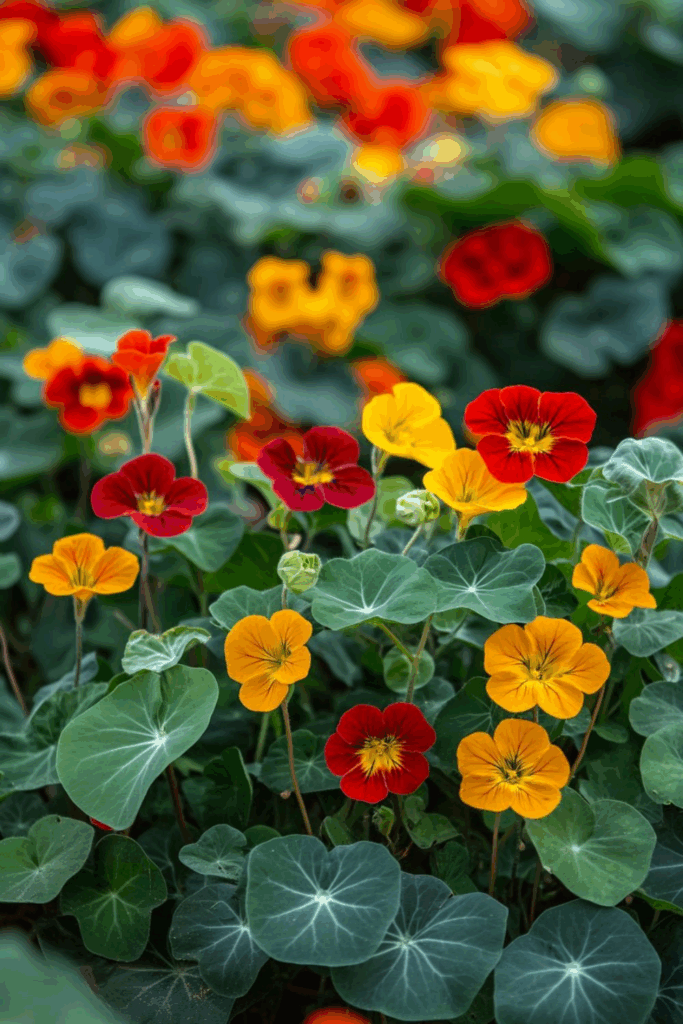
Trailing vines dotted with edible blossoms offer more than colorful beauty—they function as a living trap crop. Aphids, flea beetles, and whiteflies are naturally drawn to nasturtiums, diverting pests from prized vegetables like cabbages, broccoli, and cucumbers. Gardeners often notice how these flowers reduce insect pressure on brassicas while continuing to thrive despite being nibbled themselves. Their peppery leaves and vibrant blooms are edible, making them useful for salads and garnishes while still contributing to pest control. Nasturtiums sprawl generously, covering bare soil and suppressing weeds while maintaining soil moisture. They grow well in poorer soils where other plants struggle, requiring minimal fertilizer to flourish. Climbing varieties can be trained up trellises, creating vertical color while shielding vegetables from harsh sunlight. Their bright orange, yellow, and red blossoms draw pollinators like bumblebees, which improves yields in cucumbers, squash, and zucchini. Beyond functional roles, nasturtiums add charm and whimsy to garden beds and borders, creating a cottage-garden appeal around vegetables. Their adaptability makes them suitable for containers, raised beds, or as groundcover companions. Few flowers offer such a blend of edible utility, pest diversion, and vibrant ornamentation. By planting nasturtiums, gardeners gain both protection and beauty for their vegetable crops.
Lavender
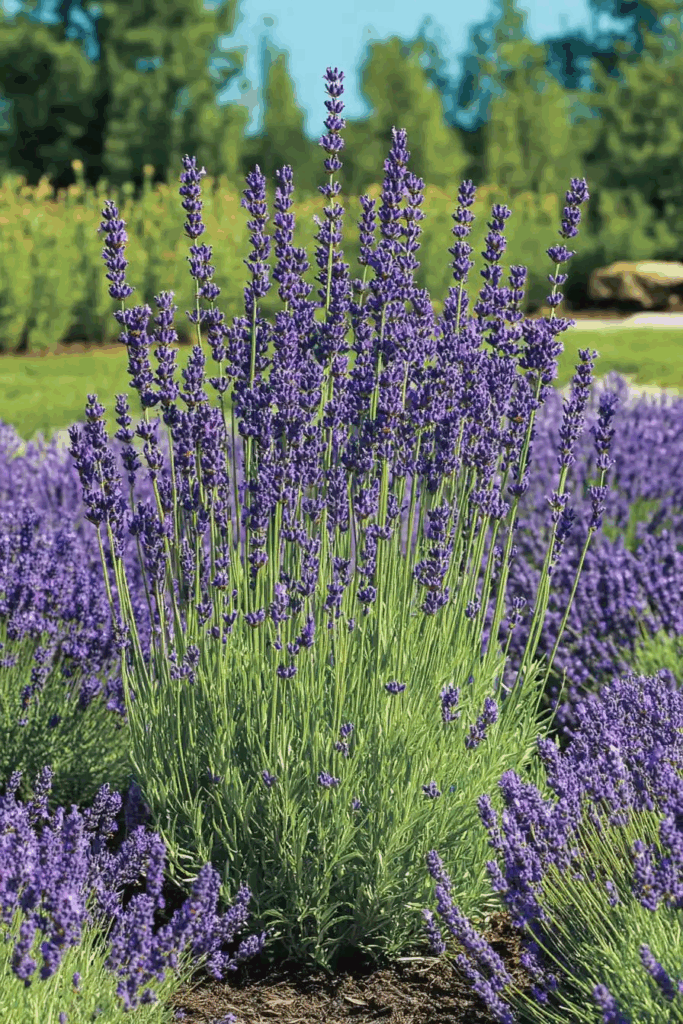
Fragrant spikes lend more than aroma—they create a pollinator haven that boosts vegetable production. Bees and butterflies flock to lavender, improving yields of crops like peppers, cucumbers, and squash. At the same time, the strong fragrance deters deer, rabbits, and certain insects that might otherwise damage tender vegetables. Lavender’s woody perennial nature makes it a reliable border plant, marking the edges of garden beds while acting as a natural insect deterrent. Its drought tolerance and love of full sun make it particularly suited for low-maintenance gardens. Once established, lavender requires minimal watering, conserving resources while supporting pollinators. Companion planting near carrots, lettuce, and leeks helps protect these crops by confusing pests with strong aromatic oils. Its evergreen foliage offers structure year-round, even when not in bloom. Harvested flowers also provide additional uses in culinary dishes, teas, or sachets, adding value beyond the garden. Lavender thrives in well-drained soil and benefits from annual pruning to maintain shape and vigor. Its dual role as a pollinator magnet and natural repellent makes it indispensable for eco-friendly vegetable gardens. With resilience, beauty, and utility, lavender transforms functional plots into fragrant sanctuaries while safeguarding crops.
Borage
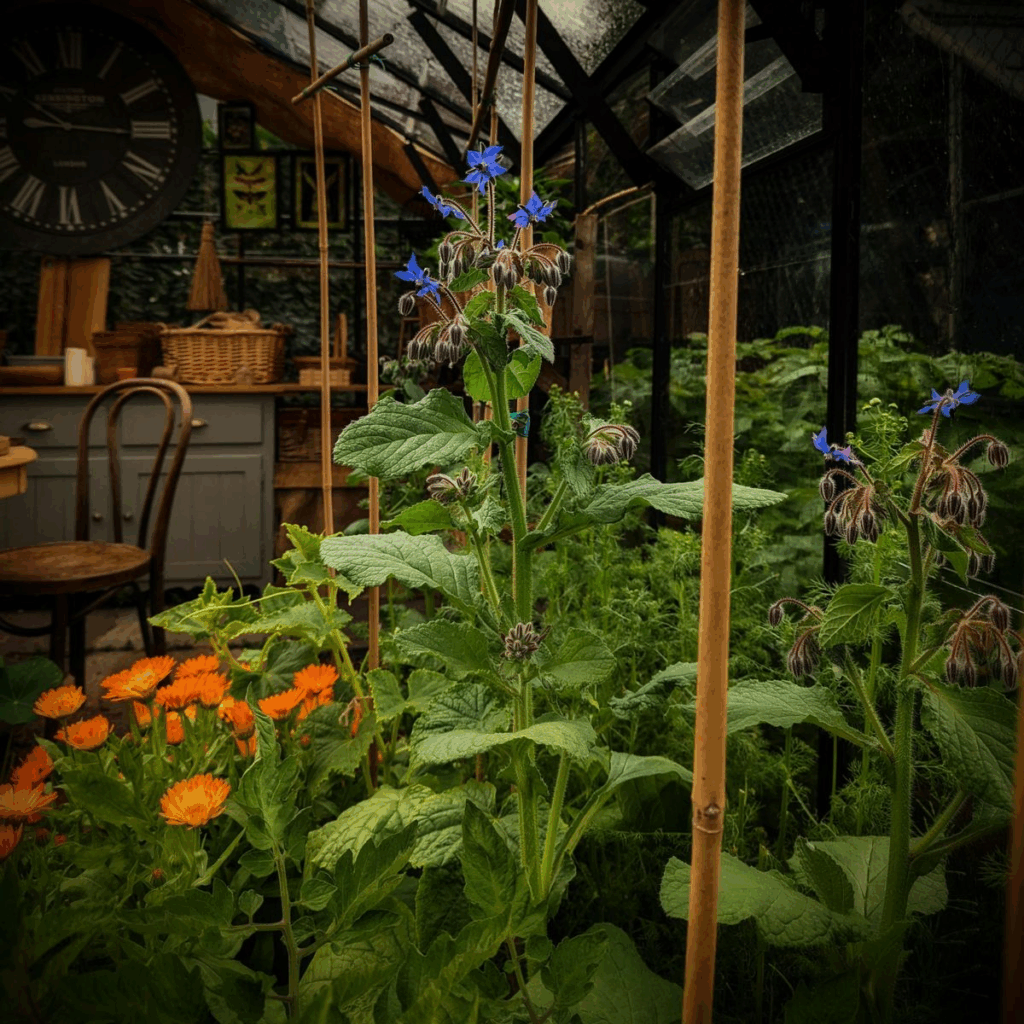
Star-shaped blue blossoms serve a multifunctional role in vegetable gardens. Borage is famed for attracting pollinators like bees, which are crucial for fruiting vegetables such as tomatoes, cucumbers, and squash. Its flowers also appeal to beneficial insects including predatory wasps and hoverflies, helping reduce caterpillar and aphid populations naturally. The plant itself improves soil health by accumulating minerals like potassium and calcium, which return to the soil when borage is used as green manure. Gardeners often notice how nearby strawberries thrive when paired with borage, as pollination and fruit quality both improve significantly. Its edible flowers and leaves add culinary versatility, offering cucumber-like flavors in salads or drinks. The plant grows vigorously, often self-seeding for future seasons, making it a long-term investment in garden ecosystems. Its lush, fuzzy foliage shades the soil, helping retain moisture and reduce weed competition around vegetables. Though large in habit, it blends well along borders or between taller vegetable crops. By serving as a pollinator magnet, soil enhancer, and natural pest support, borage delivers wide-reaching benefits for sustainable gardening. Its beauty and resilience ensure it remains a favorite among companion plant enthusiasts. Few flowers rival its ecological value in boosting vegetable productivity naturally.
Cosmos
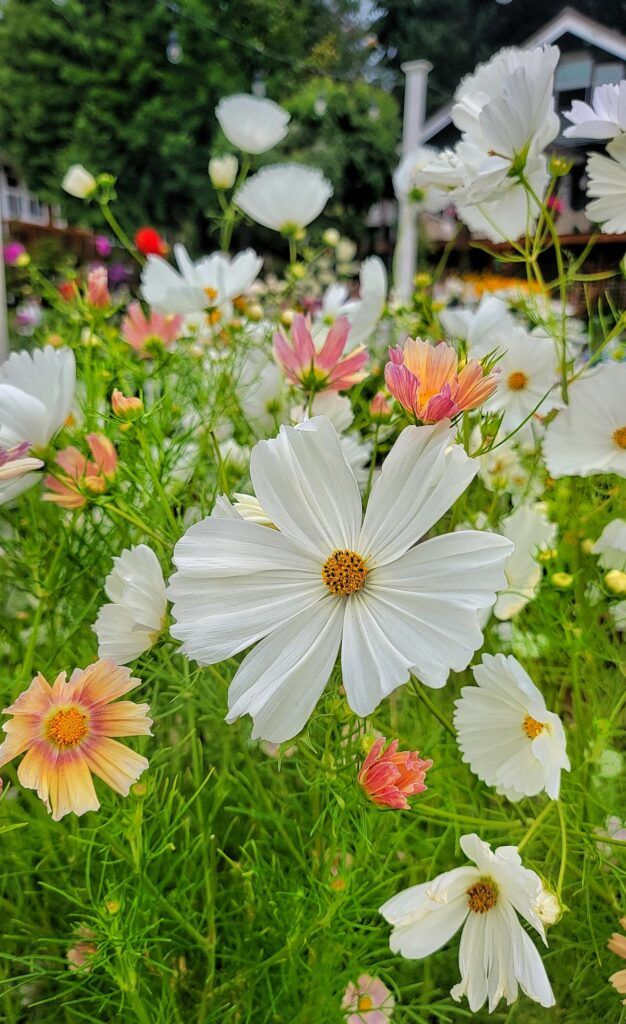
Airy stems topped with daisy-like blooms bring continuous color and ecological function throughout the growing season. Cosmos attract bees, butterflies, and hoverflies, providing nectar that ensures steady pollination of nearby vegetables. These flowers also draw predatory insects such as tachinid flies and parasitic wasps, which help control caterpillars, leaf miners, and aphids. Their tall, slender growth habit makes them excellent background fillers in vegetable beds, offering visual height without shading crops excessively. Cosmos thrive in poor soils, often blooming more prolifically when not over-fertilized, which suits organic gardening principles perfectly. They are drought-tolerant once established and require little care beyond occasional deadheading to prolong flowering. Their ability to self-seed means they return each year in many gardens, continually supporting biodiversity. Planting cosmos alongside beans, cucumbers, or squash increases pollination rates and enhances vegetable yields. Their wide color range, from pinks and purples to whites, adds ornamental charm while keeping the garden productive. Even in windy conditions, their flexible stems withstand stress without breaking easily. Gardeners value cosmos for their simplicity, resilience, and pollinator support. They transform functional vegetable plots into living meadows while improving crop health naturally. Cosmos truly blend beauty with practical companion planting benefits.
Sage
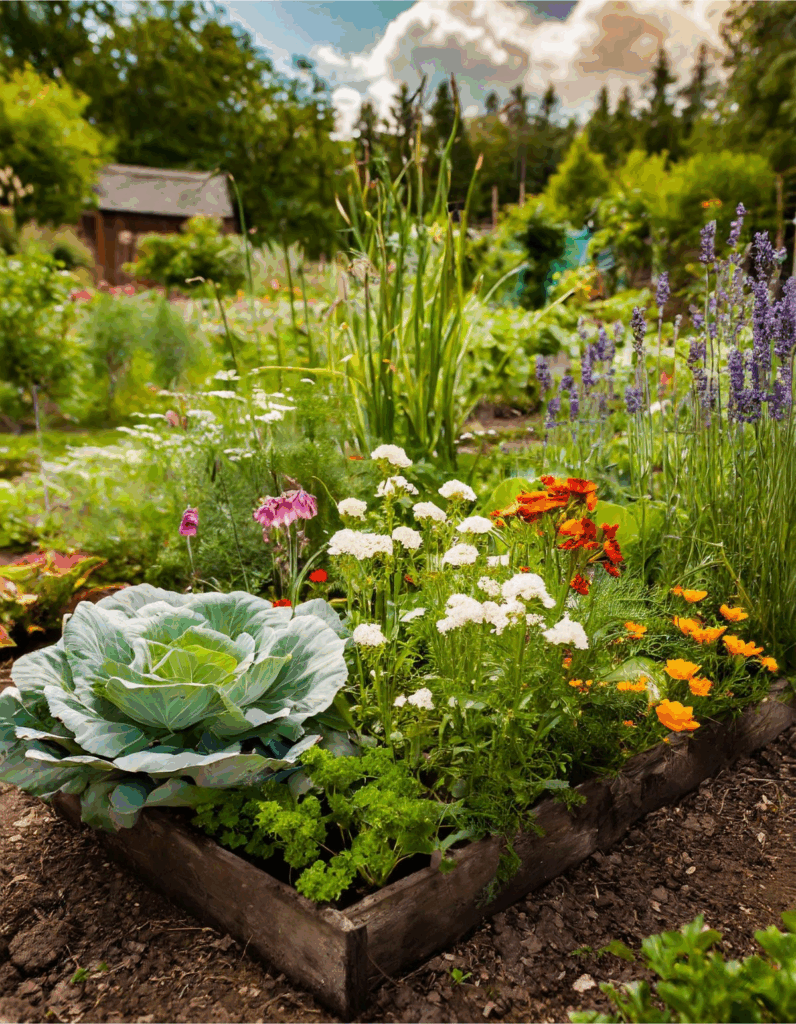
Woody stems lined with gray-green leaves hold value far beyond culinary uses. Sage’s strong fragrance repels pests like carrot flies, cabbage moths, and beetles, helping safeguard vulnerable vegetables. Its nectar-rich blossoms attract bees, butterflies, and hoverflies, ensuring better pollination across the garden. Sage’s perennial nature makes it a consistent companion year after year, forming reliable clumps that also offer ornamental beauty. When planted near carrots or brassicas, it confuses pests with its aromatic oils, reducing infestations naturally. The plant thrives in sunny, well-drained areas and is tolerant of drought, making it low maintenance. Harvested leaves double as seasoning in kitchens, extending its usefulness beyond the garden bed. Its silvery foliage creates visual contrast, complementing both vegetables and other herbs in mixed plantings. Companion planting with rosemary or thyme further strengthens pest deterrence while enriching the herbal diversity of the garden. While sage pairs well with many vegetables, it should be kept away from cucumbers due to growth-inhibiting effects. Annual pruning encourages fresh growth and prolongs plant life. With its blend of pest resistance, pollinator attraction, and culinary versatility, sage proves itself as both a practical and decorative partner in vegetable gardens.
Salvia
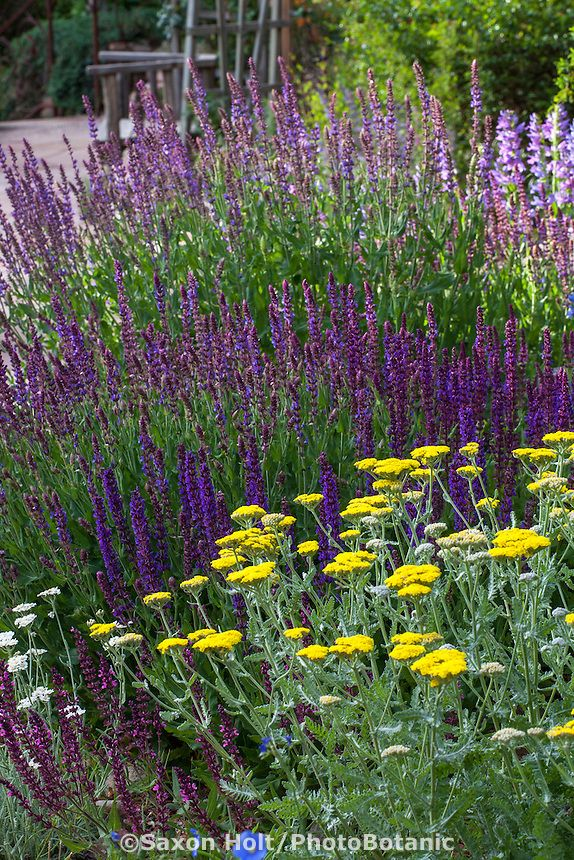
Vibrant spikes in shades of red, blue, and purple stand out not only for beauty but also for ecological support. Salvia is highly attractive to hummingbirds, bees, and butterflies, ensuring pollination services that enhance vegetable yields. Its aromatic foliage helps deter deer and rabbits, protecting surrounding crops naturally. The plant thrives in full sun and adapts well to drought, making it suitable for low-maintenance gardens. Perennial varieties return year after year, providing long-term pollinator support while reducing replanting efforts. Salvia’s upright habit makes it ideal for bordering vegetable beds, offering structure without crowding crops. Beyond aesthetics, its continuous blooms ensure nectar availability through long growing seasons. Gardeners often use salvia near peppers, cucumbers, and tomatoes to maximize pollination opportunities. Its strong stems withstand heat and wind, maintaining presence even in tough climates. Deadheading faded blooms keeps plants productive and tidy. Different cultivars expand the color palette, offering flexibility in design while maintaining function. With its combination of beauty, resilience, and ecological service, salvia is more than just a flowering accent. It is a hardworking companion plant that safeguards and supports vegetables naturally. Its dual role ensures practical value alongside ornamental elegance.
Queen Anne’s Lace / Dill / Fennel
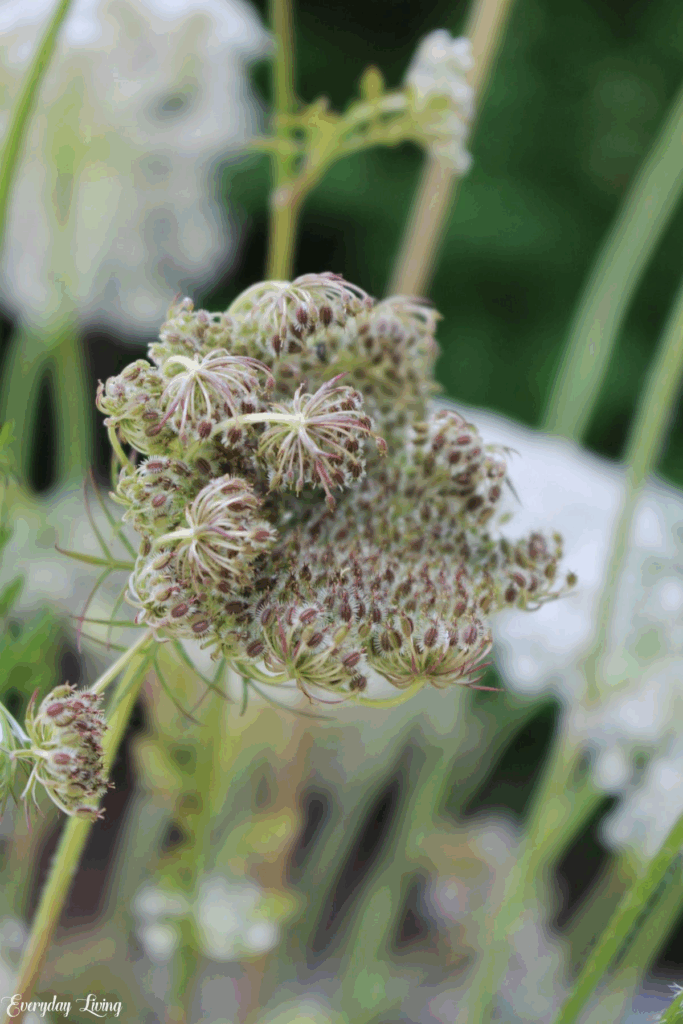
Clusters of umbrella-shaped flowers are magnets for beneficial insects essential to healthy vegetable gardens. Dill, fennel, and Queen Anne’s lace all belong to the carrot family, producing blooms that attract lacewings, parasitic wasps, hoverflies, and lady beetles. These predators feed on aphids, caterpillars, and mites, keeping pest populations in check without chemicals. Beyond ecological benefits, dill and fennel are culinary staples, offering fresh herbs and seeds for cooking. Their feathery foliage adds textural contrast among vegetables, while their tall stems create vertical interest in planting schemes. Dill pairs especially well with cucumbers, promoting stronger growth and enhancing flavor. Fennel, however, should be planted carefully, as it can inhibit some crops like beans. Queen Anne’s lace, often mistaken for wild carrot, provides continuous nectar throughout summer, ensuring a steady presence of beneficial insects. These plants thrive in full sun and well-drained soil, requiring minimal attention once established. Self-seeding habits mean they often return yearly, reinforcing natural pest control systems. Their presence boosts biodiversity, resilience, and garden health. By attracting natural predators while offering culinary value, this group of plants plays a vital role in integrated companion planting strategies for vegetables.
Petunias
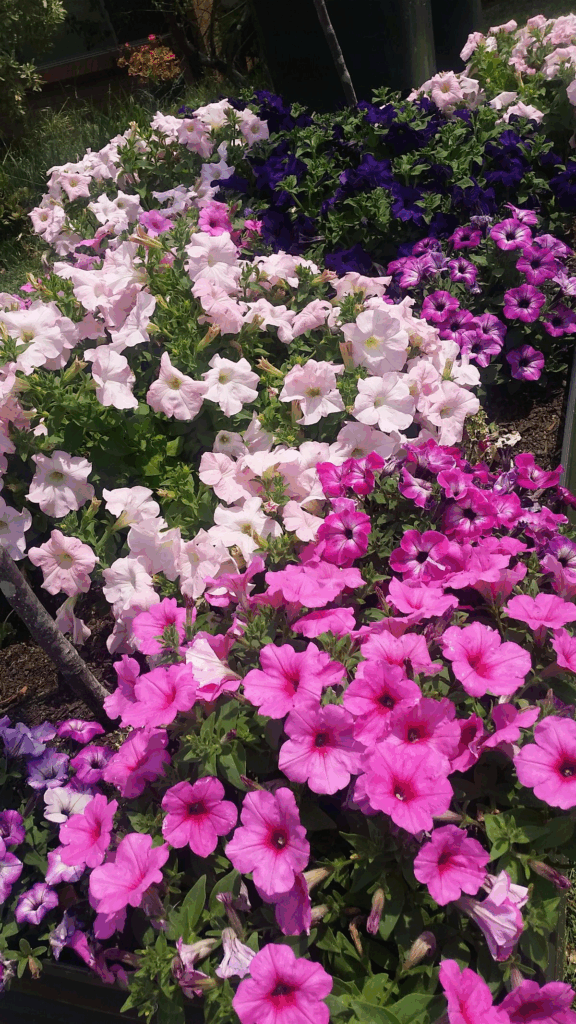
Trumpet-shaped blossoms brighten borders while performing important pest control duties. Petunias naturally repel tomato hornworms, aphids, leafhoppers, and squash bugs, making them excellent allies for vegetable growers. Their scent and sticky foliage act as deterrents, reducing pest damage without chemicals. Petunias are easy to grow in beds, containers, or hanging baskets, adapting to many garden styles. Their low, mounding habit makes them ideal for edging vegetable plots, where they protect crops while adding vibrant color. Continuous flowering ensures they provide season-long visual appeal and pollinator support. Deadheading faded blooms encourages new growth, keeping displays lush. Petunias pair especially well with tomatoes, peppers, and beans, where they deter pests while promoting healthy growth. They thrive in full sun and prefer well-drained soil, rewarding gardeners with low-maintenance performance. With a wide range of colors and forms, they can be used creatively to enhance garden design. Resistant to many common garden issues, they are hardy performers even in challenging conditions. Petunias provide a perfect balance of function and beauty, offering both pest defense and ornamental value. By including them in vegetable gardens, growers enjoy healthier crops and more colorful landscapes simultaneously.
Violas / Pansies / Snapdragons
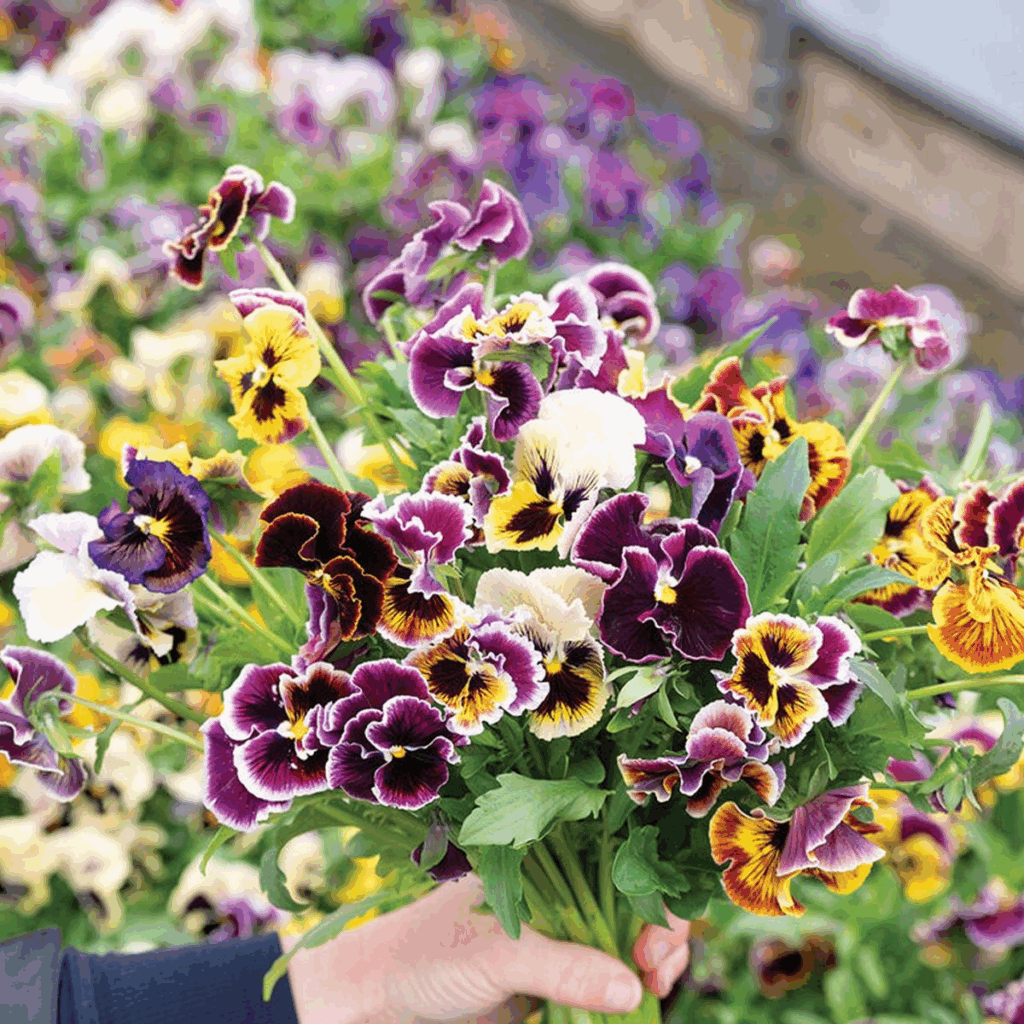
Cool-season blooms offer color and ecological function at times when many other flowers are dormant. Violas and pansies bring early spring and fall cheer while supporting bees during transitional seasons. Snapdragons add vertical spikes of nectar-rich blossoms that attract pollinators throughout warmer months. These flowers provide food for beneficial insects when vegetable crops are still young, ensuring early pollination. Their compact growth makes them suitable for borders, containers, and interplanting within vegetable beds. Snapdragons, in particular, attract bumblebees that improve yields of beans, squash, and peppers. Violas and pansies are resilient in cooler weather, extending the garden’s productivity window. Their presence reduces gaps in pollinator resources, strengthening biodiversity year-round. Beyond ecological roles, these flowers offer ornamental richness with diverse colors and patterns. Easy to grow from seed or nursery starts, they suit both beginner and experienced gardeners. By filling seasonal niches, they ensure continuous pollinator support from spring through fall. This trio blends ornamental beauty with ecological reliability, making them versatile companions for vegetable gardens. Whether brightening early beds or extending blooms into autumn, violas, pansies, and snapdragons provide lasting benefits for crops and landscapes alike.