
Potted flowers bring instant charm and versatility to any home or garden, offering vibrant color and texture without the need for extensive landscaping. They are perfect for small patios, balconies, entryways, or as accents in larger outdoor spaces, making them a practical choice for gardeners of all levels. With the right combinations, containers can bloom across seasons, providing year-round interest and beauty. Beyond aesthetics, many potted varieties thrive with minimal maintenance, making them both convenient and rewarding. This guide highlights beautiful potted flowers that enhance curb appeal, brighten living spaces, and create inviting, nature-inspired atmospheres indoors and outdoors.
Limelight Prime Hydrangea
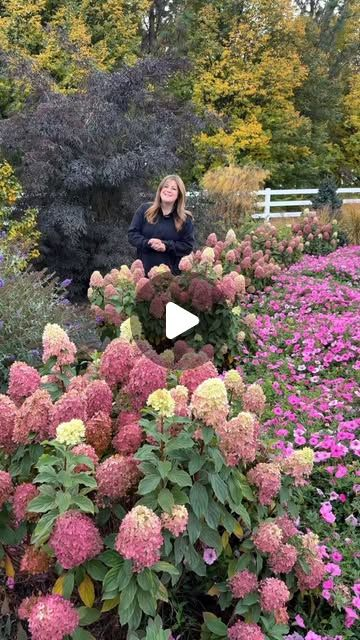
Gardeners looking for statement blooms in pots often gravitate toward Limelight Prime Hydrangea for its bold lime-green flowers that gradually soften to shades of blush and cream as the season progresses. This newer cultivar offers stronger stems compared to older hydrangeas, making it well-suited for container planting without the worry of flopping under the weight of blossoms. Compact in size, usually maturing around four to five feet, it fits comfortably in large decorative pots placed on patios, terraces, or entryways. Full to partial sun exposure ensures the strongest color development, while well-draining soil enriched with compost supports steady growth. Regular watering is important since hydrangeas are thirsty plants, but containers should never remain waterlogged. The versatility of Limelight Prime allows it to serve as a focal centerpiece in modern and traditional garden settings alike. Pruning in late winter or early spring encourages vigorous blooming and keeps the plant’s form tidy. Its prolonged flowering period from midsummer into fall ensures months of vibrant interest, while the blooms can be cut for fresh arrangements or dried for long-lasting décor. When displayed in a stylish pot, this hydrangea brings professional-looking results with relatively easy maintenance.
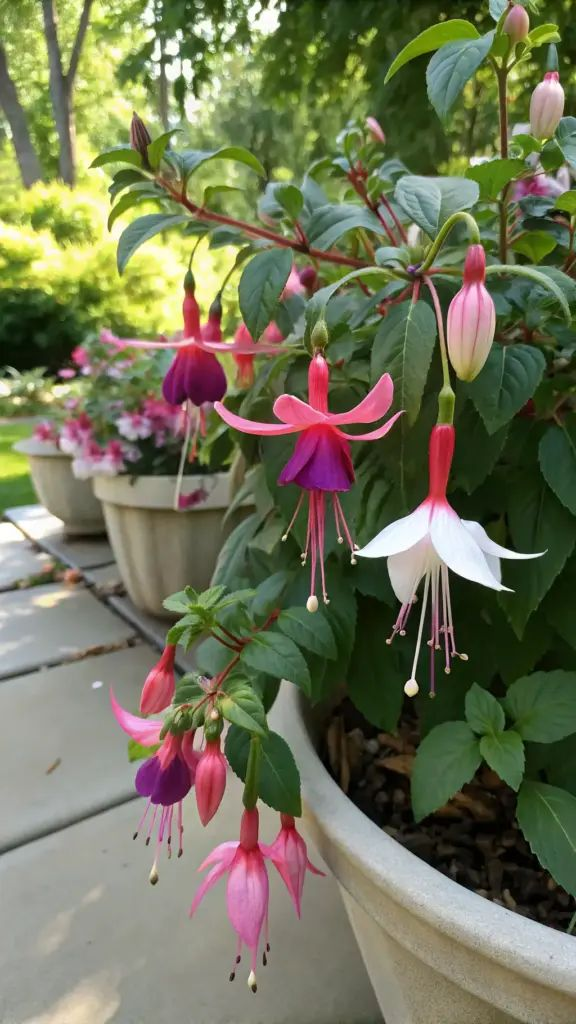
Vibrant cascading flowers make trailing fuchsia varieties a top choice for hanging baskets and decorative pots. Their pendulous blooms, often in striking combinations of pink, purple, and white, create a waterfall effect that brightens porches and shaded garden corners. These hybrids thrive in cooler conditions with partial to full shade, offering gardeners reliable color where many sun-loving plants may struggle. Moist, humus-rich soil is ideal, along with consistent watering, as fuchsias do not tolerate drought. Feeding every couple of weeks with a balanced liquid fertilizer encourages continuous bud formation, ensuring an impressive display well into autumn. Gardeners often pinch back young shoots early in the season to promote bushier growth and fuller flowering. The trailing types such as ‘Swingtime’ or ‘Marinka’ are especially prized for dramatic hanging baskets that provide visual movement when the blooms sway in the breeze. Their nectar-rich flowers also attract hummingbirds, adding an extra layer of liveliness to outdoor spaces. Because they are sensitive to heat stress, containers should be monitored closely during midsummer, with extra shade or repositioning when needed. With proper care, these trailing beauties deliver an unmatched ornamental cascade that transforms patios and decks into colorful retreats.
Black Angelonia “Moody” Type
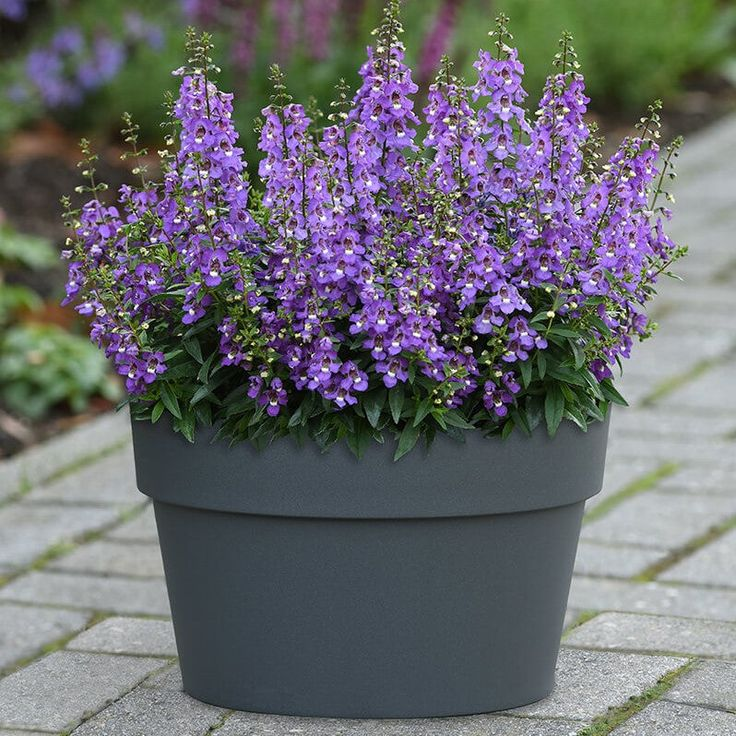
Dark-toned flowers with a velvety finish make Black Angelonia varieties, often referred to as “Moody” types, a standout in modern container gardens. These compact plants produce spikes of nearly black to deep purple blossoms that contrast beautifully against lighter companion flowers or silvery foliage. Angelonia, sometimes called summer snapdragon, thrives in full sun and tolerates hot, humid conditions exceptionally well, making it a dependable performer for potted arrangements throughout summer. Unlike many other annuals, Black Angelonia blooms steadily without requiring constant deadheading, though trimming spent spikes can encourage denser growth. Soil should be well-draining but consistently moist, as this plant dislikes extended dryness. Its upright form, usually reaching around 12 to 18 inches, makes it suitable for middle or back layers in mixed containers, where the dramatic flower spikes provide vertical emphasis. Often paired with trailing plants or bright blooms such as petunias and calibrachoa, the dark Angelonia adds visual depth and sophistication to the overall composition. These varieties are also known for their resilience, handling both heat and sudden rain without losing shape. For gardeners seeking bold, moody color in pots without high maintenance demands, Black Angelonia offers an impressive balance of drama and reliability.
Kimberly Queen Fern
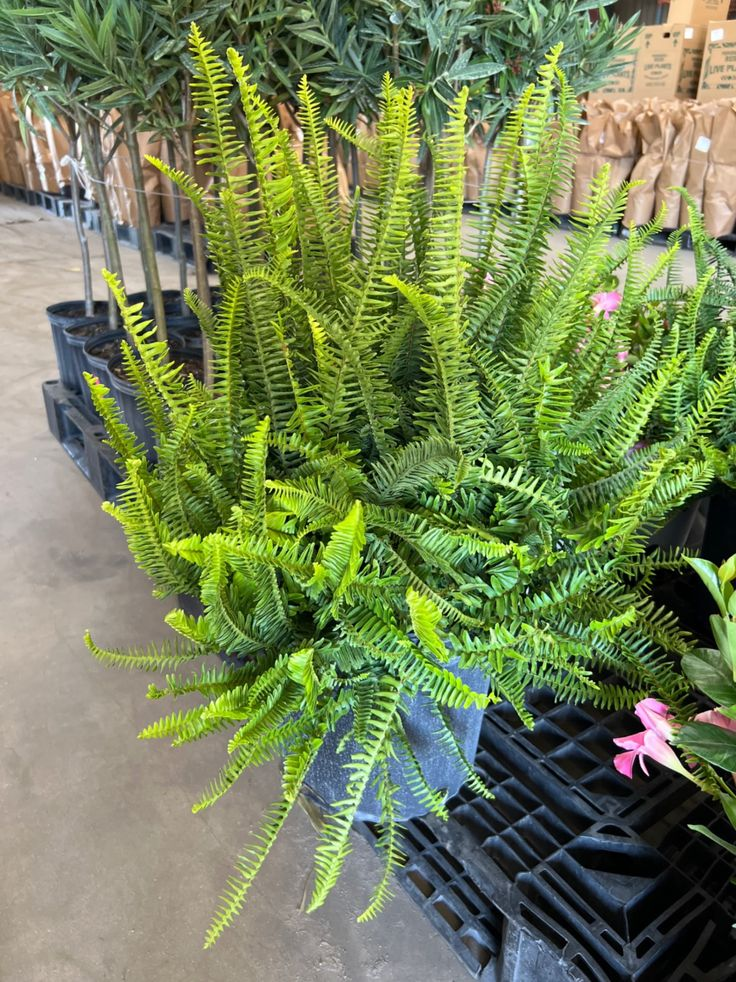
Known for its elegant fronds and robust nature, the Kimberly Queen Fern has become a staple in patios and shaded container gardens. Unlike the Boston fern, which can appear more delicate, Kimberly Queen offers upright growth with sword-shaped fronds that resist tattering in wind or heavy rainfall. This durability makes it particularly well-suited for outdoor potted displays where weather conditions can be unpredictable. Placed in medium to bright indirect light, it maintains lush greenery year-round, though it tolerates some morning sun when grown outdoors. The plant prefers consistently moist soil with good drainage and benefits from high humidity, making it an excellent candidate for shaded porches or covered patios. Fertilizing monthly during active growth seasons supports vibrant foliage and prevents frond yellowing. One of its greatest appeals is its ability to serve as a natural accent in both contemporary and traditional garden styles, providing rich texture rather than flowers. Its dense form also makes it a great choice for creating privacy screens when grouped in large containers. Regular trimming of older fronds keeps the plant tidy and encourages healthy new growth. Kimberly Queen Fern offers long-lasting structure and greenery with minimal fuss, enhancing container gardens in every season.
Kokedama Hanging Blooms
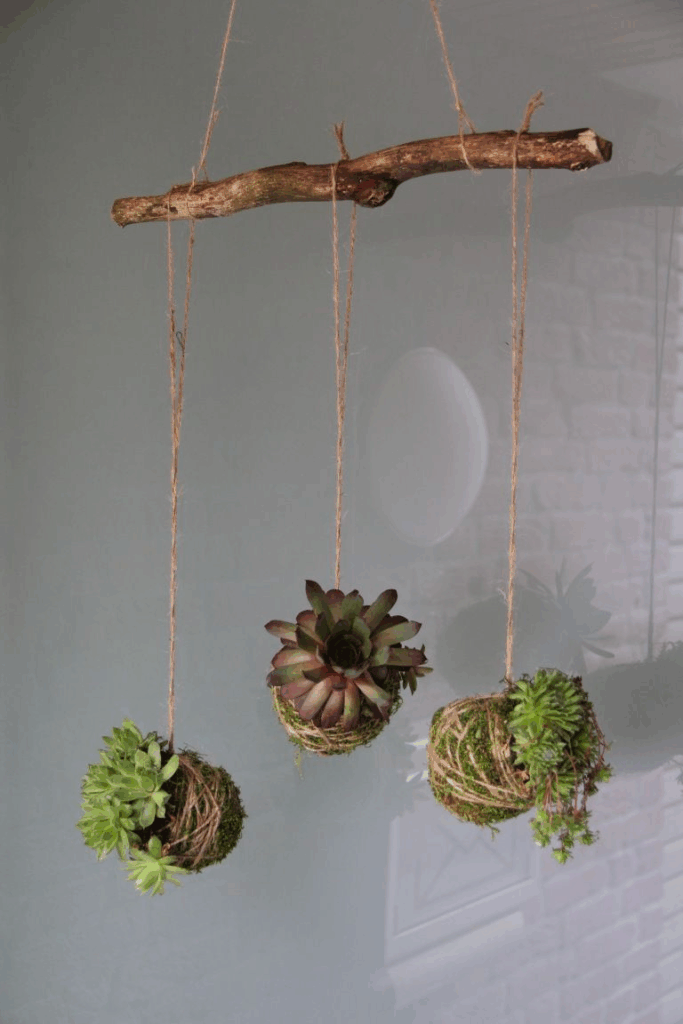
The Japanese art of kokedama, which translates to “moss ball,” offers a unique and visually striking way to display potted flowers. Instead of traditional containers, plants are wrapped in a soil sphere encased with moss and secured with twine, then suspended for a floating effect. Popular choices for kokedama include orchids, ferns, begonias, and colorful trailing flowers that spill elegantly from the moss-wrapped ball. The arrangement creates a naturalistic aesthetic that feels both artistic and organic, making it a centerpiece for indoor spaces, shaded patios, or minimalist garden setups. Proper care involves regular soaking of the moss ball in water until fully saturated, then allowing it to drain before rehanging. Because the soil volume is limited, feeding with diluted liquid fertilizer every couple of weeks ensures the plant receives adequate nutrients. Humidity is beneficial, so misting can help prevent the moss from drying out. The versatility of kokedama allows for clusters hung at varying heights, producing an eye-catching vertical garden. Each ball becomes a living sculpture, blending function with artistry. For those seeking a refreshing alternative to pots, kokedama offers an inventive approach that showcases blooms in a format that is both timeless and modern.
Hanging Amaranthus (“Love-lies-Bleeding”)

Dramatic tassels of crimson or magenta cascading downwards make Hanging Amaranthus, often called “Love-lies-Bleeding,” an unforgettable choice for pots and hanging baskets. Its long, rope-like flowers can trail over two feet, creating a theatrical drape that commands attention. This heirloom annual thrives in full sun and warm conditions, rewarding gardeners with bold growth and abundant blooms throughout summer into early autumn. In pots, it pairs beautifully with upright flowering plants that balance the downward flow of its pendulous tassels. Well-draining soil and consistent moisture keep the plant vigorous, while periodic feeding with balanced fertilizer enhances color intensity. The striking form is often used for ornamental impact in outdoor spaces, wedding décor, or dramatic floral arrangements. Aside from visual appeal, the plant is also historically significant, once valued as a grain crop in ancient civilizations. Its deep red hue symbolizes passion and strength, adding a layer of cultural richness to container gardens. Regular deadheading of faded tassels promotes continuous flowering, while pruning back overgrowth helps maintain container balance. Whether displayed as a solo specimen or combined with contrasting blooms, Hanging Amaranthus delivers unmatched drama and elegance that transforms ordinary spaces into extraordinary displays.
Miniature Mums in Mixed Shades
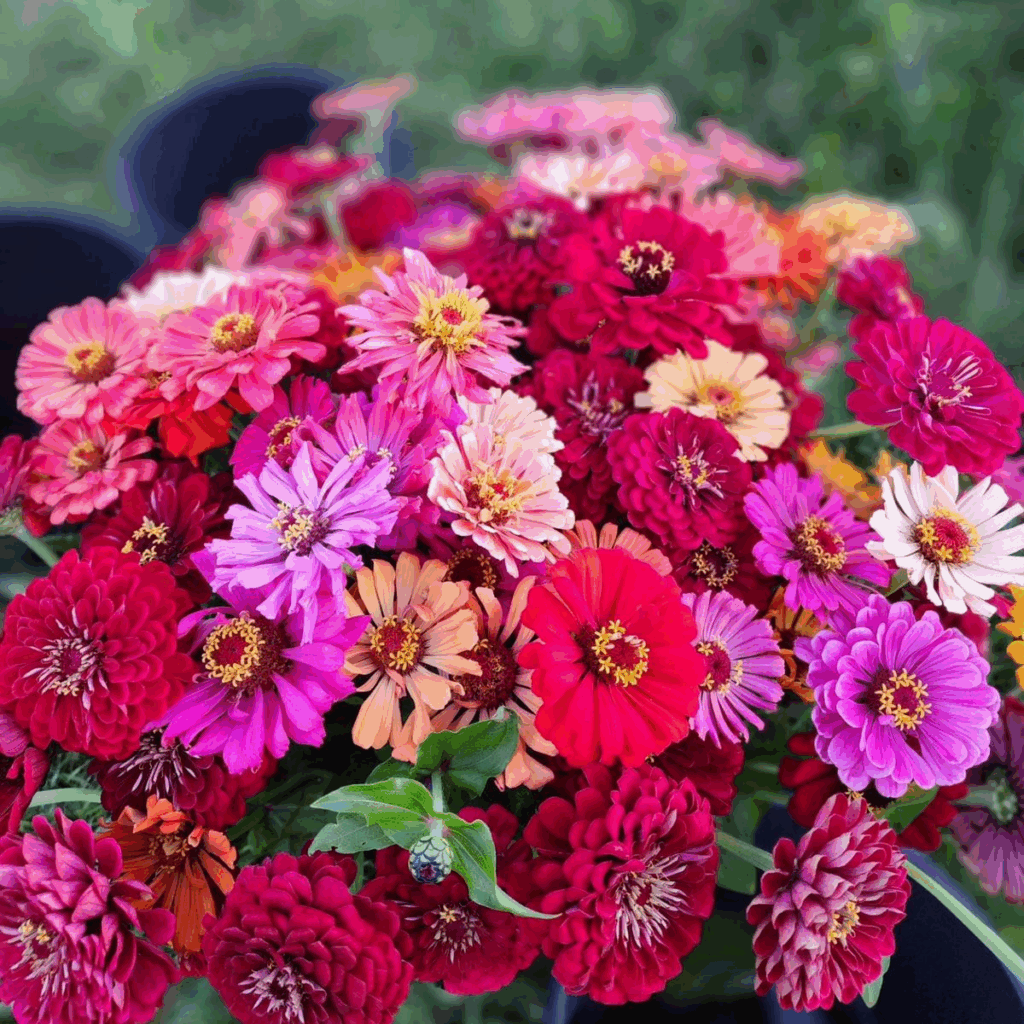
Compact in size yet abundant in blooms, miniature mums are favorites for potted displays that deliver vibrant color late in the gardening season. These chrysanthemums come in an impressive range of shades — from golden yellows and fiery oranges to soft purples and creamy whites — making them ideal for mixing in pots for a cheerful mosaic effect. Their naturally rounded growth habit creates neat, dome-shaped plants that look tidy without constant pruning. Best grown in full sun, miniature mums prefer fertile, well-draining soil and consistent watering, especially when flowering heavily. Pinching back stems early in the growing season encourages fuller plants with more buds, extending the display into autumn. Because they bloom when many summer annuals fade, mums are perfect for refreshing container arrangements and providing seasonal interest through cooler weather. They pair beautifully with ornamental grasses, kale, or pansies in fall-themed pots, offering a festive touch to porches and patios. Their long-lasting flowers also make them excellent for cut arrangements. Gardeners appreciate their resilience, as they tolerate cooler nights better than many other annuals. For impactful color late in the year, miniature mums remain one of the most dependable and versatile potted flowers.
Lavender “Lavender Girl” Aesthetic Pots
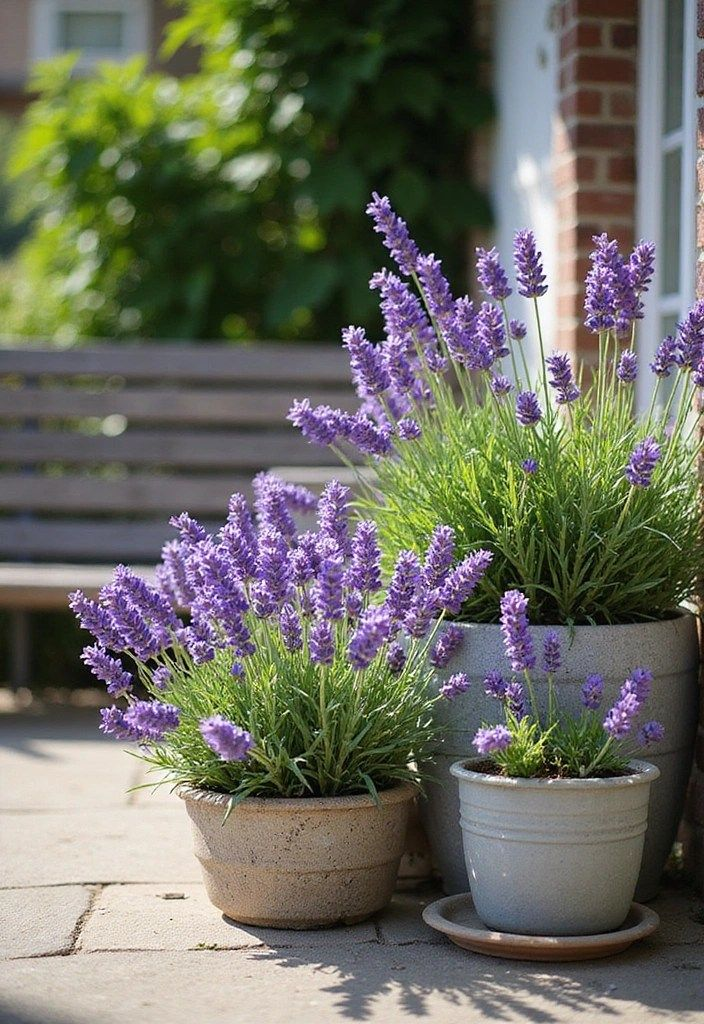
Few plants embody relaxation and beauty quite like lavender, and the “Lavender Girl” aesthetic emphasizes decorative pots that highlight its calming charm. Compact lavender varieties thrive in terracotta or stone planters, where their silvery-green foliage and purple blooms evoke rustic elegance. These pots often become centerpieces on balconies, patios, or garden tables, filling the air with soothing fragrance during warm evenings. Lavender thrives in full sun and prefers sandy, well-draining soil, making container growing particularly effective when drainage is optimized. Overwatering should be avoided, as lavender dislikes soggy conditions. Pruning after flowering helps maintain a neat, rounded shape while encouraging fresh growth for the following season. Beyond visual appeal, the plant offers practical benefits, from attracting pollinators such as bees and butterflies to repelling certain pests. Dried flowers harvested from pots can be used in sachets, wreaths, or herbal crafts, extending their charm indoors. Decorative pots painted in soft hues or rustic finishes enhance the “Lavender Girl” theme, blending simplicity with timeless beauty. Whether displayed alone or grouped with complementary plants, lavender in stylish containers brings tranquility, fragrance, and effortless charm, making it a must-have for gardeners who value both function and aesthetics.
Trailing Silver Dichondra
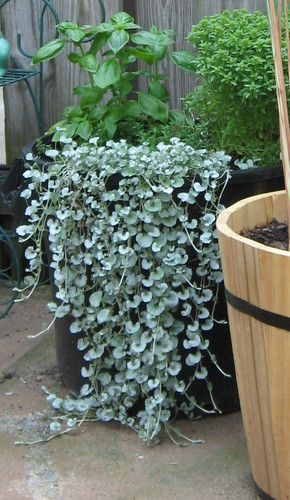
Silvery foliage that cascades in shimmering strands makes trailing Dichondra, often known as “Silver Falls,” a versatile favorite for pots and hanging baskets. Its leaves form long, fluid streams that can spill several feet, softening container edges and providing striking contrast against brightly colored blooms. Ideal as a trailing accent in mixed arrangements, it thrives in full sun where its metallic sheen is most pronounced. This drought-tolerant plant handles heat remarkably well, making it low-maintenance once established. Well-draining soil is essential, and occasional feeding helps maintain lush growth throughout the season. Though typically grown as an annual in cooler climates, it is perennial in frost-free regions, where it can provide year-round interest. Gardeners often use it alongside petunias, calibrachoa, or geraniums for vibrant combinations, but it is equally striking on its own in minimalist pots. Regular trimming keeps growth balanced and prevents excessive sprawl in small containers. Its silvery tones also make it popular in contemporary and monochrome planting schemes where foliage plays a starring role. With its elegant trailing habit, Silver Dichondra elevates simple containers into eye-catching arrangements, offering texture, shimmer, and effortless style across a range of garden settings.
Hardy Snapdragon Varieties
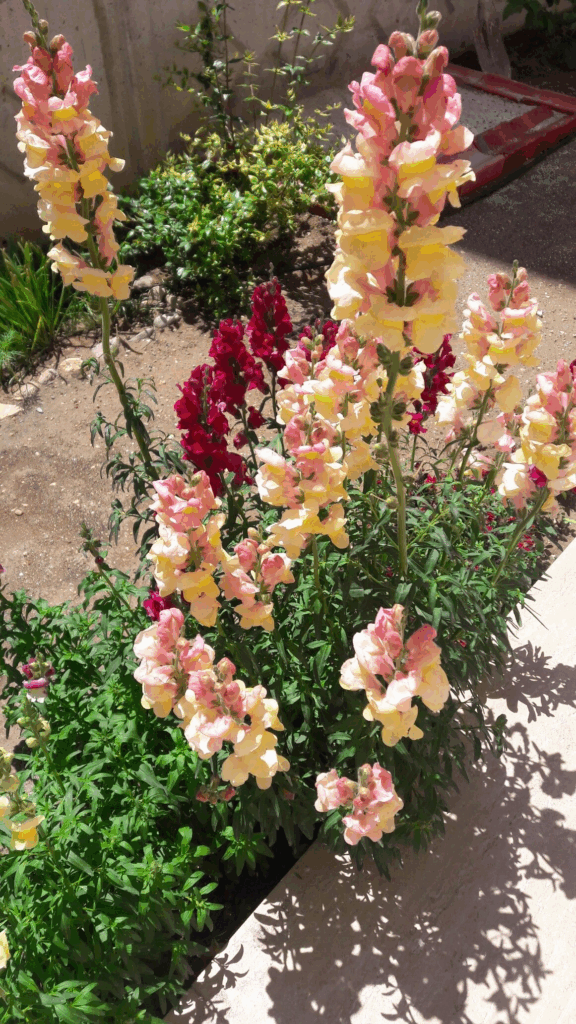
Classic spires of color make snapdragons a timeless choice, and hardy varieties adapt especially well to container culture. These resilient types withstand cooler temperatures better than tender annuals, extending the display season into both spring and fall. Compact cultivars fit neatly into pots, producing upright clusters of flowers in shades ranging from pastel pinks and buttery yellows to bold reds and purples. Their unique dragon-shaped blooms not only provide visual interest but also attract bees, butterflies, and hummingbirds. Snapdragons prefer full sun for maximum flowering, though they tolerate light shade in hot regions. Potting mix should be well-drained yet moisture-retentive, as inconsistent watering can reduce bloom quality. Deadheading faded spikes encourages continual flowering and helps maintain a neat appearance. In colder climates, hardy snapdragon varieties can sometimes overwinter when sheltered, making them more enduring than many seasonal annuals. They combine beautifully with pansies, dianthus, or ornamental grasses in mixed arrangements, offering vertical accents that contrast with mounding or trailing companions. Their nostalgic charm, ease of care, and reliable reblooming habit make them a practical yet ornamental choice for container gardeners. When planted in decorative pots, hardy snapdragons deliver cheerful color and old-fashioned charm that appeals across generations.
Begonia with Speckled Leaves
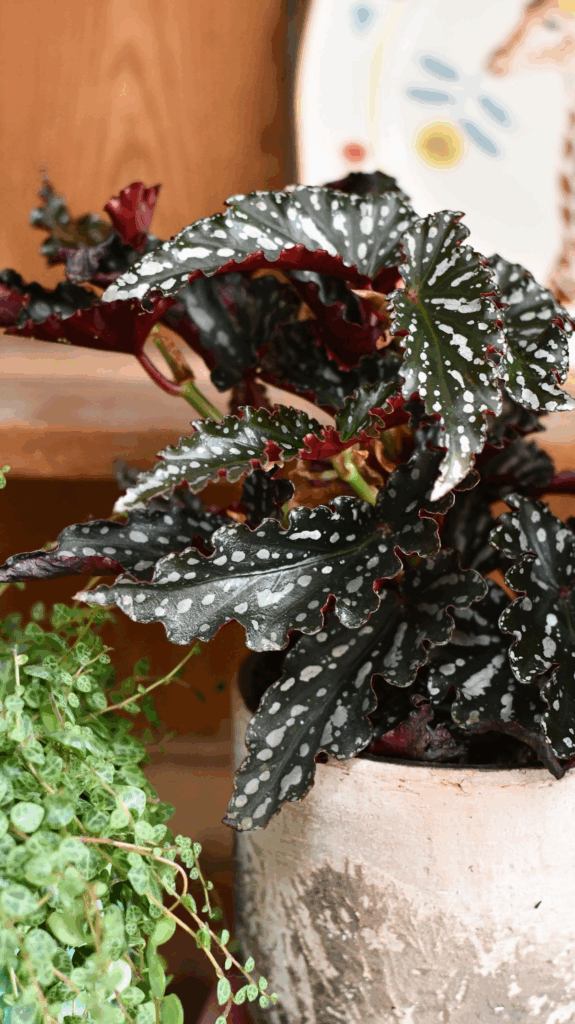
Ornamental foliage often rivals blooms in decorative impact, and begonias with speckled leaves exemplify this beautifully. Their patterned foliage, often marked with silvery dots or streaks, brings visual intrigue to containers even before flowers appear. When blooms do arrive, typically in shades of pink, red, or white, they provide a soft complement to the striking leaves. These begonias thrive in partial shade, making them ideal for patios, shaded porches, or indoor pots where many sun-loving plants might fail. Consistent moisture without waterlogging is key, along with a well-draining, peat-rich mix. Humidity enhances leaf vibrancy, so grouping pots together or placing them near water features can be beneficial. Regular feeding during the growing season sustains lush foliage and steady flowering. Their compact growth habit suits smaller decorative containers, where the patterned leaves can be appreciated up close. Gardeners often combine speckled begonias with plain green foliage or silver trailing plants for balanced contrast. Beyond their ornamental appeal, they are relatively low-maintenance once conditions are met, requiring little more than pruning of spent blooms and occasional repotting. With their dramatic leaves and seasonal flowers, speckled begonias add sophistication and texture to potted displays, offering year-round beauty indoors and out.
Salvia (Bright-Flowered Types)
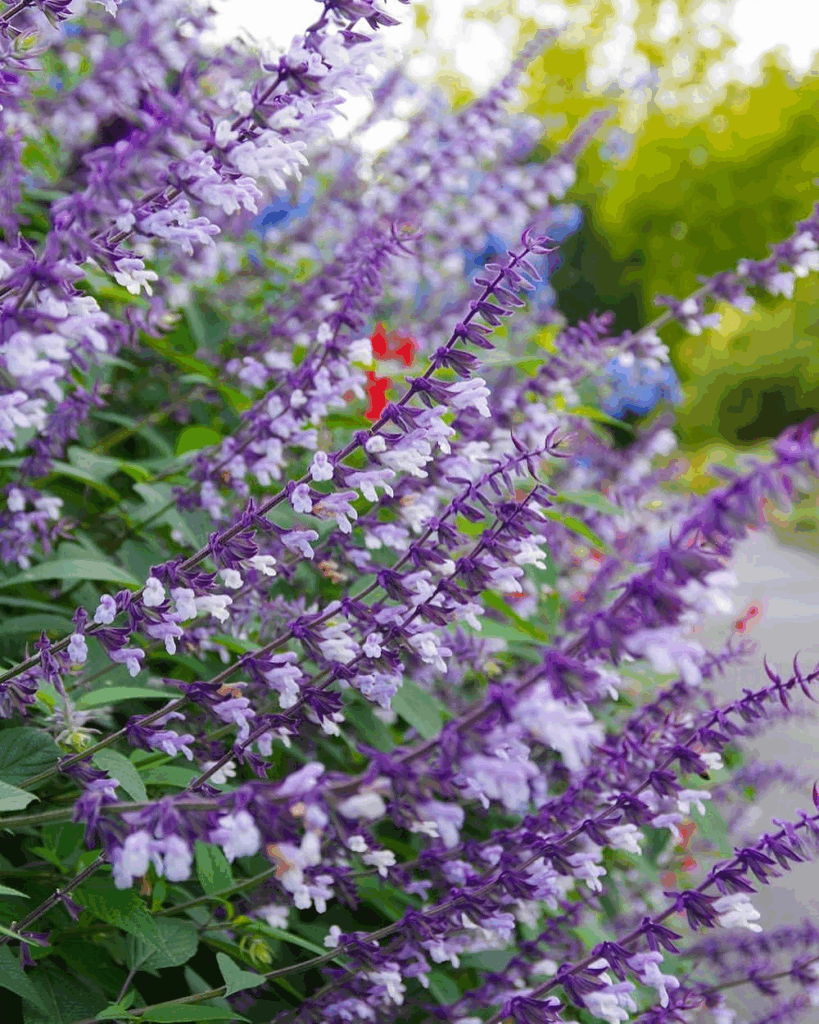
Brilliant spikes of color paired with aromatic foliage make bright-flowered salvias highly desirable for container gardening. Varieties such as scarlet, deep purple, and electric blue thrive in pots, producing long-lasting blooms that draw in pollinators like hummingbirds and butterflies. Their upright form provides vertical structure, making them excellent focal points in mixed arrangements. Salvias flourish in full sun and prefer well-draining soil, tolerating heat and occasional drought once established. Regular watering during dry spells and periodic feeding ensure vigorous growth and abundant flowers. Deadheading faded spikes encourages continuous blooming, often extending well into late autumn. Compact cultivars, such as Salvia splendens or newer dwarf hybrids, adapt particularly well to containers, keeping their form tidy without overwhelming smaller spaces. Their resilience against pests and disease further enhances their appeal for low-maintenance gardens. Pairing bright-flowered salvias with trailing plants like calibrachoa or silver dichondra creates striking combinations that balance height and flow. Their strong color presence also works well in themed displays, from patriotic palettes to tropical-inspired pots. For gardeners seeking reliable bursts of bold color in containers with minimal fuss, bright-flowered salvias stand out as both ornamental and practical choices throughout the growing season.