
Every yard holds the potential to become a blooming retreat with just a bit of planning and the right design inspiration. Whether you’re working with a narrow side yard, a spacious lawn, or a cozy corner, a well-thought-out flower garden can add structure, beauty, and seasonal interest throughout the year. Thoughtful layouts, color coordination, and layering techniques can make any outdoor space feel intentional and alive. From cottage-style beds to formal symmetry or wildflower-inspired patches, this guide shares ideas that suit different skill levels, climates, and tastes—helping you design a flower garden that feels personal, functional, and effortlessly beautiful.
Cottage‑Style Wildflower & Native Patchwork
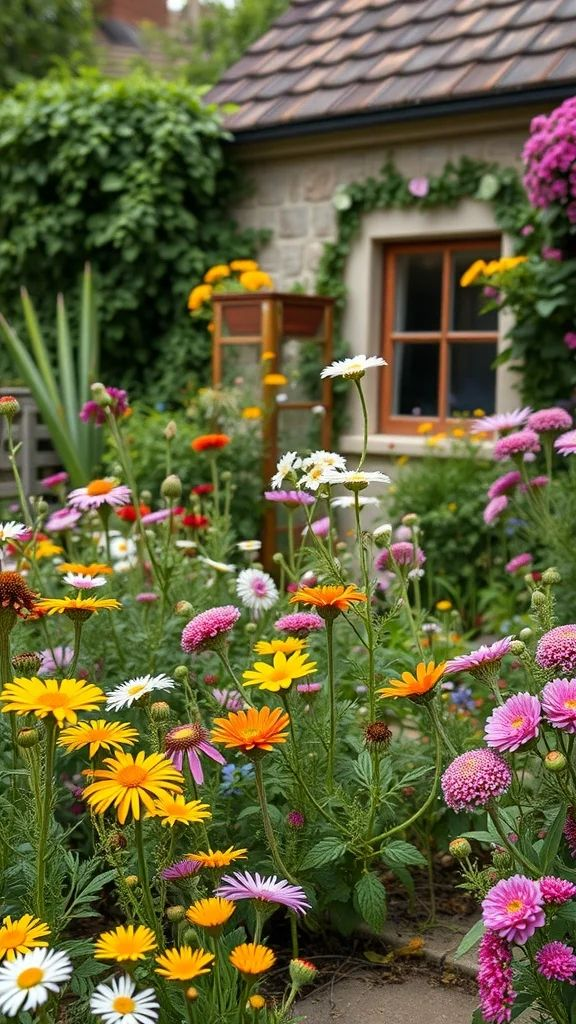
Every corner feels effortlessly alive when garden beds are stitched together with untamed wildflowers and native perennials. This layered approach relies on a harmonious mix of textures and bloom times, allowing your garden to feel alive and ever-changing through the seasons. Think golden coreopsis beside purple coneflowers, with native grasses swaying in the breeze and poppies nodding toward late summer. What sets this style apart is its loose rhythm—a visual quilt where natural growth is encouraged, not restrained.
Planting by ecological zone ensures resilience, while allowing local pollinators to thrive. Native bees, butterflies, and birds are drawn in by familiar species like bee balm, yarrow, and milkweed. These organically flowing clusters reduce maintenance while increasing biodiversity. Paths meander, edged with fieldstone or log slices, letting visitors wander through waves of seasonal bloom.
By avoiding formal structure, this design method feels authentic and grounded. It works well on both large rural plots and suburban corners craving a lived-in look. Let the visual chaos tell a quiet story—one shaped by nature and softened by time. If you’re seeking a balance between garden beauty and wildlife benefit, this thoughtful patchwork approach offers both color and connection in one seamless planting experience.
Foodscaping Edible‑Flower Integration
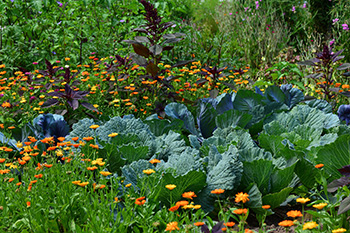
Designing with purpose doesn’t mean sacrificing beauty. Foodscaping merges aesthetics and function by weaving edible flowers into ornamental garden beds. Calendula, chives, nasturtiums, and violets not only burst with color—they also offer flavor and nutrition. These blooms are as at home garnishing a salad as they are adding color to a border.
Integrating these into traditional beds brings surprising benefits. Their presence supports beneficial insects like ladybugs and lacewings, reduces pest pressure naturally, and contributes to overall ecosystem health. Planting edible flowers among vegetables like kale or peppers softens the utilitarian vibe and gives your space a garden-party atmosphere with real harvest rewards.
Some flowers, like borage and bee balm, do double duty—offering striking blooms while attracting pollinators. Interspersing flowering herbs like basil, dill, and cilantro not only boosts yield but fills the air with refreshing scent and texture. Consider placement carefully to avoid overcrowding and ensure safe identification of edible species.
This visually rich, practical method blends abundance with design. It invites touch, taste, and visual interest without compromising the structure of your garden beds. Whether used in raised beds, pathways, or container clusters, edible flowers add seasonal delight with garden-to-table potential that’s both nourishing and lovely.
Monochromatic or Analogous Flower Schemes
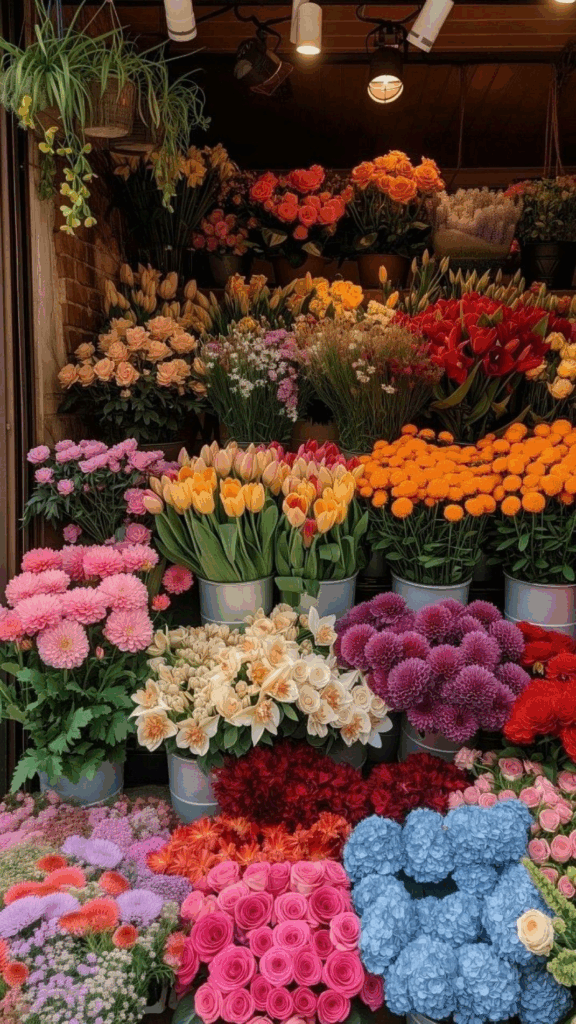
Focusing on color theory instantly elevates a garden’s visual impact without increasing complexity. Monochromatic schemes—where blooms share a single hue in varying shades—bring a serene, cohesive mood. Analogous schemes, using colors that sit side-by-side on the color wheel, such as pink, coral, and orange, create harmony while still offering enough variation to hold attention.
These approaches are particularly effective in formal settings or compact gardens where simplicity is key. A lilac-themed bed, for instance, might blend pale lavender salvia, violet pansies, and dusty purple alliums. Analogous combos such as red dahlias, warm pink zinnias, and coral geraniums ensure a lush, saturated visual effect that feels balanced yet bold.
Foliage plays a crucial supporting role. Silver lamb’s ear or burgundy coleus add contrast and prevent the scheme from becoming flat. Consistency in bloom size and texture also matters—too much variation can distract from the intended palette.
This strategy excels in curated spaces like urban courtyards, front-entry beds, or container groupings where a refined visual rhythm enhances curb appeal. By working with hue families, you create intentional beauty with a painterly touch—perfect for gardeners looking to make a striking impact through subtle control of color dynamics.
Sensory Planting with Scent, Texture & Sound Zones
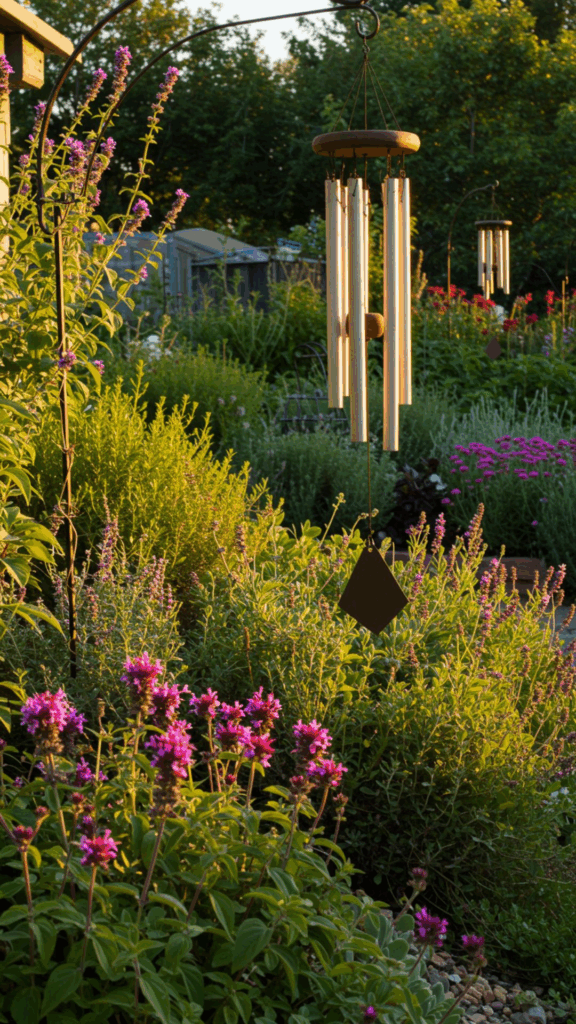
Designing for the senses turns a standard garden into a full-body experience. Instead of focusing solely on visual appeal, this method emphasizes how the garden feels, smells, and even sounds—making every stroll more memorable. Thoughtfully arranged sensory zones engage multiple senses at once, building emotional connection with the space.
Soft textures like lamb’s ear, ornamental grasses, or ferns invite touch, while fragrant herbs like lavender, rosemary, and lemon balm reward brushing contact with aroma. Clusters of night-blooming jasmine, gardenia, or sweet alyssum emit fragrance at different times of day, layering the garden with evolving scents.
Sound comes through rustling foliage or carefully placed wind elements. Tall grasses such as feather reed or switchgrass whisper in the breeze, while bamboo or dried seed pods can offer subtle percussive effects. Seating areas placed near these elements create restful retreats infused with calming natural sounds.
For accessibility or therapeutic gardens, this multi-sensory focus enhances relaxation, cognitive engagement, and even memory recall. It’s also ideal for children’s gardens or meditation corners. With careful planning, sensory planting can turn a standard plot into a sanctuary—where every breeze, bloom, and brush of leaves contributes to a restorative, immersive experience that extends beyond visual charm.
Living Fence Borders with Pollinator Natives
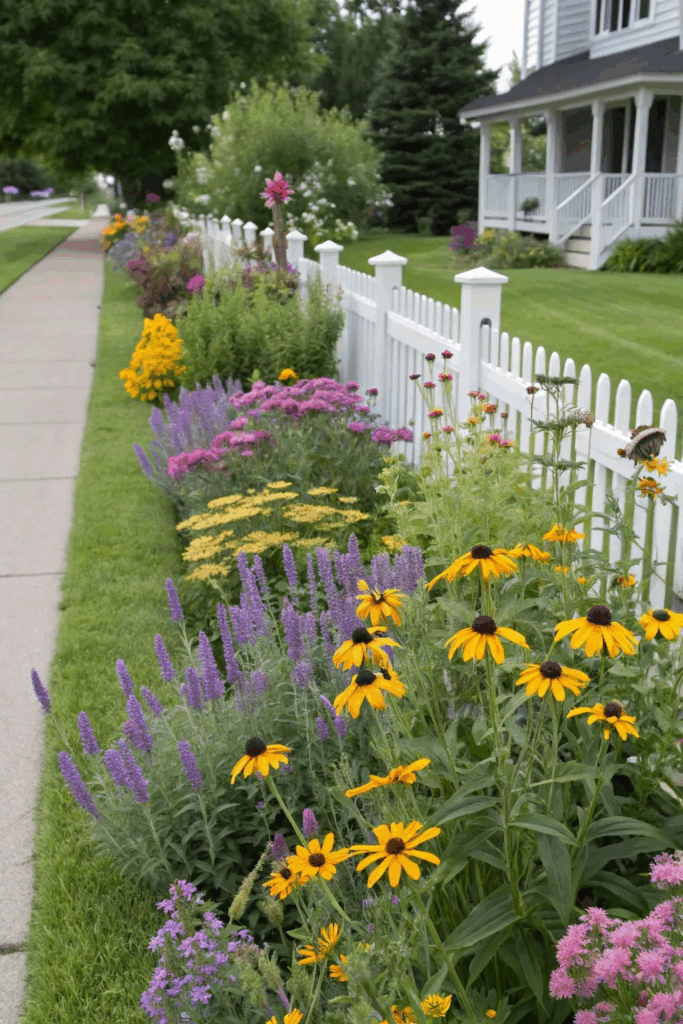
Replacing static fencing with a living alternative offers function, beauty, and ecological impact in one smart move. A border planted with tall native perennials and shrubs creates privacy while actively supporting pollinators. It shifts the concept of a boundary from barrier to vibrant habitat.
Species like elderberry, viburnum, ninebark, and serviceberry form a structured backdrop with seasonal interest. Beneath them, layers of goldenrod, bee balm, milkweed, and echinacea provide nectar sources throughout the growing season. This layered planting mimics natural edge habitats, where tall structural plants blend with colorful understory bloomers and ground-level foliage.
Such borders evolve with time, adapting to the seasons and growing fuller each year. They buffer wind, dampen sound, and provide essential shelter for butterflies, bees, and birds. Maintenance is minimal once established—most native species are hardy and self-sustaining.
Beyond function, these borders transform dull property lines into soft, flowering enclosures. Paths woven alongside or through allow close interaction and movement. Living fences also absorb stormwater runoff and improve soil health over time. For gardeners looking to merge purpose with ecological mindfulness, this approach offers a practical and beautiful solution that benefits both homeowners and local wildlife.
Low‑Water Drought‑Resilient Plant Palette
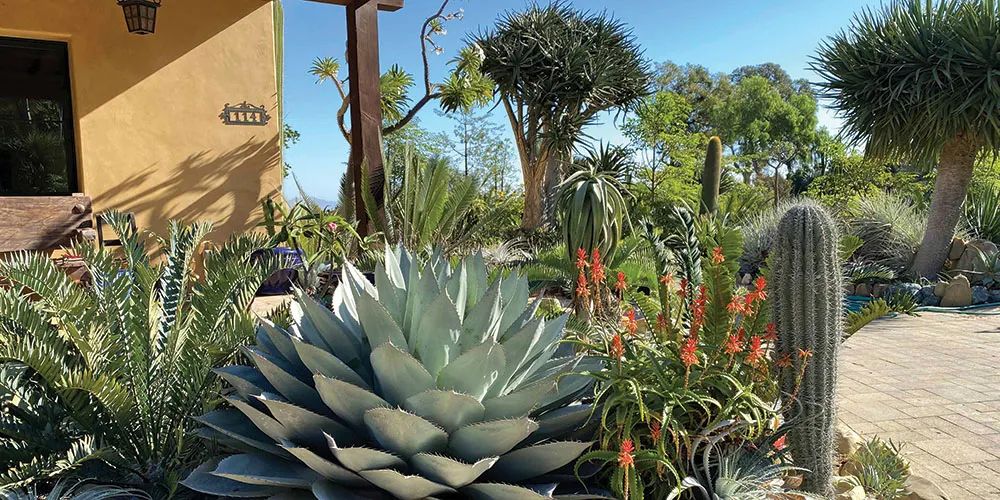
Gardening under water restrictions or in arid climates doesn’t mean sacrificing vibrancy. A drought-resilient plant palette offers long-lasting color, form, and pollinator value while requiring minimal irrigation once established. The key lies in choosing species adapted to dry conditions and designing for water retention and airflow.
Perennials like Russian sage, yarrow, penstemon, and blanket flower thrive with infrequent watering. Their deep roots and adaptive foliage, often gray or silver, help conserve moisture and reflect heat. Succulents such as sedum or hens-and-chicks bring sculptural contrast, especially in rock borders or xeriscape-inspired layouts.
Gravel mulch or decomposed granite supports drainage while discouraging weeds. Grouping plants with similar water needs into hydrozones ensures efficiency and plant health. Native grasses like blue grama or little bluestem add height, movement, and drought endurance without sacrificing visual interest.
Seasonal bursts of bloom are strategically timed for pollinators, while evergreen varieties like lavender or rosemary hold structure through winter. This type of garden thrives in hot, dry zones and performs equally well in urban front yards seeking low-maintenance appeal. A carefully curated palette not only withstands drought—it celebrates it, offering color and resilience even through the toughest summers.
Moon‑Garden White & Silver Evening Blooms
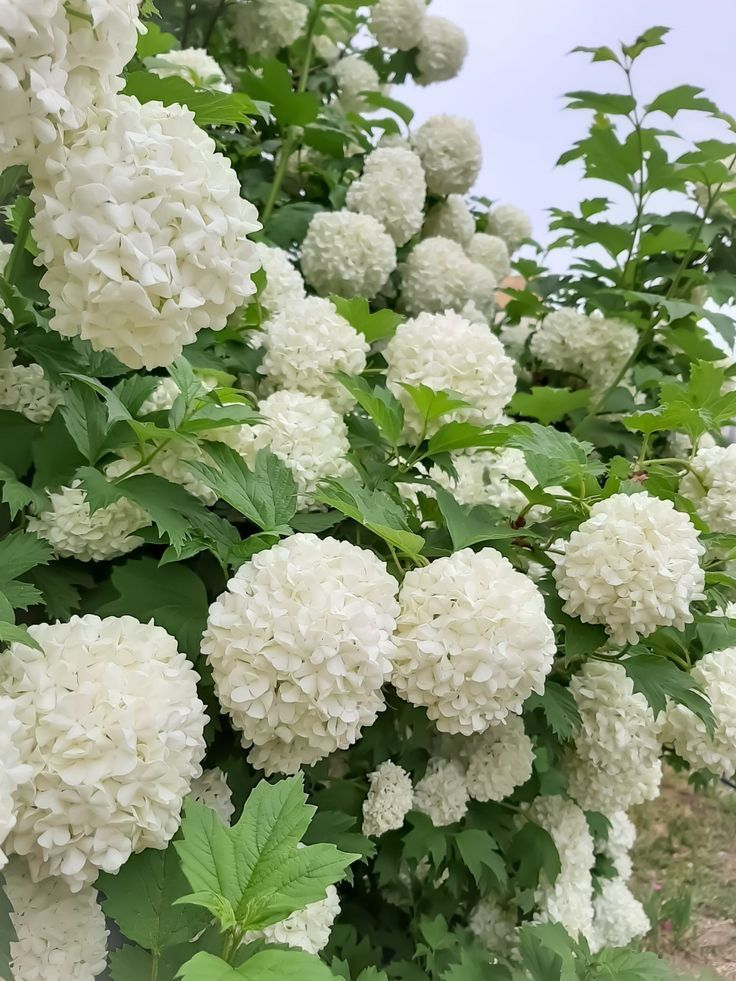
Designing for twilight hours adds an enchanting quality to garden spaces. Moon gardens rely on pale blooms, reflective foliage, and subtle fragrance to create a luminous atmosphere that comes alive at dusk. White-flowered species like Nicotiana, moonflower, and Shasta daisy glow under low light, while silvery accents enhance visibility after sunset.
Lamb’s ear, dusty miller, and artemisia provide that soft silver sheen throughout the day, acting as visual anchors once evening falls. Blooms that open in the late afternoon—such as evening primrose or four o’clocks—extend visual interest well into the night.
Fragrant elements play a crucial role. Night-blooming jasmine or mock orange releases sweet scent when temperatures drop, creating a calming and romantic ambiance. Paths outlined with white alyssum or variegated hostas help guide the eye under dim conditions.
Strategic lighting heightens the mood—subtle lanterns, solar path lights, or uplighting on feature plants extend usability without overwhelming the scene. This garden concept works especially well near patios, porches, or bedroom windows where late-day relaxation happens. A moon garden isn’t just visually arresting—it’s a sensory retreat designed for evenings, proving that the most magical moments in a garden often happen after the sun has set.
Overspilling Container Groupings & Cascading Spillers
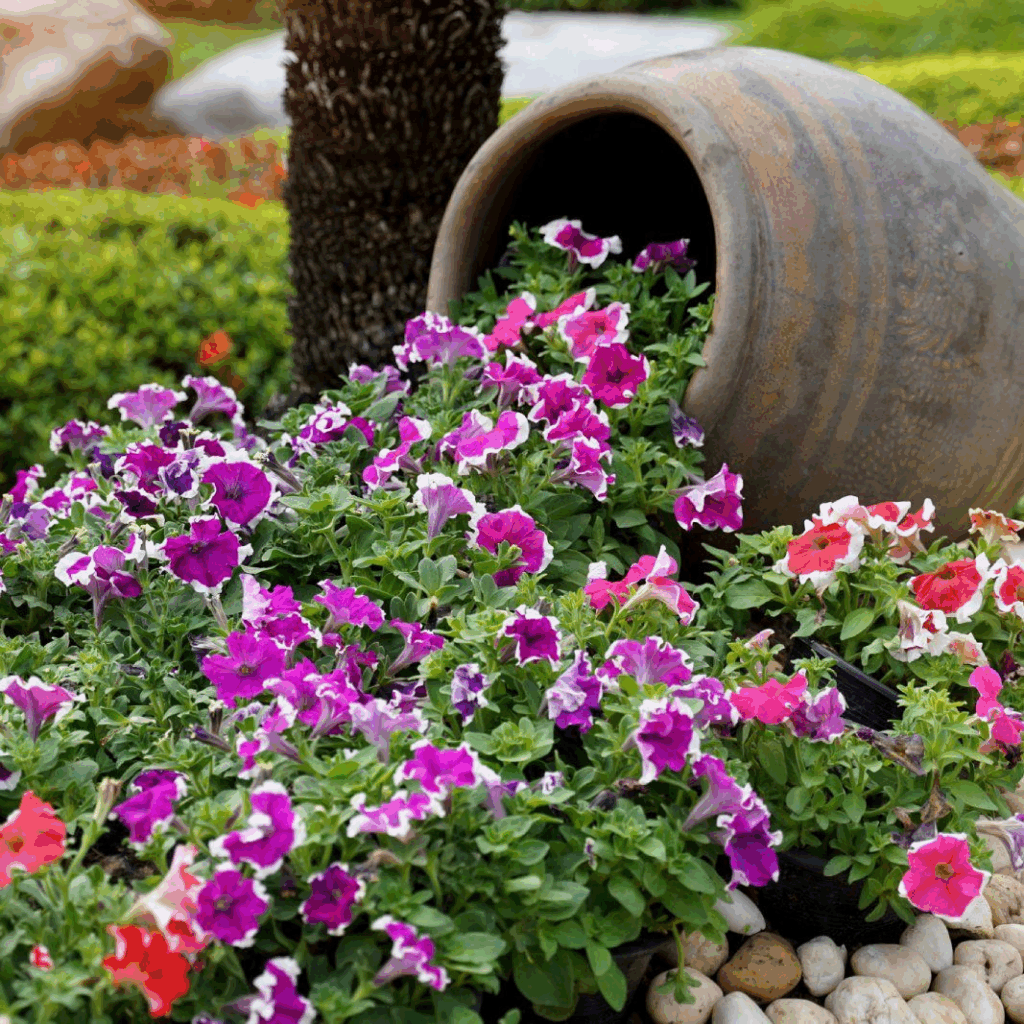
Container arrangements take on new life when designed to spill, overflow, and cascade with lush intention. Instead of tidy symmetry, this style relies on movement, layering, and volume. Groupings of pots—varying in height, width, and texture—anchor the composition, while carefully chosen spillers trail over edges with ease.
Petunias, sweet potato vine, creeping Jenny, and calibrachoa offer reliable cascades, adding color and contrast against upright bloomers like snapdragons or salvia. Filler plants such as coleus or dusty miller help build visual mass while balancing proportions. Using a consistent color story across containers ensures cohesion without uniformity.
Arrangements can soften hardscapes, define patio corners, or line staircases for dramatic vertical impact. Terracotta, concrete, and ceramic pots each contribute their own aesthetic, especially when weathered or grouped organically. Drainage and sunlight access remain vital—so rotating pots or using mobile stands may be beneficial in tight spaces.
Incorporating edibles like cascading strawberries or herbs introduces a practical layer. Spillers invite movement, color contrast, and whimsical detail, making every container feel alive and evolving. Whether placed on a balcony or within garden beds, this approach blends decorative flair with dynamic growing habits that celebrate nature’s wild elegance.
Blousy Bold Blooms & Romantic Cottage Clusters
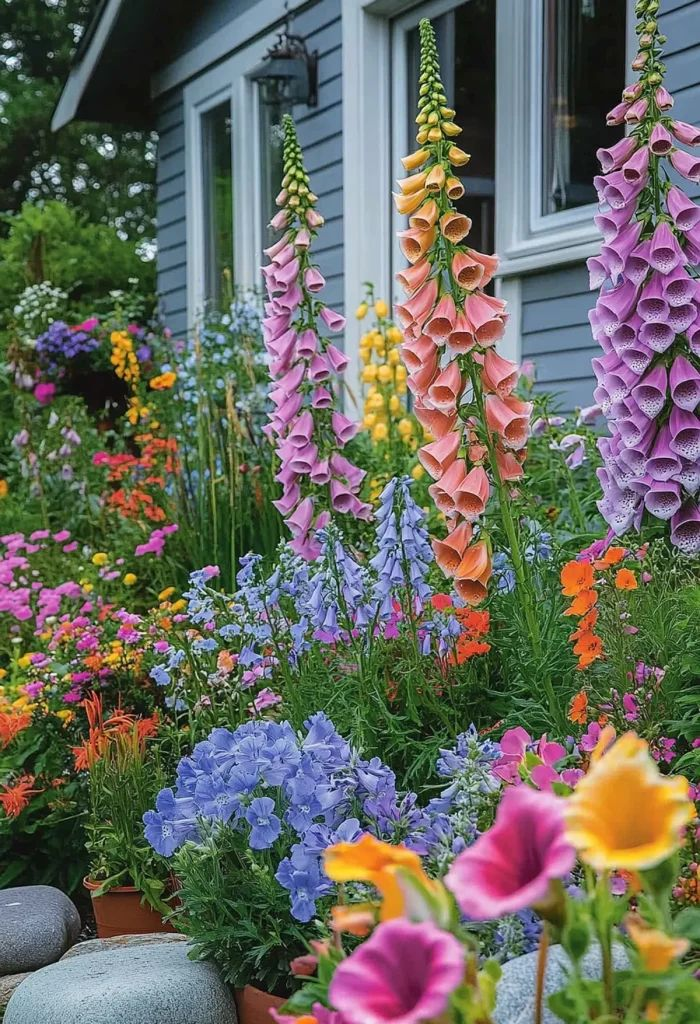
Drama meets romance when full-bodied flowers collide in loosely packed, abundant arrangements. This design style leans on curves, overlapping forms, and layered heights—mimicking the softness of English cottage gardens while embracing vibrant volume.
Peonies, dahlias, foxglove, and hollyhocks stand as cornerstones of this aesthetic. Their generous blooms and varying shapes create that coveted “garden in full bloom” effect. Roses, especially heirloom or shrub varieties, lend structure and fragrance to the mix. Between them, airy accents like cosmos, Queen Anne’s lace, or larkspur soften transitions and fill visual gaps.
Spacing is intentionally tight, allowing flowers to lean, bend, and mingle. This planting technique fosters a sense of intimacy and timelessness, inviting both visual and physical immersion. Clusters are often framed with rustic pathways, white picket borders, or antique garden decor to amplify charm.
Maintenance involves deadheading, staking taller blooms, and rotating with seasonal annuals to keep displays fresh. Cottage-style gardens like this flourish in well-drained soil and partial to full sun. Whether built around a trellis, lining a porch, or sprawling across open lawn, romantic bloom clusters offer sensory appeal that’s rich, soft-edged, and unmistakably floral-focused.
Raised-Bed Seating & Structural Path Accent
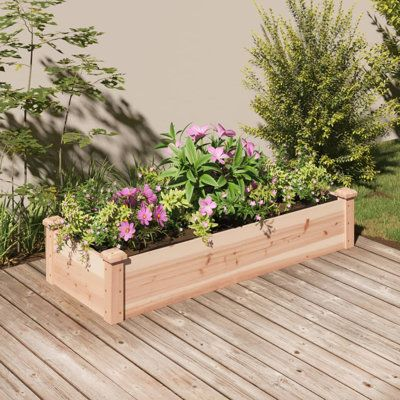
Designing flower gardens for both beauty and function makes the most of available space. Raised beds double as visual highlights and practical seating when their edges are finished with wide, level caps—perfect for impromptu rests or morning coffee moments among blooms.
Concrete blocks, stacked stone, or timber can form durable bed frames that also outline walking paths. By integrating seating into the structure, you remove the need for standalone furniture and invite deeper interaction with the garden itself. Beds at knee or bench height reduce bending, making gardening more accessible for all ages and physical abilities.
Within the beds, planting a mix of trailing flowers, upright perennials, and foliage-rich herbs like thyme or lavender blurs hard edges while offering fragrance and texture. Graveled or flagstone paths weave through the structure, guiding visitors and anchoring the layout with geometric clarity.
Even small yards benefit from this hybrid approach, especially where space must serve multiple roles. The thoughtful integration of hardscape and softscape turns every flower bed into a sensory and spatial asset. This method suits both contemporary landscapes and rustic outdoor spaces seeking clean function with lush botanical flair.
Reclaimed Natural Materials & Rustic DIY Decor
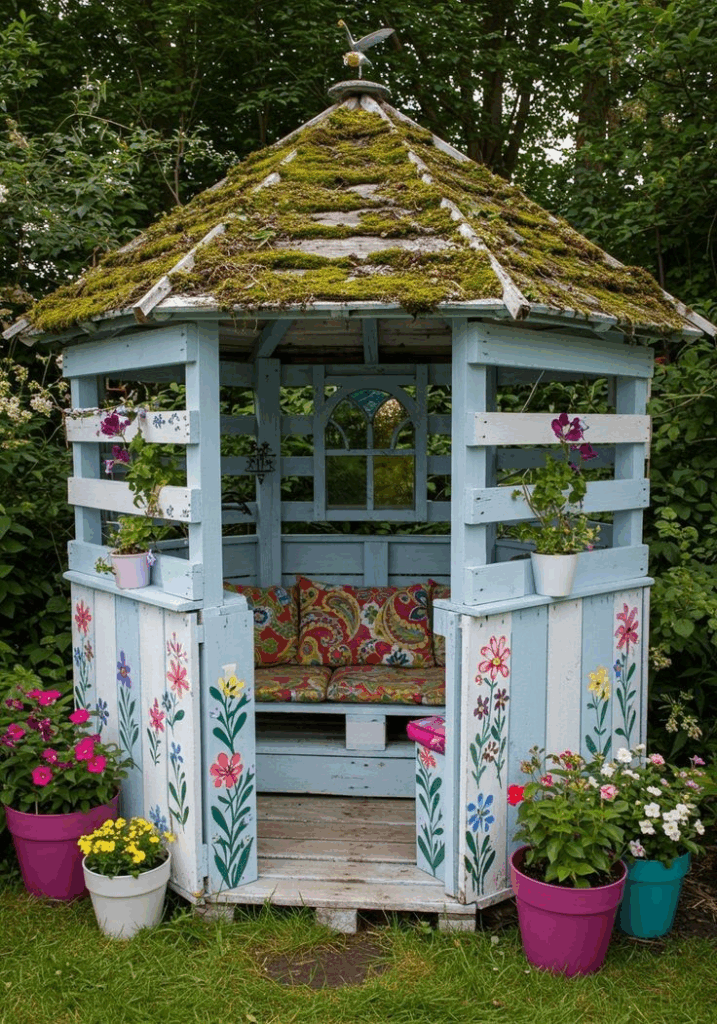
Weathered textures and salvaged materials lend instant character to garden spaces. Using reclaimed wood, rusted metal, stone remnants, or vintage containers brings warmth and story-rich detail to flower garden design—especially when paired with relaxed, naturalistic planting.
Old ladders become vertical displays for potted blooms. Discarded bricks or concrete chunks form informal edging or mosaic pathways. Wine crates and apple boxes make excellent rustic planters for trailing geraniums or violas. Incorporating found objects—like antique watering cans, iron headboards, or enamel washbasins—adds a sculptural, personalized feel without excess cost.
The key is cohesion. Stick with a limited palette of materials—wood and metal, for example—to prevent clutter. Let flowers like black-eyed Susans, phlox, and snapdragons soften hard edges and grow around or through the decor. Reclaimed fencing can frame garden zones or act as trellis backdrops.
This DIY-heavy approach invites creative problem-solving and sustainable choices, perfect for gardeners who appreciate handmade over polished finishes. Beyond aesthetics, reusing materials reduces waste and lends each element of the garden a meaningful second life. It’s not about perfection—it’s about celebrating texture, imperfection, and the charm that only timeworn materials can offer in a flower-filled setting.
Pollinator‑Meadow Wild Edge with Native Flowers
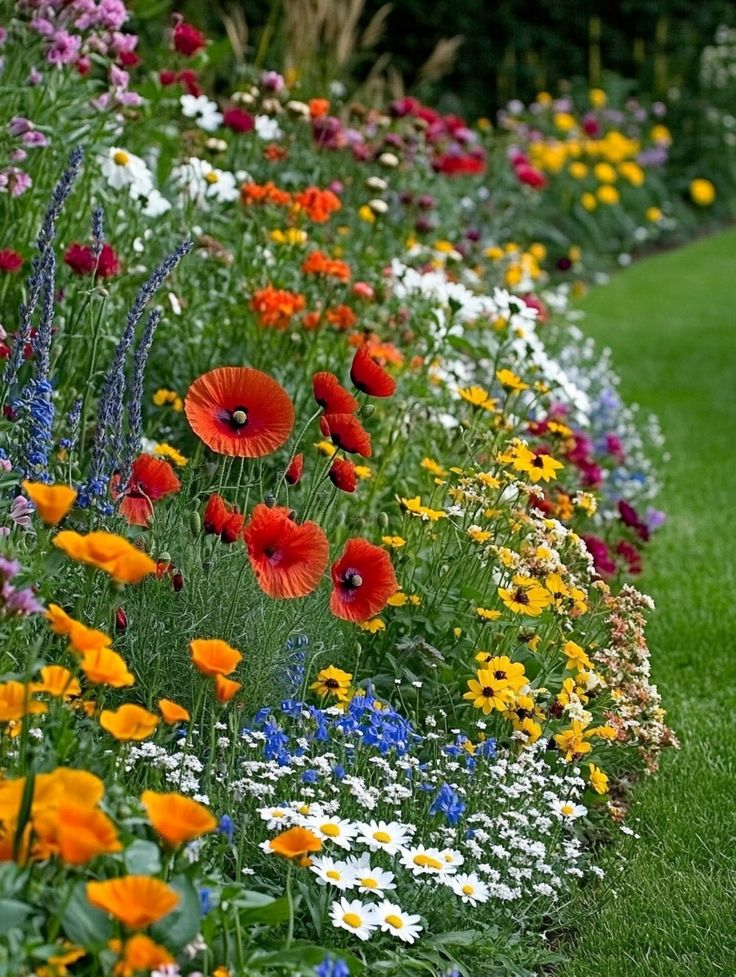
Borders don’t always need to be crisp. Letting the edges of your garden blur into meadow-style plantings creates vital habitat, layered interest, and a natural transition from cultivated to wild. By using native flowers adapted to your region, you support pollinators while achieving a lush, unmanicured look.
Goldenrod, black-eyed Susan, wild bergamot, and blazing star are top choices—each thriving in poor soil with little intervention. When paired with native grasses like switchgrass or little bluestem, they provide texture and seasonal movement. Grouping plants in irregular drifts mimics natural meadows and helps beneficial insects find food more efficiently.
Paths may wind through, or the wild edge may serve as a visual buffer at the garden’s boundary. While informal in appearance, thoughtful planning is key: stagger bloom times, include structural seed heads, and avoid overcrowding.
Meadow-style borders encourage biodiversity and are especially valuable in suburban or rural landscapes where wildlife corridors are disappearing. This approach fosters life, from bees and butterflies to birds and small mammals. In return, your garden remains dynamic and full of seasonal surprises. By letting nature play a stronger role, wildflower meadows offer beauty that feels purposeful, regenerative, and alive.