
Outdoor spaces feel more welcoming when designed with a dedicated fire pit area that encourages gathering, warmth, and relaxation. Beyond serving as a striking focal point, fire pits extend seasonal use of patios and gardens, making them a practical investment for homeowners. From intimate seating arrangements to stylish material choices, well-planned layouts enhance both comfort and curb appeal. Whether for quiet evenings or entertaining guests, the right setup ensures safety, durability, and timeless charm. This guide highlights the best fire pit area ideas to ignite inspiration and help you design an inviting outdoor retreat that truly stands out.
Rustic Stone Ring in Gravel Patio
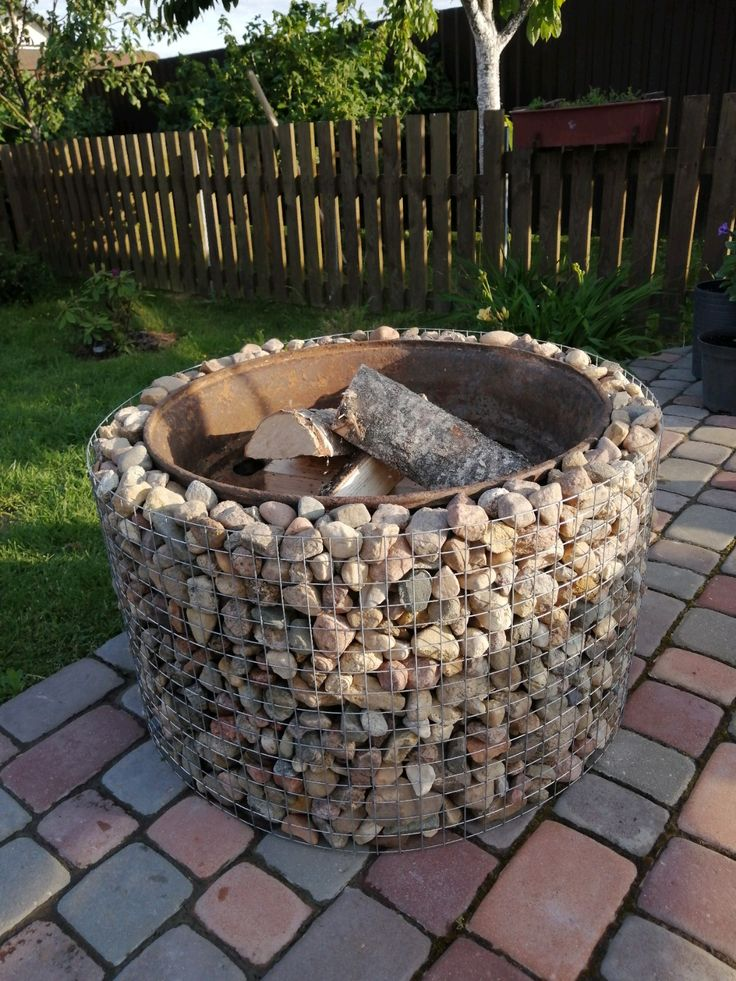
Time-honored outdoor spaces often rely on natural textures, and a fire pit encircled by rustic stone within a gravel patio provides both durability and charm. This setup delivers excellent drainage, meaning rain won’t pool around the fire ring. The rough stones add a tactile, timeless quality that balances beautifully against the uniform gravel pad. Guests can move chairs or benches easily across the surface without worrying about uneven terrain. The layered effect of stone and gravel blends seamlessly with lawns, gardens, or woodland edges. Choosing local stone reduces transport costs and ensures the area feels native to its surroundings. Maintenance is minimal—simply raking the gravel and occasionally resetting loose stones. The fire ring itself can be mortared for permanence or left dry-stacked for a casual, flexible arrangement. For gatherings, the stone ring creates a visual boundary while the gravel keeps sparks safely contained. This configuration is adaptable: it works equally well for intimate evening fires or larger social circles. Over time, the stone and gravel weather naturally, developing character that enhances the landscape. For homeowners wanting an affordable yet lasting fire pit solution, this classic combination delivers reliability, rustic beauty, and long-term functionality.
Sunken Fire Pit Patio with Retaining Steps

Designing a sunken fire pit patio instantly creates a sense of destination within the yard, as though stepping into an outdoor living room. Retaining steps not only provide structural support but also double as seating ledges for larger groups. This recessed style helps block wind, making the fire burn more efficiently and keeping the warmth contained. Surrounding walls can be finished with stone, brick, or concrete, depending on the desired aesthetic. Drainage is an important consideration—installing a gravel base or hidden drain ensures rainwater doesn’t collect in the pit. Because the area sits lower than ground level, it fosters an intimate environment shielded from noise and distractions. At night, retaining walls reflect flickering light, amplifying the ambiance. Homeowners often add cushions, blankets, or even built-in storage niches within the walls for convenience. Landscaping around the rim—ornamental grasses, shrubs, or climbing vines—softens hard edges and blends the pit into the yard’s natural flow. The steps themselves should be wide and sturdy, ensuring safety while inviting people to lounge. With thoughtful planning, a sunken fire pit patio becomes the heart of an outdoor gathering space, offering warmth, intimacy, and a striking focal point that enhances property value.
Built-in Seating Walls around Fire Pit

Permanent seating walls surrounding a fire pit transform the area into a functional, ready-to-use space without the need for constant chair rearrangements. Constructed from brick, block, or natural stone, these walls are sturdy, weather-resistant, and provide lasting comfort when paired with cushions or blankets. Their curved layout naturally encourages conversation and directs focus toward the flames. Unlike movable furniture, built-in seating can withstand exposure to weather and requires minimal upkeep. The height can be customized—typically 18 to 20 inches—to balance comfort with accessibility. Some homeowners design dual-purpose walls that include backrests, planters, or hidden lighting for added functionality. Integrating the seating with the fire pit base creates a seamless look, often resembling an outdoor amphitheater. This approach works especially well in larger yards or patios where permanence adds value and structure. For year-round use, adding stone caps helps protect walls from moisture and makes them more comfortable for sitting. The enclosed circle also improves safety by defining boundaries around the fire. With fewer movable parts, cleanup and maintenance are simplified. Whether hosting family evenings or large gatherings, built-in seating walls establish a strong sense of place, combining practicality with lasting architectural beauty.
Flagstone Slab Pad with Fire Bowl Accent

Grounding an outdoor fire pit with flagstone slabs creates a natural yet refined surface that feels timeless underfoot. The irregular shapes of the stones interlock to form a sturdy pad, providing stability for furniture while allowing rain to drain through joints. At the center, a fire bowl becomes the focal accent, offering portability without sacrificing style. The contrast between rugged stone and sleek steel or ceramic bowls enhances visual appeal. Flagstone works well in both rustic and contemporary landscapes, with colors ranging from warm tans to cool grays. Proper installation includes a compacted base of sand or gravel to prevent shifting and ensure longevity. Homeowners often edge the pad with low plantings or small boulders to tie the design into surrounding landscaping. Because the surface is flat, it’s safer for foot traffic and easy to maintain—simply sweep debris from between the joints. A fire bowl positioned on flagstone also reduces the risk of scorched grass or uneven surfaces. This setup balances permanence with flexibility: the flagstone remains fixed, while the bowl can be moved or replaced as styles evolve. The result is an inviting, adaptable fire pit zone that blends natural character with modern convenience.
Fire Pit Area Surrounded by Ornamental Grasses

Tall, swaying ornamental grasses transform a fire pit into a tranquil retreat that feels both private and connected to nature. Varieties like feather reed grass, switchgrass, or fountain grass frame the space with texture and seasonal color. In summer, the green stalks provide lush screening, while in autumn, golden plumes catch firelight and create a warm backdrop. Grasses also soften hardscaping, blending stone, gravel, or concrete features into the natural landscape. Planting them in clusters or curved rows creates a wind buffer, allowing fires to burn more consistently. Because many ornamental grasses are drought-tolerant, maintenance is minimal—cutting back in late winter keeps them healthy for spring regrowth. This planting strategy also invites wildlife, as birds often use grasses for shelter or foraging. For safety, grasses should be planted with adequate clearance from the fire ring to prevent accidental sparks. Mixing heights—shorter grasses near pathways and taller ones at the perimeter—creates depth and a layered visual effect. At night, uplighting or lanterns can highlight the feathery textures, adding drama to gatherings. A fire pit encircled by ornamental grasses doesn’t just provide warmth; it fosters a calming, nature-inspired atmosphere that feels immersive and restorative year-round.
Stone Bench & Natural Wood Adirondacks Combo

Pairing the sturdiness of stone benches with the classic comfort of wooden Adirondack chairs creates a versatile fire pit setting. Stone provides permanence and durability, ensuring seating is always available, while Adirondacks bring ergonomic support and a relaxed silhouette. The mix of materials strikes a balance between rustic and inviting, allowing for both formal gatherings and laid-back evenings. Adirondack chairs can be stained or painted to complement surrounding décor, while stone benches offer timeless grounding. Placing the benches closer to the fire establishes a strong focal anchor, while movable Adirondacks allow flexibility in group sizes. The combination ensures seating is never scarce while maintaining adaptability for different occasions. Cushions or blankets can soften the benches, making them equally comfortable to lounge on. At night, the textured stone captures firelight while the wooden chairs cast charming shadows, enhancing the overall mood. This dual setup also caters to varying guest preferences: some may prefer the warmth and sturdiness of stone, while others enjoy the familiar comfort of reclining wood chairs. Beyond aesthetics, the pairing demonstrates practicality—permanent structure with mobile seating options—making it one of the most user-friendly fire pit arrangements for long-term outdoor enjoyment.
Raised Fire Bowl with Firewood Storage Rack

Elevating a fire bowl on a raised platform not only highlights it as the centerpiece but also improves visibility and airflow for a cleaner burn. When paired with a built-in firewood storage rack beneath, the design becomes both stylish and functional. The elevated bowl protects surrounding surfaces from direct heat, extending the life of decks or patios. Having firewood neatly stacked below creates convenience while also serving as a visual element that reinforces the rustic atmosphere. Steel or stone platforms are common, offering durability and complementing various outdoor aesthetics. The rack keeps logs dry and organized, eliminating the clutter of scattered firewood. Many homeowners customize these setups with curved racks that mirror the shape of the bowl or rectangular frames for modern appeal. The raised structure also doubles as a safety feature, keeping flames slightly out of reach of children or pets. Evening gatherings benefit from the dramatic effect of a glowing bowl elevated above eye level, casting broader light across the seating area. Combining fire and storage in one streamlined design is both practical and visually appealing, providing a perfect balance of efficiency, comfort, and contemporary outdoor style.
Organic Fire Pit Landscaping with Mulch & Native Rock

Designs that integrate mulch and native rock around a fire pit create a grounded, naturalistic feel that blends seamlessly with the broader landscape. Mulch pathways provide soft footing while reducing weed growth, making the area easy to maintain. Native rock, chosen to reflect local geology, anchors the fire pit visually and ensures the design feels authentic rather than forced. This approach is cost-effective since locally sourced materials reduce transport expenses. Mulch also improves water retention, supporting nearby plants or grasses that frame the space. Fire pits designed with naturalistic landscaping often feature irregularly shaped stones or boulders, emphasizing an organic flow rather than rigid geometry. Native plants can be introduced alongside the mulch, softening transitions and providing seasonal variety. Safety remains paramount—mulch should be kept at a safe distance from open flames, with stone or gravel borders providing a fire-resistant barrier. Over time, this type of landscape ages gracefully, as natural materials weather without losing character. Guests often find these spaces calming, as the surroundings mirror hiking trails or woodland clearings. By embracing natural elements, this design transforms a simple fire pit into a sanctuary that feels both eco-friendly and timelessly connected to its environment.
Fire Pit Under Trees with Dappled Light
Locating a fire pit beneath a canopy of trees provides an enchanting setting where flickering flames meet shifting patterns of dappled light. During the day, tree branches filter sunlight, creating natural shade that keeps gatherings comfortable. As evening arrives, firelight dances through the foliage, producing a magical interplay of shadows above. This placement works especially well with mature hardwoods, offering both shelter and seasonal drama as leaves change color. Careful planning ensures safety—maintaining proper clearance from low branches prevents fire hazards while gravel or stone bases reduce risks. The surrounding trees act as a natural windbreak, helping fires burn more evenly while creating a sense of enclosure. Seating arranged in circular form beneath the canopy emphasizes intimacy and connection. Guests feel embraced by nature while enjoying the warmth of the fire. Additional touches like string lights or lanterns can be woven into branches, layering illumination without overpowering the fire’s glow. The atmosphere created here is unmatched, blending natural beauty with human comfort. For those who love outdoor living, a fire pit under trees becomes a year-round retreat, perfect for everything from solitary reflection to festive gatherings under starry skies.
Fire Pit Border Defined by Stone Edging + Gravel Walkway

Establishing a border with stone edging gives a fire pit area clear structure, while gravel walkways provide accessibility and durability. The edging, often made of natural stone, pavers, or bricks, creates a crisp boundary that separates the pit zone from surrounding lawns or gardens. This not only improves aesthetics but also prevents grass from encroaching into the fire area. Gravel walkways leading into the space invite guests with crunching underfoot, adding sensory interest while ensuring mud-free access after rain. Edging stones can be chosen to complement the fire pit itself, tying the entire layout together. Functionally, the stone border also acts as a containment ring, keeping gravel neatly in place and reducing long-term maintenance. Lighting along the walkway adds another layer of usability, making nighttime access safe and inviting. For larger yards, branching pathways can connect the fire pit to patios, decks, or garden seating areas, enhancing flow throughout the property. This design excels at organization: everything feels intentional, from the approach to the central fire feature. With thoughtful material selection and clear lines, a bordered fire pit with gravel paths transforms the outdoors into a structured yet welcoming hub for gatherings.
Mix of Seating Heights (Benches + Floor Cushions)

Variety in seating height creates visual interest and improves comfort for diverse groups around a fire pit. Sturdy benches provide reliable structure, while floor cushions add a relaxed, informal vibe ideal for casual lounging. This mix accommodates different preferences—some guests prefer upright support, while others enjoy stretching out closer to the warmth. Floor cushions can be swapped seasonally, introducing fresh colors or patterns that instantly refresh the setting. Weather-resistant fabrics extend their lifespan, ensuring they remain vibrant and functional outdoors. Benches may be arranged in permanent stone or wood, anchoring the layout, while cushions allow for flexible expansion during larger gatherings. The layered seating arrangement naturally creates zones, inviting people to shift between cozy floor lounging and structured bench seating. In terms of design, the combination softens rigid lines while maintaining practicality. It’s also cost-effective, since adding cushions requires less investment than multiple chairs. At night, cushions near the fire feel especially intimate, while benches catch broader light. Together, the contrast of grounded comfort and elevated support ensures that the fire pit remains versatile, welcoming, and adaptable to any type of social event or personal relaxation moment.
Ambient Lighting Layers in Fire Pit Area

Thoughtful lighting around a fire pit extends its usability and enhances ambiance long after the sun sets. Layering multiple light sources creates depth: lanterns provide a warm glow at eye level, pathway lights guide movement, and string lights overhead add festive charm. Firelight itself becomes the central element, but supplemental lighting ensures safety without overpowering the natural flicker. LED step lights or recessed fixtures in seating walls highlight architectural details while preventing trips. Solar-powered stake lights are eco-friendly options that blend seamlessly with landscaping. By combining soft, indirect illumination with functional brightness, the atmosphere remains inviting rather than harsh. Placement is key—lights should frame the space without creating glare that distracts from the fire. For added sophistication, dimmers allow adjustment depending on mood, from vibrant gatherings to quiet evenings. Lighting also emphasizes surrounding textures: stone, wood, and foliage all gain depth when subtly lit. This layered approach ensures the fire pit feels integrated into the larger outdoor environment rather than isolated. Ultimately, strategic lighting enhances safety, extends usability into late hours, and contributes significantly to the overall mood, transforming an ordinary fire pit into a truly memorable outdoor retreat.