
Well-planned outdoor fire features don’t just provide warmth—they set the mood for gatherings, extend seasonal use of your backyard, and add lasting character to your home. Building your own fire pit allows complete control over style, size, and materials, making it a cost-effective way to personalize your outdoor space. From simple gravel-ringed setups to more elaborate stone or brick builds, DIY projects suit every skill level and budget. This guide presents amazing DIY outdoor fire pit ideas that balance creativity with practicality, giving you inspiration to design a space that feels inviting, durable, and truly unique.
Paver Ring Fire Pit
Practical weekend projects often start with simple, durable materials, and a circular paver fire pit is one of the easiest ways to anchor an outdoor gathering spot. Interlocking pavers are inexpensive, widely available at home improvement stores, and require little skill to arrange into a sturdy ring. Begin by marking a circle on level ground, then dig down a few inches to create a flat base. Laying a gravel foundation helps with drainage and stability. Once the surface is prepared, stack pavers in uniform layers, keeping them tight to minimize gaps. A diameter of 36 to 44 inches is ideal for family use. Fire-rated adhesive can secure the blocks if you want extra strength, though gravity often holds them in place well. This style works with or without a metal liner; a liner improves longevity and makes cleaning out ashes easier. Surrounding the pit with pea gravel or flagstone prevents stray sparks from reaching grass. The round shape promotes even heat distribution, while the stone retains warmth, extending use on cool evenings. Low maintenance, affordable cost, and quick assembly make a paver ring one of the most accessible do-it-yourself solutions for homeowners who want a functional and attractive backyard feature.
Concrete Pour Fire Pit
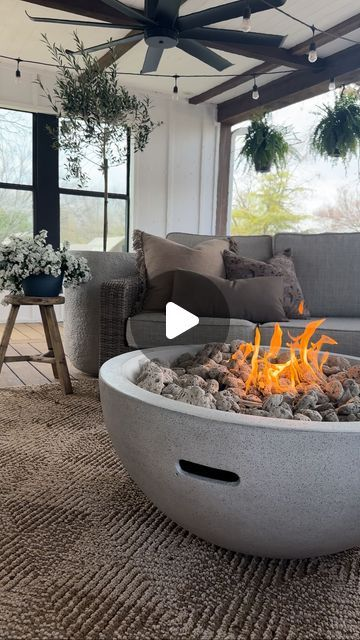
For those who prefer a sleek, modern outdoor feature, poured concrete provides durability and design flexibility in one project. By constructing a simple mold from plywood or melamine boards, you can shape a square, circular, or even rectangular fire pit to fit the exact dimensions of your patio. Reinforcing the mold with rebar or heavy wire mesh ensures structural stability under repeated heat exposure. Once mixed, quick-set concrete is poured into the form and smoothed with a trowel. A metal fire ring or bowl can be placed inside before the concrete fully cures to protect against direct flame. This method produces a permanent fixture that resists weathering and blends well with contemporary hardscapes. The natural gray finish works with minimalist landscaping, but it can also be stained or polished for a more decorative look. Because of its solid construction, this type of fire pit holds heat longer, making it efficient during chilly nights. Proper curing time—usually a full week—is essential before first use. Maintenance is minimal beyond occasional cleaning of soot or ash. While slightly more labor intensive than stacking blocks, the result is a clean-lined, professional-looking centerpiece that elevates backyard entertaining without the cost of a contractor.
Metal Drum / Repurposed Barrel Pit
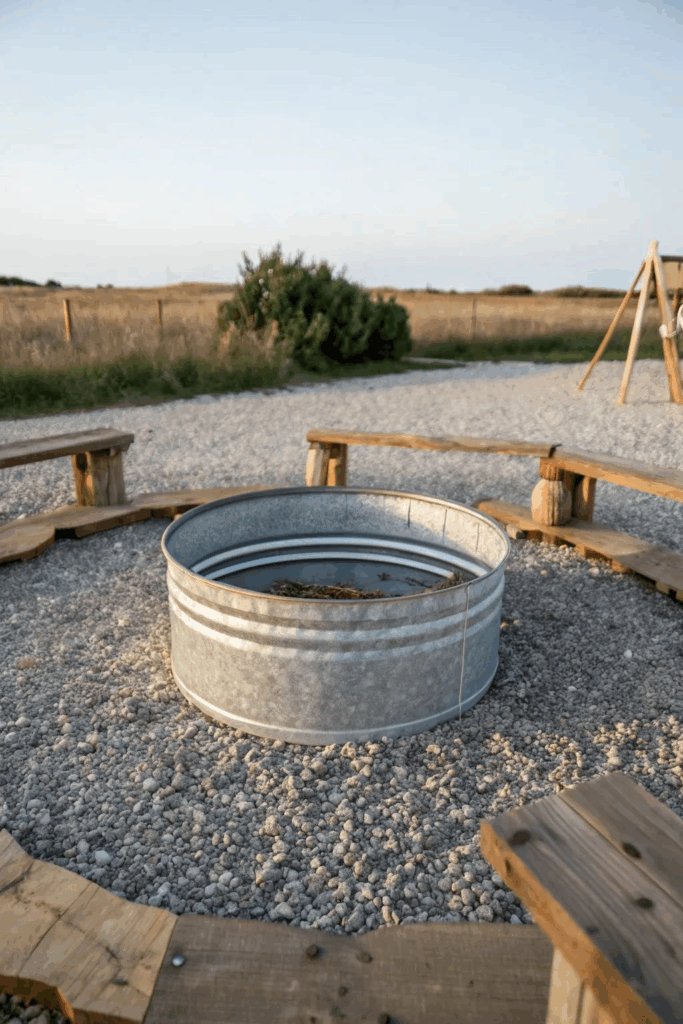
Resourceful builders often turn to recycled materials, and few options are as practical as a steel drum or old barrel converted into a fire pit. A standard 55-gallon drum provides plenty of depth and width to contain logs safely. Begin by cutting the drum to your desired height, then drill ventilation holes around the lower sides to improve airflow and encourage steady burning. Sanding the surface and coating it with high-heat spray paint prevents premature rusting and adds a finished look. For improved safety, place the drum on a gravel pad or set it inside a cinder block base for stability. The industrial aesthetic fits well with rustic or farmhouse outdoor spaces. Some enthusiasts weld handles or add a detachable grill grate, turning the setup into a dual-purpose cooker. Because the walls are relatively thin compared to masonry, the barrel may wear faster, but its affordability and availability make replacements easy. Always check that the barrel is food-grade or free from toxic residues before use. The portability factor is another advantage—this type can be relocated around the yard or even taken to campsites where regulations allow. It’s a budget-friendly, eco-conscious option that transforms discarded metal into a functional backyard centerpiece.
Cinder Block Square Pit

Straight lines and right angles appeal to homeowners looking for a contemporary twist on a backyard classic, which makes the cinder block fire pit a reliable choice. Standard concrete blocks are sturdy, inexpensive, and easy to configure into a square or rectangular frame. Begin with a leveled gravel base to ensure stability, then dry-stack the blocks in multiple rows, staggering seams for strength. Leaving small gaps between blocks near the bottom provides ventilation that fuels consistent flames. Because the hollow centers of cinder blocks can trap heat, it’s best to use fire-rated varieties or line the interior with a steel insert for safety. Mortar isn’t strictly necessary, though masonry adhesive can help secure the blocks for a more permanent build. The geometric layout pairs well with modern patio furniture and clean landscaping designs. Finishing touches like a coping stone top or cap block add polish while protecting the structure from weather wear. One advantage of this setup is its scalability—you can expand or reduce the footprint easily based on available space. It’s a versatile project that balances durability, cost, and simplicity, allowing homeowners to achieve a functional outdoor fire feature in just a few hours of weekend work.
Table-top Fire Bowl using Planter & Sterno Canister

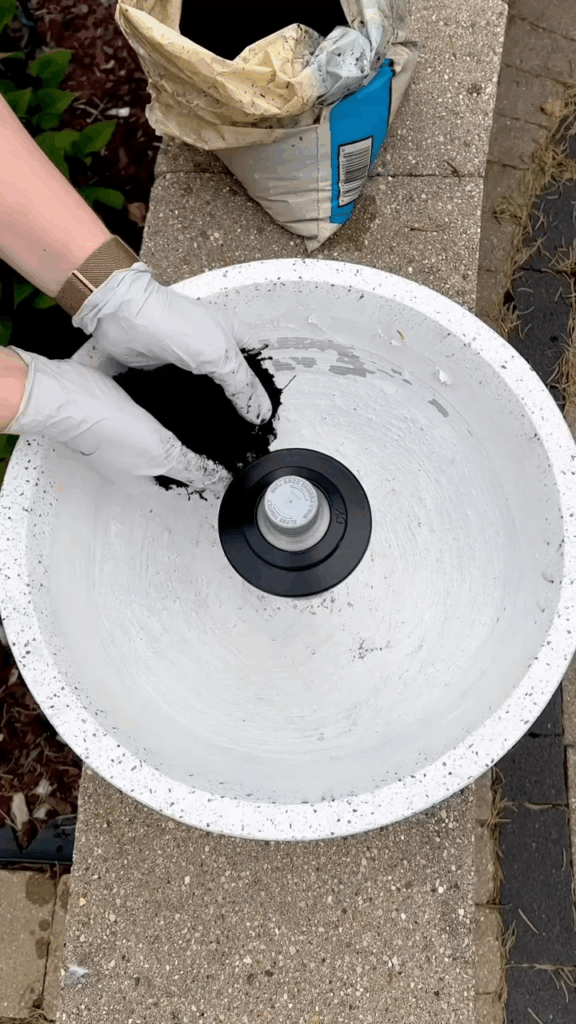
Smaller spaces such as balconies or compact patios still benefit from warm ambiance, and a table-top fire bowl offers a safe and stylish solution. This design typically uses a ceramic, concrete, or stone planter as the vessel. The key component is a Sterno or gel fuel canister placed in the center, which produces a controlled flame ideal for intimate settings. Decorative elements like polished river rocks, glass beads, or fire-rated pebbles can be arranged around the canister for visual appeal. Assembly is quick: simply position the canister, surround it with filler materials, and ensure the bowl is placed on a heat-resistant surface. Unlike wood-burning fire pits, this version produces no smoke, making it especially suitable for urban apartments or areas with burn restrictions. The lightweight setup allows easy portability from dining tables to side stands, extending use across various occasions. Safety is enhanced since gel fuel extinguishes cleanly with a snuffer lid, and replacement canisters are affordable. While it won’t provide the same heat output as larger pits, it excels at creating mood lighting and enhancing outdoor dining experiences. A fire bowl brings elegance and warmth to spaces where traditional fire pits may be impractical or prohibited.
Teardrop Shape Half-Wall Fire Pit
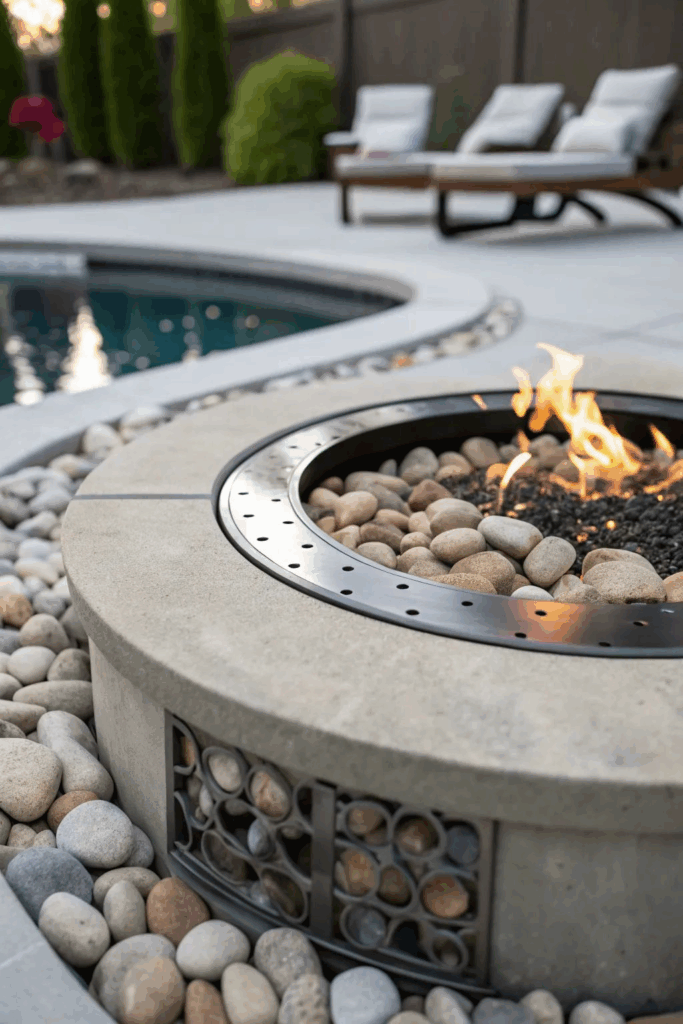
Creative layouts often become conversation pieces, and a teardrop-shaped half-wall fire pit introduces both style and functionality. By stacking stone or brick in a curved outline that tapers to a point, the design mimics the organic elegance of a droplet. The half-wall structure provides a built-in windbreak while leaving the opposite side open for easy access and airflow. Construction begins with marking the footprint and building a gravel foundation for drainage. Stones or bricks are laid in ascending tiers, using mortar or adhesive to stabilize the curved wall. The gradual slope of the wall reflects heat back toward seating, making gatherings more comfortable during cooler nights. This shape is particularly appealing in garden settings where asymmetry feels natural. To enhance the design, a steel insert can be placed in the pit’s center, protecting the wall from high flame exposure. The surrounding patio area can be finished with flagstone or pavers to balance the unique silhouette. Lighting accents or low-profile seating complete the inviting look. Though slightly more labor-intensive to shape compared to a simple circle or square, the end result offers sculptural interest that sets it apart from standard builds. The teardrop fire pit blends artistic appeal with practical warmth.
In-Ground Pit with Gravel Base

Low-profile fire pits often feel timeless, and sinking the fire area directly into the ground creates a natural gathering spot. Construction starts by digging a circular or square hole roughly 12–18 inches deep, depending on intended size. A layer of compacted gravel at the bottom ensures drainage, preventing rainwater from pooling. Surrounding the interior with fire bricks or a steel ring protects the soil walls from erosion and heat damage. Gravel or flagstone can also be used around the outer edge to define the pit and add safety from sparks. This style is inexpensive and uses few materials, making it one of the most accessible DIY builds. The recessed design reduces wind interference and contains flames more securely than above-ground versions. Seating can be arranged directly at ground level or on raised benches around the perimeter, creating a communal, campfire-like feel. Because of its subtle profile, it integrates seamlessly into natural landscapes, lawns, or wooded areas without disrupting sightlines. Maintenance involves clearing ashes regularly and ensuring the gravel remains level for stability. While permanent once constructed, the simplicity and affordability make in-ground pits a classic choice for anyone wanting an authentic outdoor fire experience that feels close to nature.
Brick or Stone Mosaic Border Fire Pit

Decorative detailing transforms ordinary builds into statement pieces, and a mosaic border fire pit achieves this by using patterned stone or brick. After preparing a gravel or concrete base, builders arrange materials in radial or geometric patterns, forming a ring that becomes both functional and artistic. Flat pavers, cobblestones, or cut bricks can be laid in alternating colors to create striking contrasts. Mortar or outdoor adhesive locks the design in place while maintaining a flush, stable surface. A metal liner or inset fire bowl provides heat resistance and protects the mosaic edges from flame exposure. Beyond aesthetics, the border offers a clean, polished transition between the fire pit and surrounding patio or lawn. This design also adapts well to different styles: rustic sandstone for traditional yards, slate or granite for modern themes, or reclaimed brick for vintage charm. Because the mosaic requires precise placement, patience and attention to detail are essential during construction. Once complete, the result is a fire feature that doubles as outdoor artwork. The durability of stone or brick ensures years of use, while the custom patterning guarantees a one-of-a-kind focal point. It’s an option that balances practicality with creativity, giving outdoor spaces personality and warmth.
Minimalist Steel Ring on Gravel Pad

Straightforward projects often deliver the most practical solutions, and a steel fire ring placed on a gravel pad offers durability with minimal effort. Prefabricated rings are available in various diameters, often powder-coated or galvanized for rust resistance. Installation requires only clearing an area, digging down slightly, and filling the base with compacted gravel for drainage and stability. The ring is then centered on the pad, containing the fire safely while protecting the ground around it. This setup requires no masonry, adhesives, or complex tools, making it ideal for beginners or renters who want a semi-permanent option. The gravel perimeter adds a clean, fire-safe surface that doubles as a seating zone. Accessories like spark screens, removable cooking grates, or log racks can be paired with the ring to expand its utility. Because of its simplicity, the steel ring suits a variety of landscapes, from wooded backyards to open patios. While the design is intentionally understated, it provides consistent performance and is easy to maintain. Ashes can be scooped out quickly, and the ring can be relocated if needed. For homeowners who value practicality and low cost, this approach delivers all the essentials of a fire pit without unnecessary complexity.
Reclaimed Stone or Log Surround

Sustainability-minded builders often look to materials already on hand, and reclaimed stone or logs provide a cost-effective, eco-friendly way to construct a fire pit surround. Uneven fieldstones, leftover landscaping blocks, or salvaged timber sections can be arranged around a fire ring or pit to form a rustic enclosure. Logs should be used decoratively, not structurally, and placed outside the immediate flame zone to avoid burning. Stones, on the other hand, create natural insulation and withstand high heat if non-porous. A gravel or sand base keeps the structure stable and ensures proper drainage. The irregular shapes of salvaged materials lend a natural aesthetic that feels as though the fire pit has always belonged in the landscape. Seating made from cut log rounds or additional stones reinforces the reclaimed look while reducing waste. Since no two reclaimed materials are identical, every build is unique, carrying character from its sources. Maintenance is minimal beyond occasional re-stacking if stones shift over time. The use of recycled resources reduces costs and environmental impact while delivering authenticity that new materials can’t always replicate. This method is perfect for woodland properties, cabins, or homeowners who appreciate handcrafted, eco-conscious design that celebrates natural imperfections.
Fire Pit Table Hybrid

Versatility in outdoor furniture design continues to grow, and hybrid fire pit tables combine the function of a traditional pit with the practicality of a surface for dining or lounging. These builds typically use a central gas burner or small wood pit surrounded by a wide ledge made from stone, tile, or heat-resistant concrete. The ledge acts as a tabletop, offering space for drinks, plates, or decorative accents. For DIY versions, builders often adapt sturdy patio tables by retrofitting them with a recessed burner insert or cut-out fire bowl. Propane-fueled designs are popular for clean burning, though wood-burning versions can be adapted with proper safety clearances. The raised height makes these hybrids particularly useful for patios where space is limited—providing warmth and utility in a single footprint. Materials should be fireproof and weather-resistant, and protective covers extend the life of the surface when not in use. The multifunctional nature of this project makes it ideal for entertaining, transforming outdoor spaces into flexible hubs for both relaxation and social gatherings. While construction is slightly more advanced, the payoff is a feature that feels luxurious and purposeful, blending ambiance with everyday convenience in a single centerpiece.
Asymmetrical Brick Stacked Wall Pit

Not all fire pits need perfect symmetry, and experimenting with uneven brick stacking creates a structure with character and visual depth. Instead of uniform layers, bricks are intentionally offset at varying heights, producing a dynamic wall around the fire bowl or gravel-filled core. This approach highlights texture and movement, giving the pit an artisanal, handcrafted appearance. Building begins with a solid gravel or sand base, then bricks are laid with careful irregularity, ensuring stability while avoiding predictable patterns. Mortar or adhesive may be used sparingly, but the beauty lies in the natural stagger of the layers. Taller sections of the wall can act as partial windbreaks, while lower areas provide easy access for adding wood or adjusting flames. This type of fire pit pairs especially well with eclectic gardens or artistic landscapes where uniform geometry feels too rigid. Materials like clay bricks, reclaimed pavers, or weathered stone blocks emphasize the organic, unrefined look. While unconventional, the design remains highly functional, containing fire safely while delivering a unique visual statement. Maintenance is simple—occasional re-leveling may be required if bricks shift over time. For those who prefer individuality over perfection, an asymmetrical stacked wall fire pit offers both warmth and personality.