
Entryways often fail not because of limited space, but due to poor storage decisions that quietly disrupt daily routines. From oversized furniture to ignored vertical space, small missteps can lead to clutter, wasted square footage, and constant frustration. Understanding common entryway storage mistakes helps homeowners and renters improve flow, accessibility, and organization without major renovations. Smart storage directly affects how quickly keys are found, shoes are managed, and mess is controlled. This guide breaks down practical errors seen in real homes and explains why correcting them creates a cleaner, more efficient entry that supports busy lifestyles and long-term functionality needs.
Oversized Furniture in Narrow Entryways
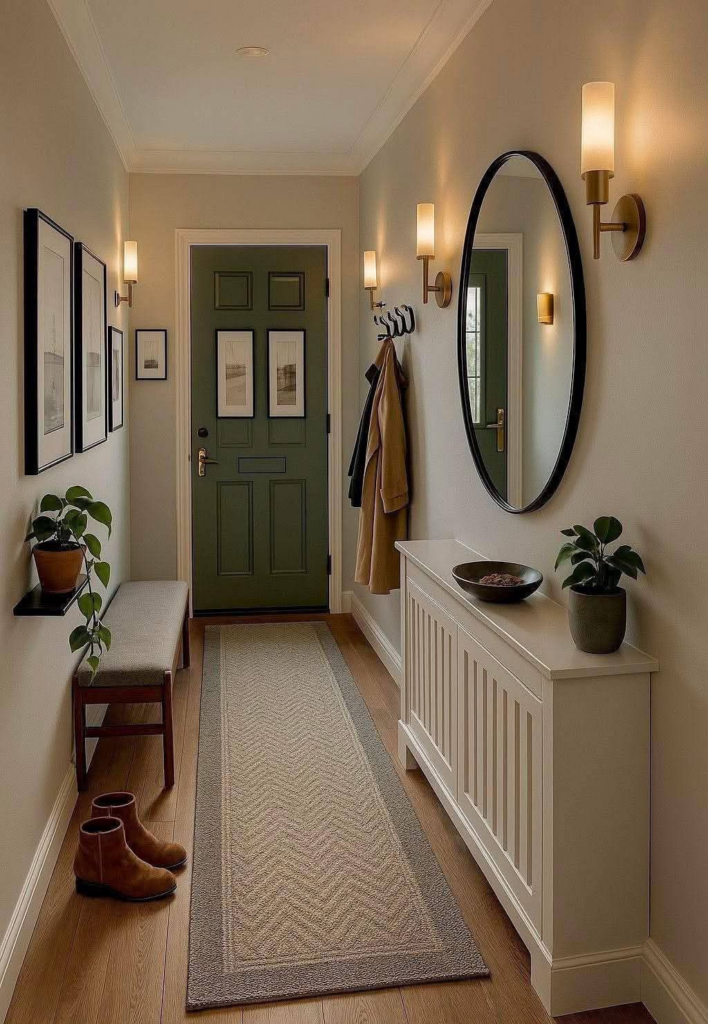
Crowded entrances often stem from scale mismatches rather than lack of storage. Large benches, bulky consoles, or wide shoe cabinets shrink usable walking clearance, making daily entry and exit feel awkward. Narrow entryways benefit from furniture that respects circulation paths while still offering utility. When oversized pieces dominate the footprint, doors collide with drawers, traffic stalls, and clutter piles up because movement feels restricted. Practical planning starts by measuring door swing, walkway width, and wall depth before selecting any item. Slim-profile benches, wall-mounted shelves, and shallow cabinets provide storage without choking the space. Visual weight also matters; thick legs, heavy bases, and dark finishes can overwhelm tight layouts even if dimensions seem acceptable. Opting for lighter silhouettes, open bases, or floating designs keeps the area breathable. Another issue appears during seasonal changes, when bulky furniture leaves no flexibility for boots, umbrellas, or coats. Entryways work best when furniture supports flow rather than competing with it. Prioritizing proportion over appearance prevents daily frustration and accidental damage to walls or doors. Thoughtful sizing ensures the entry feels welcoming, functional, and easy to navigate instead of cramped and chaotic from the first step inside.
No Closed Storage for Everyday Clutter

Everyday items rarely stay tidy without boundaries, and open-only storage exposes that reality fast. Shoes, keys, mail, pet leashes, and chargers tend to scatter when no concealed space exists to contain them. Open baskets and shelves may look appealing initially, but they demand constant upkeep to avoid visual noise. Over time, small items spill outward, making the entryway appear messy even when cleaned regularly. Closed storage offers controlled containment, allowing daily essentials to stay accessible yet hidden. Drawers, cabinets, and flip-down shoe compartments prevent clutter from dominating first impressions. Another overlooked benefit involves mental ease; visually calm spaces reduce stress during busy departures. Without closed options, homeowners often resort to stacking or piling, which wastes usable volume and complicates organization. Functional entryways balance open and concealed elements, reserving visible zones for intentional decor and hiding the rest. Selecting storage with doors or drawers tailored to actual habits keeps the area orderly without constant rearranging. A controlled system ultimately saves time, preserves aesthetics, and supports smoother daily routines from the moment someone walks in.
Ignoring Vertical Wall Space
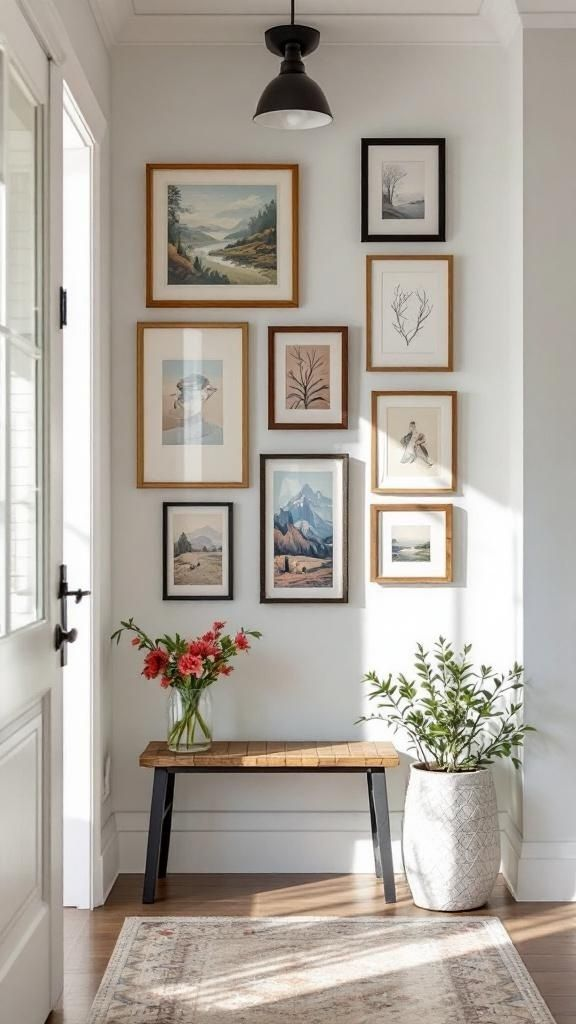
Wall height often remains underused, leaving valuable storage potential untouched. Floor-level solutions alone cannot handle coats, accessories, and daily gear efficiently, especially in compact homes. When vertical surfaces stay bare, items drift onto benches, tables, or floors, creating avoidable clutter. Tall walls provide opportunities for hooks, shelves, cabinets, and peg systems that expand capacity without consuming square footage. Upper storage zones work well for seasonal items, spare bags, or infrequently used accessories, while mid-level zones handle daily needs. Overlooking this dimension limits adaptability and forces overcrowding at eye level. Another concern involves balance; without vertical elements, entryways can feel bottom-heavy and visually unfinished. Well-placed wall storage also improves ergonomics by distributing items logically from head height to floor. Adjustable rails or modular panels allow layouts to evolve with changing routines. Using the full wall height transforms entryways into organized zones rather than drop areas. Thoughtful vertical planning improves storage efficiency, keeps pathways clear, and supports long-term functionality without sacrificing comfort or style.
Lack of a Clear Drop‑Zone System
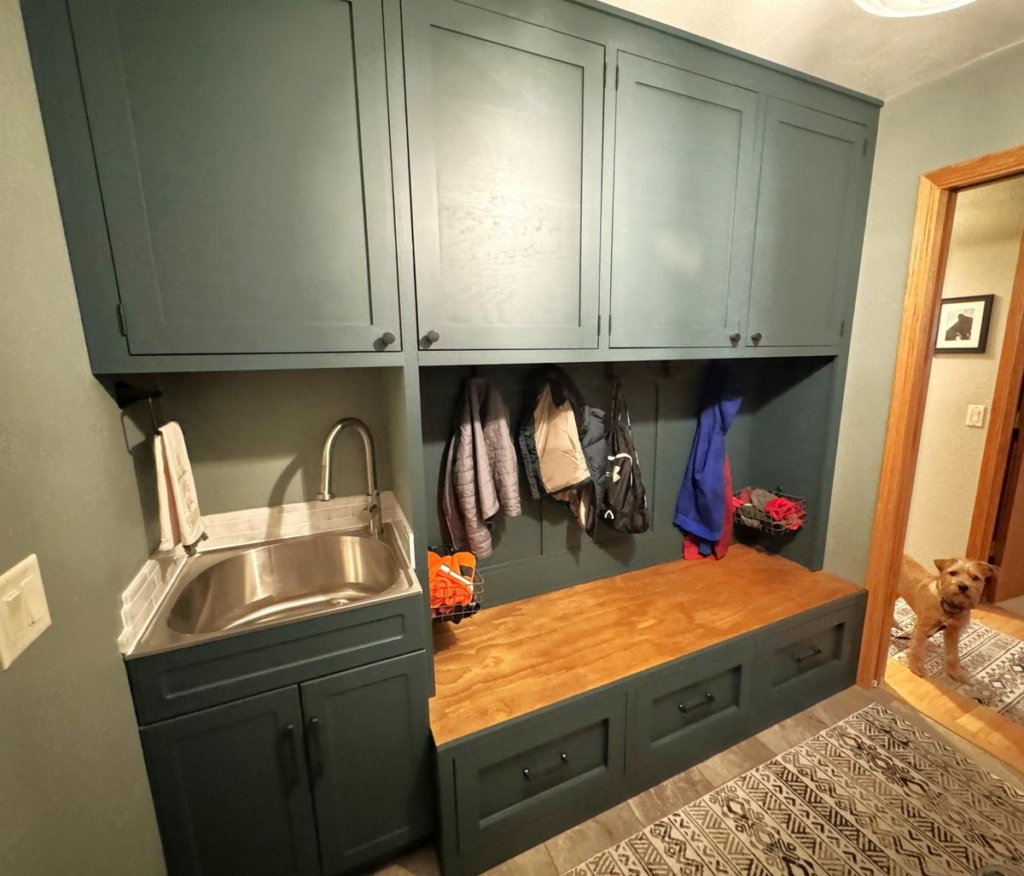
Disorganization often starts with uncertainty about where items belong. When keys, wallets, phones, and mail lack assigned landing spots, they migrate across surfaces unpredictably. This absence of a defined drop-zone creates daily frustration, especially during rushed mornings. Entryways function best when arrival and departure behaviors guide layout decisions. A reliable drop-zone includes a dedicated tray, drawer, shelf, or wall-mounted pocket positioned exactly where hands naturally reach. Without this structure, even ample storage fails to prevent clutter buildup. Another issue arises when multiple household members share the space; items intermingle, increasing the risk of loss or duplication. Clear zones establish accountability and routine, reducing search time and stress. Drop-zones should also align with storage type, separating fragile items from heavy ones and paper from electronics. Durable, easy-to-clean surfaces matter here due to frequent use. Establishing intentional landing areas transforms chaotic entryways into predictable systems that support daily flow, prevent misplaced essentials, and maintain visual order without constant effort.
Choosing Looks Over Functionality

Style-driven decisions often overlook how entryways operate under real use. Furniture or storage selected solely for appearance may lack durability, capacity, or accessibility. Decorative consoles without drawers, narrow hooks that fail under weight, or delicate shelves prone to sagging quickly become liabilities. Entryways endure heavy traffic, moisture, dirt, and repetitive handling, demanding materials and layouts that withstand daily wear. When form overrides function, homeowners compensate by improvising, which leads to clutter and inefficiency. Functional planning starts with assessing habits: footwear volume, bag weight, coat frequency, and seasonal rotation. Storage should match these demands before aesthetic details enter the conversation. Visual appeal still matters, but it should support usability rather than undermine it. Finishes, proportions, and hardware can remain attractive while serving a clear purpose. Practical solutions last longer, reduce replacement costs, and improve everyday comfort. Prioritizing function ensures the entryway works consistently, not just photographically, delivering lasting value alongside visual harmony.
Skipping Wet‑Weather Storage Solutions

Rain, snow, and mud introduce unique challenges that standard storage often cannot handle. Without designated areas for damp shoes, umbrellas, and outerwear, moisture spreads quickly across floors and walls. This oversight leads to slippery surfaces, damaged finishes, and unpleasant odors. Wet-weather solutions protect the home by containing mess at the entry point. Drip trays, waterproof mats, ventilated shoe racks, and umbrella stands manage moisture efficiently. When these elements are missing, people resort to leaving wet items wherever space allows, compounding damage over time. Ventilation also matters; enclosed damp storage without airflow encourages mold and material breakdown. Durable, water-resistant materials such as metal, treated wood, or plastic perform better in these conditions. Seasonal planning helps, allowing flexible storage that adapts during rainy months. Integrating moisture-conscious features preserves cleanliness, extends material lifespan, and keeps the entryway safe. Preparing for wet conditions prevents recurring cleanup issues and protects surrounding spaces from unnecessary wear.
Using Deep Bins for Daily‑Use Items

Oversized containers often hide more than they help when used for frequently accessed items. Deep bins encourage dumping rather than organizing, burying essentials beneath layers of unrelated belongings. This setup slows routines, forcing repeated digging for shoes, gloves, or accessories. Daily-use storage works best when visibility and separation are prioritized. Shallow drawers, divided trays, or tiered racks allow quick identification and retrieval. Deep bins also discourage maintenance, since contents remain out of sight until overflow occurs. Another issue involves weight; overfilled containers become difficult to move or clean. For shared households, deep storage increases confusion as items mix without boundaries. Purpose-driven compartments support consistent habits and reduce friction during busy moments. Limiting depth encourages thoughtful placement and prevents accumulation of unnecessary items. Right-sizing storage to usage frequency keeps the entryway efficient, predictable, and easier to maintain, ensuring essentials remain accessible without constant reorganization.
Wasting Mirror Space Without Storage
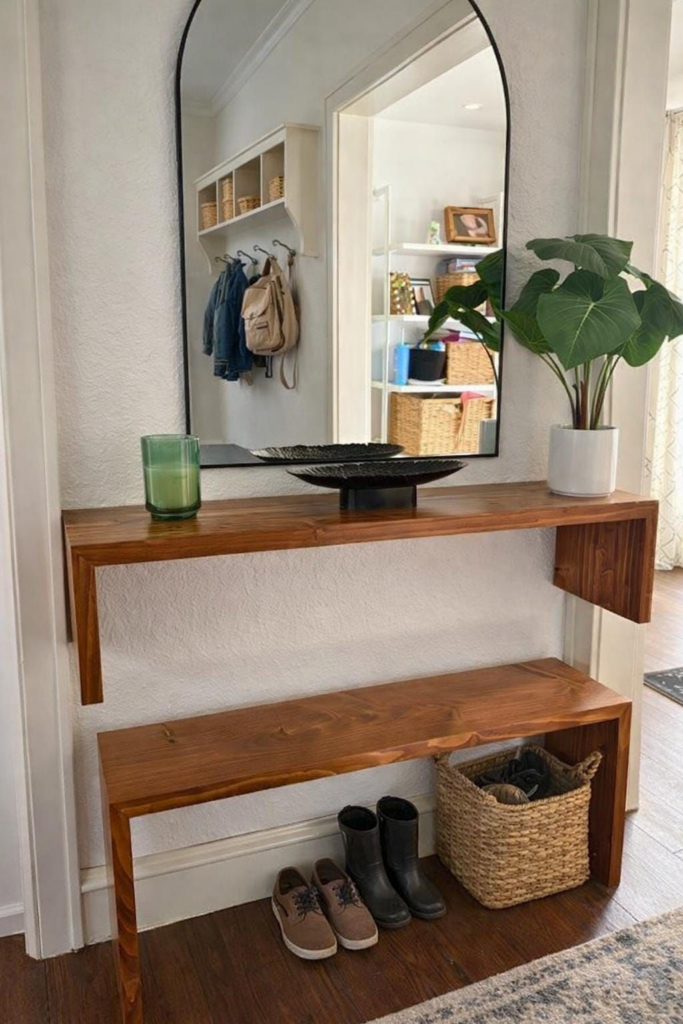
Mirrors often occupy prime entryway real estate yet serve only one function. While reflective surfaces help with quick appearance checks and light distribution, ignoring their storage potential wastes valuable wall area. Behind-mirror cabinets or integrated shelves provide discreet space for keys, sunglasses, and small accessories. Without this integration, nearby surfaces collect clutter unnecessarily. Mirror-adjacent storage keeps essentials within reach while maintaining a clean visual profile. Slim-depth designs prevent bulkiness and preserve wall clearance. Another advantage involves habit reinforcement; items stored at eye level are less likely to be forgotten. When mirror space remains purely decorative, additional furniture becomes necessary, increasing congestion. Multi-functional mirror solutions support efficiency without sacrificing aesthetics. Utilizing this vertical zone improves organization, reduces reliance on extra furniture, and enhances daily routines by consolidating grooming and storage tasks in one intuitive location.
No Dedicated Spot for Bags or Backpacks
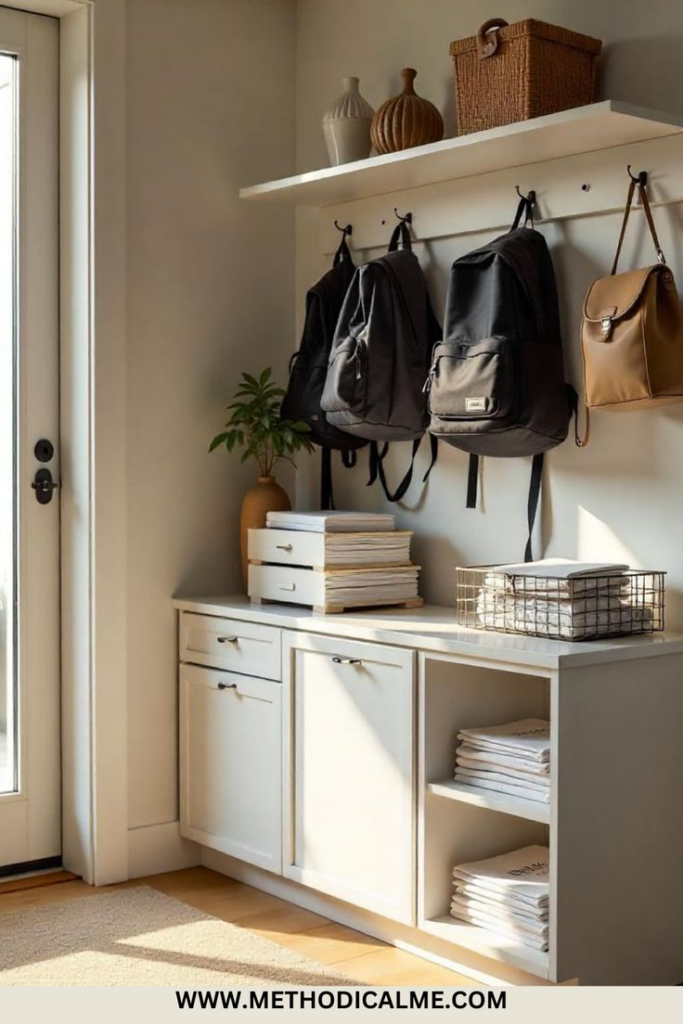
Bags often end up on floors, chairs, or door handles when no proper storage exists. This habit creates tripping hazards, damages straps, and accelerates wear. Entryways benefit from designated bag zones that support weight and frequent handling. Hooks rated for heavy loads, cubbies, or shelves with vertical clearance keep bags accessible and protected. Without assigned placement, bags clutter pathways and compete with footwear or coats for space. School backpacks and work bags also require separation to prevent tangling and confusion. Height matters here; hooks positioned too high discourage use, while low placements invite dragging. Durable materials and secure mounting prevent failures under daily stress. Establishing a consistent bag station improves order, preserves belongings, and keeps the entryway functional during peak traffic times. Clear bag storage simplifies departures and maintains a safer, cleaner environment.
Installing the Wrong Type of Hooks
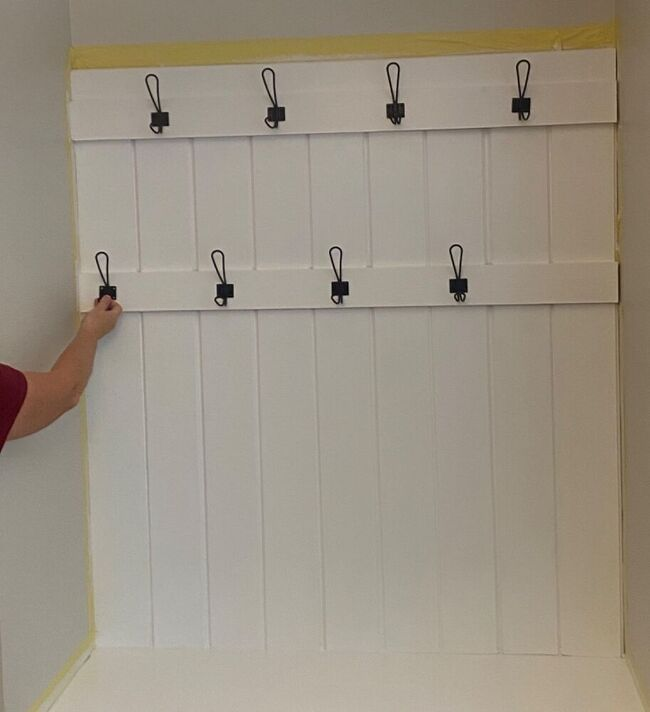
Hook selection directly affects storage reliability and safety. Decorative hooks often lack the strength or shape needed for heavy coats and bags, leading to bending or detachment. Shallow hooks allow items to slip off easily, creating floor clutter and frustration. Functional hooks should match intended use, considering weight, frequency, and user height. Double-prong or curved designs provide better grip and distribution. Material choice also matters; metal outperforms plastic under daily stress. Improper spacing between hooks causes overcrowding and tangling, reducing efficiency. Mounting hardware must suit wall type to prevent loosening over time. Selecting hooks based on real needs ensures consistent use and minimizes damage. Reliable hook systems support organized routines, prevent repeated failures, and maintain the entryway’s integrity without constant repairs or adjustments.
Failing to Categorize or Label Storage
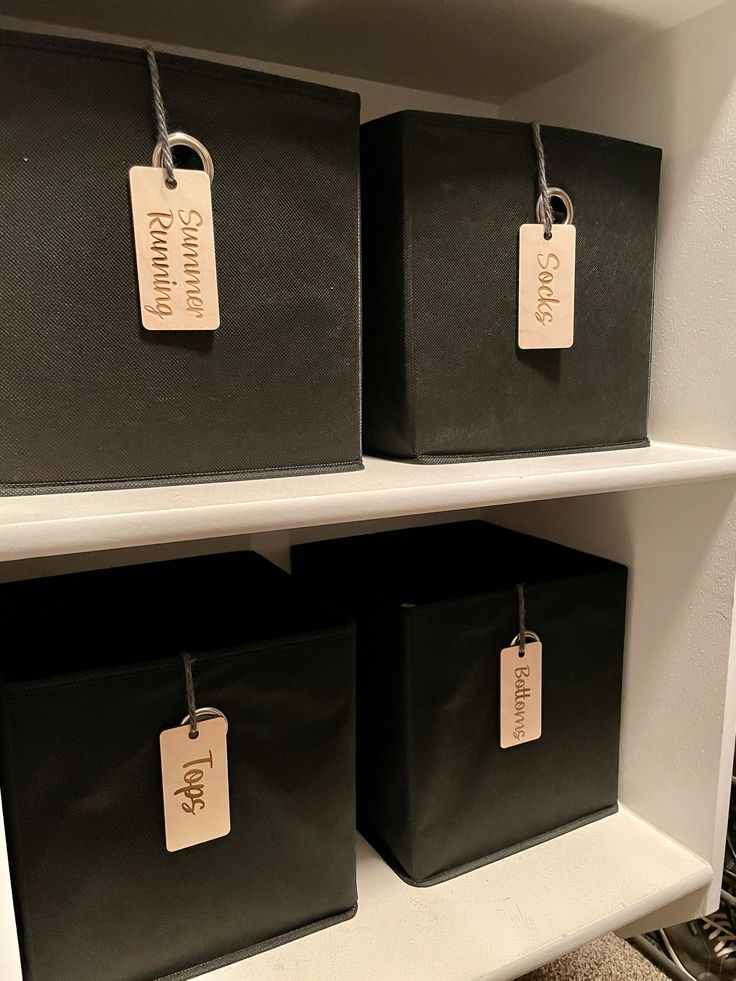
Mixed storage without clear categories invites disorder, even with ample capacity. When shoes, accessories, mail, and tools share undefined spaces, retrieval becomes inefficient and clutter accumulates quickly. Categorization assigns purpose to each zone, guiding placement and maintenance. Labels further reinforce habits, especially in shared households. Without visual cues, items drift into convenient but incorrect locations. Categorized storage reduces decision fatigue and speeds daily routines. It also simplifies cleaning, since misplaced items become immediately obvious. Flexible labeling systems allow adjustments as needs change. Clear divisions prevent overstuffing and help track inventory, such as seasonal gear or frequently used items. Organized entryways rely on clarity as much as capacity. Structured categorization keeps storage systems functional long-term and supports consistent order without constant reminders.
Ignoring Personal Style in Storage Design

Storage that clashes with personal taste often feels temporary or unsatisfying. When entryway solutions ignore preferred colors, materials, or aesthetics, users disengage from maintaining them. Functional systems work best when they align with lifestyle and visual preferences. Style-consistent storage encourages consistent use, reinforcing organization habits naturally. Generic solutions may meet basic needs but fail to integrate emotionally with the space. Personal style influences material choice, finish, and layout, shaping how welcoming the entry feels. Customization does not require complexity; small choices like hardware, textures, or color coordination make systems feel intentional. Ignoring this aspect leads to frequent replacements or neglect. Storage should reflect the household’s character while supporting daily routines. Harmonizing function with personal taste ensures longevity, satisfaction, and a cohesive entryway that feels both practical and inviting.