
Modern entryways set expectations for the entire home, and sage green has emerged as a preferred choice for homeowners seeking calm luxury with contemporary appeal. This versatile hue balances warmth and freshness, working seamlessly with clean lines, curated textures, and refined finishes. An elegant modern sage green entryway supports better flow, visual order, and a welcoming first impression without feeling cold or overly minimal. Practical storage, layered lighting, and subtle contrast play a crucial role in achieving this look. This guide focuses on stylish, realistic ideas that suit everyday homes while aligning with current interior design trends and lasting value.
Sage Green Feature Wall with Contrast Trim
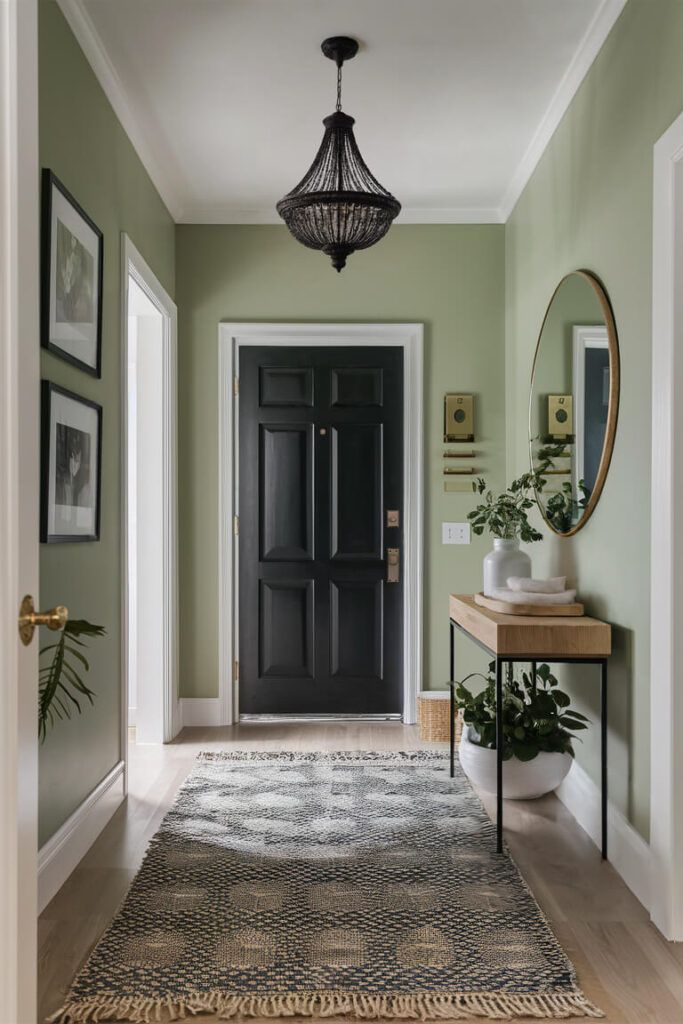
When a single wall carries sage green, architectural clarity comes from precise contrast trim. Crisp off-white, warm ivory, or muted greige outlines sharpen the color without overpowering an elegant modern entryway. Trim applied as panel molding, picture-frame borders, or slim battens introduces structure while keeping the look calm and intentional. Sage performs best here in a satin or eggshell finish, which reflects light softly and avoids chalkiness. Contrast trim should stay narrow to prevent visual heaviness and maintain a refined scale suited for entry zones. This approach defines the entryway immediately, helping guests read the space as designed rather than transitional. Trim placement aligned with door frames or ceiling height keeps proportions balanced and avoids awkward breaks. For homes with limited square footage, the feature wall anchors the palette without spreading color excessively. Sage green walls paired with light trim also photograph beautifully, a practical benefit for homeowners who value timeless resale appeal. Maintenance stays simple, as trim protects edges from scuffs common in high-traffic entryways. Overall, a controlled contrast wall delivers visual interest, spatial definition, and a polished first impression without relying on excess decor or trend-driven finishes.
Matte Sage Console with Minimal Hardware
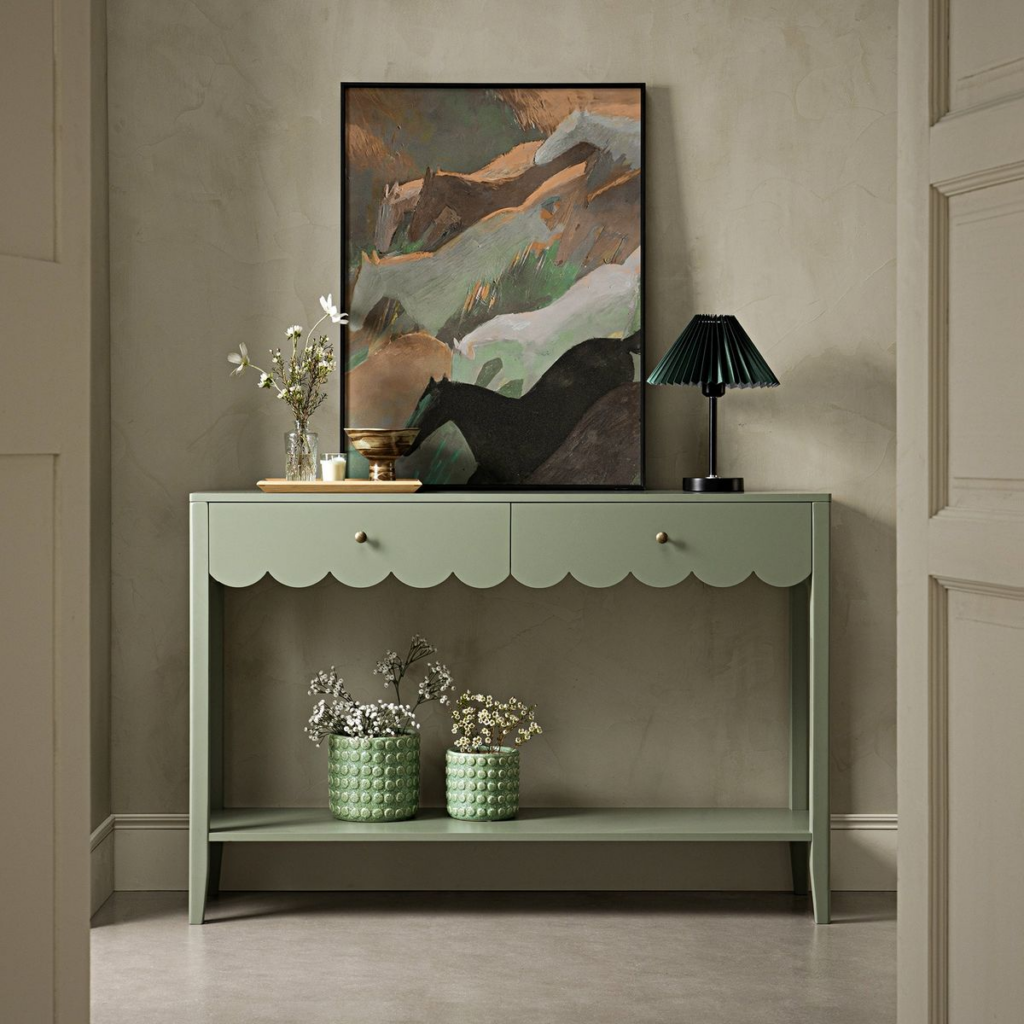
For an entryway that feels composed and uncluttered, a matte sage console offers quiet presence without visual noise. Matte finishes reduce glare and fingerprints, making them ideal for daily use near doors. Flat-front drawers or slab doors paired with push-latch systems maintain a clean profile, while slim pulls in brushed metal add subtle function if needed. Console proportions should favor shallow depth to preserve circulation while still accommodating essentials like keys, mail, or sunglasses. Sage green works especially well on wood or MDF with fine grain, reinforcing a modern yet approachable mood. Hardware selection matters; minimal forms in blackened steel or soft brass prevent distraction and support an elegant tone. Placement beneath a mirror or artwork creates a functional landing zone without crowding the wall. This console style supports organized living, reducing clutter buildup that often defines entry spaces. Durable finishes resist wear from frequent contact, ensuring longevity. With thoughtful sizing and restrained detailing, a matte sage console becomes a practical anchor that supports both aesthetics and everyday routines in a refined modern entryway.
Sage and Warm Wood Balance Rule

With sage green, warmth from natural wood prevents the palette from feeling flat or cool. The balance rule centers on proportion: one dominant material supported by complementary accents. In entryways, sage often leads through walls or furniture, while oak, walnut, or ash grounds the space visually. Wood tones should lean warm rather than gray to preserve harmony. Grain direction matters; vertical wood elements subtly enhance ceiling height, while horizontal benches or consoles widen narrow halls. Finishes should stay low-sheen to match sage’s softness and avoid contrast clashes. This pairing suits modern homes because it bridges contemporary color with organic familiarity. Consistency across elements keeps the look intentional, so repeating the same wood tone in hooks, frames, or benches strengthens cohesion. Avoid mixing too many species, which can dilute the calming effect. The result feels balanced, welcoming, and timeless, offering a natural transition from exterior to interior while maintaining an elegant modern entryway aesthetic that remains practical for everyday living.
Oversized Mirror for Light Boost

If natural light feels limited, an oversized mirror becomes a strategic solution rather than mere decor. Large mirrors reflect daylight deeper into the entryway, reducing shadows and enhancing sage green’s subtle undertones. Placement opposite a window or near the front door maximizes brightness without adding artificial glare. Thin frames in black, brass, or wood maintain a modern profile while complementing the sage palette. Scale matters more than ornamentation; a single expansive mirror reads cleaner than multiple smaller pieces. Beyond light reflection, mirrors visually expand narrow entryways, creating a sense of openness. Mounting height should align with eye level for everyday usability while keeping proportions balanced with surrounding furniture. Safety glass and secure anchoring ensure durability in high-traffic zones. An oversized mirror also supports daily routines, offering a final check before leaving home. Paired with a sage console or bench, it completes a functional vignette that feels polished, efficient, and visually uplifting without overwhelming the space.
Sage Green Bench with Hidden Storage

Beyond seating, a sage green bench with concealed storage solves multiple entryway challenges at once. Upholstered or wood-topped designs provide a practical spot for shoes while hiding clutter beneath lift-up lids or drawers. Sage upholstery introduces color softly, especially when paired with textured fabrics like performance linen or woven blends. Storage compartments keep footwear, bags, or seasonal accessories out of sight, supporting a clean first impression. Bench length should align with wall width to avoid crowding walkways. Slim legs or recessed bases maintain a light visual footprint, reinforcing modern appeal. Durable materials handle daily wear, particularly in family homes. Positioning near the door encourages consistent use, reducing mess migration into living areas. This multifunctional piece enhances organization while reinforcing the overall color scheme. A sage storage bench balances comfort, practicality, and elegance, making it a reliable foundation for an entryway designed for both style and routine efficiency.
Modern Neutral Wall Hooks

Understated wall hooks in neutral tones offer everyday function without disrupting a refined sage palette. Finishes like matte black, warm gray, or brushed metal provide contrast while remaining visually quiet. Clean silhouettes with rounded edges or linear profiles align with modern design principles. Hook spacing should allow coats and bags to hang freely, preventing visual clutter. Mounting hooks at staggered heights accommodates varied household needs while adding subtle rhythm to the wall. Neutral hooks pair seamlessly with sage green backgrounds, ensuring accessories become secondary rather than dominant. Durable materials such as powder-coated steel resist scratches and maintain appearance over time. Installation near entry doors promotes organization, reducing dropped items on consoles or floors. This approach keeps the entryway practical while preserving elegance. Thoughtfully selected neutral hooks support daily routines, reinforce order, and maintain the calm, modern character expected from an elegant sage green entryway.
Tone-on-Tone Sage Layering

Through tonal variation, sage green gains depth without introducing competing colors. Layering lighter and deeper sage shades across walls, furniture, and textiles creates cohesion while avoiding monotony. Subtle shifts in undertone add richness that reads intentional rather than flat. Texture plays a crucial role; matte paint, woven fabrics, and smooth finishes differentiate surfaces while staying within the same color family. This method suits modern entryways by maintaining visual calm and reducing contrast overload. Consistent undertones prevent color clash, so samples should be tested together under actual lighting conditions. Limiting layers to three shades keeps the look refined. Accessories in neutral hues provide breathing room, ensuring sage remains the focus. The result feels curated and sophisticated, offering a seamless color story that welcomes guests with quiet confidence and enduring style.
Slim Runner to Ground the Palette
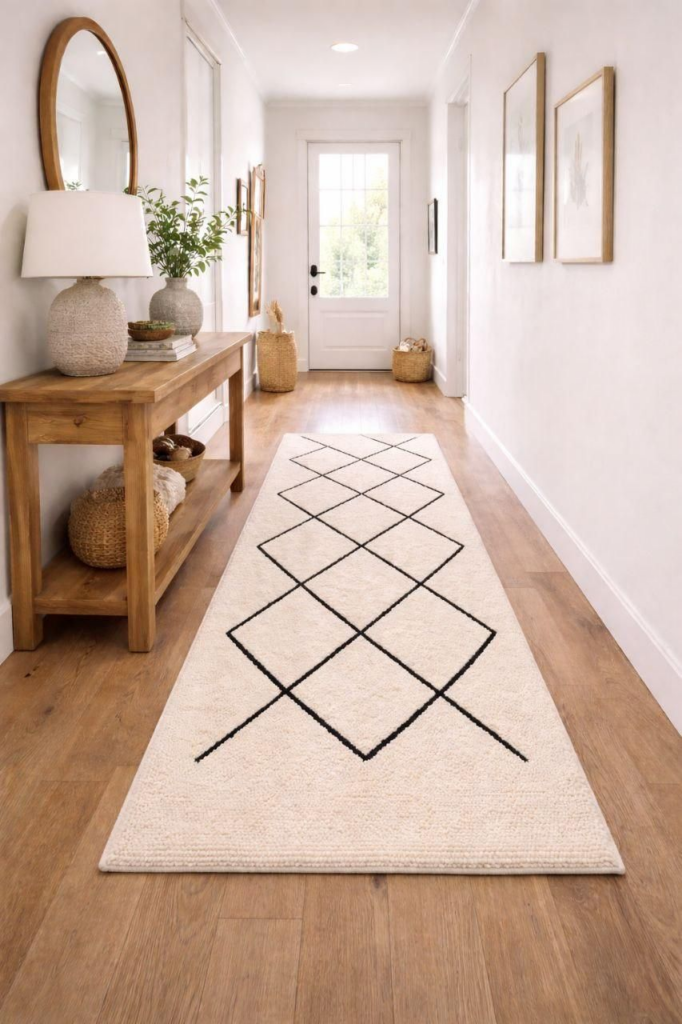
Alongside sage green surfaces, a slim runner anchors the entryway and protects flooring. Neutral patterns with soft contrast ground the palette without overpowering it. Low-pile construction ensures easy door clearance and safe footing. Runner length should extend most of the walkway, visually guiding movement while defining the zone. Subtle texture adds interest without introducing bold color shifts. Durable fibers like wool blends or performance synthetics handle high traffic and seasonal debris. Placement centered within the space maintains symmetry and balance. A well-chosen runner ties together sage walls, wood accents, and metal details, reinforcing cohesion. This practical layer enhances comfort underfoot while completing the entryway with a finished, intentional look that supports daily use.
Minimal Organic-Shape Wall Art
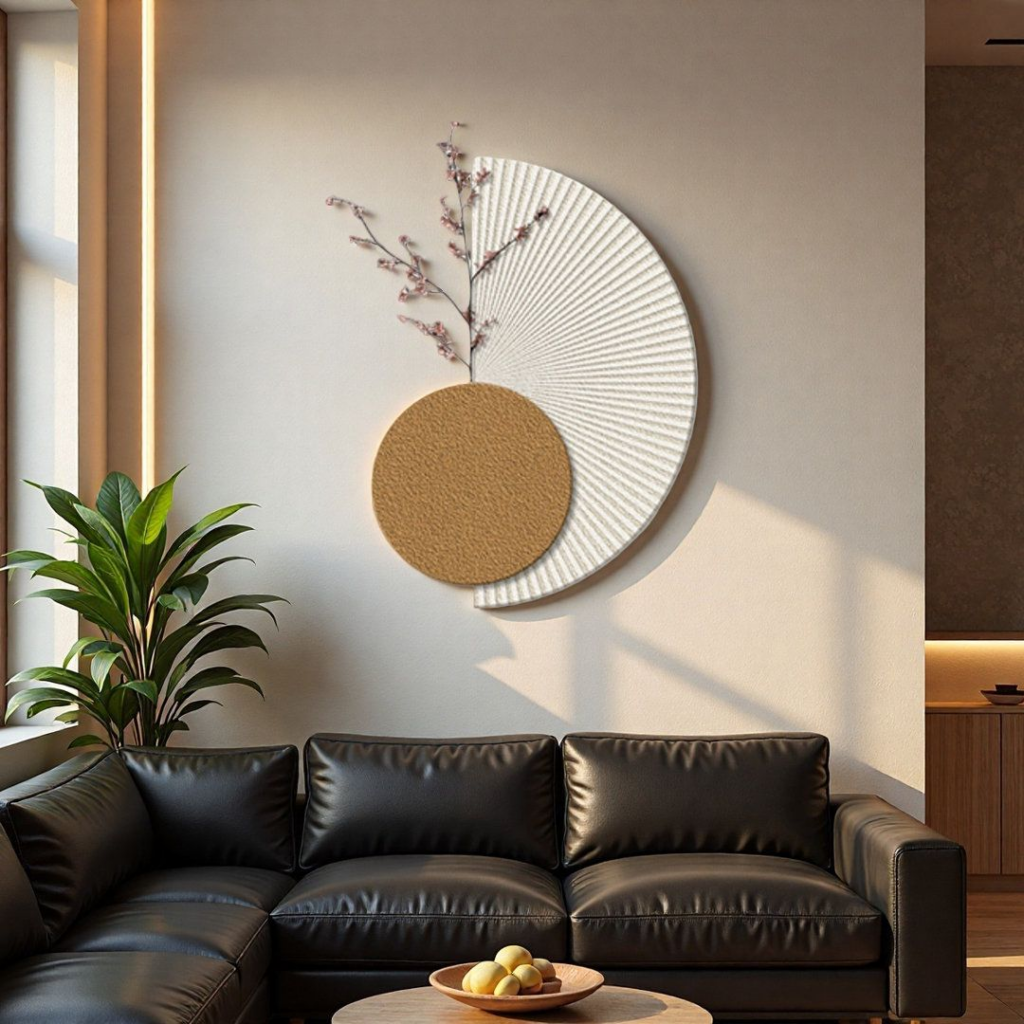
Across sage green walls, organic-shaped art introduces softness that offsets clean architectural lines. Abstract forms, curved silhouettes, or nature-inspired motifs complement sage’s calming qualities. Neutral palettes with hints of warm tones maintain balance and avoid visual noise. Artwork scale should relate to wall size, favoring fewer pieces over clustered arrangements. Lightweight frames or frameless canvases keep the look modern. Placement at eye level ensures visual harmony with nearby furniture. Organic art adds personality without competing for attention, supporting an elegant entryway atmosphere. Materials like plaster, linen, or textured paper enhance depth subtly. This restrained approach personalizes the space while preserving clarity and modern appeal.
Controlled Black or Brass Accents
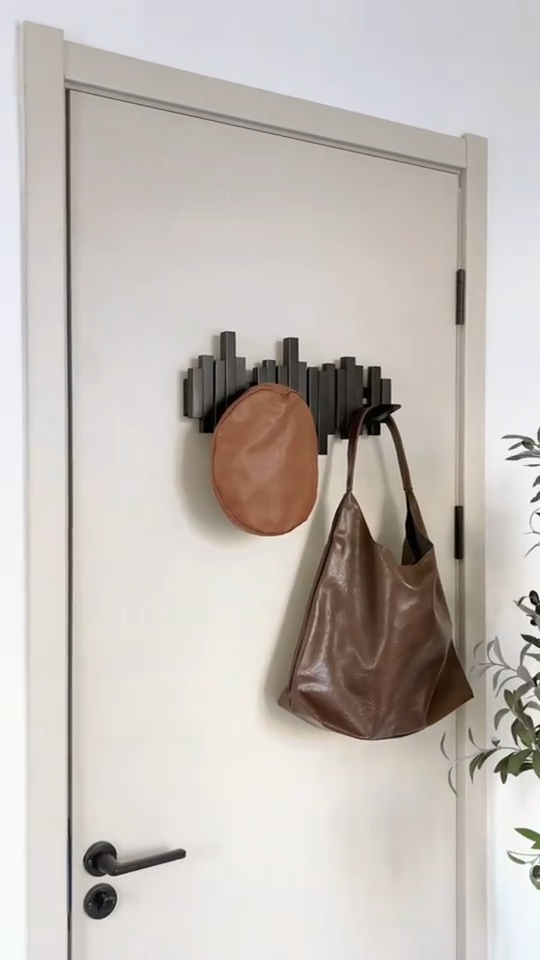
Selective use of black or brass accents brings definition to sage green entryways without overpowering the palette. These finishes act as visual punctuation, outlining forms and guiding the eye toward key functional points. Black works best for crisp contrast on hooks, mirror frames, or door hardware, especially in homes with clean architectural lines. Brass introduces warmth and subtle reflectivity, pairing naturally with sage’s muted undertones. Restraint is essential; limiting metals to two or three repeating elements keeps the space composed rather than busy. Consistency in finish prevents fragmentation, so mixing polished and matte versions should be avoided. Placement should align with use, allowing accents to feel purposeful instead of decorative filler. Lighting fixtures, drawer pulls, and small trays offer controlled opportunities for metal presence. Against sage walls, these accents sharpen edges and improve depth perception. The result feels intentional, modern, and timeless, balancing softness with structure. Properly scaled metal details also age well, resisting trend fatigue. When applied thoughtfully, black or brass accents elevate functionality while reinforcing the calm, elegant identity of a modern sage green entryway. This approach supports resale appeal, daily durability, and visual order, making it reliable for households seeking clarity and long term design confidence overall.
Natural Texture Add-Ins
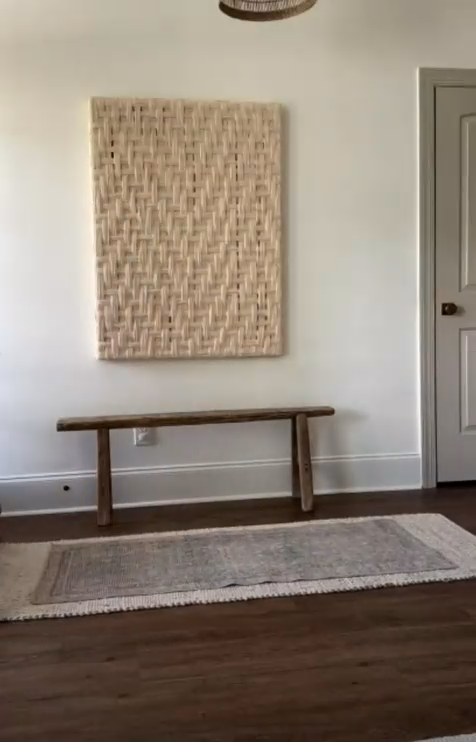
Natural texture add-ins prevent sage green entryways from feeling flat by introducing tactile contrast that complements the muted palette. Woven fibers, raw wood, stone, and ceramic surfaces soften modern lines while preserving visual discipline. Texture should appear intentional, not layered excessively, so each material serves a clear role. A woven basket manages daily clutter, a linen bench cushion adds comfort, and a stone tray organizes essentials. These elements provide sensory interest without adding competing colors. Scale matters; oversized textures overwhelm small entryways, while subtle finishes maintain balance. Repetition strengthens cohesion, so echoing similar textures across accessories keeps the space unified. Durable materials perform best near doors, resisting moisture, dust, and frequent handling. Texture variation also improves lighting response, creating gentle shadow play against sage walls. This depth enhances warmth without sacrificing a clean aesthetic. Thoughtful texture selection supports longevity, aging gracefully as trends shift. When restrained and purposeful, natural texture becomes the quiet layer that makes a sage green entryway feel welcoming, grounded, and comfortably refined. Such detailing reinforces craftsmanship, supports everyday routines, and appeals to design focused homeowners who value calm interiors with practical materials and lasting visual balance throughout transitional spaces within modern residential entryway environments today consistently.
Warm Lighting for Sage Tones
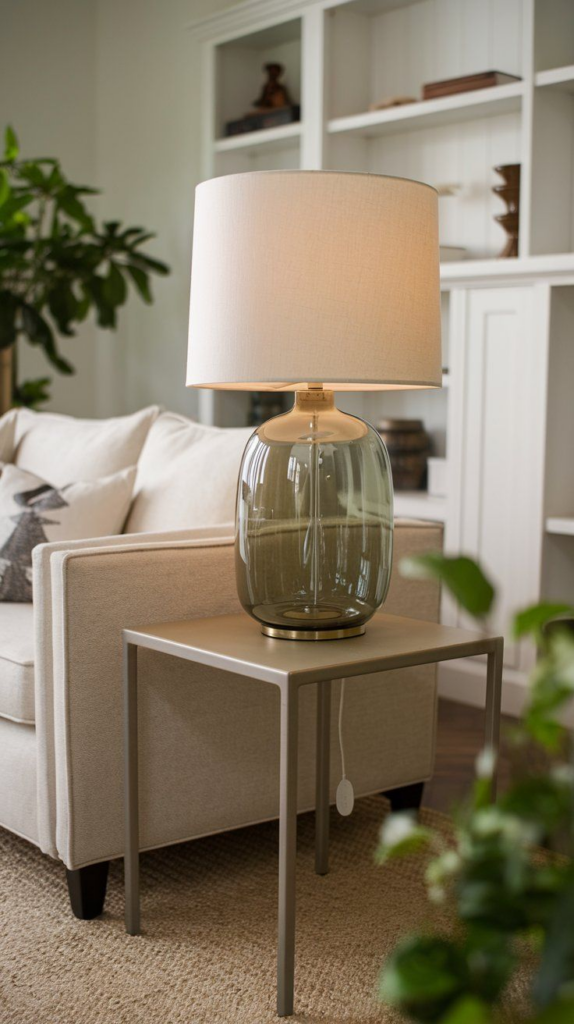
Warm lighting determines how sage green reads throughout the day, making fixture choice critical in entryway design. Bulbs within the 2700K to 3000K range reveal sage’s earthy undertones while preventing a gray cast. Layered lighting improves function, combining ambient glow with targeted illumination near mirrors or consoles. Wall sconces reduce ceiling clutter and distribute light evenly across vertical surfaces. Shades with diffusers soften output, avoiding harsh shadows that flatten color. Finish selection also matters, as brass or black fixtures subtly reinforce surrounding accents. Proper spacing prevents dark corners and maintains visual balance. Lighting positioned at eye level enhances usability during daily routines. Dimmers offer flexibility, adapting brightness to daylight conditions and evening moods. Consistent warmth keeps sage cohesive with wood textures and neutral finishes. Energy efficient LED options deliver longevity without sacrificing color accuracy. Thoughtful lighting design ensures sage green remains inviting, polished, and practical, supporting both aesthetics and comfort in a modern entryway. Balanced illumination also improves safety, supports visual clarity at transitions, and reduces eye strain, which is especially valuable in compact or window limited entryways used multiple times daily by busy households seeking dependable comfort, efficiency, and long term performance without visual fatigue or inconsistency issues overall.