
Upgrading a deck doesn’t always require a big budget—sometimes, the railing alone can redefine the entire outdoor space. The right design adds both safety and personality, turning a simple structure into a welcoming retreat for relaxation or entertaining. From rustic wood styles to modern metal accents and repurposed materials, there are endless creative ways to customize. This guide brings together the best DIY deck railing ideas that are cost-friendly, practical, and stylish, offering homeowners smart solutions for functional and eye-catching upgrades.
Cable Rail with Wooden Posts

Sleek metal lines paired with the warmth of timber create a railing system that balances modern style with natural charm. Stainless steel cables run horizontally between sturdy wooden posts, giving a clean, open look while ensuring safety. This approach is especially popular because it doesn’t obstruct outdoor views, making it ideal for decks overlooking gardens, forests, or waterfronts. The tensioned cables are durable, resistant to weathering, and require minimal upkeep compared to traditional wooden balusters. To keep the structure visually appealing, many homeowners select cedar, redwood, or pressure-treated pine for the posts, which can be stained to match the overall deck design. Installation typically involves drilling post holes for cable fittings and ensuring consistent spacing for a uniform appearance. For those who prefer a DIY challenge, cable railing kits are widely available and designed to simplify the process. The sleek horizontal layout also complements contemporary and rustic deck settings alike, making it a versatile choice. Whether paired with wide stairs or wrapped around an upper-level deck, this option maximizes light and air flow while maintaining a strong architectural presence. It’s a practical way to highlight craftsmanship while letting the surrounding landscape remain the true focal point.
Aluminum Balusters with Matching Rails

Durability meets style when aluminum balusters are paired with matching top and bottom rails. This railing solution is lightweight yet sturdy, resistant to rust, and designed to withstand years of exposure to sun and rain without warping or splitting. Aluminum balusters come in powder-coated finishes, often in black, bronze, or white, allowing them to complement a variety of deck materials. Their slim profile helps keep sightlines open, making the outdoor area feel more expansive. For homeowners who prefer easy installation, pre-drilled rail systems simplify alignment, while universal brackets reduce the need for complicated cuts. Matching rails ensure a cohesive look and can be styled with either a flat or rounded top, depending on whether the deck is used more for casual lounging or formal dining setups. Many DIY enthusiasts appreciate aluminum because it requires little maintenance beyond the occasional wash, eliminating the need for sanding, staining, or sealing. Another advantage is its compatibility with both wood and composite decking, offering flexibility in design choices. For a custom touch, some add decorative rail caps or mix aluminum with wood posts to blend traditional and contemporary aesthetics. It’s a reliable choice for homeowners seeking long-term performance without compromising style.
Frameless Glass Panel Sections

Expansive, uninterrupted views are possible with frameless glass panels that serve as deck railings. Tempered glass, known for its strength and safety, is secured at the base with discreet clamps or channels, eliminating the need for bulky posts or frames. This design is especially popular for decks that overlook oceans, lakes, or scenic landscapes, where preserving the view is just as important as ensuring safety. The panels are typically four to six feet wide, allowing for fewer joints and a smoother appearance. While glass railings may seem high-maintenance, most are treated with coatings that resist fingerprints, water spots, and UV damage. Regular rinsing with mild soap keeps them looking clear and polished. From a functional perspective, glass blocks wind better than open balusters, making it comfortable to relax outdoors even on breezy days. Homeowners who want additional privacy can opt for frosted or tinted panels. Installation is best handled with precision, but DIY kits with modular sections are widely available, complete with hardware designed for safety compliance. Though the upfront investment is higher than wood or aluminum, the effect is striking. Frameless glass panels lend a sleek, contemporary finish that transforms a deck into a resort-like retreat without overpowering the surrounding scenery.
Sunburst-Patterned Wood Railing Infill
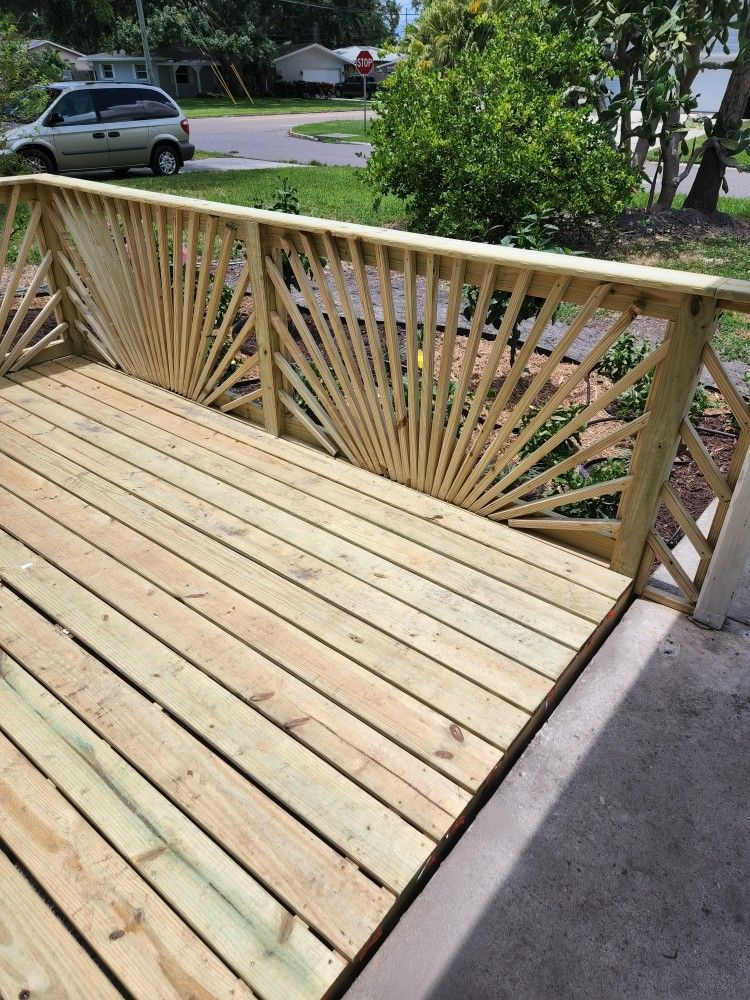
Artistic detailing becomes a defining feature when wood is cut and arranged into a sunburst pattern for railing infill. This design radiates outward from a central point, creating an eye-catching focal element that feels both handcrafted and timeless. While traditional vertical balusters serve primarily a functional role, a sunburst arrangement doubles as architectural art. Cedar, pine, or redwood are popular choices for this style because they are easy to cut and durable outdoors. Careful measurement ensures symmetry across each section, with the curved or angled pieces meeting neatly at the center. This approach is well-suited to rustic cabins, farmhouse decks, or patios designed with a touch of folk craftsmanship. To highlight the design, many homeowners stain the wood in a natural finish, letting the grain add visual depth. Others paint the pattern in contrasting colors to make the sunburst truly pop. Though it requires more effort than installing standard rails, the reward is a deck that feels unique and personalized. Maintenance involves sealing or staining every couple of years to prevent fading or moisture damage. For homeowners who enjoy woodworking projects, this design not only provides safety but also serves as a conversation piece that enhances outdoor gatherings.
Mix-Material: Wood Top Rail with Metal Panels
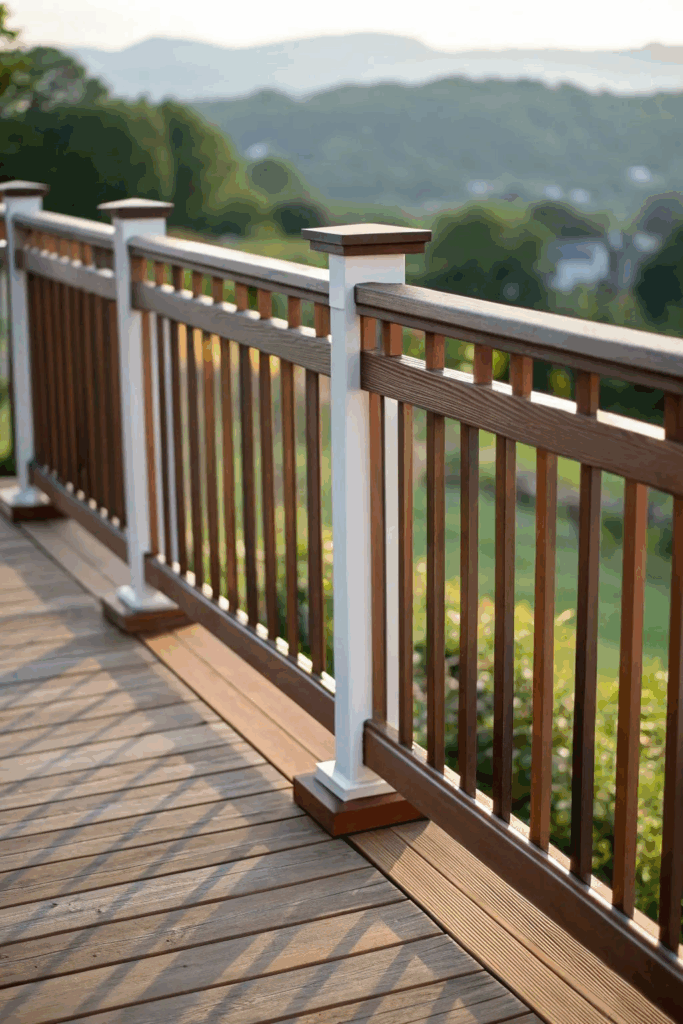
Texture and balance define a railing that blends the warmth of wood with the durability of metal panels. A solid wood top rail creates a comfortable handhold and natural contrast, while infill panels made of steel, aluminum, or iron add strength and geometric structure. This design works particularly well in transitional spaces where traditional and contemporary styles meet. Wood can be stained in tones that complement the deck flooring, while powder-coated metal panels can be customized with patterns ranging from simple grids to decorative cut-outs. One of the main benefits of this combination is reduced maintenance: the wood requires periodic sealing, but the metal infill is highly resistant to weather damage. Installation is straightforward, as prefabricated metal panels are available in modular sizes that fit between standard posts. The hybrid design allows homeowners to enjoy the tactile comfort of timber while still achieving a modern, durable system. For a creative twist, some choose laser-cut metal panels with organic or abstract motifs, turning the railing into a design statement. This mix-material approach not only offers strength and style but also ensures the deck feels both grounded and visually open, making it an excellent choice for homeowners looking for practical elegance.
Rope or Hog-Wire Infill for Rustic Flair
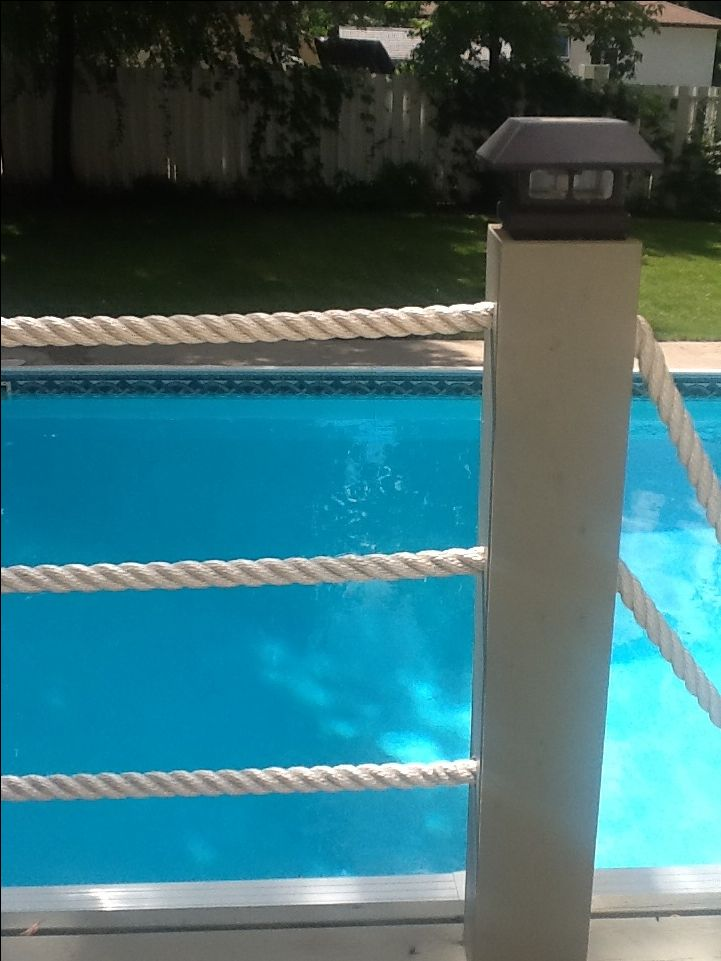
Texture-driven design becomes a highlight when rope or hog-wire is used as infill for deck railings. Natural fiber rope provides a coastal or nautical character, while galvanized hog-wire meshes add a rugged, farm-inspired touch. Both options emphasize openness, allowing breezes and views to flow through without obstruction. Rope can be threaded horizontally between posts, tied securely with knots for decorative flair. Hog-wire, on the other hand, comes in welded wire panels that are easy to cut to size and install using brackets or wooden frames. For homeowners who enjoy DIY projects, these materials are budget-friendly and widely available at hardware or farm supply stores. Durability varies—rope will eventually need replacing due to weather exposure, while hog-wire offers long-term resilience with minimal upkeep. To protect rope from moisture, some choose synthetic alternatives that mimic natural fiber but resist rot. These railing styles fit seamlessly with cabins, lake houses, and farmhouse porches, complementing natural landscapes. Pairing either option with wooden posts enhances the rustic charm, while a stained or painted finish provides additional customization. This approach is especially appealing for homeowners who value character over formality, making the deck feel more inviting and personal without losing its functionality or safety.
Composite Railing Matching Deck Floor

Uniformity and cohesion define a deck when the railing system matches the flooring in both material and finish. Composite railing designed to complement the deck surface ensures a seamless, polished look. Composite materials are manufactured blends of wood fibers and recycled plastics, offering the natural appearance of timber while resisting rot, fading, and insect damage. Matching railing kits typically come in pre-assembled sections, making installation straightforward even for DIYers. These systems often feature composite balusters paired with aluminum or stainless-steel reinforcements inside for added strength. The consistency of color between flooring and railing visually expands the deck space, while the low-maintenance properties mean no sanding, staining, or sealing is necessary. Cleaning requires only soap and water, keeping upkeep minimal. Composite also offers long-term durability in climates with heavy moisture, sun exposure, or freeze-thaw cycles. Many manufacturers provide coordinated accessories such as post caps, lighting, or privacy panels, allowing homeowners to customize their outdoor setup while maintaining a unified appearance. This railing choice is particularly appealing for homeowners who value practicality alongside aesthetics, ensuring their investment maintains its appeal for decades. Matching floor and railing creates a sense of harmony, reinforcing the deck as a cohesive extension of the home’s living space.
Decorative Geometric Panel Inserts

Striking patterns become part of the architecture when geometric panel inserts are chosen for deck railings. Instead of traditional balusters, laser-cut or prefabricated metal panels with bold shapes—such as diamonds, hexagons, or interlocking circles—are placed between posts. These inserts immediately elevate the railing into a design feature, providing both safety and visual intrigue. Materials like powder-coated steel or aluminum ensure durability outdoors, resisting corrosion and fading from sun exposure. Many suppliers offer panels in modular sizes, making installation straightforward for DIYers who want to add flair without complex construction. Some homeowners opt to paint panels in a contrasting tone, allowing the geometric patterns to stand out against wood or composite framing. Others prefer a subtle monochromatic look that blends with the surrounding deck. Aside from style, geometric panels are practical—they provide security like solid infill while still maintaining airflow and visibility. This choice suits contemporary homes, modern cabins, or even eclectic outdoor spaces seeking a statement piece. Because the panels are flat, they’re easier to clean than intricate spindle systems, requiring little more than a quick wipe-down. Decorative inserts bring artistry to a functional feature, turning an everyday railing into an expressive element that reinforces personal taste and architectural identity.
PVC Railing with Built-in Lighting Caps

Function and ambiance merge when PVC railing systems are paired with integrated lighting caps. These synthetic railings are known for their durability, resisting moisture, fading, and insects with virtually no maintenance. The addition of solar or low-voltage lighting built into post caps takes them a step further, illuminating the deck after dark while providing a polished look. Lighting options include warm ambient glows for evening relaxation or brighter fixtures that outline the deck perimeter for safety. PVC railings are lightweight and often sold in pre-assembled kits, making them easy for homeowners to install. Their smooth surface resists peeling and requires nothing more than occasional washing with mild soap. Available in white, beige, and darker shades, PVC railings suit both traditional and modern outdoor spaces. The built-in lighting not only adds practicality but also enhances curb appeal, ensuring the deck feels inviting well into the evening hours. Because the lights are integrated into the caps, there’s no need for complicated wiring or separate fixtures cluttering the design. Many systems run on long-lasting LEDs, minimizing energy use and upkeep. By combining weatherproof railing with subtle illumination, this solution ensures decks remain safe, stylish, and usable no matter the time of day or season.
Planter Box Integrated into Railing Design

Greenery can become part of the railing itself with planter boxes seamlessly integrated into the design. Instead of leaving plants as a separate element on the deck floor, railing planters maximize vertical space while adding a natural touch at eye level. Built-in boxes can be crafted from wood, composite, or metal, and are often designed to align with the top or mid-rail for a cohesive appearance. They provide opportunities for seasonal flowers, herbs, or trailing vines that soften the hard lines of the structure. For DIYers, planter inserts can be added between posts using brackets or custom-built frames, ensuring proper drainage to prevent water damage. Beyond their decorative role, these planters can also function as subtle privacy screens when filled with taller grasses or lush foliage. Maintenance involves ensuring liners or waterproofing are in place to protect the material from rot or rust. This concept works well in urban decks where space is limited, as it brings nature into compact areas without occupying precious floor room. Homeowners often combine planter-integrated railings with coordinated outdoor furniture or vertical gardens for a truly lush aesthetic. Blending safety and greenery, this approach turns a railing into both a boundary and a living design feature.
Horizontal Slatted Timber Railing
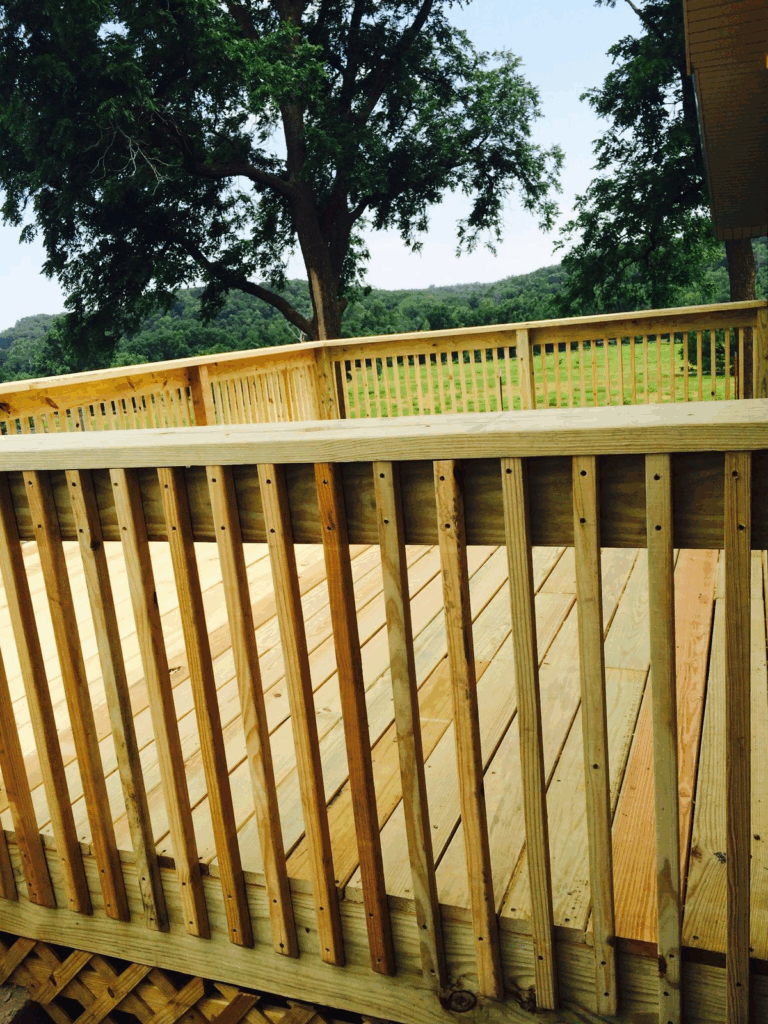
Clean lines and natural character define railings built with horizontal timber slats. Instead of upright balusters, boards are mounted horizontally between posts, producing a streamlined, contemporary appearance that echoes mid-century and Scandinavian architecture. The slats can be spaced narrowly for greater privacy or left with wider gaps to allow airflow and glimpses of the surrounding landscape. Popular choices include cedar, teak, or pressure-treated pine, each of which offers strength and outdoor durability. Staining or sealing enhances weather resistance while highlighting the natural grain. DIY installation involves cutting uniform boards and fastening them with screws or concealed brackets to ensure alignment. This railing style works particularly well in modern decks, urban rooftops, or minimalist backyard patios where the focus is on simplicity and proportion. Safety codes require proper spacing to prevent hazards, making measurement critical during construction. One advantage of slatted designs is their adaptability—homeowners can stain the boards dark for a bold look or keep them light for an airy feel. Horizontal railings also visually elongate the deck, making smaller spaces feel more expansive. With the right timber choice and regular maintenance, this option provides durability, style, and a modern yet timeless character that complements a wide variety of outdoor environments.
Steel Conduit DIY Cable Alternative
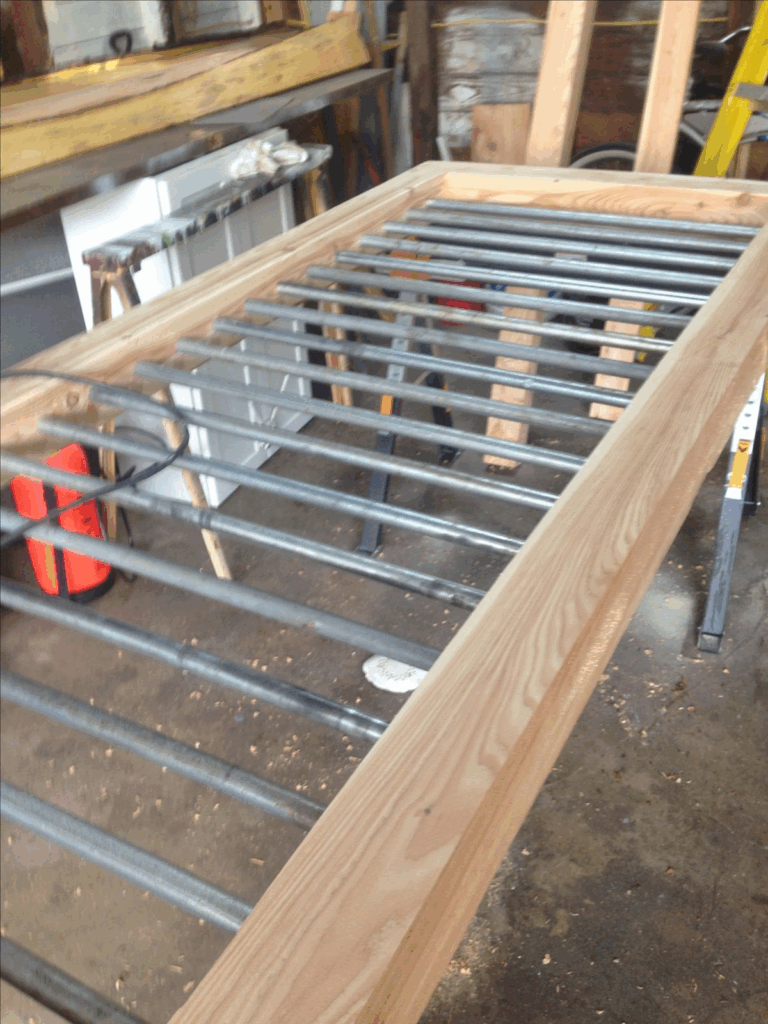
Resourceful homeowners often turn to steel conduit as an affordable alternative to traditional cable railing. Electrical conduit pipes, readily available at hardware stores, can be cut to size and tensioned horizontally between posts, mimicking the look of stainless-steel cable without the higher cost. This option provides industrial flair while maintaining openness and safety. Galvanized or powder-coated conduit resists rust and performs well outdoors, particularly if paired with treated wooden posts or metal framing. For DIY builders, installation requires drilling holes through posts and threading the conduit, securing each end with clamps or fittings. The result is a railing that looks sleek and modern but remains budget-friendly. Because the conduit is rigid, it doesn’t require the same tensioning systems as flexible cable, making it easier to install. Maintenance is minimal—simply wash with water to remove dirt or debris. The design pairs well with minimalist decks, industrial-inspired patios, or urban rooftop spaces. Many homeowners choose conduit in matte black or metallic finishes for a sharp, architectural edge. Safety regulations must still be followed to ensure proper spacing and height compliance. For those seeking a creative, cost-effective solution that delivers modern aesthetics with reliable durability, steel conduit stands out as a smart DIY alternative.
Minimalist Vertical Metal Spindles

Simplicity and strength come together in railings built with vertical metal spindles. This timeless option provides a clean, uncluttered look while meeting safety requirements with evenly spaced, sturdy balusters. Made from aluminum, iron, or steel, the spindles are resistant to warping, cracking, and weather damage, making them a long-lasting choice. Their narrow profile maintains visibility while creating a strong boundary around the deck. Homeowners often select black or bronze finishes, which blend seamlessly with both natural wood decks and composite flooring. Installation is straightforward: spindles are secured between top and bottom rails using brackets or sleeves, and many pre-drilled systems are available to simplify alignment. Vertical spindles require little upkeep beyond occasional cleaning, eliminating the need for frequent refinishing. This railing style adapts easily to different aesthetics—it can appear sleek and modern with slim aluminum rods or more traditional with decorative wrought-iron spindles. Its versatility ensures it suits a wide range of homes, from contemporary townhouses to classic suburban residences. By prioritizing straightforward design, this approach keeps the deck feeling open and functional without distracting from landscaping or furniture. Minimalist spindles deliver safety, reliability, and understated elegance, making them a go-to choice for homeowners who value timeless, practical railing solutions
Living Railing: DIY Shelf for Plants

Functionality and greenery merge when a railing incorporates shelving for plants. Instead of leaving the boundary as a static feature, this concept transforms it into a living display. Shelves attached along the railing’s inner edge hold potted herbs, succulents, or trailing flowers that bring life and color to the deck. Materials like treated wood, composite, or metal brackets ensure the shelves remain durable outdoors. DIY installation can be as simple as fastening narrow ledges between posts or creating tiered shelves for layered arrangements. Proper drainage is key—liners or saucers prevent water from damaging the structure. Beyond aesthetics, a living railing provides practical benefits: herbs and vegetables can be grown within arm’s reach, and plants act as natural privacy screens or windbreaks. Seasonal flexibility allows homeowners to refresh the look with different plants throughout the year, from spring blooms to winter evergreens. This style particularly appeals to urban dwellers with limited yard space, turning the railing into a vertical garden. Maintenance involves routine watering and occasional resealing of wooden elements. A living railing not only defines the deck’s perimeter but also softens its appearance, blending functionality with natural beauty in a way that enhances outdoor comfort and sustainability.
Fold-Down Railing Section for Multi-Use Deck Function

Versatility is the hallmark of a railing system that includes fold-down sections. Instead of remaining fixed, a portion of the railing is hinged to swing open or collapse flat, allowing easy access or expanded functionality. This feature is especially useful for decks adjoining yards, gardens, or docks where movement of equipment, furniture, or recreational gear is common. Hinged sections can be framed in wood, composite, or metal, ensuring durability while blending with the overall railing design. Safety latches or locks secure the section when upright, maintaining compliance with safety standards. For DIY builders, installing heavy-duty hinges and reinforced posts is crucial to prevent sagging or instability. Some homeowners use fold-down sections as serving bars during outdoor gatherings, creating a dual-purpose element. Others appreciate the convenience of swinging a gate-style section open to connect the deck seamlessly with surrounding areas. Maintenance is straightforward, though hinges may require periodic lubrication and weather-resistant coatings to prevent rust. This solution particularly benefits multi-functional outdoor spaces, where flexibility is as valuable as safety. By integrating a movable railing section, homeowners achieve a deck design that adapts to changing needs, ensuring practicality without sacrificing style or long-term reliability.