
Fire pits have become a defining feature of modern outdoor living, blending warmth, style, and functionality into one inviting centerpiece. Whether you’re designing a backyard retreat or updating a patio, the right fire pit can extend seasonal enjoyment while adding lasting charm. Options range from rustic stone builds and portable metal bowls to sleek gas designs, making it easy to match your space and lifestyle. Beyond aesthetics, these features enhance safety, comfort, and usability when thoughtfully planned. This guide highlights amazing fire pit ideas to inspire homeowners looking for practical, stylish solutions to upgrade their outdoor spaces.
Sunken Fire Pit with Steps
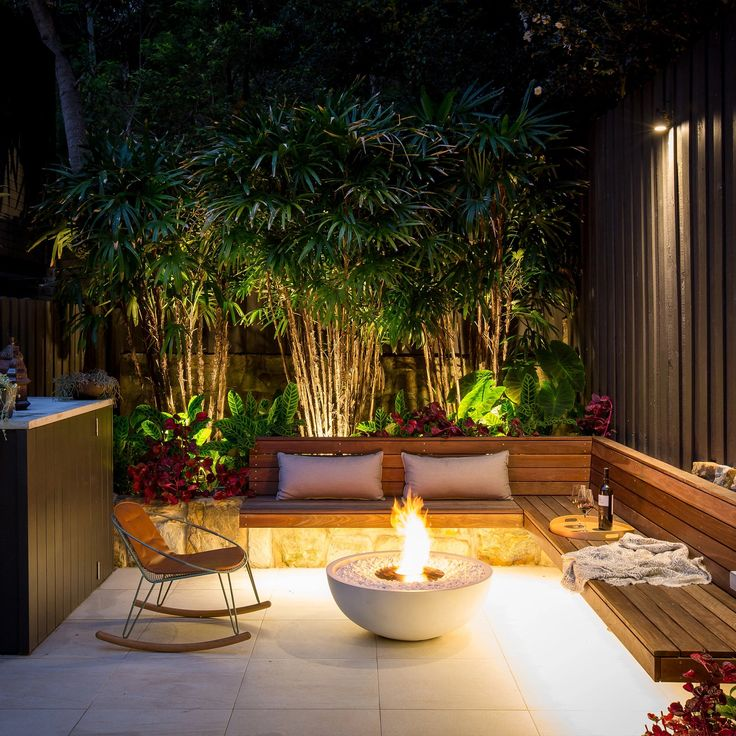
Descending into a recessed fire feature creates a unique sense of intimacy while maximizing outdoor floor space. Steps leading down add a theatrical entry, naturally guiding guests into the gathering spot. This layout often uses concrete, flagstone, or brick for stability, ensuring safe footing and durable design. Because the pit sits lower than ground level, flames feel closer and warmer, making evenings more inviting. Many homeowners enhance the steps with LED strips or lanterns to provide subtle nighttime illumination and safe visibility. Drainage planning is critical, preventing rainwater accumulation at the base of the sunken area. Design flexibility allows curved, square, or amphitheater-style seating, often built directly into the retaining walls. Cushions or weatherproof padding transform the setting into a lounge-like environment. The lowered structure also provides natural wind protection, ensuring flames burn consistently. Landscaping around the upper edge can be softened with grasses, shrubs, or gravel borders for a finished aesthetic. This setup works particularly well for expansive yards, where depth variation adds architectural interest. Families who frequently entertain find it practical, since the design naturally organizes conversation around the central flame. With thoughtful planning, a sunken fire pit with steps becomes both a focal point and functional outdoor retreat.
Rustic Stone Bowl Fire Pit
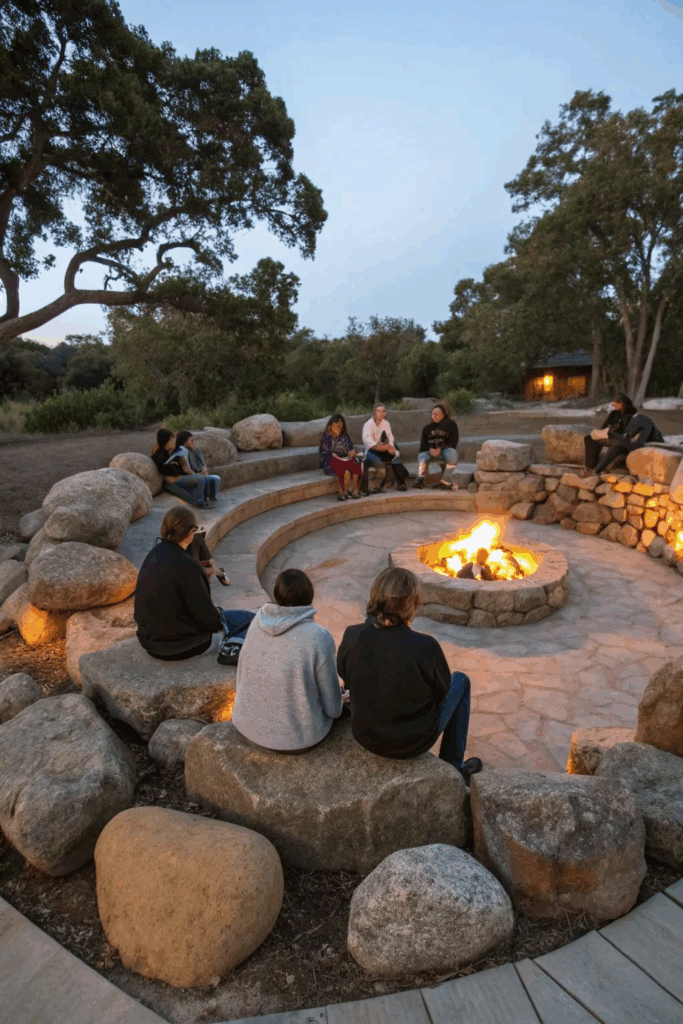
Carved or assembled from natural stone, a rustic bowl design offers timeless character and long-lasting durability. Stones such as granite, sandstone, or fieldstone withstand intense heat while maintaining structural integrity. The curved shape of a bowl directs heat inward, providing warmth for all seated around the edge. When left unpolished, the stone exterior blends seamlessly with garden landscapes, gravel patios, or wooded backdrops. Homeowners often choose irregularly shaped stones for an organic look that feels handcrafted and authentic. A fire bowl of this type pairs beautifully with Adirondack chairs, log benches, or other natural seating options. Some designs use a single large boulder hollowed into a basin, while others assemble smaller pieces mortared together. Ash cleanup remains relatively straightforward with a removable metal insert or drain hole beneath the stones. Surrounding accents, such as lanterns, split wood stacks, or climbing vines, highlight the rustic atmosphere. Many appreciate the low-maintenance nature, as stone resists rust, fading, or warping over time. Whether in a mountain cabin yard or countryside retreat, this fire pit embodies enduring charm. Its rugged simplicity encourages longer evenings outdoors, evoking a sense of tradition and permanence. The rustic stone bowl fire pit remains a classic option for those who value heritage-inspired outdoor living.
Modern Minimalist Metal Bowl
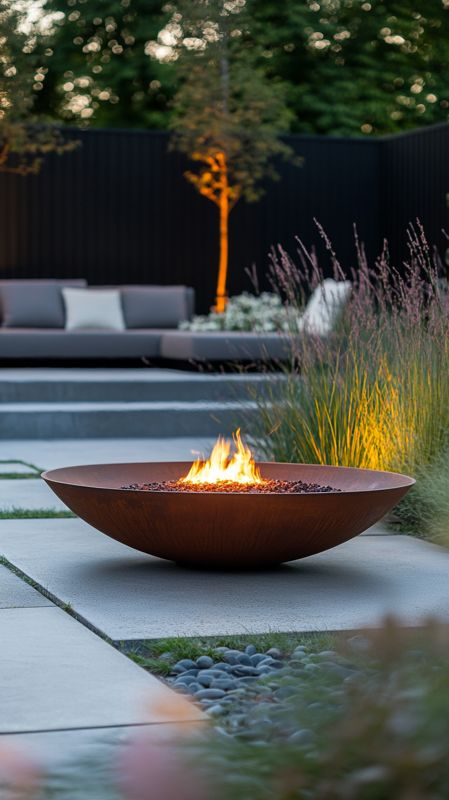
Sleek contours and industrial materials define a minimalist fire bowl, making it ideal for contemporary spaces. Crafted from steel, corten, or cast iron, these bowls offer clean geometry with minimal ornamentation. Their simplicity allows the fire itself to become the design highlight, glowing against smooth metal surfaces. Powder-coated finishes protect against weather damage while maintaining a uniform, matte appearance. In modern yards or rooftop decks, a low-profile bowl feels unobtrusive yet stylish, complementing streamlined furniture and angular architecture. Many designs are portable, resting on discreet stands or tripod bases that can be moved when needed. Functionality remains important—ventilation slots or raised bases help airflow, ensuring efficient burns. Owners often use smokeless logs or gas inserts to maintain a clean, consistent flame in line with the minimalist appeal. Gravel pads or concrete slabs beneath the bowl further enhance the modern aesthetic while improving safety. These pits pair well with monochrome palettes, neutral outdoor cushions, and geometric planters. They also serve as versatile focal points that adapt easily to small balconies or larger garden terraces. By stripping away excess details, minimalist metal bowls allow atmosphere and warmth to speak for themselves. For design enthusiasts seeking understated elegance, this style balances utility with subtle sophistication.
Fire Pit Table Combo
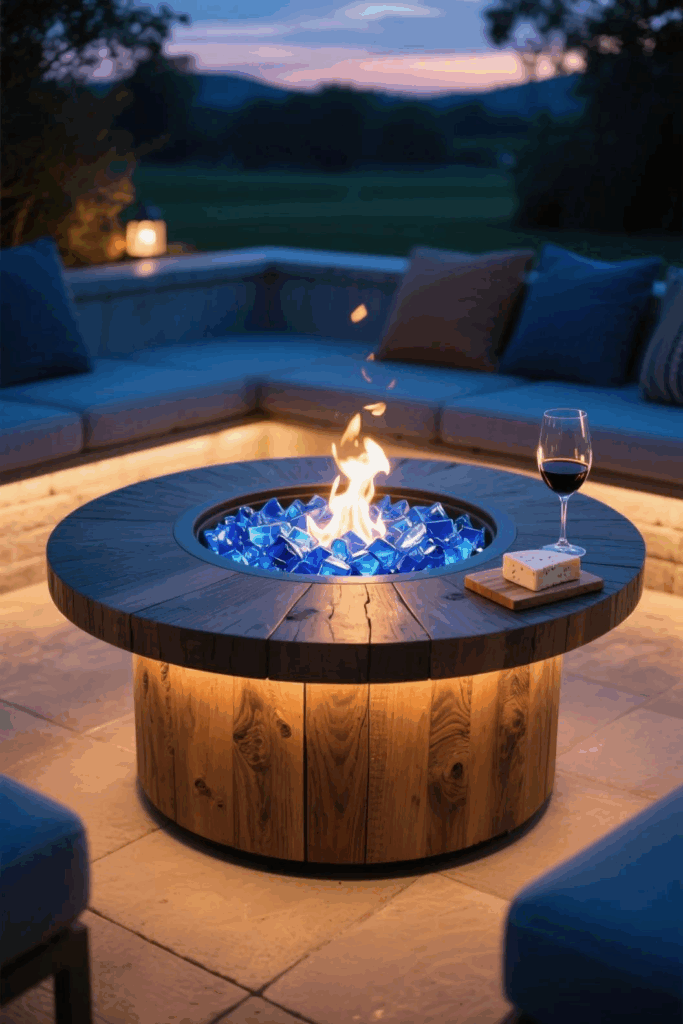
Merging fire functionality with tabletop convenience results in a highly versatile design. A fire pit table typically features a central burner surrounded by a wide ledge that doubles as a dining or serving surface. Materials often include weather-resistant aluminum, powder-coated steel, or stone composite tops that withstand both heat and outdoor elements. These tables are commonly fueled by propane or natural gas, offering adjustable flames without the smoke of traditional wood pits. Some models conceal the propane tank within the base, keeping the appearance clean and clutter-free. Families enjoy the multi-purpose nature—guests can set down drinks, appetizers, or games while gathering around the flame. For smaller spaces such as patios or decks, a fire pit table maximizes utility without requiring separate dining furniture. Safety glass wind guards are frequently added to keep flames steady and contained, especially in breezier environments. When not in use, covers or conversion lids transform the pit fully into a standard table, extending its usability year-round. Styling ranges from rustic farmhouse to modern sleek finishes, making it easy to match with outdoor décor themes. Ultimately, this hybrid concept caters to those who value practicality and entertaining versatility, ensuring gatherings feel both functional and memorable.
Built-In Fire Pit Bench Seating
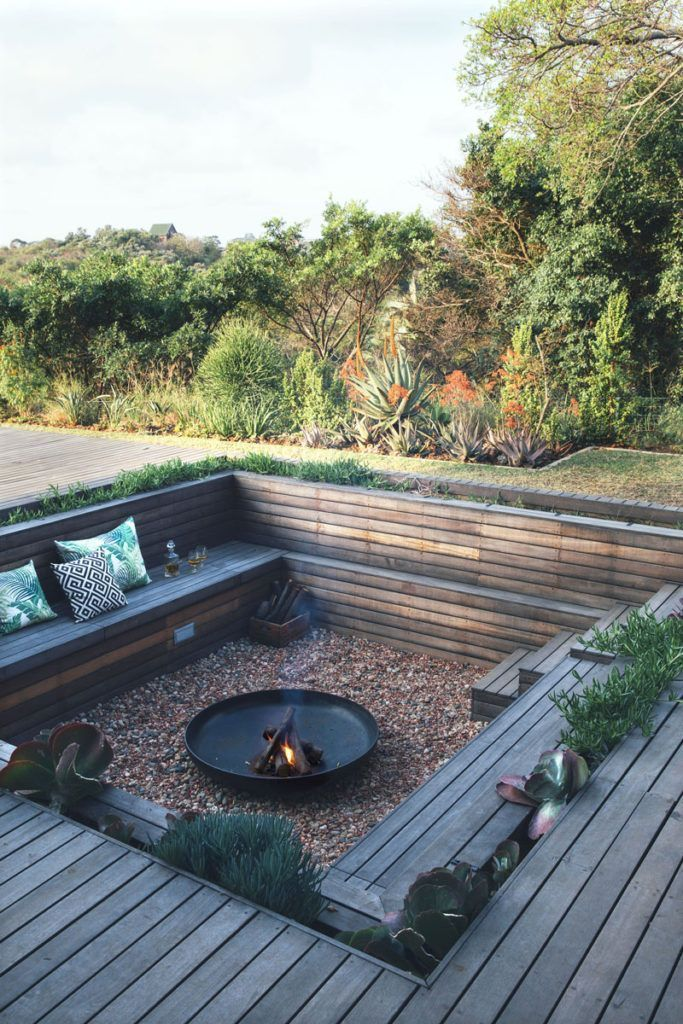
Designing seating directly into the fire pit layout ensures comfort, organization, and visual cohesion. Permanent benches crafted from stone, concrete, or brick encircle the pit, creating a natural flow that encourages social interaction. These benches can be curved, straight, or angular, depending on the overall outdoor architecture. Built-in seating eliminates the need for movable furniture, simplifying space planning while keeping the area consistently ready for use. To enhance comfort, homeowners often add weatherproof cushions or wooden seat toppers that soften the hard surface. Integrated backrests or low retaining walls can double as structural supports, blending practicality with style. For larger yards, tiered bench seating mimics amphitheater arrangements, ensuring everyone has a clear view of the fire. This approach is especially effective for sunken pits, where benches and steps merge seamlessly into the design. Safety spacing remains essential, ensuring enough distance between flames and sitting surfaces. Surrounding landscaping, such as ornamental grasses or potted plants, softens the stonework while adding color and texture. Built-in designs typically increase property value by giving the outdoor space a polished, intentional look. For families who host regularly, bench seating ensures adequate capacity and reduces clutter. This permanent solution creates a timeless hub for shared moments around the fire.
Fire Pit Surrounded by Privacy Shrubs
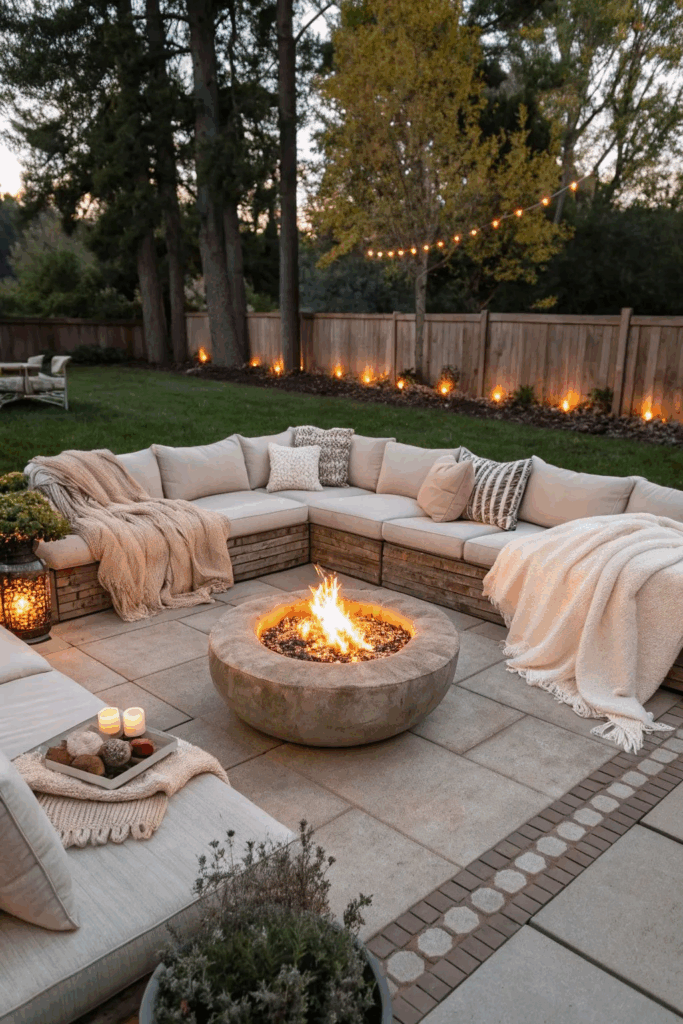
Encircling a fire pit with lush greenery enhances comfort, seclusion, and aesthetics in one move. Privacy shrubs such as arborvitae, boxwood, or laurel provide natural screening, turning the area into a hidden retreat. Their height and density reduce wind, ensuring flames burn steadily while shielding gatherings from outside view. Seasonal color shifts add dynamic interest, with evergreens offering consistent foliage throughout the year. Placement matters—shrubs should remain at a safe distance from open flames, ideally positioned in circular beds or raised planters. Decorative gravel or stone edging between plants and the pit provides both protection and contrast. Homeowners often integrate ambient lighting into shrub borders, creating a soft glow that complements the firelight. For a layered effect, taller shrubs can be combined with ornamental grasses or flowering plants for visual depth. This approach suits suburban backyards where privacy from neighboring properties is essential. Beyond aesthetics, dense greenery improves sound insulation, making conversations feel more intimate. Shrubbery also helps frame the fire pit as a centerpiece, drawing attention while enhancing the overall landscape. For those who value a blend of natural beauty and functional seclusion, surrounding a fire pit with shrubs creates an inviting, sheltered oasis ideal for relaxation.
Fire Pit on Gravel Patio
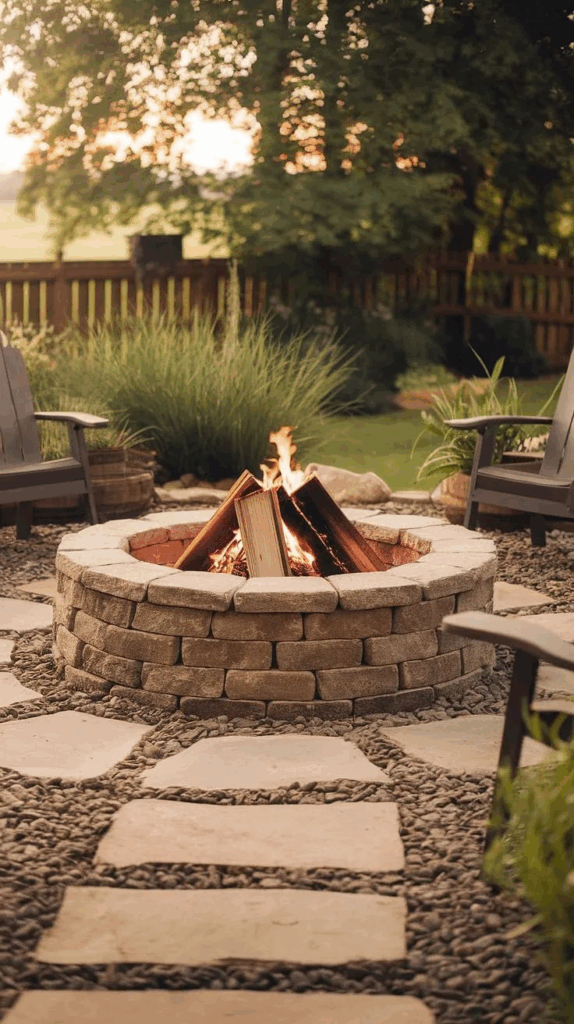
Setting a fire pit on gravel provides a cost-effective, safe, and visually appealing foundation. Gravel naturally resists heat, reduces fire hazards, and allows for excellent drainage during wet seasons. Its loose texture makes installation straightforward, requiring only a leveled base and edge containment. Many homeowners choose pea gravel, crushed stone, or river rock for a smooth walking surface. The neutral tones complement both rustic stone fire pits and sleek metal designs, making gravel highly versatile. To prevent spreading, edging materials such as steel strips, pavers, or timber borders help define the patio’s shape. Furniture placement is simple—chairs remain stable, and tables can be adjusted as needed on the firm surface. Gravel patios also minimize mud, making them a practical choice for frequent outdoor gatherings. For added comfort, rugs designed for exterior use can soften the seating area without compromising drainage. String lights, lanterns, or torches around the perimeter enhance nighttime ambiance. Maintenance stays minimal, as occasional raking restores the surface’s clean appearance. This setup works well in both small yards and expansive gardens, delivering a functional and stylish fire pit area without complex construction. A gravel patio remains a reliable, budget-friendly solution that balances safety, charm, and adaptability.
Fire Pit Overlooking Pool
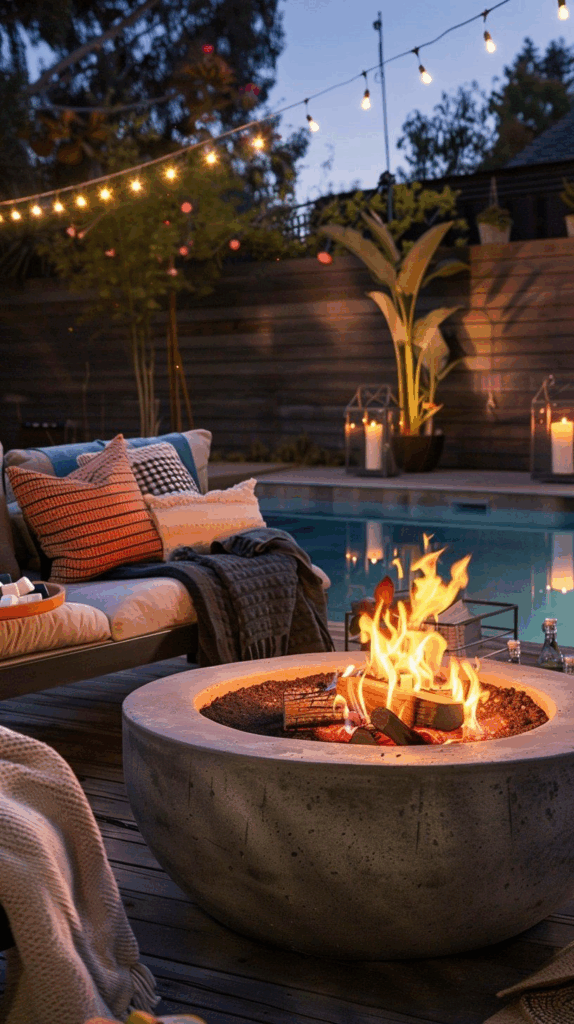
Positioning a fire feature beside a pool creates a luxurious dual-element atmosphere where firelight reflects off shimmering water. The visual contrast between flames and ripples heightens ambiance, making evenings feel cinematic and serene. Fire pits in these settings are often elevated on platforms or integrated into poolside decking, ensuring safety from splashing water. Materials like travertine, concrete, or composite decking maintain durability in damp environments. Gas-fueled fire pits work best here, as they minimize smoke and ash that could interfere with the pool area. Seating may include lounge chairs, built-in benches, or sectional sofas, allowing swimmers and spectators to relax near the fire. Some designs pair fire pits with water features, such as spillover bowls or fountains, amplifying sensory appeal. LED lighting beneath the pool surface further enhances the glow, creating layered visual drama after sunset. Safety glass wind guards are common, protecting both swimmers and flames in breezy conditions. This combination suits resort-style backyards where entertainment, relaxation, and design converge. Families enjoy extending pool use into cooler evenings, while hosts find the setting ideal for social gatherings. When carefully planned, a fire pit overlooking a pool delivers both functionality and visual grandeur, transforming outdoor living into a memorable retreat.
Desert Xeri-Styled Fire Pit with Succulents
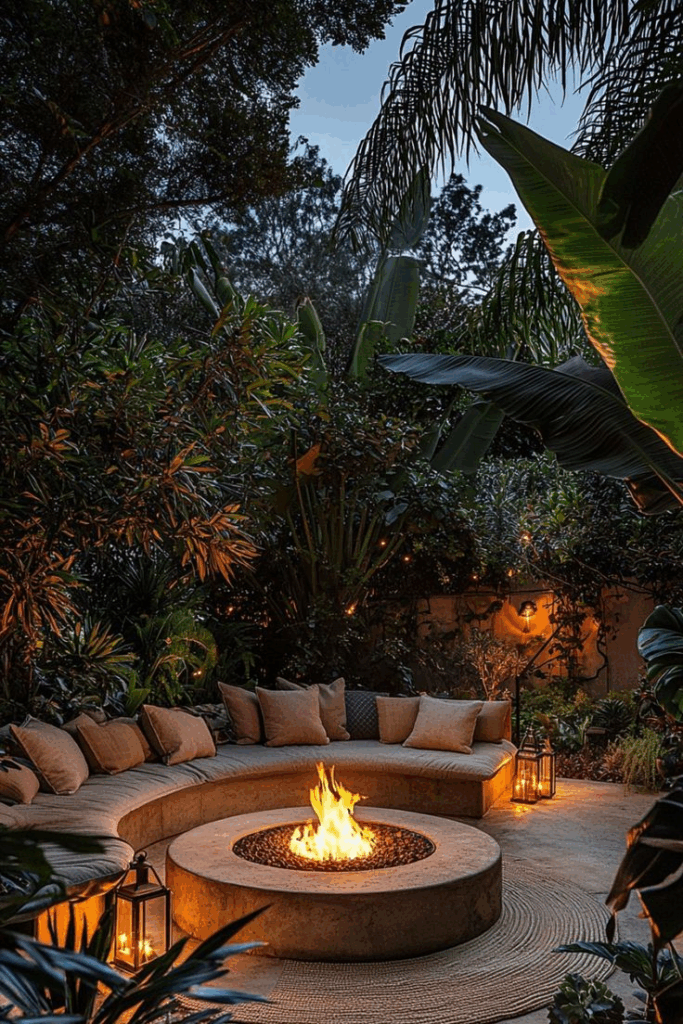
Desert-inspired fire pits celebrate arid landscapes by blending flames with drought-tolerant plantings. Succulents, agaves, and cacti arranged around the pit create a striking contrast between vibrant greenery and glowing firelight. Gravel, sand, or decomposed granite serves as the base, reinforcing the xeriscape design while minimizing water use. Fire pits in this style often use natural stone, corten steel, or concrete bowls that complement earthy tones. Decorative boulders and driftwood accents heighten the rugged, desert ambiance. The low-maintenance nature of succulents makes upkeep simple, requiring minimal irrigation even in hot climates. This approach thrives in regions where water conservation is crucial, offering both ecological and aesthetic benefits. Nighttime illumination often extends beyond the fire pit, with solar lanterns or low-voltage uplighting highlighting plant silhouettes. Seating options include wooden benches, woven stools, or stone blocks that mirror natural textures. Desert xeri-styled pits work equally well in suburban backyards and vacation homes, delivering a sense of Southwestern character. Their minimalist plant palette draws focus to the fire itself, while still softening the surrounding environment. The balance of rugged stone and resilient greenery ensures year-round appeal. For homeowners seeking sustainable beauty, this design provides a distinctive outdoor sanctuary rooted in desert charm.
Moroccan Boho Fire Pit Lounge Area
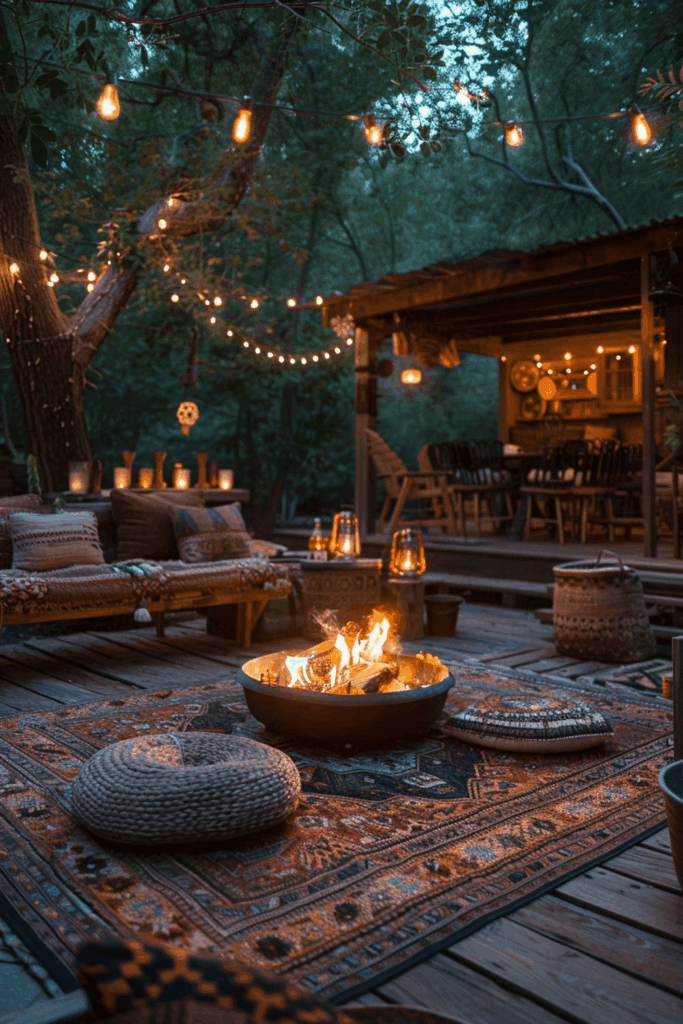
Layered textures, vibrant patterns, and eclectic furnishings define a Moroccan boho-inspired fire pit setting. The pit itself may be a low metal bowl or tiled structure, often surrounded by colorful rugs and poufs. Lanterns with intricate cutouts scatter soft shadows, adding exotic warmth to the space. Cushions in jewel tones—ruby, sapphire, emerald—create casual, inviting seating arrangements. Low wooden tables or mosaic-topped stands provide surfaces for tea, snacks, or décor. Decorative accents such as hanging textiles, tasseled throws, and carved wood screens contribute to the bohemian charm. Plants like palms or bougainvillea enhance the atmosphere, introducing lush greenery alongside vibrant colors. This style thrives on mixing cultural motifs, making every piece feel curated rather than uniform. Candles, fairy lights, and incense can be layered to heighten the sensory experience around the fire. The overall effect is immersive, transforming a simple backyard into a lounge that feels transported from Marrakesh or coastal Morocco. Practical considerations include using weather-resistant fabrics and ensuring adequate clearance between textiles and the flame. For gatherings, this setup encourages relaxed conversation in a space that feels adventurous, creative, and spirited. A Moroccan boho fire pit lounge embodies global inspiration while remaining functional for everyday outdoor enjoyment.
Fire Pit With Rock Garden Backdrop
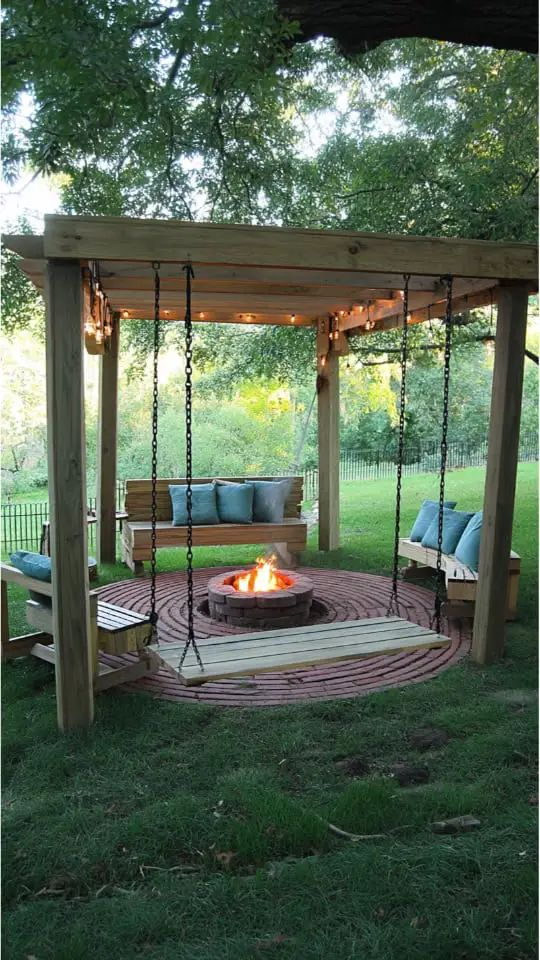
Framing a fire pit against a carefully arranged rock garden brings natural beauty into sharp focus. Boulders, gravel beds, and stone accents form a backdrop that highlights the flickering flames while grounding the overall design. Rock gardens often incorporate alpine plants, succulents, or ornamental grasses nestled between stones, adding seasonal color and texture. When positioned strategically, the garden doubles as a privacy barrier, visually enclosing the fire pit without building walls. The combination of rugged rock and glowing fire creates a serene, meditative environment that works in both rustic and modern landscapes. Water elements such as small ponds or trickling streams can be integrated to contrast flame with movement. Lighting the garden with spotlights or solar fixtures enhances depth, ensuring the rock textures remain visible after dark. Gravel paths or stepping stones provide easy access, keeping the area functional and tidy. Maintenance stays relatively low, as rock gardens require little watering and resist erosion. This backdrop is especially effective in sloped yards, where layered rock placement prevents soil runoff while adding sculptural appeal. Homeowners who appreciate landscape artistry find this approach enriching, as it ties the fire pit seamlessly into its environment. The result is both dramatic and harmonious, delivering enduring outdoor appeal.
Portable No-Smoke Fire Pit Options
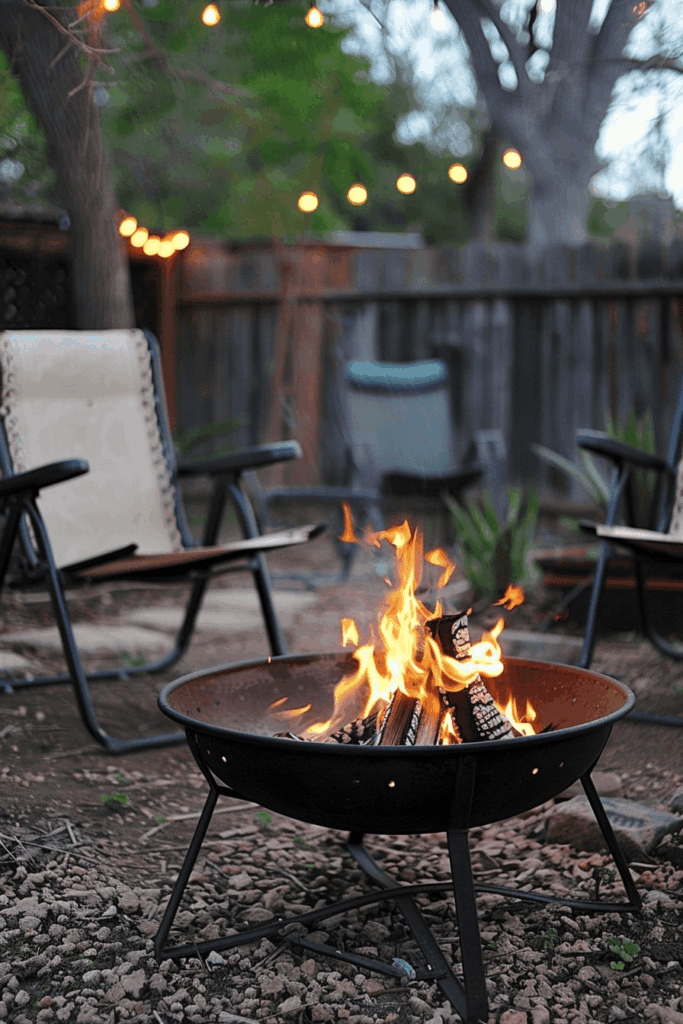
Advancements in airflow technology have popularized portable fire pits that virtually eliminate smoke. Double-wall stainless steel designs draw air through bottom vents, reburning smoke particles for cleaner flames. Their lightweight construction makes them easy to transport for camping trips, tailgates, or small patios. Many models nest components together, offering compact storage without sacrificing performance. Because they rely on efficient combustion, less firewood is required, reducing overall fuel costs. Families appreciate the reduced irritation—no smoke smell lingering on clothing, eyes, or hair after use. These pits often feature detachable ash pans, making cleanup simple and quick. Safety remains a priority, with bases designed to keep high heat from damaging underlying surfaces. Some versions accommodate accessories like grill grates, spark screens, or carrying bags, increasing versatility. Despite their portability, these fire pits produce impressive heat output, keeping gatherings comfortable during chilly evenings. Stainless steel finishes resist rust and weather damage, extending product lifespan. Ideal for urban dwellers or outdoor adventurers alike, no-smoke models bridge convenience with performance. They embody modern engineering focused on comfort, efficiency, and portability. For anyone seeking hassle-free warmth and ambience, portable no-smoke fire pits deliver a practical solution that adapts to diverse outdoor lifestyles.