
Green flowers bring an unexpected elegance to gardens, offering a refreshing twist that complements colorful blooms while adding texture and depth. Their subtle tones blend seamlessly with foliage yet stand out enough to create visual interest in borders, beds, or containers. Many varieties also symbolize renewal, harmony, and balance, making them a thoughtful choice for serene outdoor spaces. From exotic orchids to classic hydrangeas, green blossoms thrive in different climates and settings, ensuring versatility for every gardener. This guide highlights the best green flowers to add to your garden, helping you design landscapes that feel vibrant, unique, and enduring.
Bells of Ireland (Molucella laevis)
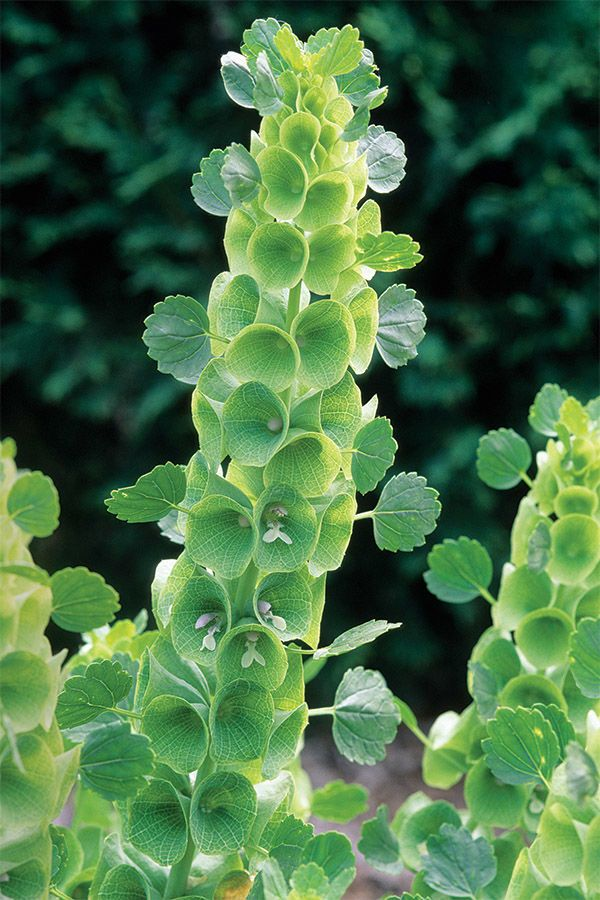
Tall spires of chartreuse blooms instantly stand out in any flower bed, lending structure and drama to seasonal displays. Known as Bells of Ireland, these annuals originate from the eastern Mediterranean and thrive in cool weather conditions. Their funnel-shaped calyxes surround tiny white flowers, giving a striking, bell-like appearance. Gardeners often appreciate them not only for their unusual green tone but also for their delightful fragrance, which subtly perfumes surrounding areas. Growing up to three feet tall, they make excellent vertical accents in mixed borders and are highly valued in fresh arrangements and dried floral crafts. The stems hold their color well after cutting, ensuring long-lasting decorative use. When planting, choose a sunny location with rich, well-draining soil and space seeds carefully to encourage tall, straight growth. Direct sowing works best in cooler climates, though seedlings may be started indoors if frost dates remain uncertain. Regular watering keeps plants vigorous, while deadheading can encourage extended blooming. Bells of Ireland also attract pollinators, further enriching the diversity of a garden. With their vibrant green calyxes symbolizing good luck, they remain an ideal choice for gardeners looking to highlight fresh, unexpected tones while adding height and fragrance to their outdoor spaces.
‘Limelight’ Hydrangea / Hydrangea Paniculata
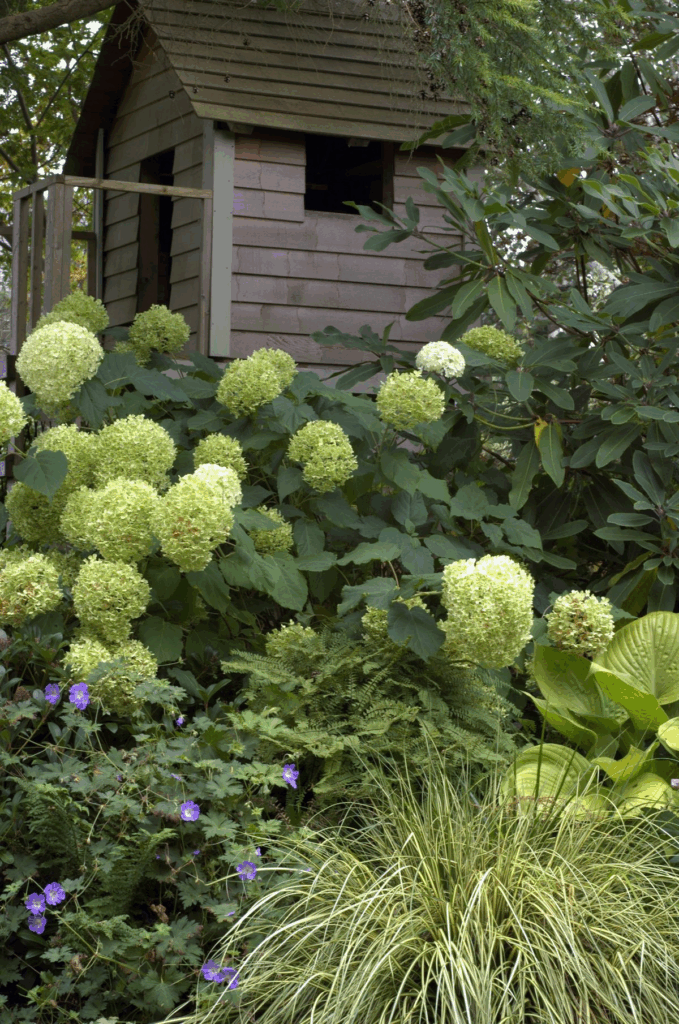
Large, cone-shaped flower clusters distinguish the popular ‘Limelight’ hydrangea, a paniculata cultivar cherished for its lime-green blooms that mature to soft cream and blush pink. These hardy shrubs are dependable performers, offering reliable color and structure in landscapes from midsummer through fall. Growing between six to eight feet tall, they serve beautifully as hedges, specimen plants, or anchor points in mixed garden borders. One of their strongest attributes is resilience, as they tolerate a wide range of soils and remain more sun-tolerant than many hydrangea types. Full sun to partial shade ensures lush growth, while consistent moisture helps maintain bloom quality. Pruning in late winter or early spring encourages vigorous stems capable of holding up the large panicles without flopping. Cut flowers last well indoors, and the blooms also dry attractively for arrangements. ‘Limelight’ hydrangeas thrive in temperate regions but adapt easily across different climates with proper care. Gardeners appreciate their season-spanning beauty, transitioning from fresh lime hues into antique shades as temperatures cool. With a combination of robust growth, dependable flowering, and dramatic presentation, this hydrangea remains a must-have variety for anyone hoping to integrate green floral tones with long seasonal interest and durable landscape performance.
Green Zinnia (‘Queen Lime’, ‘Green Envy’, etc.)
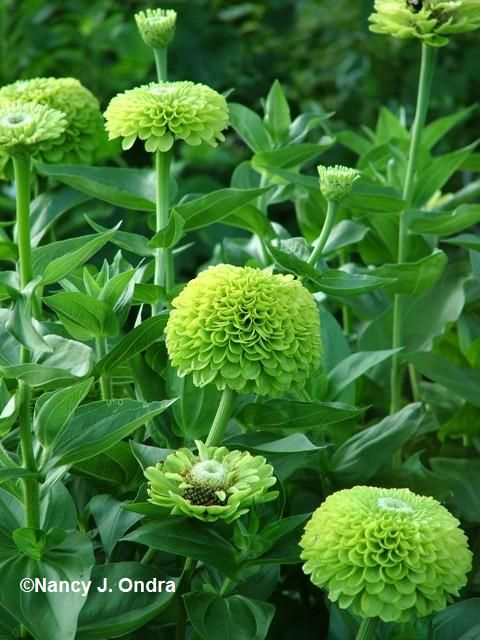
Few annuals provide the vibrant energy of zinnias, and green cultivars like ‘Queen Lime’ or ‘Green Envy’ offer an unexpected twist on the traditional color palette. These sturdy plants thrive in summer heat, producing generous quantities of daisy-like flowers on tall stems that make excellent cut flowers. Their green petals often blend subtly with yellow or lime undertones, creating an elegant contrast when combined with brighter blooms in mixed arrangements. In the garden, zinnias perform best in full sun and well-draining soil, requiring minimal maintenance once established. Regular deadheading encourages constant flowering from early summer until the first frost, ensuring long-lasting displays. Zinnias also serve as pollinator magnets, drawing butterflies and bees that support ecological diversity in backyard landscapes. Their versatility allows gardeners to use them in borders, cottage gardens, or cutting gardens with equal success. Seeds germinate quickly, making them perfect for both beginner and experienced growers. Green zinnias often surprise visitors with their unusual coloring, yet they remain approachable and cheerful, bridging the gap between novelty and reliability. With heat tolerance, continuous blooms, and an unconventional shade, they bring fresh character to summer beds while enriching floral arrangements with distinctive charm and lasting appeal.
‘Green Jewel’ Echinacea

Gardeners seeking unique variations of classic coneflowers often turn to ‘Green Jewel,’ a striking echinacea cultivar with petals shaded in rich lime to jade tones surrounding a green central cone. Unlike the common purple coneflower, this selection delivers an unusual color that instantly catches attention while retaining the rugged durability echinaceas are known for. Growing about two feet tall, it fits seamlessly into perennial beds, native plantings, or pollinator gardens. ‘Green Jewel’ thrives in full sun and well-drained soil, showing excellent drought resistance once established. Long bloom periods extend from mid-summer through early fall, providing consistent nectar for bees and butterflies. As the season progresses, the green petals deepen in tone, holding their vibrancy longer than many varieties. Cut stems add an exotic touch to indoor arrangements, while seed heads provide winter interest and food for birds if left untrimmed. Maintenance is minimal, with occasional deadheading prolonging flowering and late-winter trimming refreshing plants for the next cycle. This cultivar offers both ornamental intrigue and ecological benefit, proving that green-toned flowers can hold equal allure to brighter shades. With resilience, adaptability, and standout color, ‘Green Jewel’ remains a distinctive option for gardeners aiming for long-lasting beauty.
Cockscomb (Green / Chartreuse Types, Celosia)
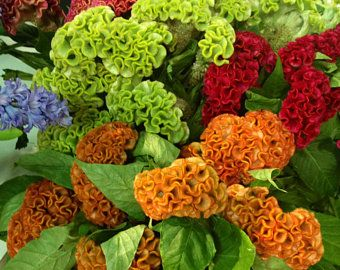
Unusual texture defines the charm of green cockscomb varieties, where tightly clustered flower heads form coral-like crests in vivid chartreuse shades. Known scientifically as Celosia, these annuals add bold dimension to garden beds, containers, and floral arrangements. Their velvety, rippled blooms last for weeks, making them excellent choices for gardeners who value long display periods. Growing one to three feet tall depending on variety, cockscombs are heat-loving plants that thrive in full sun and moderately fertile soil. They require consistent moisture but reward proper care with prolific blooms through summer and fall. Green selections pair beautifully with bright reds, oranges, and purples, creating eye-catching contrasts in garden designs. Beyond aesthetics, these flowers also perform well as cut and dried specimens, holding both shape and color for extended use in crafts. Deadheading spent blooms encourages continuous growth, while light feeding maintains vigor. Their distinctive forms ensure they stand apart from traditional flower types, lending artistic flair to any planting scheme. Resistant to most pests and relatively low maintenance, green cockscombs represent a reliable yet unusual choice for those seeking to add striking structure and color diversity to seasonal borders or container gardens with unique personality.
Green Chrysanthemum / Spider Mum / Button Pom Types
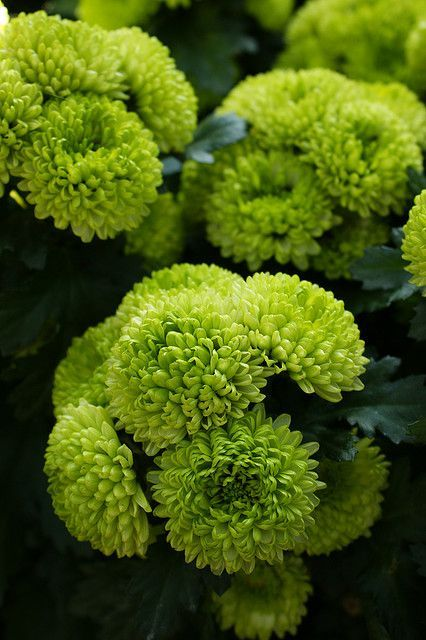
Florists and gardeners alike admire green chrysanthemums for their refreshing tones and versatile flower forms, ranging from compact button poms to spidery, elongated petals. These perennial favorites offer an extensive bloom period in late summer and fall, often filling seasonal gaps when other flowers begin to fade. Garden varieties typically grow between one and three feet tall, providing mounds of lush foliage topped with abundant blooms. Full sun exposure encourages dense growth and plentiful flowers, while well-draining soil prevents root issues. Green chrysanthemum types are particularly valued in cut flower arrangements, where their lasting vase life and structural diversity complement other blooms. Button poms add round accents, spider mums contribute dramatic lines, and larger hybrids provide focal interest. In the garden, they pair beautifully with ornamental grasses, asters, or late-season perennials, enriching borders with texture and color balance. Regular pinching of young shoots encourages bushier plants, while deadheading extends flowering. With symbolic meanings tied to joy and longevity, chrysanthemums also carry cultural significance worldwide. Their adaptability, striking variety of forms, and fresh green hues ensure they remain indispensable for gardeners wanting vibrant fall displays and floral enthusiasts seeking reliable material for arrangements.
Nicotiana ‘Lime Green’ (Flowering Tobacco)
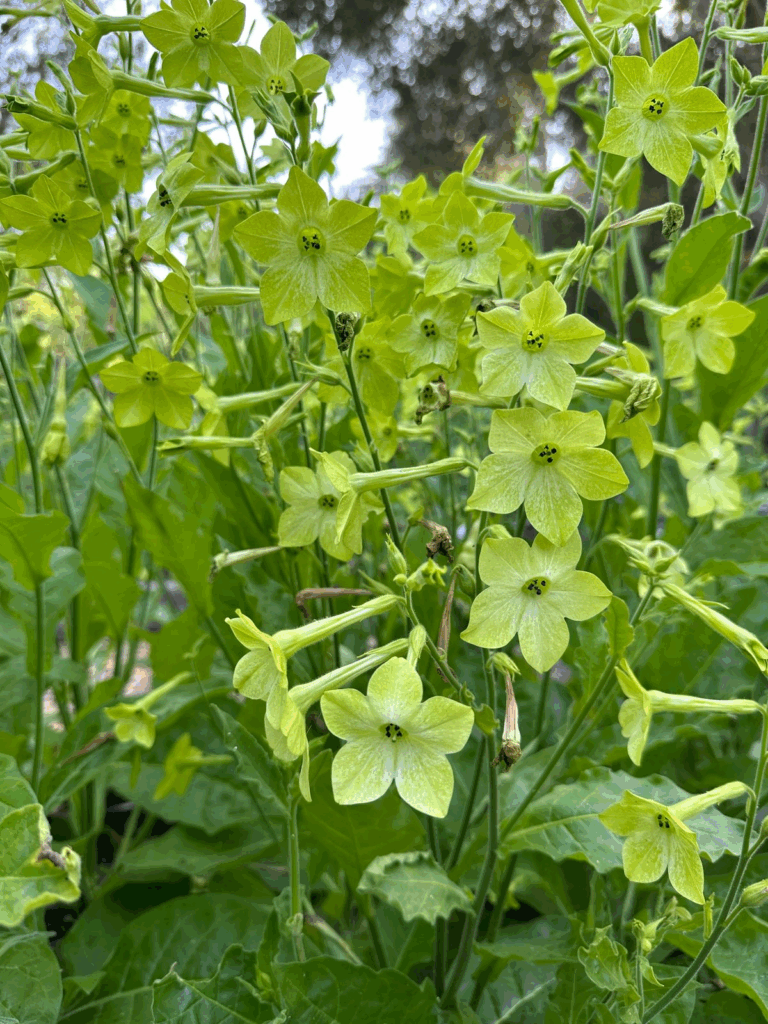
Fragrant evening blooms define Nicotiana ‘Lime Green,’ a charming annual often used to enrich garden borders with vibrant color and sweet nighttime scent. The trumpet-shaped flowers open in abundance on tall stems, typically reaching two to three feet high, creating a graceful presence in beds and containers. Its lime-green shade pairs well with deeper jewel tones and white flowers, offering designers a versatile companion for layered plantings. This variety thrives in full sun to partial shade, preferring moist, fertile soil. While it tolerates heat, it performs best with consistent watering and moderate feeding. ‘Lime Green’ Nicotiana is particularly effective in pollinator gardens, as its nectar-rich blooms attract moths and hummingbirds during twilight hours. Flowers remain open longer than many cultivars, extending visual interest throughout the day. Though technically short-lived, the plants reseed readily, often reappearing the following year without intervention. Gardeners appreciate its resilience, adaptability, and soft fragrance that enriches summer evenings. Whether grown as a border accent, backdrop for vibrant companions, or focal point in patio containers, this annual delivers reliable performance. The unusual green flowers stand out in both casual and formal settings, offering beauty and ecological benefit simultaneously with minimal maintenance demands.
Green Hellebore (Helleborus spp.)
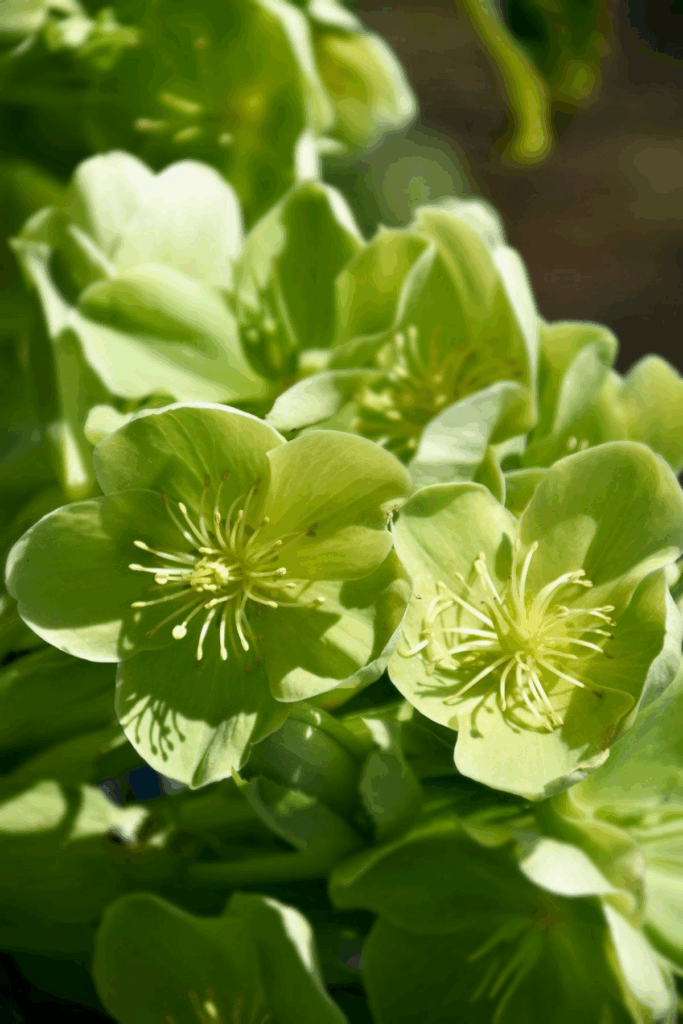
Among the earliest bloomers in late winter to early spring, green hellebores bring subtle beauty when most gardens remain dormant. Belonging to the Helleborus genus, these perennials are renowned for nodding, cup-shaped flowers in soft chartreuse and jade tones, often speckled or veined with deeper markings. They thrive in shady or partially shaded locations, making them invaluable for woodland gardens and underplanting beneath deciduous trees. Once established, hellebores prove remarkably hardy, tolerating cold, drought, and neglect with ease. Their leathery evergreen foliage provides year-round interest, while blooms can last up to two months, bridging the gap between winter and spring growth cycles. Green varieties add elegance and depth to muted palettes, complementing snowdrops, early bulbs, or ferns. Maintenance involves cutting back old foliage in late winter to highlight emerging blooms, followed by occasional feeding to support vigor. These plants are also deer-resistant, a valuable trait for many gardeners. In floral arrangements, their unique blossoms lend understated charm, though they last longer when stems are seared at the base. Combining longevity, resilience, and seasonal significance, green hellebores remain indispensable for gardeners desiring subtle yet powerful accents that bring life to shaded spaces during otherwise bleak months.
Anthurium (Green Spathe Types)
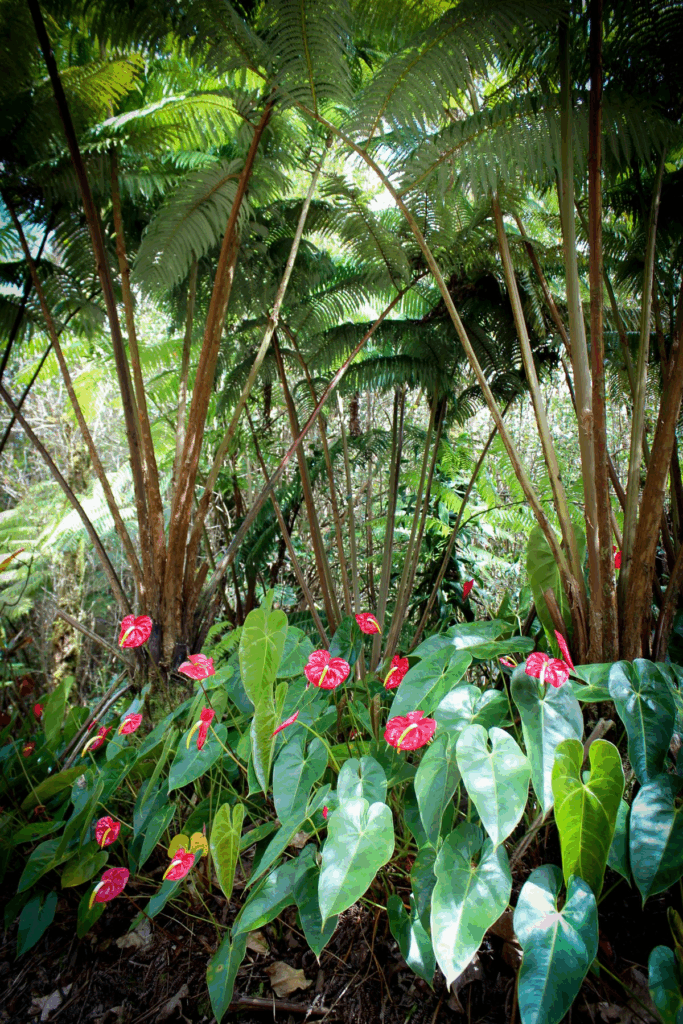
Known for their glossy, heart-shaped spathes and bold foliage, green anthuriums deliver exotic charm whether grown indoors or in tropical gardens. Unlike the more common red varieties, green cultivars provide a fresh, modern aesthetic with subtle elegance. These plants produce long-lasting blooms supported by sturdy stems, often persisting for weeks or even months at a time. Native to Central and South America, anthuriums thrive in warm, humid conditions and indirect light. For outdoor use, they flourish in shaded tropical borders, while as houseplants, they adapt readily to containers given proper humidity and moisture levels. Their unusual flowers pair beautifully with orchids, bromeliads, or ferns in mixed plantings, enhancing texture and depth. Green anthuriums also hold high value in the floral industry, where their durability and sculptural form make them popular choices for contemporary arrangements. Care involves consistently moist soil, occasional feeding, and protection from direct sunlight, which can scorch leaves. Regular cleaning of their glossy foliage keeps them looking vibrant. With their architectural form, long bloom cycles, and strikingly different coloration, green anthuriums stand out as both ornamental focal points and reliable performers, enriching gardens and interiors with tropical elegance year-round.
Euphorbia (Euphorbia characias subsp. Wulfenii)
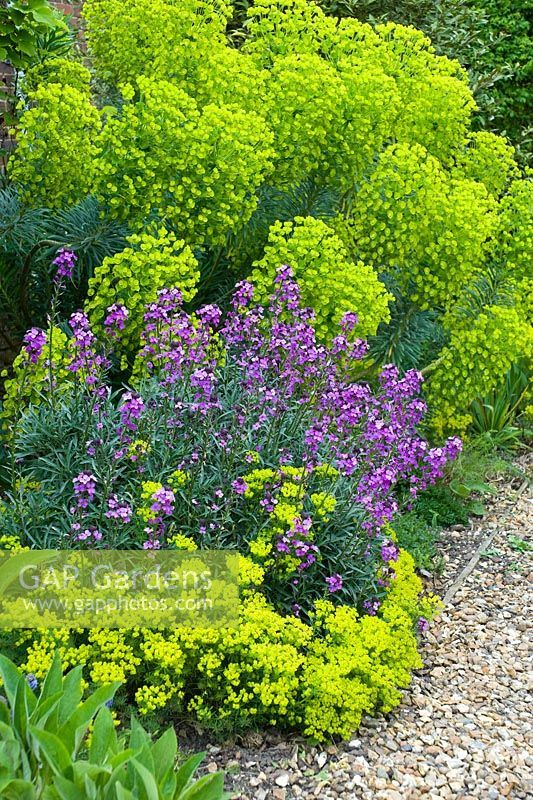
Gardeners drawn to dramatic foliage and unusual flowers often turn to Euphorbia characias subsp. Wulfenii, a Mediterranean native prized for its bold presence. This perennial evergreen forms striking clumps of gray-green leaves topped with towering stems that carry chartreuse flower heads in spring. The blooms, technically bracts surrounding tiny flowers, last for weeks, providing exceptional seasonal interest. Plants reach up to four feet tall and spread into rounded mounds, creating architectural structure in garden borders. Drought-tolerant once established, Euphorbia thrives in poor, well-draining soils, making it ideal for low-maintenance or xeric plantings. Full sun enhances bloom quality, though it will tolerate partial shade. Its unusual color pairs beautifully with purple salvias, ornamental grasses, or darker perennials, delivering sophisticated contrast. Care requires gloves, as euphorbia sap can irritate skin, but otherwise maintenance is minimal. Cutting back flowering stems after blooming encourages fresh growth, while self-seeding may provide naturalized clusters over time. Wildlife interest is limited due to the sap’s toxicity, yet the plant remains valuable for long-lasting structure and resilience. Euphorbia characias subsp. Wulfenii proves that green blooms can rival the vibrancy of brighter flowers while offering unmatched texture, longevity, and sculptural impact in any landscape.
Lady’s Mantle (Alchemilla mollis)
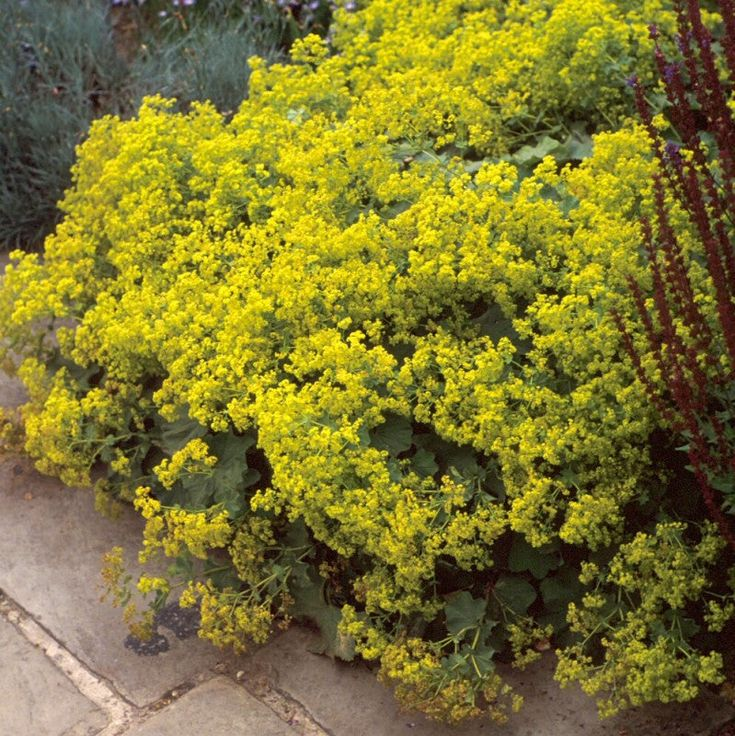
Graceful clusters of frothy lime-green flowers distinguish Lady’s Mantle, a perennial valued as much for its foliage as for its blooms. The scalloped, velvety leaves capture morning dew, creating sparkling highlights that enhance shady garden corners. Native to Europe and Asia, Alchemilla mollis adapts readily to borders, woodland gardens, or edging along paths. It thrives in full sun to part shade, preferring moist, well-draining soil. From late spring into summer, airy sprays of greenish-yellow flowers rise above the foliage, softening hard edges and blending seamlessly with neighboring plants. The blossoms are subtle yet effective, providing texture without overwhelming more vibrant companions. Gardeners often cut flowers for arrangements or dry them for crafts, appreciating their versatility. Once established, Lady’s Mantle requires minimal care beyond occasional division to maintain vigor. Deer and rabbit resistance make it practical in many regions, while self-seeding can naturalize patches over time. In design, it serves as a reliable groundcover or companion for roses, hostas, and ferns, bridging plantings with understated elegance. Lady’s Mantle demonstrates how green tones can enrich gardens through both delicate floral sprays and striking foliage, ensuring enduring relevance in cottage and naturalistic landscapes.
Ornithogalum viridiflorum (Green Flowered Galtonia)
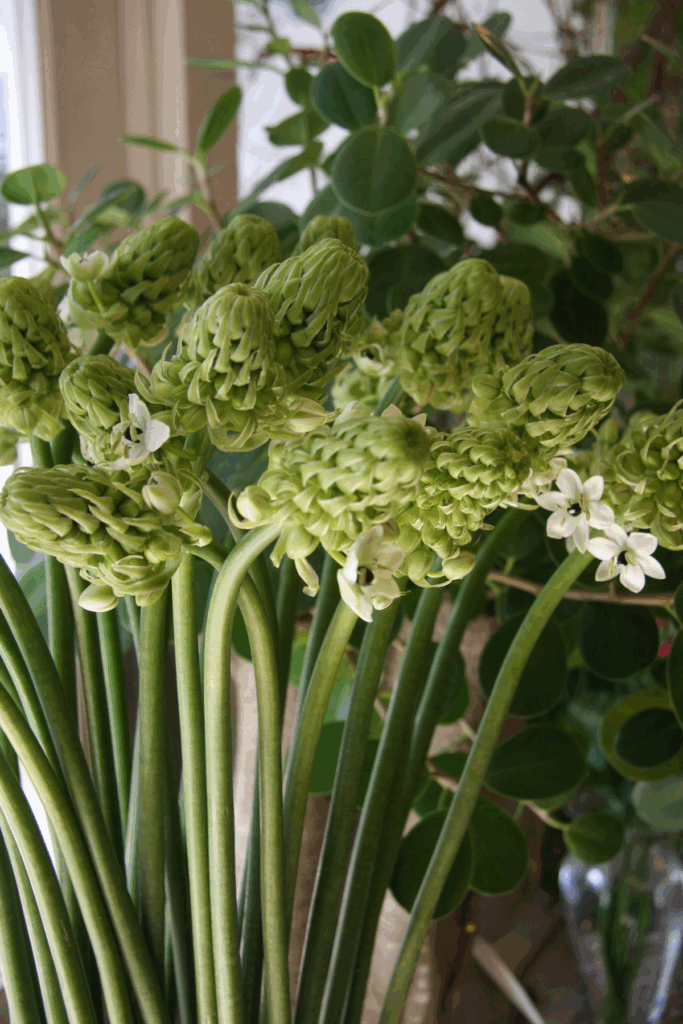
Rare and exotic, Ornithogalum viridiflorum, sometimes called green flowered galtonia, offers pendulous blooms unlike anything else in the garden. Native to South Africa, this bulbous perennial produces tall stalks, often reaching three feet, adorned with clusters of nodding, tubular flowers in jade-green hues. Flowering in late summer, it provides valuable interest when many other plants begin to fade. Well-suited to sunny, well-draining locations, it flourishes in sandy or loamy soils with moderate moisture. Once planted, bulbs naturalize slowly, returning each year with larger clumps of flowers. Its vertical form makes it ideal for mixed borders, where it rises elegantly above surrounding foliage. Gardeners often value it for its unusual coloring, which pairs harmoniously with whites, purples, and silvers in sophisticated schemes. Though relatively uncommon in cultivation, its adaptability and resilience make it a rewarding choice for adventurous gardeners. In arrangements, the flowers add a touch of rarity and intrigue, lasting well when cut. Minimal maintenance is required beyond lifting bulbs in colder climates where frost threatens survival. With exotic appeal, long bloom season, and distinctive green flowers, Ornithogalum viridiflorum ensures gardens stand apart with character and botanical uniqueness.