
Quiet, book-filled settings naturally encourage deeper concentration, making the best library-inspired home offices a compelling choice for anyone seeking a focused and enriching workspace. Shelving walls, curated book collections, warm lighting, and classic textures create an atmosphere that supports long work sessions while adding character and intellectual appeal. These design principles help reduce digital distractions and promote a sense of calm, which is especially valuable for reading-heavy or research-driven tasks. This guide provides practical, design-led ideas that help readers build a workspace grounded in comfort, organization, and timeless study-room charm—ideal for boosting productivity and nurturing thoughtful work habits.
Floor-to-Ceiling Built-In Bookshelves
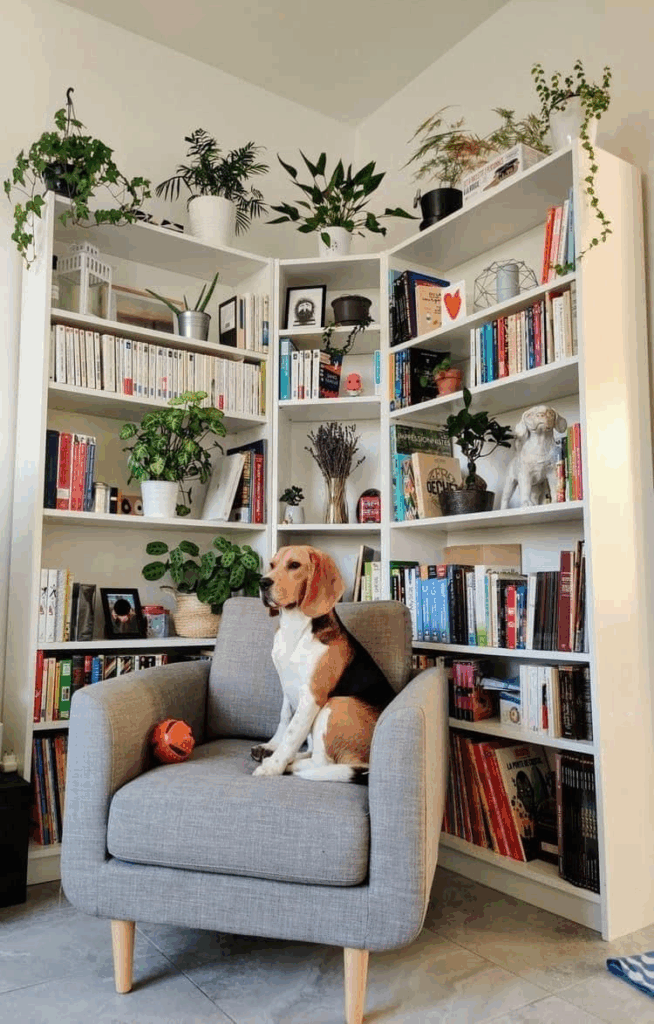
Expansive shelving stretching from the floor to the ceiling instantly defines a library-inspired home office, offering a sense of permanence and architectural depth. This layout makes every inch functional, turning empty wall space into a structured system that keeps books, décor, and work essentials neatly arranged. Homeowners appreciate how the vertical height draws the eye upward, giving compact offices a more open feel while maintaining a grounded, classic look. With adjustable shelves, the design adapts easily as collections grow or shift, providing long-term versatility. Whether styling with hardcovers, archival boxes, or select decorative objects, the bookshelf wall acts as a cohesive visual anchor that ties the room together. Practicality plays a major role here—work zones stay clutter-free because storage is fully integrated rather than added as an afterthought. Pairing the shelves with a rolling library ladder, warm wood tones, or painted finishes allows the office to reflect personal style, from traditional to transitional or contemporary. The setup supports multiple workflows, especially for readers, writers, researchers, or professionals who need frequent access to reference materials. With proper lighting and thoughtful organization, this book-filled backdrop brings charm, purpose, and structure to daily work, making the environment feel both productive and deeply personal.
Rolling Ladder Bookcase System
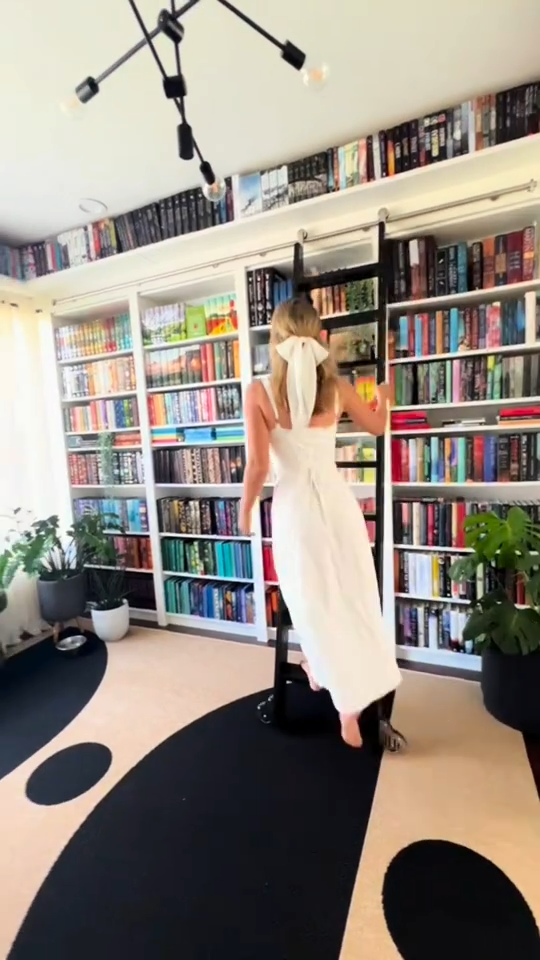
Movement becomes part of the design when a rolling ladder is added to tall bookcases, instantly giving the office a cinematic, old-world charm. This feature supports accessibility by allowing users to reach high shelves without sacrificing floor space or adding bulky step stools. The ladder glides effortlessly along a fixed rail, creating smooth functionality that pairs well with large book collections or archival storage. Many homeowners appreciate how this detail elevates the room’s visual identity, making it feel curated and intentional. Wood, metal, or mixed-material ladder frames allow customization based on the office’s overall theme, whether aiming for vintage warmth or a sharper, modern look. Beyond aesthetics, the system improves organization by encouraging vertical categorization—lower shelves for daily references and upper zones for collectibles or seasonal materials. When paired with built-in lighting or contrasting shelf finishes, the ladder becomes a focal point that enhances the room’s character. Safety features like secure locking wheels and weight-balanced rails ensure smooth operation, making the setup practical for everyday use. The system also supports future expansion since rails can extend along longer book walls if needed. For those who value a distinguished, library-like atmosphere, this combination of form and function offers a standout home office feature.
Dark Wood Moody Library Office
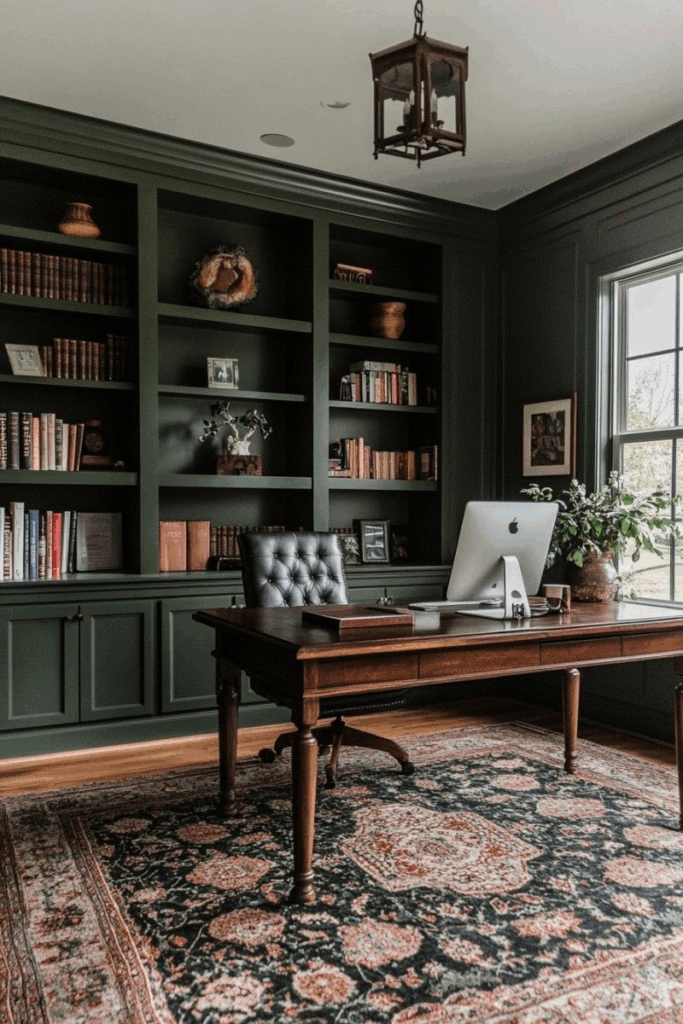
A deeper palette built around walnut, espresso, or mahogany sets a refined atmosphere that feels grounded and contemplative—ideal for professionals who prefer an office that encourages focus. Dark wood instantly adds weight and heritage to the room, making shelves, desks, and trims feel cohesive and richly textured. This environment absorbs excess light, reducing glare and creating a cocoon-like workspace perfect for reading, writing, or strategy-based tasks. When paired with warm lighting, the tones soften, revealing grain patterns that add quiet sophistication. Subtle brass details, leather accents, or antique-style fixtures further support this moody aesthetic without overwhelming the room. Thoughtful placement of framed prints or minimal décor ensures the space remains functional rather than crowded. Many homeowners use this palette to carve out a defined boundary between work and leisure, making the office feel like a dedicated retreat. The color profile also works well for video calls, offering a distinguished backdrop that communicates professionalism. Layering the room with textured rugs or upholstered seating enhances comfort, balancing the depth of the wood with tactile warmth. For those seeking a strong sense of character, the darker library office creates an environment that feels timeless, immersive, and tailored for productivity without distractions.
Cozy Reading Nook Integrated Into the Office
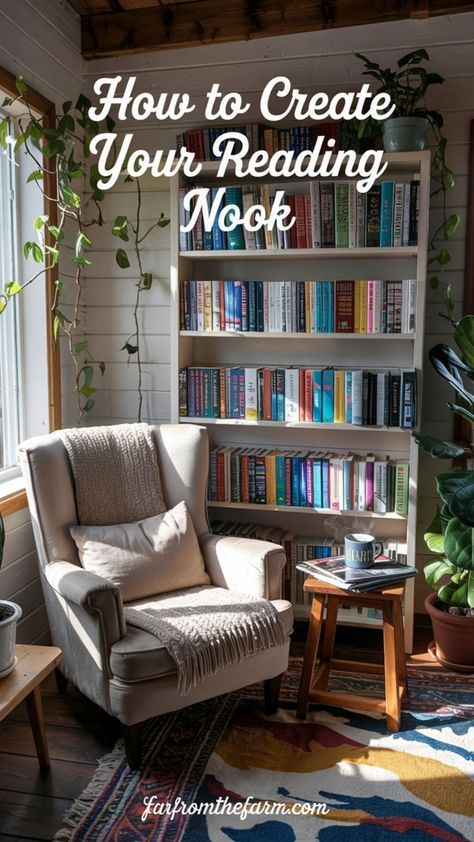
A dedicated nook built directly into the office layout gives readers a break-away space that feels intentionally crafted for comfort. By placing a cushioned bench under a window, within a recessed wall, or between bookcases, the area becomes a quiet escape where work shifts seamlessly into reflective downtime. Homeowners appreciate how this setup brings softness to an otherwise structured workspace, allowing the office to serve multiple purposes throughout the day. Plush pillows, layered throws, and supportive cushions help the nook stay comfortable for long reading sessions, while built-in drawers or side cubbies keep the space tidy. Overhead sconces or small lamps create controlled lighting that reduces eye strain and sets a warm mood. Architectural framing—arched tops, paneling, or fluted details—adds charm and elevates the sense of place. The nook also enhances workflow by offering a secondary zone for brainstorming or reviewing material away from the desk. With clever placement, it doesn’t interrupt circulation or reduce storage potential; instead, it anchors the room and encourages slower, more intentional moments. Many homeowners find that this element completes their library-inspired office, adding a personal touch that supports both relaxation and productivity. The result is a calming corner that enriches the entire workspace experience.
Glass-Front Display Cabinets for Special Editions
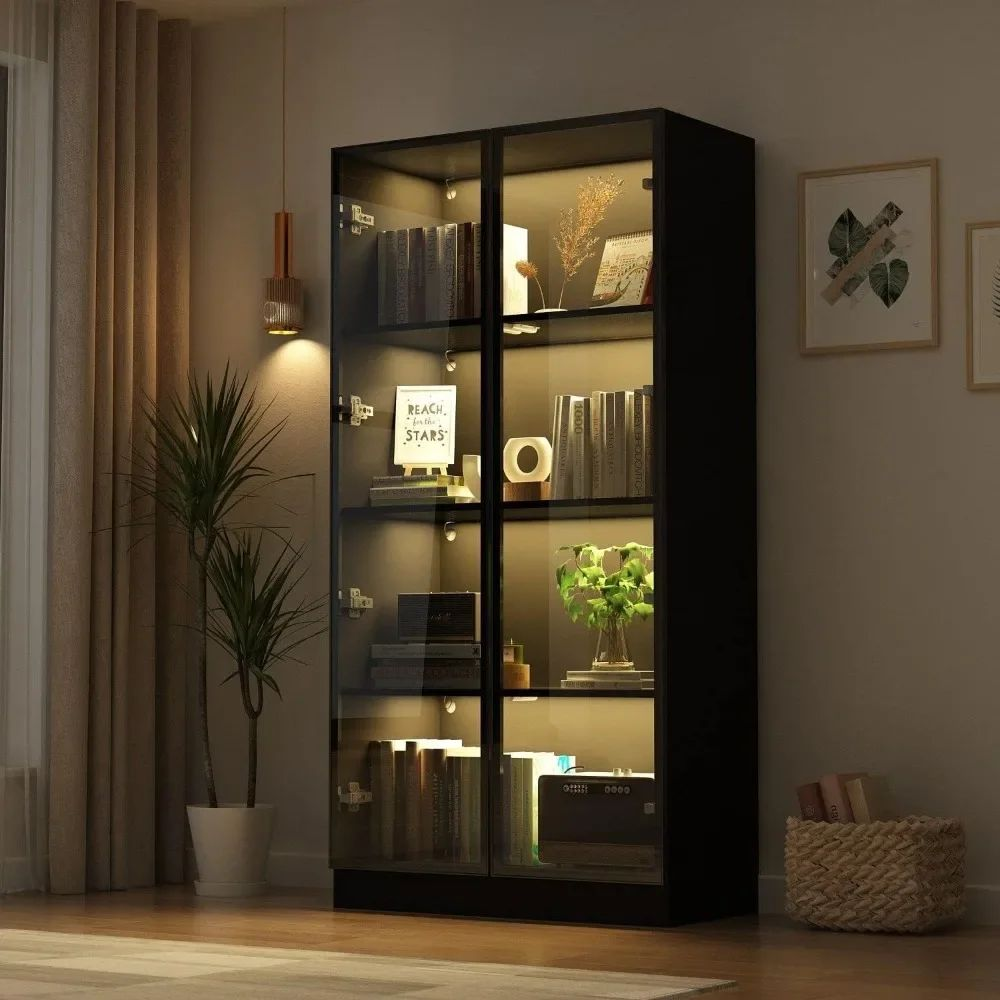
See-through cabinet doors bring refinement and protection, making them ideal for rare books, collectibles, or first editions. The glass panels shield delicate items from dust while keeping them fully visible, giving the office a curated feel similar to a boutique library. Many homeowners choose this feature to highlight meaningful collections while maintaining an organized, polished environment. The style works in both traditional and contemporary spaces depending on frame materials—wood, metal, or mixed finishes. Adjustable lighting inside the cabinets adds depth, casting gentle glows that emphasize spines, textures, and colors without harming sensitive materials. The arrangement supports thoughtful categorization, keeping prized volumes separate from everyday reads and preventing wear from frequent handling. Integrated locks can add security if needed, especially for valuable or irreplaceable editions. The glass also visually expands the room, reflecting light and reducing the heaviness of solid cabinetry. Placement near the desk or reading area ensures the collection remains within view, reinforcing personal connection and inspiration during the workday. The cabinets pair well with open shelving, creating a balanced system of display and accessible storage. For those who treasure their book collection, this feature adds museum-style elegance that enhances the office’s overall personality and purpose.
Desk Centered Between Symmetrical Bookcases
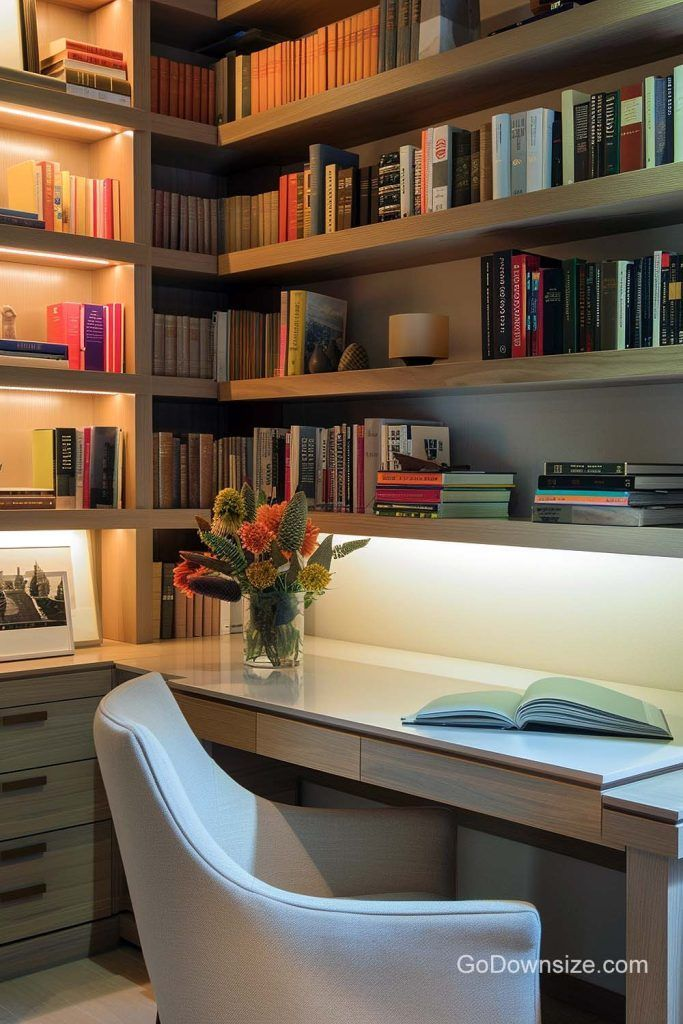
Balance becomes the defining feature when a desk sits between two identical bookcases, creating a polished, architectural composition that feels intentional and orderly. This symmetry helps frame the workspace as the focal point, ensuring the desk remains visually anchored while storage stays accessible on both sides. The layout works especially well for professionals who handle multiple reference materials, as everything is within arm’s reach without disrupting the aesthetics. Matching shelves promote a clean rhythm across the wall, allowing books, décor, and organizational items to align beautifully. The centered desk also enhances workflow by providing a stable middle ground between personal and professional zones, giving structure to daily tasks. Many homeowners appreciate how this arrangement establishes a natural backdrop for video conferences, offering a harmonious, stylish setting without visual clutter. Materials can vary—wood for a traditional look, painted finishes for a modern touch, or metal accents for industrial character. Lighting placed overhead or within the bookcases brings dimension, preventing shadows and keeping the area bright. This setup can easily adapt to evolving needs: shelves can be rearranged, and the desk swapped or upgraded without changing the core structure. Overall, this symmetrical design gives the office a timeless, cohesive presence that supports productivity and visual harmony.
Library Table-Style Desk
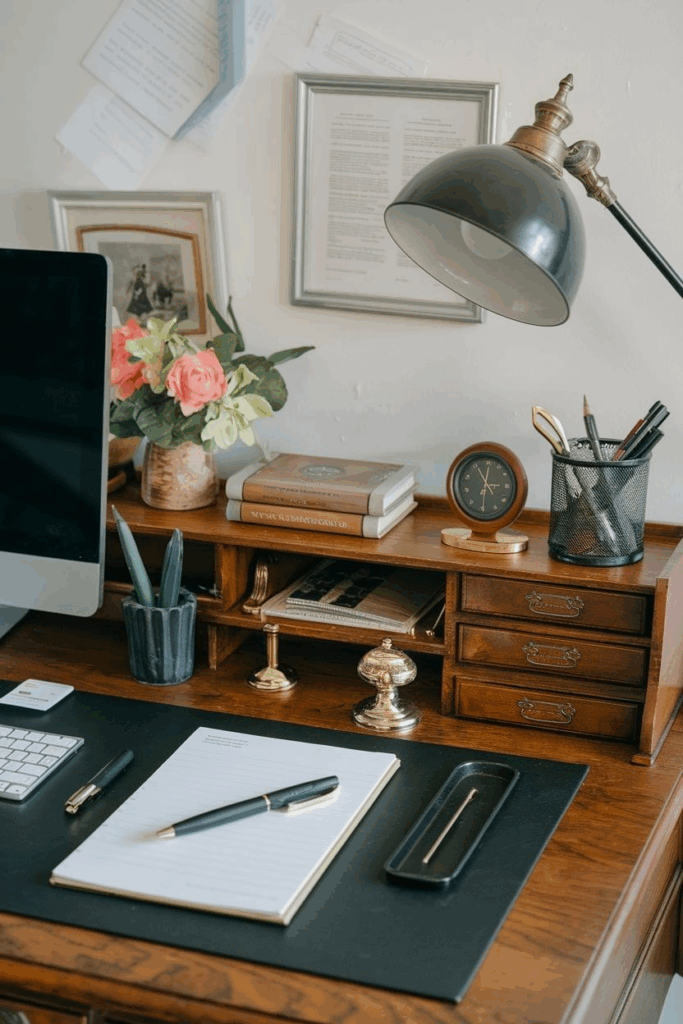
Long, wide, and generously scaled, a table-style desk mirrors classic library tables used for studying and research. This design offers ample surface area, making it ideal for spreading out books, sketches, documents, or digital devices without feeling cramped. The open-leg structure keeps the office feeling airy, preventing the bulkiness sometimes associated with executive desks. Many homeowners appreciate how the elongated form supports multitasking zones—one side for writing, another for laptop work, and a third for reading or planning. Built from wood, stone, or mixed materials, the table can lean traditional, transitional, or streamlined based on the room’s overall theme. Sturdy legs or trestle bases ensure stability while contributing to the piece’s architectural interest. The expansive top also welcomes decorative elements like desk lamps, trays, or book stacks, allowing personality to shine without overcrowding the space. When paired with surrounding shelves, the desk acts as a grounded centerpiece that ties the room together. It’s particularly useful for creators, designers, or anyone needing an unobstructed workspace. The table encourages open movement and flexibility, making the office feel more like a studio or mini-library. For those who value both practicality and character, this desk style brings classic proportions into a modern workflow.
Soft Accent Lighting on Shelves
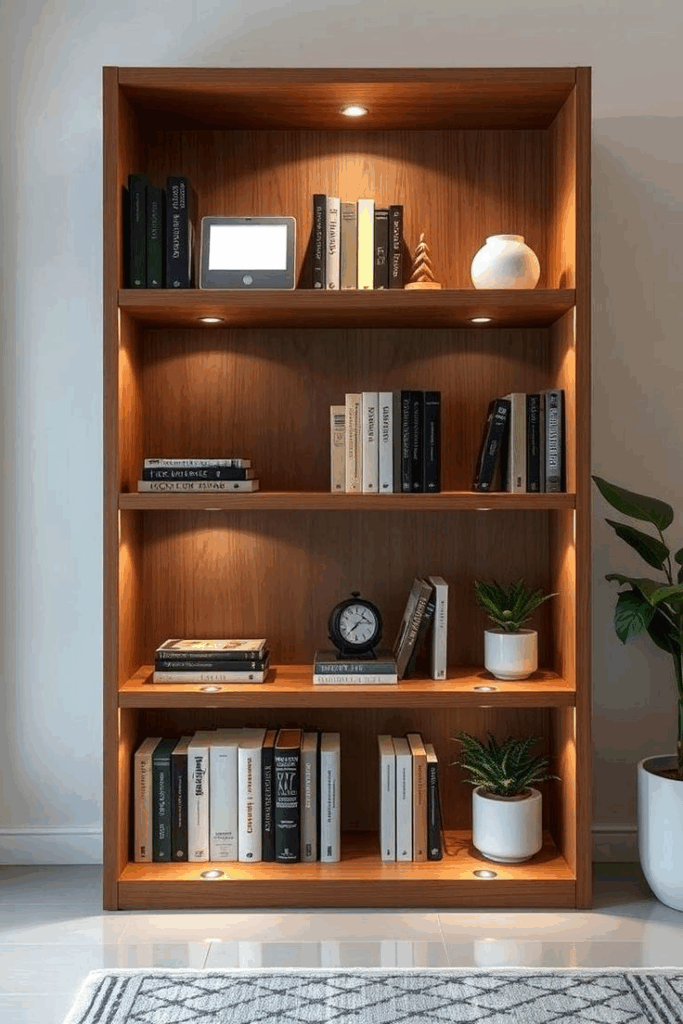
Gentle illumination built directly into shelves transforms the office’s atmosphere while improving visibility and organization. Warm LEDs along the underside of each shelf cast an inviting glow that highlights book spines, textures, and decorative items without creating harsh shadows. Many homeowners appreciate how this lighting adds depth, especially in darker or enclosed spaces where natural light is limited. The setup also enhances evening work sessions, offering a calm environment that reduces eye strain and feels more restful than reliance on overhead lighting alone. Integrated strips remain energy-efficient and discreet, blending seamlessly with wood, painted finishes, or glass-front cabinets. When programmed with dimmers, the lighting adjusts easily between task mode and ambient mode, allowing the office to shift from functional to atmospheric within seconds. The illuminated shelves become a visual anchor, giving the workspace a boutique-like quality often found in high-end libraries or galleries. This lighting also supports better organization by making it easier to locate books or documents, especially in densely packed sections. Paired with accent colors or contrasting materials, the glow enhances the room’s character without overwhelming the design. The overall effect is a refined, balanced environment where comfort meets clarity, improving both aesthetics and everyday workflow.
Vintage Leather Chair for Timeless Comfort
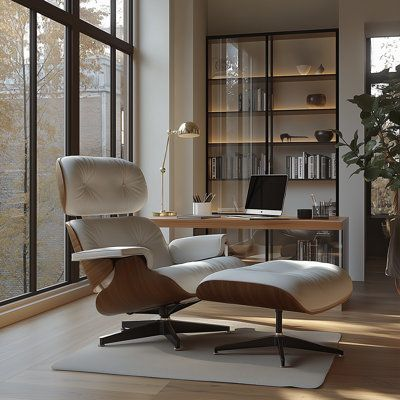
A well-crafted leather chair brings warmth, heritage, and durability to a library-inspired office, instantly grounding the space with character. Quality leather develops a natural patina over time, turning the chair into a piece that tells a story rather than simply serving as seating. The supportive structure makes long work hours feel manageable, while the tactile softness adds comfort without sacrificing sophistication. Whether styled in deep chestnut, tobacco, or cognac tones, the chair complements wood bookcases, antique accents, and traditional décor beautifully. Many homeowners value this piece for its longevity, as high-quality leather ages gracefully and maintains structural integrity for years. Tufted backs, curved arms, or brass nailhead trims add classic detailing that enhances the library atmosphere. The chair also transitions effortlessly between tasks—reading, writing, or reflective thinking—making it a versatile addition to the workspace. Positioned near the desk or in a secondary reading zone, it anchors the room and encourages slower, focused moments away from the computer. Because leather pairs well with multiple materials, the chair fits both historic and contemporary interpretations of a home library. Its presence brings depth, comfort, and timeless charm, ensuring the office remains inviting, functional, and visually compelling every day.
Statement Library Rug
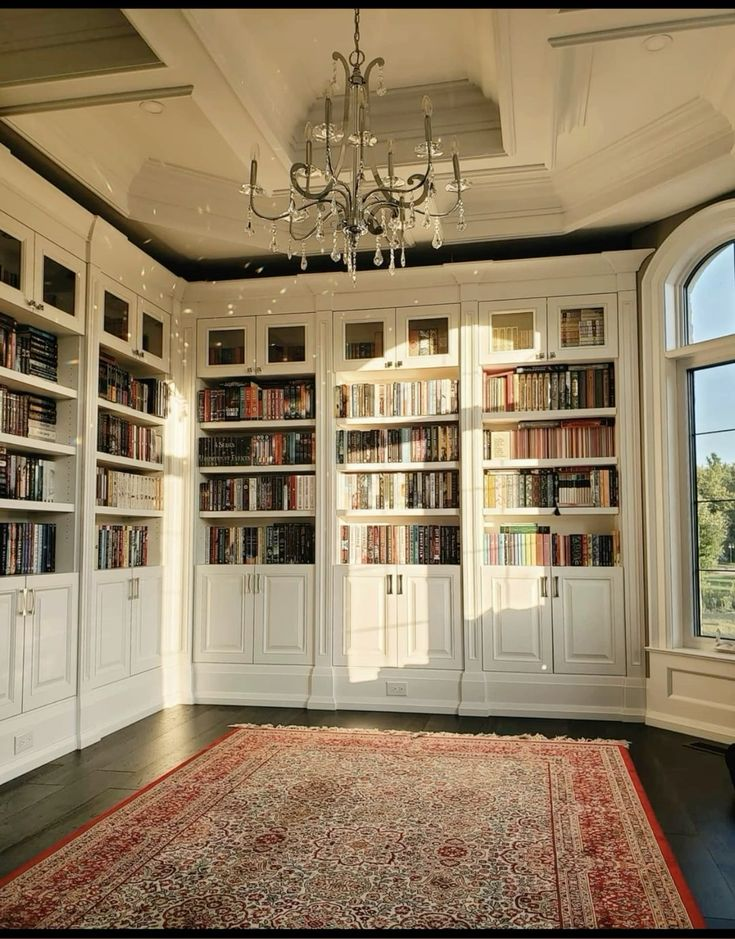
A thoughtfully chosen rug anchors the office, adding warmth and visual identity while supporting acoustic comfort. This element helps define the workspace, especially in larger rooms where the rug separates the desk zone from reading or shelving areas. Patterns inspired by traditional Persian, vintage, or heritage motifs often pair beautifully with book-filled surroundings, introducing color and texture without overwhelming the shelves. The rug softens footfall and reduces echo, making the room feel quieter and more enclosed—an essential feature for deep-focus work. Many homeowners appreciate how this piece adds character instantly, tying together furniture finishes and décor elements for a cohesive appearance. Material choice influences durability: wool offers resilience and comfort, while low-pile blends work well for rolling chairs. The size also matters; a generously scaled rug ensures the chair remains stable and furniture sits comfortably within its boundary. Rich hues complement dark wood offices, while muted neutrals suit lighter, modern library spaces. Patterns conceal wear, making the rug a practical choice for high-traffic areas. With thoughtful placement, it becomes a central feature that enhances both function and charm. For those seeking a polished, inviting office, a statement rug provides color, grounding, and timeless elegance.
Hidden Bookcase Door Storage
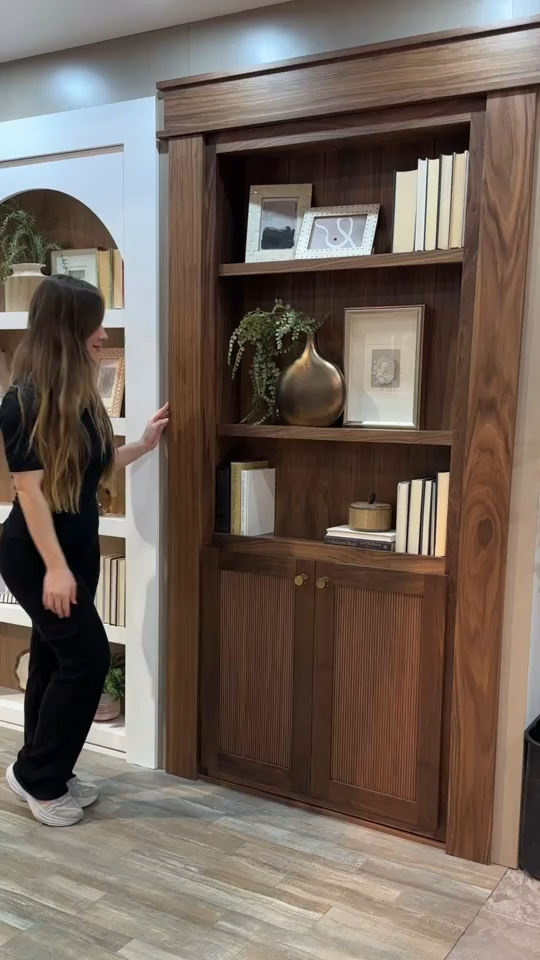
A concealed door built into a bookcase introduces mystery and practicality, allowing the office to maintain a clean aesthetic while hiding secondary storage or a private closet. When closed, the door blends flawlessly with the surrounding shelves, making it difficult to distinguish from the rest of the cabinetry. This subtle integration is ideal for storing documents, supplies, or equipment you prefer to keep out of sight. Homeowners appreciate the playful yet refined nature of this feature, which evokes classic mansion libraries without feeling gimmicky. Smooth hinges, balanced weight distribution, and sturdy framing ensure the door operates effortlessly without putting strain on the shelving. Customizable shelving on the door itself allows books or décor to remain displayed, ensuring the design’s functionality remains intact. This concealed solution also provides added security since valuable items can be stored discreetly without attracting attention. It enhances spatial flow by eliminating the need for a visible door, making the wall appear continuous and cohesive. Lighting placed around the structure prevents shadows and keeps the room bright. For those who desire a sophisticated yet surprising touch, this hidden bookcase door becomes an unforgettable part of the home office.
Framed Art + Book Mix Wall
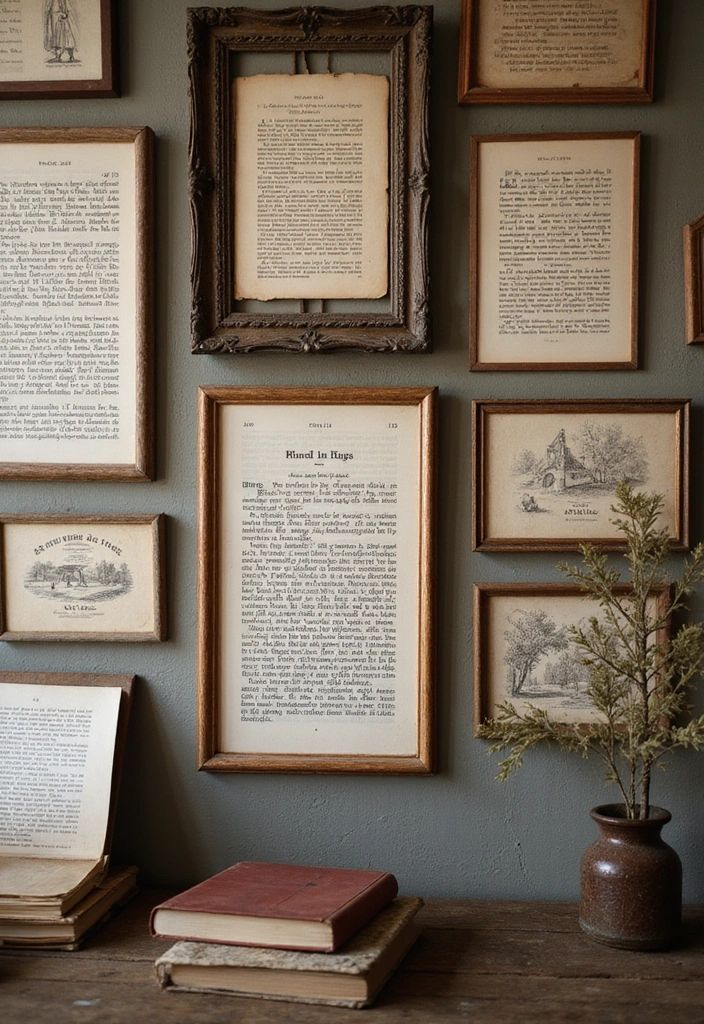
An art-and-book wall introduces personality, depth, and variety, balancing the structure of shelving with expressive visual elements. Mixing framed pieces with well-arranged books creates a dynamic display that feels curated rather than uniform. Homeowners love this approach because it transforms storage into storytelling—showcasing interests, inspirations, and meaningful collections in one cohesive feature. Art choices may include sketches, literary quotes, vintage prints, or modern photography, each adding mood and contrast to the room. Strategic spacing keeps the layout from feeling crowded, while a consistent frame style or palette ensures harmony across the display. Books can be arranged by color, size, or genre depending on the desired visual effect. Decorative accents—small sculptures, vases, or plants—bring dimension without overpowering the shelves. Adjustable lighting highlights key pieces, ensuring artwork remains visible even in evening hours. This mixed wall supports creativity while maintaining functionality, offering easy access to reading materials and reference items. It also becomes a compelling backdrop for virtual meetings, lending authenticity and charm to the office environment. The combination of art and literature makes the room feel lived-in, visually rich, and uniquely personal, reinforcing the library-inspired theme while offering endless possibilities for seasonal or stylistic updates.