
Tranquil balance meets modern design where Japanese serenity intertwines with Scandinavian simplicity. Japandi-style bathrooms redefine comfort through natural textures, neutral tones, and thoughtful minimalism that calms both mind and space. Every element—from wooden accents to stone finishes—speaks to harmony and purpose. For homeowners seeking peaceful retreats, this design philosophy offers timeless appeal and lasting value. Discover how clean lines, earthy palettes, and mindful decor create sanctuaries that feel both grounded and effortlessly elegant in today’s design-forward homes.
Natural Wood Bathtub & Vanity Pairing
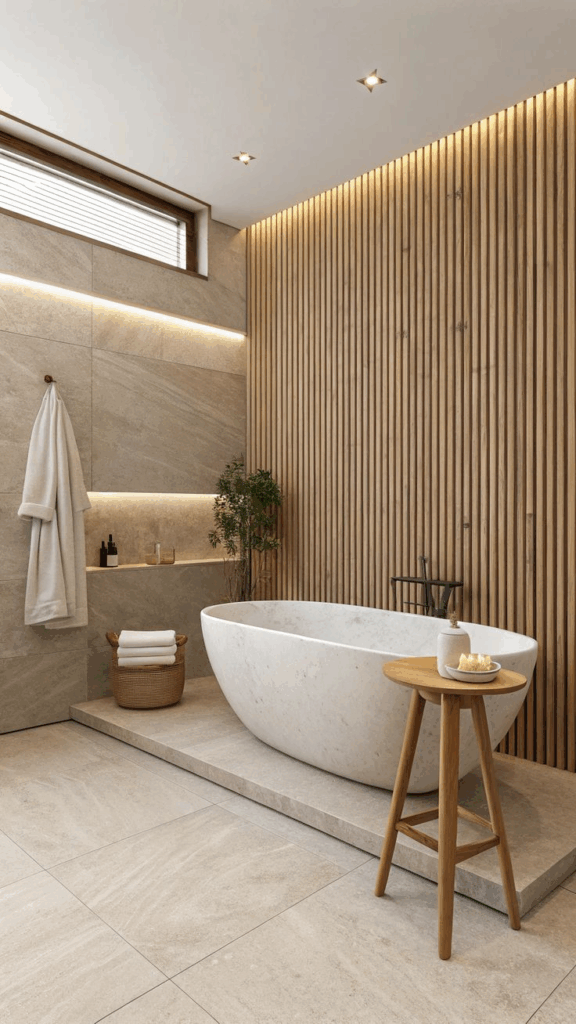
Warm harmony defines this pairing where wood grain becomes the bathroom’s quiet centerpiece. A teak or hinoki bathtub complements a matching vanity crafted from oak or bamboo, establishing a grounded connection between bathing and natural textures. The gentle matte finish invites touch while balancing humidity resilience and long-term durability. When paired with neutral walls and soft daylight, the wooden forms radiate serenity and warmth. The key lies in maintaining consistency—using similar tones across storage units, mirror frames, and trims to achieve fluid visual continuity. Layering subtle contrasts, such as stone countertops or brushed metal taps, prevents monotony and adds tactile depth. Minimal hardware ensures focus remains on craftsmanship and organic detail. The subtle scent of treated wood enhances the sensory calm often sought in Japandi design. This synergy bridges modern simplicity with traditional Japanese bathing rituals.
Soft Earth-Tone Tile Palette
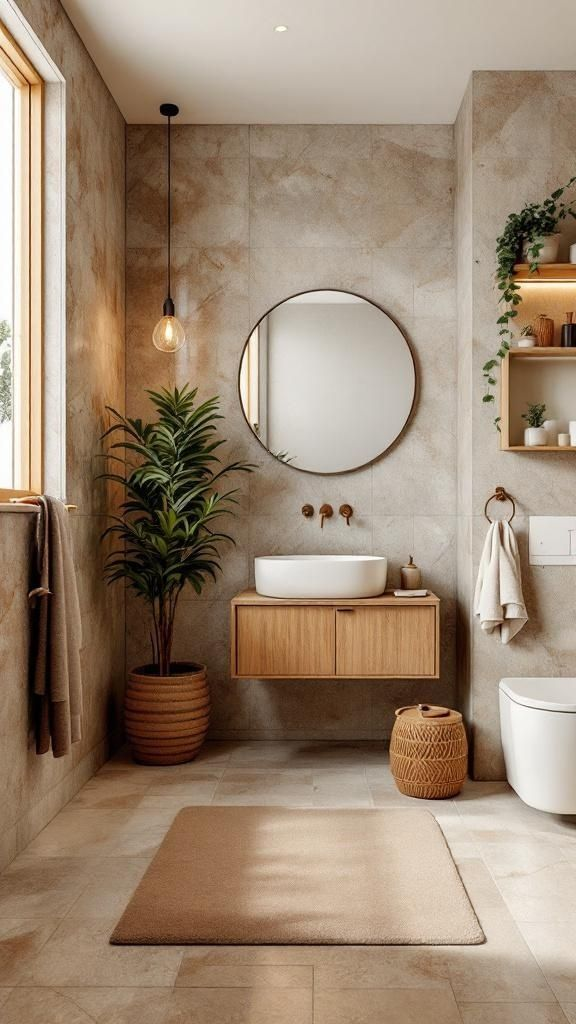
Muted beiges, sand, clay, and warm greys transform the bathroom into a meditative retreat that feels grounded yet elegant. Earth-tone tiles connect interior elements to nature, echoing Japandi’s philosophy of restraint and balance. Whether matte porcelain, travertine, or clay-based ceramics, their tactile surface subtly reflects natural light for soothing depth. Gentle tonal variation across floor and wall tiles prevents visual flatness while keeping the palette cohesive. Opting for large-format tiles minimizes grout lines, reinforcing the uncluttered aesthetic characteristic of minimalist interiors. Accent walls featuring textured finishes or handmade imperfections celebrate the wabi-sabi influence central to Japanese design. Complement these tones with wooden or stone features for a harmonious link between textures. Even when styled with black fittings or white basins, the overall look remains tranquil, balanced, and timelessly warm. This soft palette forms the ideal backdrop for serene Japandi bathrooms that exude understated sophistication and daily calm.
Shoji / Washed Screen Partitions in Wet Zones
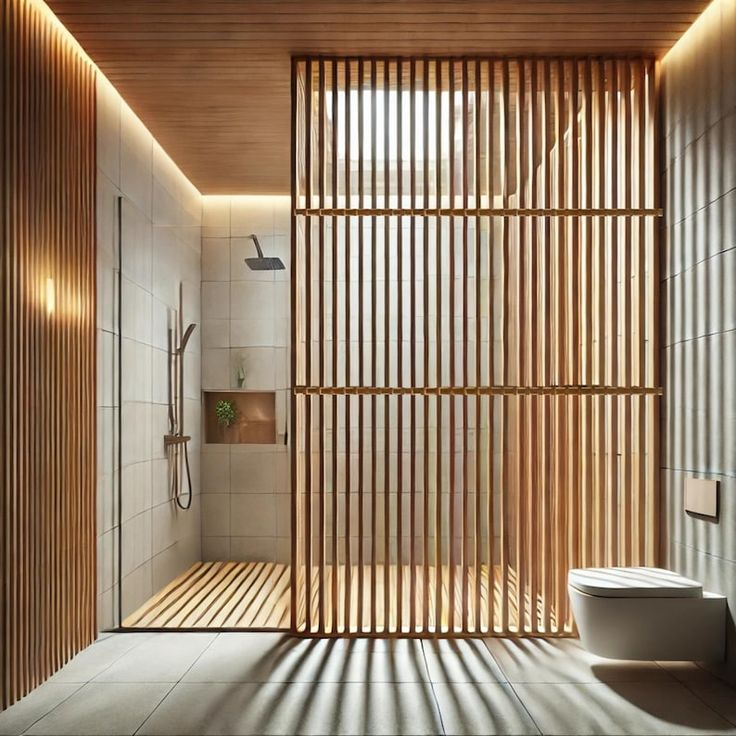
Filtered light and partial transparency bring peace into shower zones through shoji-inspired partitions. These washed screens or frosted glass dividers replace heavy curtains or solid walls, allowing light to diffuse gently while maintaining privacy. Their minimalist frames—often crafted from oak or ash—introduce Japanese spatial logic where separation feels light, not closed. Moisture-resistant rice paper imitations or textured polycarbonate panels emulate the softness of traditional shoji while being practical in humid settings. The subtle patterning casts shadows that shift through the day, giving the room a living rhythm. Pairing these partitions with stone floors or wooden trims strengthens visual unity between dry and wet areas. Unlike standard glass enclosures, they add poetry and cultural authenticity without overwhelming the minimalist ethos. Balanced lighting enhances this interplay, amplifying texture and stillness simultaneously. This design approach cultivates privacy with grace, transforming functional zones into peaceful sanctuaries rooted in Japanese simplicity and Scandinavian warmth.
Floating Vanity with Hidden Storage
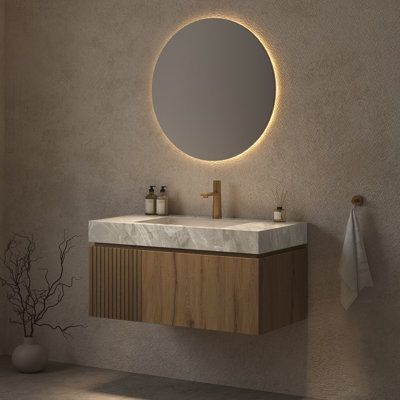
Sleek silhouettes meet practical function when the vanity appears to float effortlessly above the floor. This illusion of space contributes to the calm, airy feel crucial to Japandi interiors. Hidden drawers and push-to-open mechanisms keep clutter invisible, maintaining a clean visual rhythm that promotes order and mindfulness. Wood tones—whether oak, walnut, or bamboo—enhance the organic undertone, while matte fronts ensure subtle sophistication. Pairing the vanity with under-lighting adds a soft glow that defines form without dominating it. Integrated sinks or seamless countertop materials, such as stone composite, ensure minimal joint lines for easy maintenance and uninterrupted flow. This design reduces visual noise, amplifying the sense of spaciousness even in compact layouts. Strategic placement of mirrors enhances perceived depth and maximizes light reflection. Every element serves a quiet purpose—nothing ornamental, everything intentional. Such thoughtful restraint embodies Japandi’s enduring philosophy: beauty through simplicity, functionality, and serenity.
Integrated LED / Cove Lighting
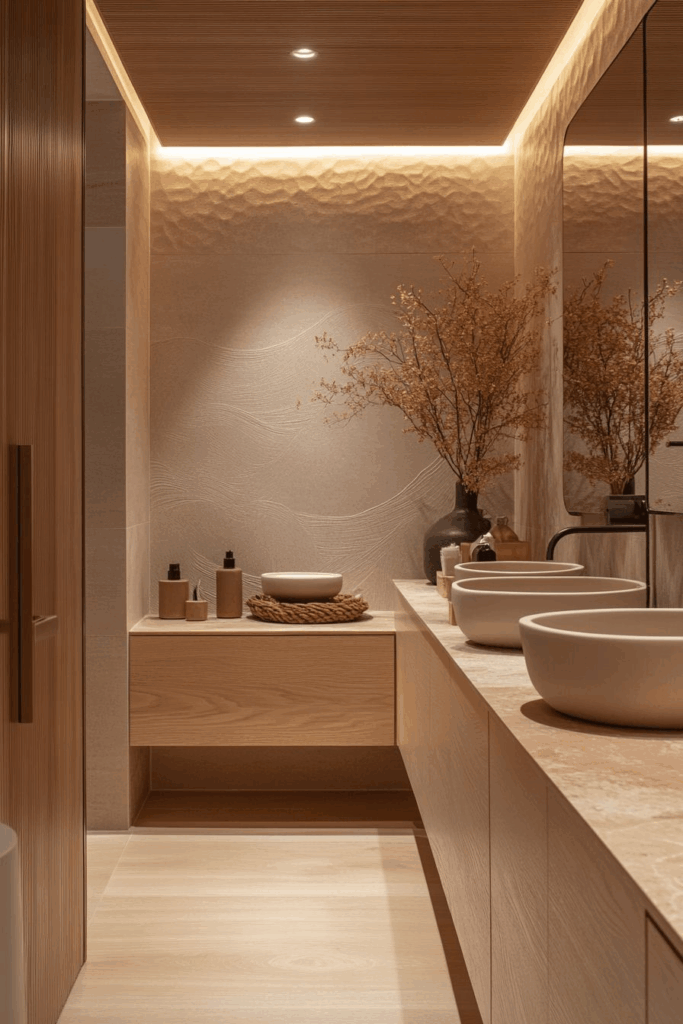
Gentle illumination defines ambiance more than any accessory could in a Japandi bathroom. Integrated LED strips tucked under vanities, behind mirrors, or within recessed coves deliver indirect lighting that softens shadows and reduces glare. This technique evokes calm, mirroring sunrise tones that nurture relaxation. Warm-white hues (around 2700–3000K) best complement natural wood and stone finishes, creating harmony instead of harsh contrast. Using dimmable fixtures allows day-to-night adaptability, transitioning seamlessly from energizing brightness to spa-like stillness. Cove lighting along ceilings subtly outlines architectural geometry while leaving surfaces visually uncluttered. This concealed illumination enhances materials’ natural grain, accentuating texture rather than color saturation. It also heightens spaciousness perception—particularly effective in low-ceiling or small bathrooms. The result is a layered lightscape, neither clinical nor decorative, just balanced. Through thoughtful placement, integrated lighting transforms the Japandi bathroom into an experiential retreat, where light feels organic and emotionally restorative.
Wood Slat or Tongue-and-Groove Accent Walls
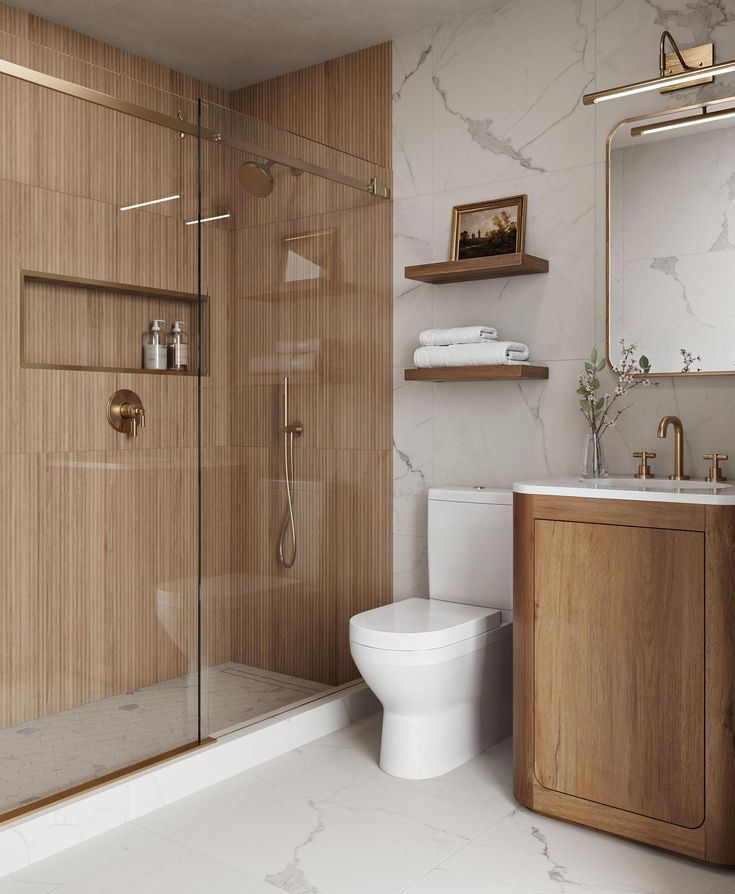
Texture meets tranquility when vertical wooden panels define walls with subtle rhythm. Slatted or tongue-and-groove treatments introduce depth without visual chaos, reinforcing Japandi’s fusion of craftsmanship and minimalism. Light oak, pine, or ash finishes amplify airiness, while darker walnut tones evoke intimacy. When aligned flawlessly, these panels frame mirrors, tubs, or vanities with architectural grace. Beyond aesthetics, wood surfaces absorb sound and regulate humidity, improving spatial comfort. Integrating them behind sinks or tubs creates a warm focal backdrop that feels handcrafted yet refined. Sealing with matte waterproof finishes ensures longevity while preserving natural grain. Paired with concealed lighting, shadows dance softly across ridges, animating the design throughout the day. The rhythmic repetition of lines fosters calm and structure simultaneously—hallmarks of Japanese and Scandinavian traditions alike. Whether covering an entire wall or partial feature, slatted accents convey serenity, timelessness, and tactile sophistication in perfect Japandi harmony.
Stone / Concrete Counters or Basins

Natural solidity anchors the bathroom when stone or concrete enters the palette. Polished limestone, travertine, or light terrazzo embodies the organic purity central to Japandi spaces, while matte concrete basins bring sculptural balance. Their weight grounds the airy compositions typically formed by wood and glass. Minimal edging and integrated sinks keep lines seamless, highlighting material integrity over ornamentation. Stone surfaces reflect light subtly, avoiding glare but maintaining depth through texture and mineral variation. The cool tone of gray concrete juxtaposed with warm timber creates equilibrium, symbolizing the blend of nature and restraint. Beyond aesthetics, these materials ensure durability, heat resistance, and low maintenance—qualities valued in long-term home sanctuaries. Complementing with brushed-nickel or black fixtures sharpens the contrast while keeping visuals cohesive. Whether carved, cast, or honed, stone and concrete echo timeless tranquility, establishing permanence within the transient rhythm of modern daily rituals.
Natural Textiles (Linen, Hemp, Organic Cotton)
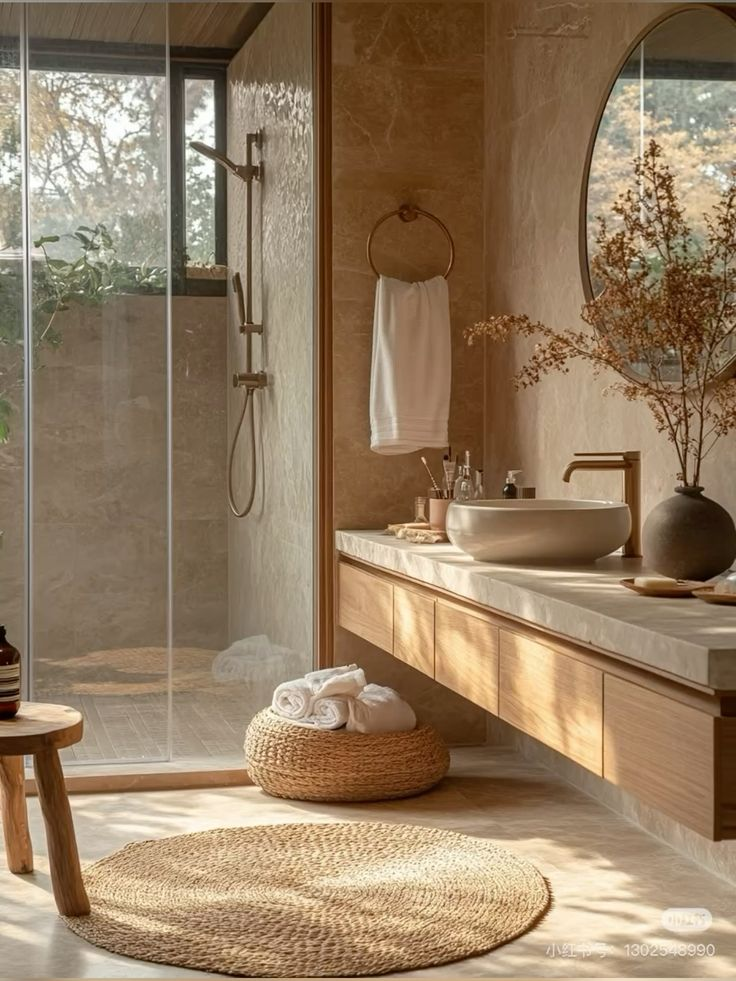
Soft tactile layers complete the sensory experience in Japandi bathrooms where minimalism meets comfort. Towels, bath mats, and curtains made from linen, hemp, or organic cotton introduce texture without clutter. Their muted fibers breathe naturally, absorbing moisture while lending relaxed elegance. Off-white, taupe, or oat shades complement neutral tiles and wood finishes, reinforcing visual calm. Handwoven or stonewashed textures express authenticity—imperfection as beauty, central to wabi-sabi philosophy. Lightweight fabrics move gently with air, softening edges of hard surfaces like stone or metal. Sustainably sourced textiles also support eco-conscious values aligned with Japandi’s environmental mindfulness. Layering small details—rolled towels in wooden baskets or natural-fiber rugs—enhances warmth without disturbing simplicity. Every piece contributes tactile balance, ensuring the bathroom feels lived-in yet composed. When combined with gentle lighting and greenery, these textiles transform sterile spaces into inviting sanctuaries where purity meets comfort seamlessly.
Matte Black or Dark Accents (Faucets, Frames)
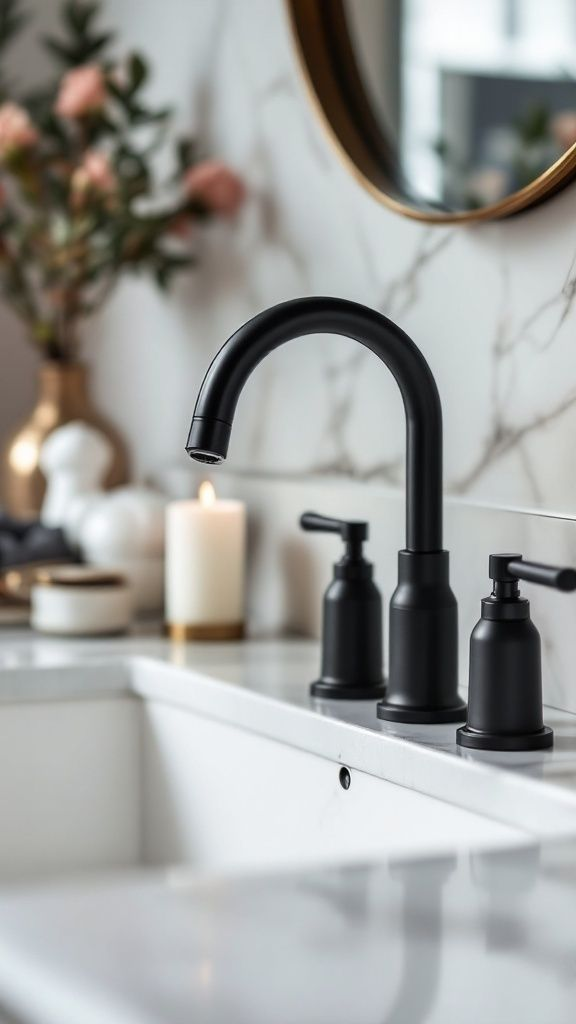
Refined restraint defines the use of dark accents in Japandi bathrooms. Matte black or graphite fixtures ground pale surfaces and highlight architectural precision without feeling intrusive. Their contrast sharpens focus, allowing organic materials like wood and stone to stand out with clarity. Slim framed mirrors, towel rails, and faucets become punctuation marks that balance warmth and structure. Unlike glossy finishes, matte textures absorb light softly, maintaining harmony instead of dominance. Pairing them with beige tiles or light ash walls enhances visual rhythm. Consistency is key—matching metal finishes across handles, frames, and spouts prevents visual fragmentation. Dark tones also accentuate geometric order, subtly framing sightlines and adding sophistication. This monochrome balance brings quiet drama to serene palettes, demonstrating how minimal contrast can yield maximum elegance. In Japandi aesthetics, these accents embody controlled modernity—functional, sculptural, and timelessly poised within nature’s palette.
Open Shelving in Light Wood
Airy display storage embodies balance between functionality and aesthetic warmth. Open shelving crafted from oak, beech, or bamboo encourages mindful organization where every object contributes to visual harmony. Instead of hiding essentials, it celebrates them— neatly folded towels, ceramic jars, and small planters become décor. The pale wood tone reflects light naturally, keeping the bathroom spacious and uncluttered. Floating shelves paired with concealed brackets maintain minimalist integrity while allowing practical access. Balanced proportions prevent overcrowding, ensuring negative space feels intentional. Positioning shelves near mirrors or windows enhances reflectivity, subtly expanding the room’s feel. Natural wax finishes protect wood from humidity while preserving organic texture. This open approach resonates with Japandi’s spirit—simplicity elevated through honest materials and thoughtful curation. The result is a functional statement of calm clarity, where storage merges seamlessly with design, reinforcing an effortless sense of order and everyday mindfulness.
Greenery — Bamboo, Ferns, Potted Plants

Living plants bring pulse and purity into serene Japandi bathrooms. Bamboo, ferns, or peace lilies thrive in humid environments, offering natural filtration and refreshing contrast against wood and stone. Their organic silhouettes soften structured lines, adding quiet dynamism. Small potted greens placed on vanities or floating shelves introduce warmth without visual clutter. Hanging plants near skylights create depth while guiding the eye upward, amplifying space perception. Selecting simple ceramic or stone planters aligns perfectly with minimalist aesthetics. Consistent greenery connects interior air and natural rhythm, supporting biophilic design principles central to Japandi living. Maintenance remains effortless with low-light species like snake plants or pothos that require minimal attention. This fusion of life and stillness reinforces the restorative quality of daily rituals, transforming bathrooms into tranquil wellness corners where nature and design breathe together effortlessly.
Removable Wallpaper or Wall Art with Japanese Motifs

Artistic expression finds subtle form through Japanese-inspired wall elements that complement Japandi’s understated restraint. Removable wallpaper featuring watercolor landscapes, crane motifs, or brush-stroke minimalism introduces culture without permanence. Soft beige, mist gray, or ink black palettes ensure the décor remains meditative, not loud. Alternatively, framed calligraphy or monochrome art adds heritage texture to plain surfaces. The key lies in placement—one accent wall or selected niche, never overcrowding visual space. Washable and moisture-resistant materials make these wallpapers suitable even for semi-wet zones. They provide an easy seasonal refresh while maintaining design cohesion. Pairing such elements with natural wood frames or stone surroundings highlights authenticity and craftsmanship. By merging traditional Japanese art sensibilities with Scandinavian restraint, these accents humanize minimalism and prevent sterility. The result feels curated yet breathable, where artistic soul enhances tranquility, completing the emotional layer of a perfect Japandi bathroom.