
Work performance often improves when the surrounding environment is thoughtfully structured, which is why the best home office designs play such an important role in today’s work-from-home routines. A well-planned workspace supports focus, comfort, and efficiency through smart layouts, ergonomic essentials, and organized storage. Lighting choices, color psychology, and functional décor also shape the overall atmosphere, helping reduce distractions and boosting long-term productivity. This guide outlines reliable, design-driven ideas that help readers develop a workspace suited to their needs, offering practical insights rooted in current trends, workflow demands, and expert-backed design principles for a more effective daily setup.
Window-Wrapped Corner Office
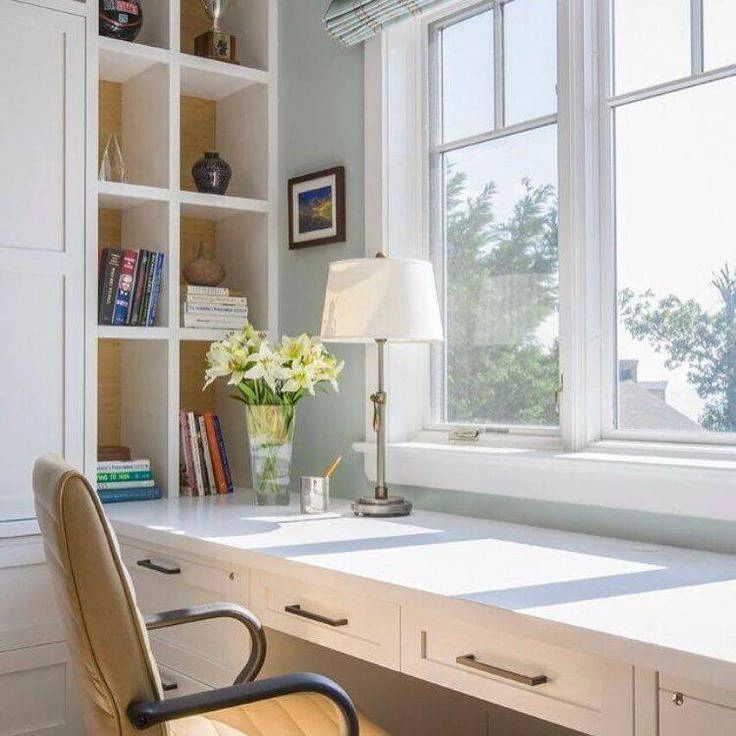
Sunlight in this corner-focused workspace creates a naturally energizing environment that supports long, productive hours without feeling enclosed. Broad glass panes welcome shifting daylight that helps regulate mood and focus, giving the office a refreshed atmosphere throughout the day. The positioning of the desk near the brightest stretch allows tasks requiring clarity—such as writing, designing, or reviewing documents—to feel more effortless. Light-toned furniture pairs well with the airy surroundings, preventing visual heaviness while maintaining a polished aesthetic. Storage solutions placed along the opaque walls ensure the open views remain uncluttered, preserving the room’s spacious feel. Sheer window treatments or adjustable blinds offer privacy without sacrificing brightness, making it easier to manage glare during screen-heavy work. Houseplants thrive in this setting, adding texture and natural grounding to balance the expansive glazing. Cable management becomes essential here, as visible wires can break the streamlined look. Floating shelves or slim cabinetry contribute to a clean silhouette while keeping essentials close. This layout works well in apartments, modern homes, or compact spaces where maximizing every inch matters. Overall, the interplay between openness and functional zoning makes this style both practical and visually uplifting.
Built-In Wall Desk With Floating Shelves
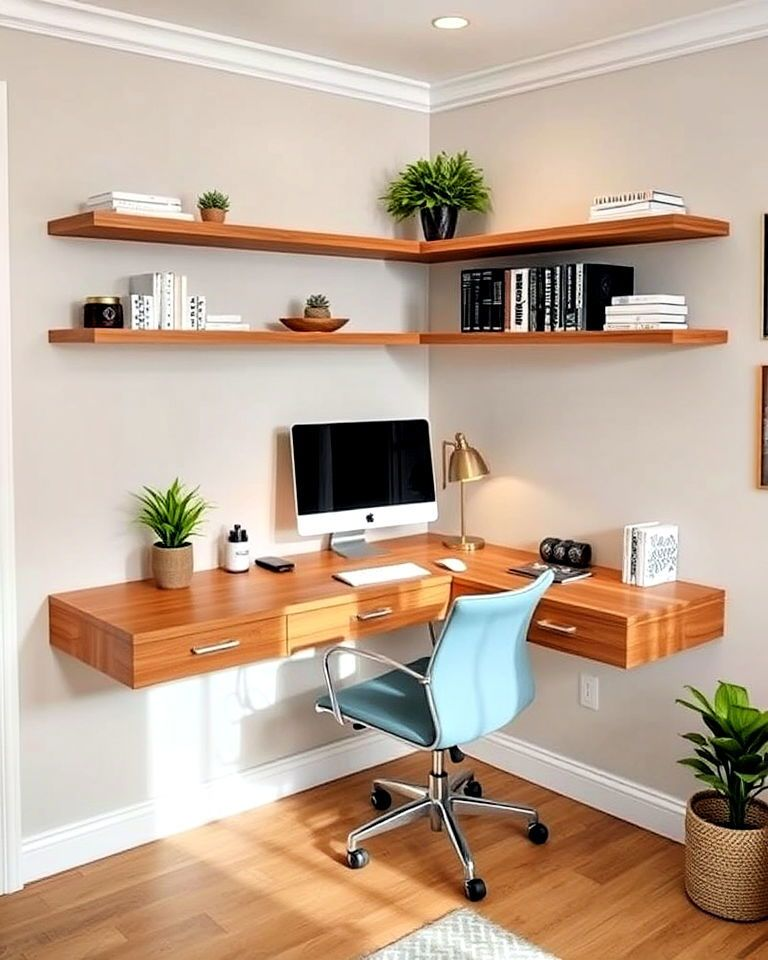
Custom carpentry in this compact workspace delivers a tailored environment where efficiency meets streamlined design. The built-in desk anchors the room with a seamless profile that eliminates bulky furniture and opens the floor area for smoother traffic flow. Floating shelves above the workstation introduce vertical structure, providing accessible storage without overwhelming the eye. Their spacing allows curated displays of books, work supplies, or personal décor, giving the workstation personality while remaining organized. Neutral finishes such as matte white or soft wood tones help the wall unit blend into the room, creating a cohesive visual line. Under-shelf lighting adds functional brightness for focused tasks and reduces shadows that can strain the eyes. Hidden brackets and sturdy mounting ensure the shelves remain stable even with heavier items. Integrated cable cutouts keep the desktop clean, supporting those who prefer a distraction-free setup. A comfortable ergonomic chair, paired with a footrest if needed, completes the zone without adding clutter. This type of built-in design works well for small rooms, shared spaces, or multifunctional areas where a full office layout isn’t feasible. By relying on smart vertical planning and clean geometry, the workstation remains both highly usable and visually composed.
Scandinavian Light Wood Workspace
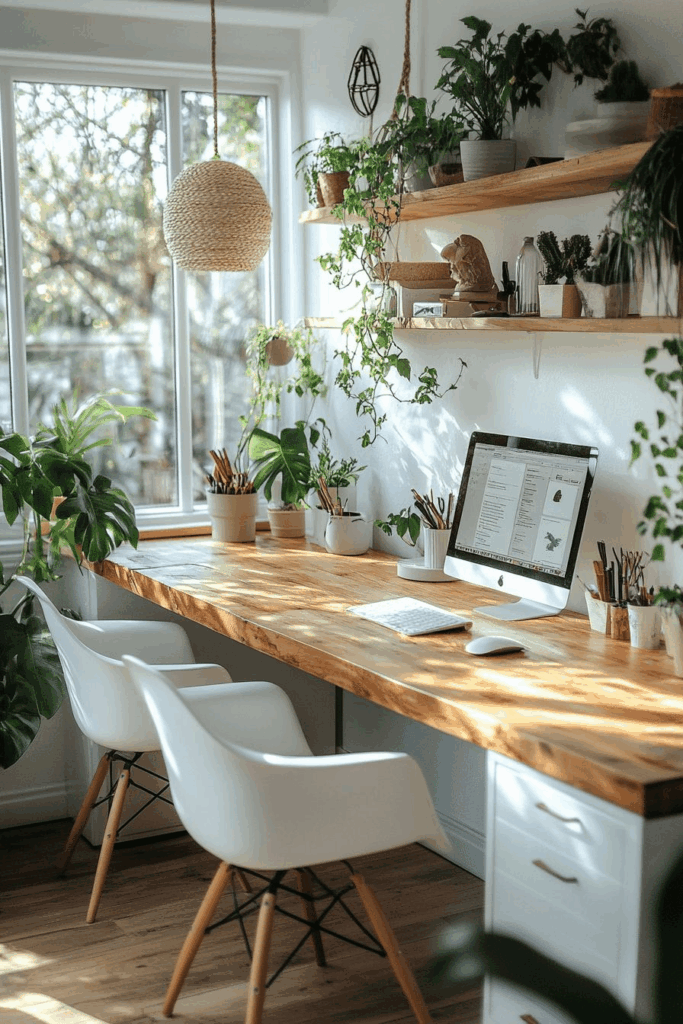
Nordic simplicity in this workspace centers around light wood textures that bring quiet warmth to the environment while maintaining clean modern lines. Pale oak, ash, or beech surfaces form the foundation, offering a calming palette that reduces visual noise during focused work. Softly rounded edges and minimalist silhouettes contribute to a relaxed aesthetic that avoids unnecessary ornamentation. Neutral textiles—such as cotton, linen, or wool—add tactile comfort without overpowering the room’s gentle tone. Storage solutions lean toward open shelving or slim drawers, reinforcing practicality and clarity. Lighting remains essential, with warm LEDs or paper-shade lamps that diffuse illumination evenly across the desk. Functional accessories in muted tones—like ceramic pencil holders or felt trays—keep the workspace grounded and intentional. Plants such as pothos or small pines introduce natural contrast while complementing the organic materials. This design approach supports productivity by removing clutter, emphasizing breathable space, and promoting emotional ease. The light wood palette also reflects daylight effectively, brightening the room and preventing shadows from dominating. Whether used in a dedicated office or a corner nook, the balance of warmth and simplicity helps sustain long-term motivation and comfort throughout extended work sessions.
Moody Charcoal Focus Room
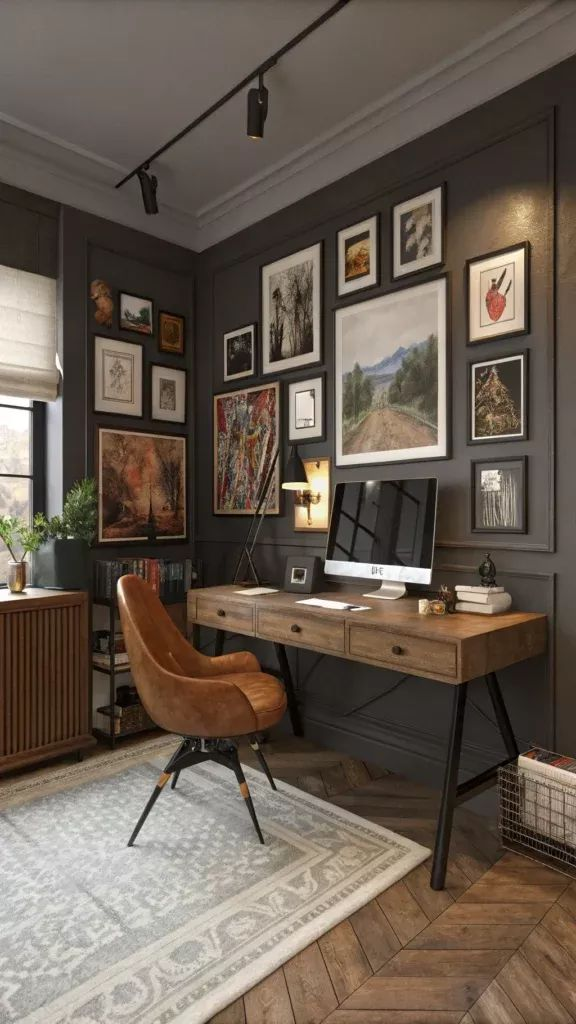
Charcoal depth in this workspace shapes an immersive environment that reduces distractions and supports deep concentration. Darker tones across the walls and furniture absorb excess light, creating a cocoon-like atmosphere ideal for writing, coding, or analytical work. Matte finishes prevent glare, giving the room a sophisticated touch without feeling heavy. Accent lighting becomes critical here; targeted desk lamps, warm wall sconces, or LED strips behind shelving add layered illumination that makes the space functional and inviting. Textures such as wool throws, ribbed fabrics, or brushed metal break the tonal uniformity and add subtle refinement. The desk often features darker wood or blackened metal to maintain consistency. Organized cabinetry or streamlined drawers conceal clutter, helping the room stay visually controlled. Minimal artwork with narrow frames or monochrome prints reinforces the focus-driven energy. Sound-absorbing panels or thick rugs improve acoustics, further enhancing the sense of privacy. This environment particularly suits individuals who thrive away from bright environments or prefer a grounded visual field during demanding tasks. Despite the dramatic aesthetic, the design stays functional, ensuring the darkness feels intentional rather than overwhelming. With thoughtful balance, the charcoal palette creates a retreat-like workspace built for uninterrupted productivity.
Creative Grid Wall Organizer

Modular structure defines this workspace through a versatile grid wall that acts as both an organizational tool and a visual anchor. Metal squares, wooden frames, or pegboard-inspired panels allow items to be rearranged easily, supporting evolving workflows or seasonal refreshes. Hooks, baskets, and magnetic clips make it simple to display mood boards, schedules, stationery, or project materials. This adaptability keeps the desk surface clear while making important items immediately accessible. The grid also invites creative expression through curated displays of postcards, fabric swatches, or inspirational notes. Sleek black or brushed metal grids suit modern interiors, while wooden versions fit warmer or rustic aesthetics. Mounting the grid securely ensures it can support heavier accessories like small planters or storage bins. Lighting positioned above or around the panel highlights its contents and improves functionality. Pairing the grid with a simple desk and ergonomic chair creates a balanced layout that supports both creativity and organization. This setup works well for designers, students, content creators, or professionals who rely on visual references. The structured yet customizable nature of the grid helps maintain workflow clarity while adding personality to the workspace.
Dual-Desk Layout for Couples or Creators
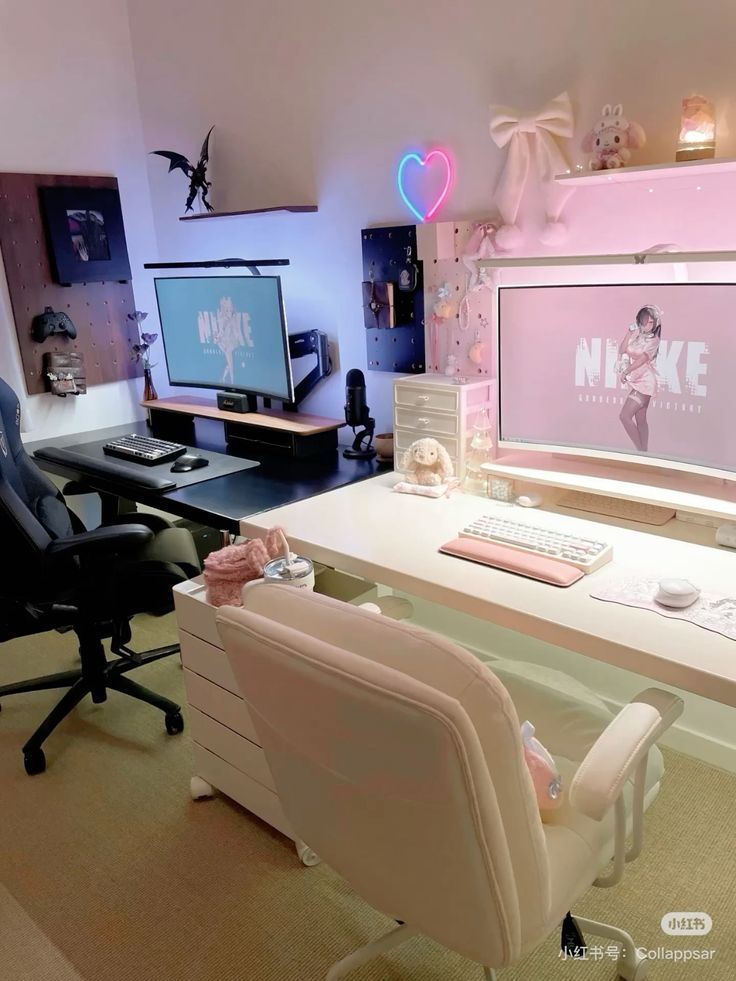
Shared productivity in this setup revolves around two strategically placed desks that encourage collaboration while preserving personal workspace boundaries. Parallel, side-by-side, or L-shaped arrangements allow partners or creative teams to choose a layout that matches their communication style. Adequate spacing between the desks helps reduce noise transfer and ensures each individual maintains control over their work area. Neutral or cohesive design elements—such as matching chairs, similar desk materials, or coordinated lighting—bring visual unity without enforcing uniformity. Cable routing becomes essential to keep the shared zone tidy, especially when multiple devices are in use. Storage solutions can be shared or separated depending on the workflow; communal cabinets work for joint projects, while individual drawers support independent tasks. Plants or soft décor elements between the desks provide a visual divider without creating isolation. Good lighting, whether from overhead fixtures or paired desk lamps, ensures both workstations receive even illumination. This layout suits households with multiple remote workers, creators collaborating on content, or couples who enjoy working in the same space without compromising comfort. The setup fosters communication, creativity, and efficiency while respecting the need for personal focus.
Minimalist Glass Desk Concept
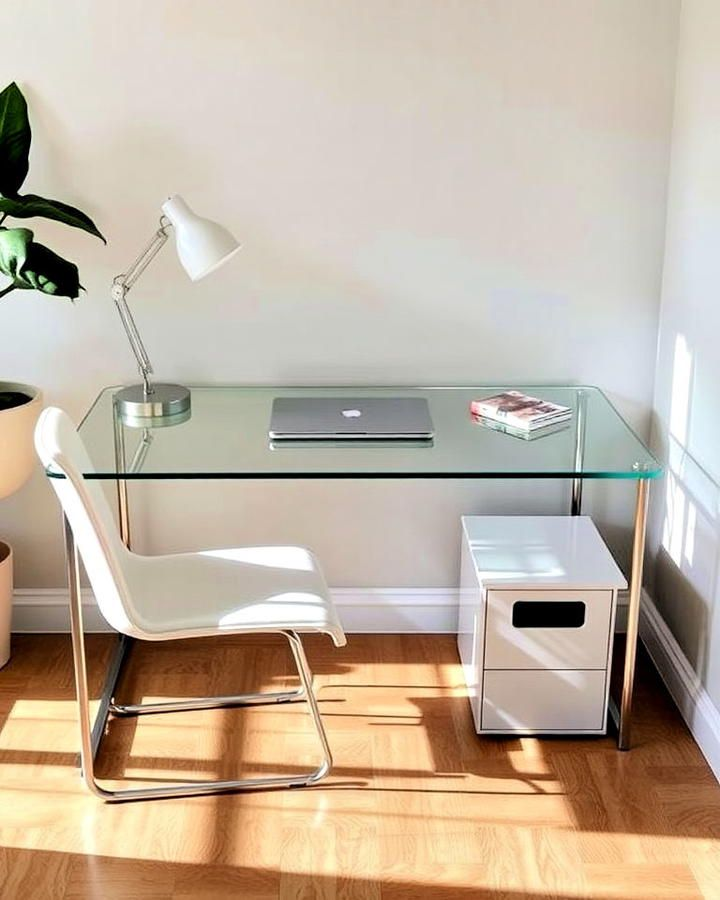
Transparency in this workspace creates a floating effect that visually lightens the room while offering a modern, polished feel. A glass desk top paired with metal or acrylic legs gives the workstation an airy profile that suits small spaces or contemporary interiors. The reflective quality of glass distributes light throughout the room, preventing shadows and enhancing clarity during focused tasks. Careful cable organization is critical, as exposed wiring becomes more noticeable with a clear desk surface. Neutral-toned accessories—such as brushed steel lamps, simple stationery trays, or monochrome organizers—complement the clean aesthetic. A comfortable ergonomic chair with sleek lines maintains the streamlined appearance without sacrificing support. Soft textures like area rugs or upholstered seating nearby prevent the space from feeling stark. Because glass surfaces show smudges easily, regular cleaning keeps the desk looking pristine. Storage pieces positioned beside or behind the workstation handle bulkier items that don’t suit the minimalist style. This design works especially well for tech-forward setups or creative environments where clarity and openness are valued. The combination of simplicity, transparency, and subtle sophistication results in a workspace that feels intentional and uncluttered.
Studio-Style Office With Large Corkboard Wall
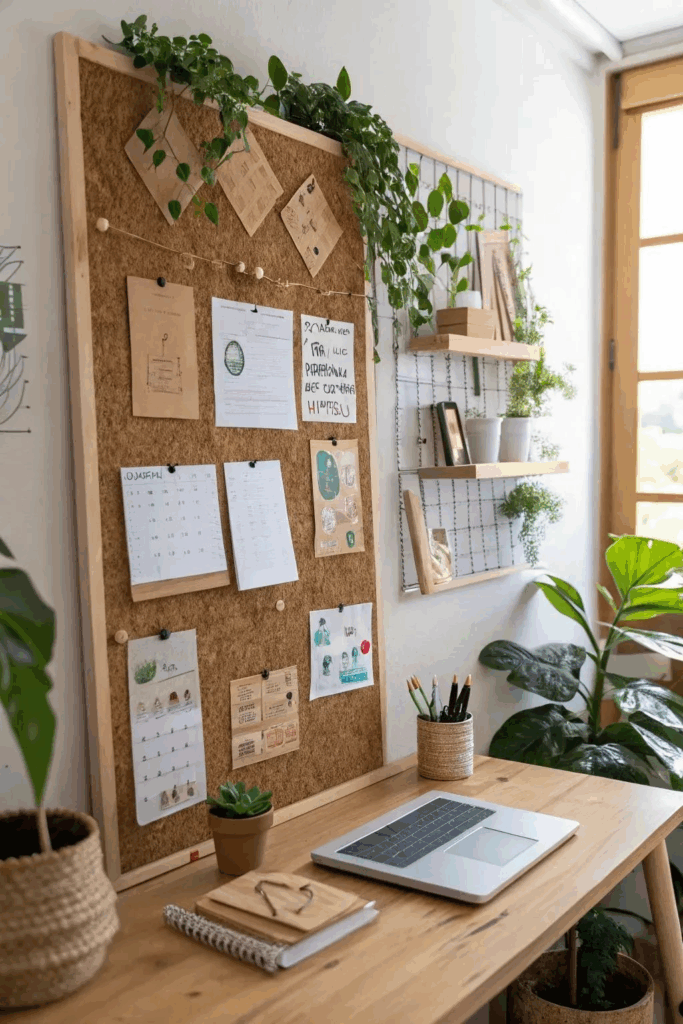
Natural cork texture along an expansive wall transforms this studio-style workspace into a functional backdrop for planning, brainstorming, and visual organization. The surface accommodates sketches, calendars, inspirational images, prototypes, or project notes, allowing ideas to evolve visibly. Unlike smaller pinboards, a floor-to-ceiling cork installation supports large-scale thinking and prevents clutter from spilling onto the desk. The warm tones of cork add softness to the room’s atmosphere, reducing echo and improving acoustic comfort. A simple desk placed nearby ensures quick access to the wall without obstructing movement. Slim shelves or side cabinets hold craft materials, tools, or office essentials. Adjustable lighting—such as track lights or articulated lamps—helps highlight different sections of the board during intensive planning sessions. Cork’s sustainable properties make it an appealing choice for eco-conscious users. The layout suits creatives, designers, photographers, or remote workers who prefer working with visual references. The tactile nature of cork encourages frequent updates, helping maintain active engagement with ongoing tasks. This studio approach blends functionality with creative openness, allowing the workspace to adapt to changing projects effortlessly.
Elevated Shelf Desk for Maximum Legroom
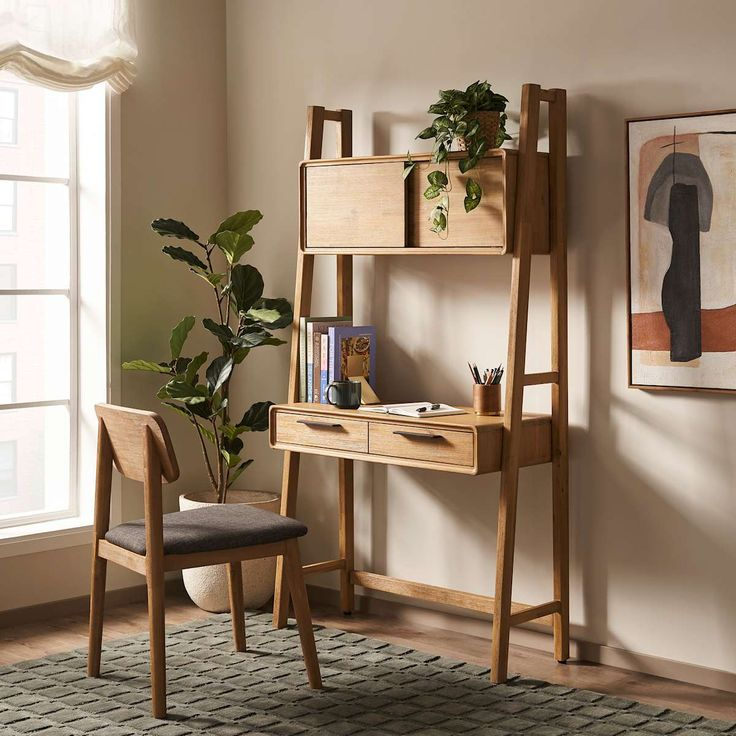
Raised shelving in this layout supports a wall-mounted desktop that frees the floor area below, giving the workspace exceptional legroom and movement flexibility. The desk appears to float, creating a lighter aesthetic while reducing bulk. This configuration works especially well in smaller rooms where every inch matters. By installing the desktop slightly higher than traditional furniture, users gain extended clearance for stretching or storing compact equipment beneath. Shelves positioned directly above the desk hold essentials such as notebooks, devices, or decorative pieces, keeping the surface clear for focused tasks. Weight distribution and secure mounting are crucial to ensure long-term stability. Integrated lighting underneath the shelves enhances visibility and prevents shadows. Minimal cable channels help maintain a streamlined appearance, avoiding clutter that can disrupt workflow. Pairing this design with a supportive ergonomic chair and adjustable footrest ensures comfort throughout the day. The open lower section also improves air circulation, contributing to a fresher workspace environment. This setup appeals to those who value movement, flexibility, and visual openness in their home office. The combination of elevated storage and unobstructed legroom results in a workspace that feels more spacious and efficient.
Earth-Toned Natural Textures Office
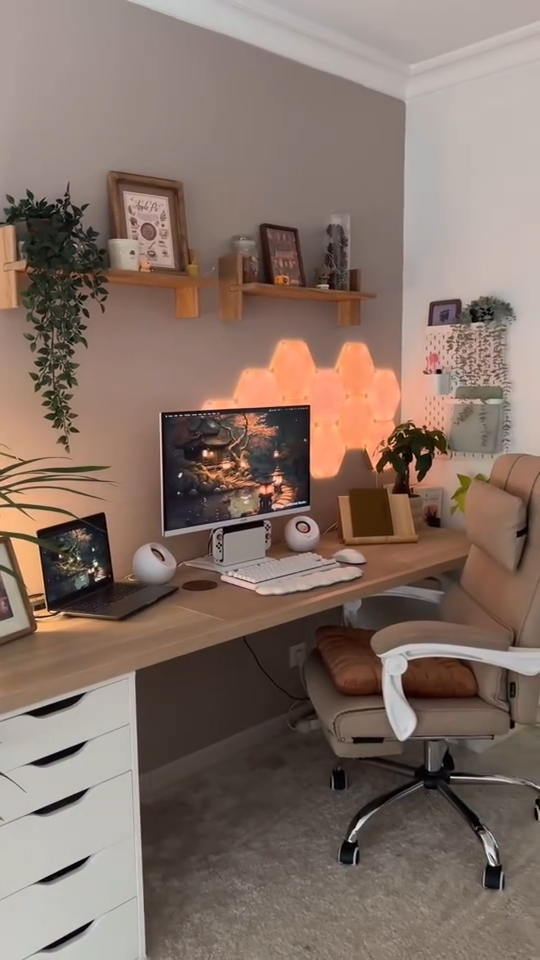
Organic materials in this workspace bring a grounded, calming atmosphere that encourages prolonged focus. Earth-toned palettes—featuring shades of sand, clay, olive, and warm brown—create harmony with natural textures such as jute, rattan, stone, and raw wood. These materials introduce tactile richness while keeping the room visually soothing. A sturdy wooden desk forms the anchor, while woven baskets, clay vessels, or linen organizers add practical storage with a warm aesthetic profile. Layered lighting from table lamps, soft LEDs, or shaded fixtures enhances the natural tones without overpowering them. Plants like snake plants, calatheas, or succulents reinforce the earthy theme and contribute to cleaner air. Wall art featuring botanical prints or abstract landscapes ties the palette together. Keeping the design clutter-free ensures the organic elements remain the focal point. This workspace suits individuals who prefer a nature-inspired environment that supports calm concentration rather than bold visual stimulation. The blend of textures, colors, and organic materials creates a restorative atmosphere ideal for long work hours.
Industrial Metal + Wood Hybrid Workspace
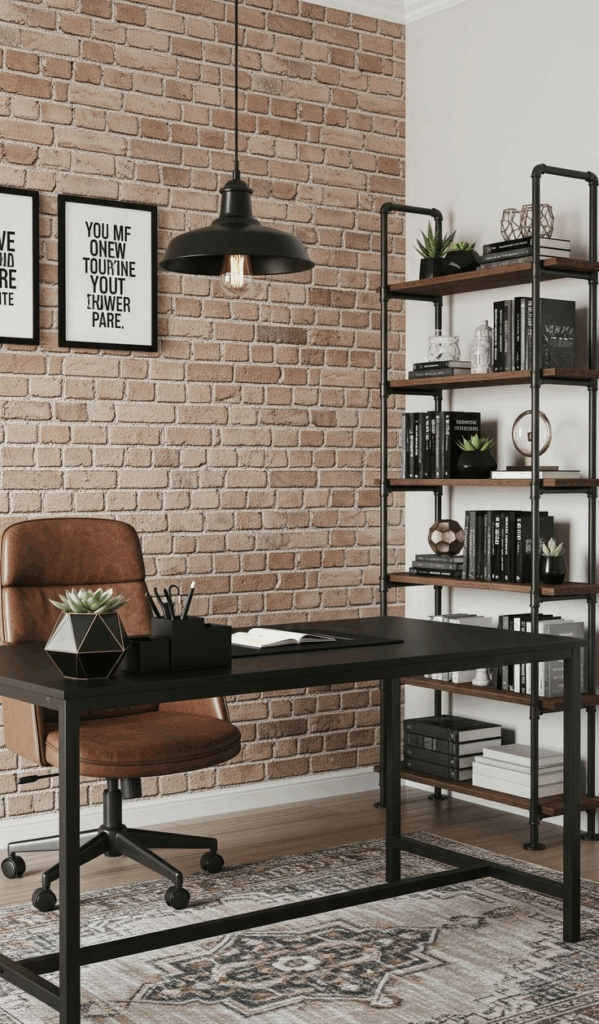
Urban character defines this workspace through the interplay of raw materials such as steel, iron, and reclaimed wood. The combination delivers a balanced blend of ruggedness and warmth. A sturdy wood-and-metal desk forms the centerpiece, offering durability and visual texture. Exposed brackets, pipe shelving, or metal-framed cabinets add structure without feeling overly mechanical. Darker tones—such as charcoal, espresso, or antique bronze—contrast effectively with lighter wood grains. Edison-style bulbs or metal pendant lights enhance the industrial theme while providing task-ready illumination. Leather seating with a firm profile maintains comfort without clashing with the raw materials. Concrete accessories, galvanized trays, or matte black organizers reinforce the aesthetic. Cable management remains important, as industrial styles can appear cluttered if wires dominate the view. This setup suits loft apartments, urban homes, and creative studios seeking a utilitarian yet styled workspace. The fusion of metal strength and wood warmth creates a functional environment that feels purposeful and durable.
Hidden Closet Office (Cloffice)
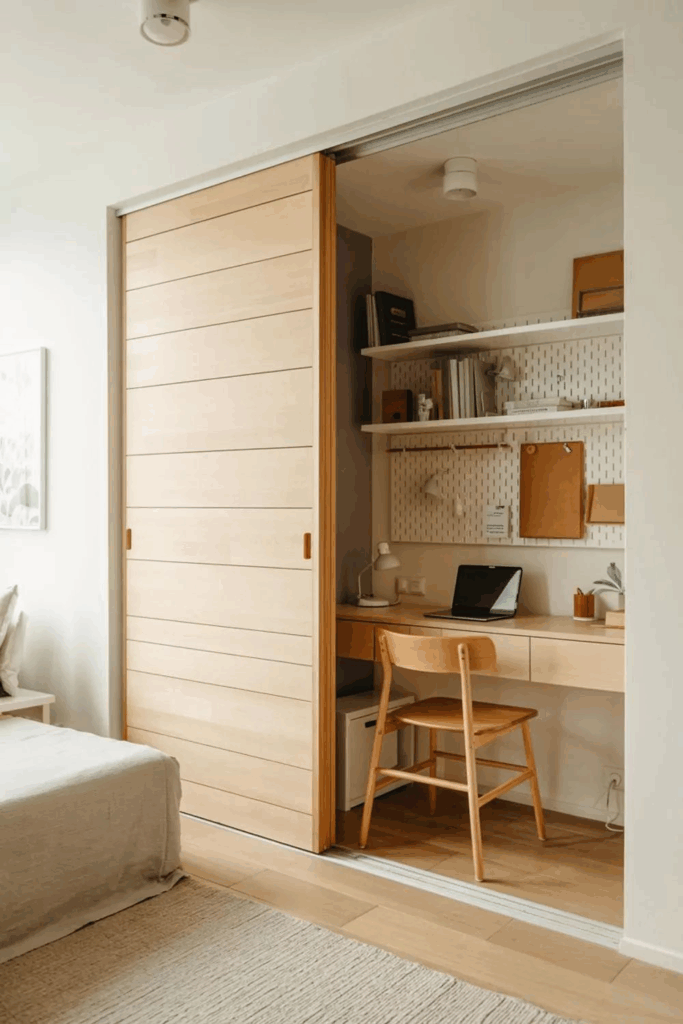
Compact efficiency drives the appeal of this hidden closet office, which transforms an unused alcove into a fully functional workspace. The interior often features a built-in desk or sturdy surface that fits flush against the back wall, maximizing depth while keeping the footprint minimal. Shelves above the desk hold supplies, files, or décor without reducing headroom. Lighting plays a key role, with LED strips, puck lights, or narrow sconces brightening the small area to prevent a boxed-in feel. A neutral color palette helps expand the visual space while maintaining a clean look. Cable pass-throughs and small drawer units keep clutter under control. When work ends, the entire office disappears behind sliding, bi-fold, or standard doors, making it ideal for shared apartments or multifunctional rooms. A comfortable, compact chair that can roll or tuck away enhances convenience. This setup works for those who need a dedicated work zone but prefer not to commit an entire room to office use. The cloffice concept balances practicality and discretion, offering a productive environment that integrates seamlessly with home life.