
Flooring decisions in an entryway affect durability, safety, and how the entire home feels from the first step inside. Poor material choices, slippery finishes, mismatched transitions, or overly busy patterns can quickly undermine both function and style. Since this area handles constant foot traffic, moisture, and outdoor debris, mistakes here often lead to premature wear and costly replacements. Visual flow also suffers when flooring fails to connect with adjacent spaces. This guide identifies common entryway flooring errors and explains why they matter, helping homeowners make informed choices that support longevity, comfort, and a cohesive, well-planned interior.
Using Slippery High-Gloss Tiles
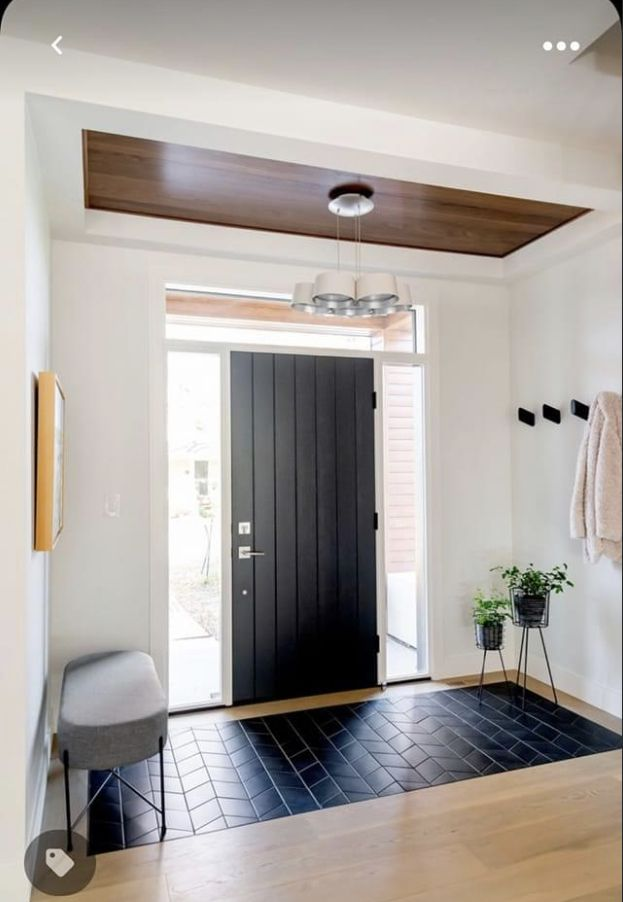
High-gloss tile surfaces often look appealing in showrooms, yet they become a practical liability once placed near an entry door. Rainwater, snow residue, and everyday moisture create slick conditions that significantly increase slip risks for family members and guests. This concern intensifies in households with children, older adults, or pets who frequently rush through the entry. Beyond safety, glossy tiles highlight footprints, water spots, and scuffs almost immediately, making the space appear unclean even after light use. Constant wiping becomes necessary, adding to daily maintenance demands. Light reflection from polished finishes can also exaggerate glare, especially when paired with overhead lighting, causing visual discomfort. In colder months, condensation tracked indoors further amplifies slipperiness. Matte or lightly textured tiles provide superior traction while still offering a refined look suitable for entryways. Subtle surface variation helps disguise minor debris and reduces cleaning frequency. Flooring decisions should balance visual appeal with long-term functionality, particularly in high-traffic transition zones where durability and safety matter most.
Ignoring Moisture-Resistant Materials
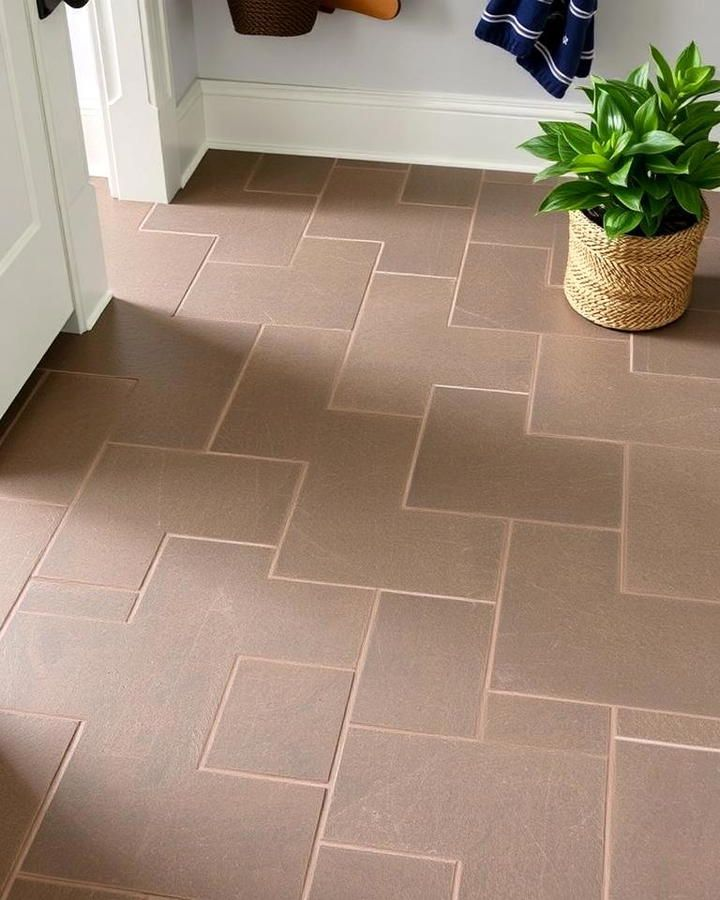
Moisture exposure near the front door is unavoidable, yet many flooring failures begin with materials that cannot tolerate water intrusion. Rain-soaked shoes, umbrellas, and damp pet paws introduce repeated moisture that seeps into porous flooring, leading to warping, staining, and odor retention. Wood composites, low-grade laminates, and untreated natural fibers degrade quickly under these conditions. Once swelling occurs, repairs often require full replacement rather than simple fixes. Seasonal humidity changes worsen the issue, causing boards to expand unevenly and compromise structural stability. Mold growth beneath flooring layers can also become a hidden health concern. Entryways benefit most from materials engineered to repel moisture, such as porcelain tile, sealed stone, luxury vinyl, or treated concrete. These options maintain their shape, finish, and performance despite frequent exposure. Protective sealants and proper subfloor preparation further extend longevity. Selecting moisture-resistant flooring is not an upgrade—it is a foundational requirement for maintaining a clean, durable, and hygienic entryway environment over time.
Choosing Dark Floors in Small Entryways
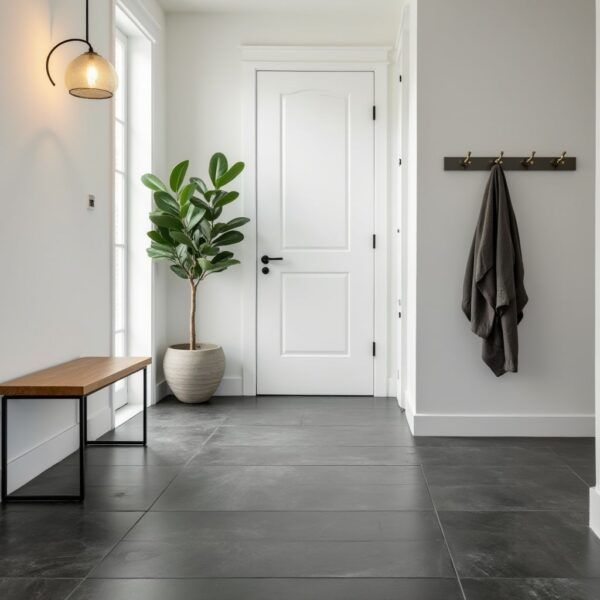
Deep-toned flooring can unintentionally shrink the appearance of compact entryways, making them feel narrow and enclosed. Limited natural light common in foyers causes dark surfaces to absorb illumination rather than reflect it, resulting in a visually heavy first impression. Dust, lint, salt residue, and pet hair stand out sharply against darker finishes, demanding frequent cleaning to maintain a polished look. Scratches and scuffs also appear more pronounced, particularly with matte dark materials. In tight spaces, visual continuity matters, and overly dark floors disrupt flow between rooms. Light to mid-tone flooring helps bounce light upward, creating a more open and welcoming feel. Neutral shades with subtle variation disguise wear while complementing surrounding finishes. If darker tones are preferred, balancing them with lighter walls, proper lighting, and textured rugs becomes essential. Flooring color should enhance spatial perception, not compete with it. Thoughtful tone selection supports both aesthetics and daily practicality in smaller entry zones.
Skipping a Protective Door Mat Zone
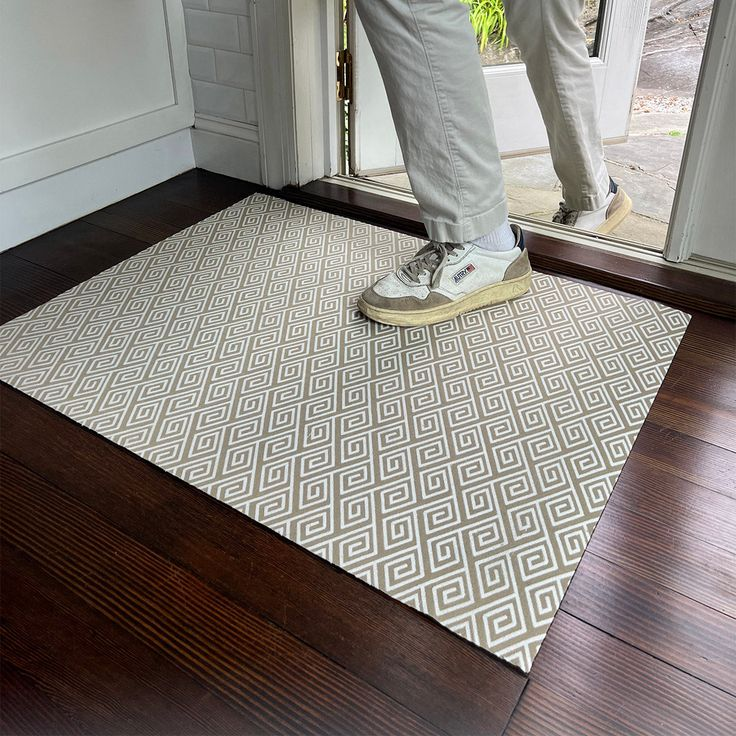
Without a designated mat area, entryway floors absorb the full impact of outdoor debris. Grit, moisture, and salt particles grind into the surface, accelerating wear and dulling finishes prematurely. Water pooling near the threshold seeps into seams and grout lines, increasing the risk of damage and staining. Over time, even durable flooring materials lose their protective layers due to constant abrasion. A properly sized door mat system acts as the first line of defense, trapping dirt before it spreads indoors. Layered mat setups—one outside and one inside—significantly reduce cleaning frequency and preserve flooring integrity. Mats also enhance safety by absorbing moisture that could otherwise cause slips. Skipping this simple measure often results in higher long-term maintenance costs. Materials such as coir, rubber-backed textiles, or low-profile performance rugs integrate seamlessly with entryway design. A functional mat zone protects both flooring investment and overall cleanliness.
Overusing Trend-Only Flooring
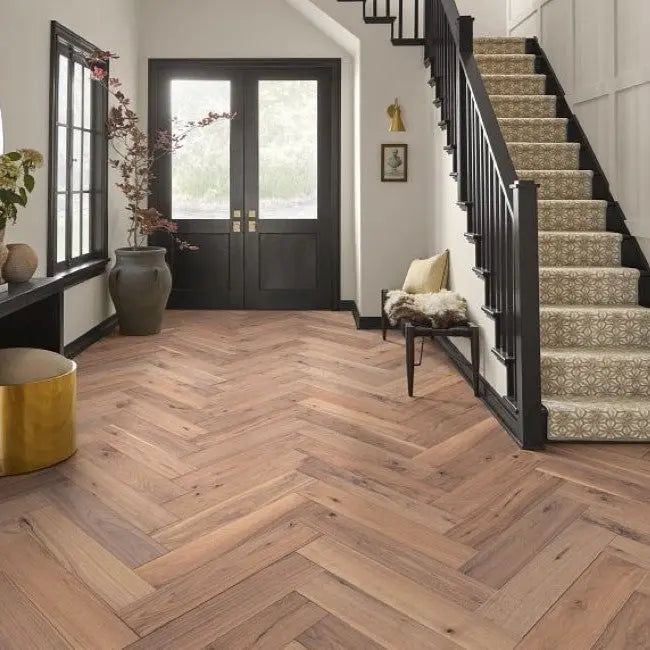
Trend-driven flooring selections may photograph well but often age poorly in real-life use. Bold patterns, unconventional finishes, or niche materials can quickly feel outdated as design preferences shift. Entryways experience heavy traffic, making them the worst location for experimental surfaces that prioritize style over performance. Trend-only options may lack durability testing, leading to chipping, fading, or surface breakdown within a short period. Replacement becomes costly, especially when matching discontinued styles proves impossible. Timeless materials with subtle character offer greater longevity and resale appeal. Neutral bases allow decorative elements to evolve without locking the space into a specific era. Flooring should support long-term functionality while remaining visually adaptable. Entryways benefit from classic textures and proven materials that complement multiple design styles. Avoiding short-lived trends ensures the space remains relevant, practical, and visually cohesive for years.
Mismatch Between Entryway and Rest of Home

Visual inconsistency between the entryway and adjoining spaces disrupts flow and creates an abrupt transition. Flooring that contrasts sharply in color, texture, or material can make the home feel disjointed from the first step inside. This mistake often occurs when entry flooring is selected independently without considering adjacent rooms. Abrupt changes highlight thresholds rather than allowing spaces to connect naturally. Consistent undertones and complementary materials help maintain continuity. Even when different materials are used, aligning color temperature and finish level ensures harmony. Seamless transitions enhance perceived space and improve overall design coherence. Buyers and guests notice these details immediately. Flooring should guide movement smoothly from entry to living areas, not interrupt it. Thoughtful coordination strengthens both aesthetics and functionality while reinforcing a cohesive interior narrative.
Cheap Laminate That Swells Easily
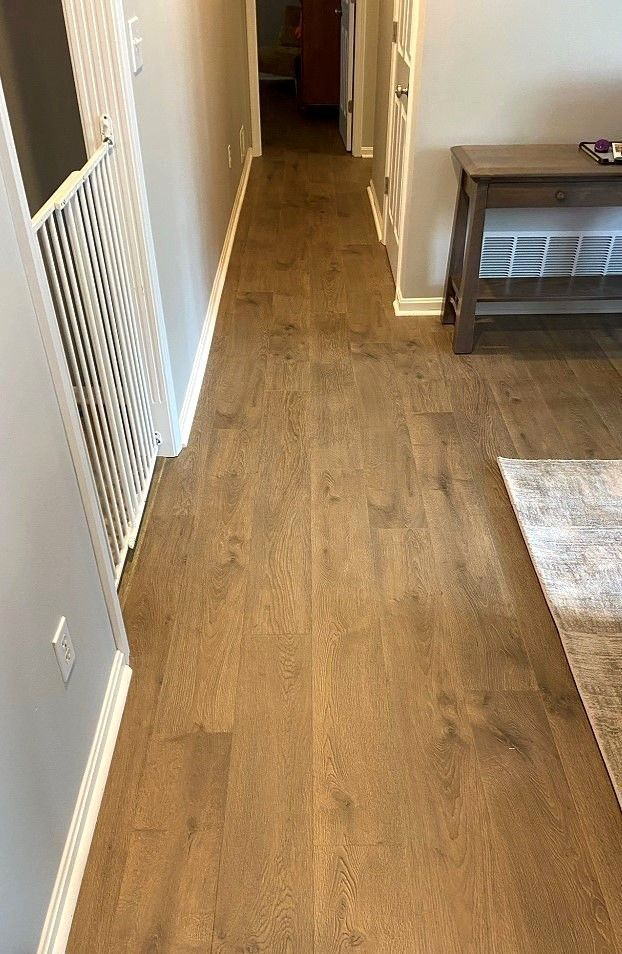
Low-quality laminate flooring struggles in entryway environments due to its vulnerability to moisture. Once water penetrates seams, swelling occurs rapidly and cannot be reversed. Edges lift, surfaces bubble, and the floor loses structural integrity. Entryways expose flooring to repeated wet conditions, making this issue inevitable with inferior materials. Cheap laminates also lack protective coatings that resist abrasion, leading to visible wear patterns near doors. Replacing damaged sections rarely blends seamlessly, resulting in patchy repairs. Higher-grade laminates or alternative materials provide improved water resistance and durability. Investing upfront prevents repeated replacement costs and visual decline. Flooring in transitional spaces must withstand real-world use, not just light foot traffic. Selecting products designed for moisture-prone areas protects both appearance and performance over time.
Busy Patterns That Show Dirt Fast

Highly detailed or high-contrast floor patterns tend to magnify dirt accumulation rather than conceal it. Small debris settles into intricate designs, making the floor appear constantly messy. Entryways collect outdoor particles quickly, and busy visuals amplify the effect. Cleaning becomes more time-consuming as dirt embeds into grooves and color variations. Pattern overload also competes visually with surrounding decor, creating a cluttered impression in a space meant to feel welcoming. Subtle variation and low-contrast textures perform better in high-traffic areas. Simple patterns maintain visual calm while still offering interest. Flooring should simplify maintenance, not complicate it. Choosing restrained designs ensures the entryway looks clean longer and requires less frequent upkeep.
Cold Flooring Without Layered Rugs
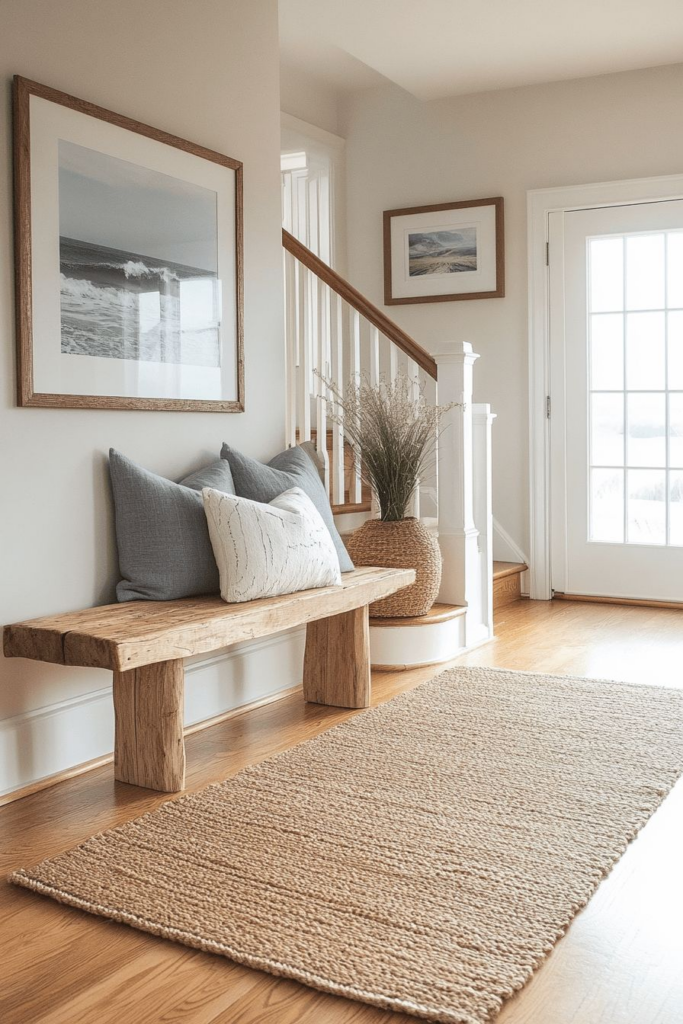
Hard flooring surfaces near entry doors often feel uninviting without added softness. Cold materials such as tile or stone intensify temperature discomfort, especially during winter months. Without rugs, the space lacks warmth and acoustic balance. Sound echoes more, making the entry feel harsh rather than welcoming. Rugs provide insulation, improve traction, and soften visual transitions. They also protect flooring from wear caused by repetitive foot traffic. Proper rug sizing ensures functionality without obstructing door clearance. Skipping this layer sacrifices comfort and practicality. Entryways benefit from a balance of durability and softness. Strategic rug placement enhances usability while preserving the flooring beneath.
Uneven Transitions at Door Thresholds
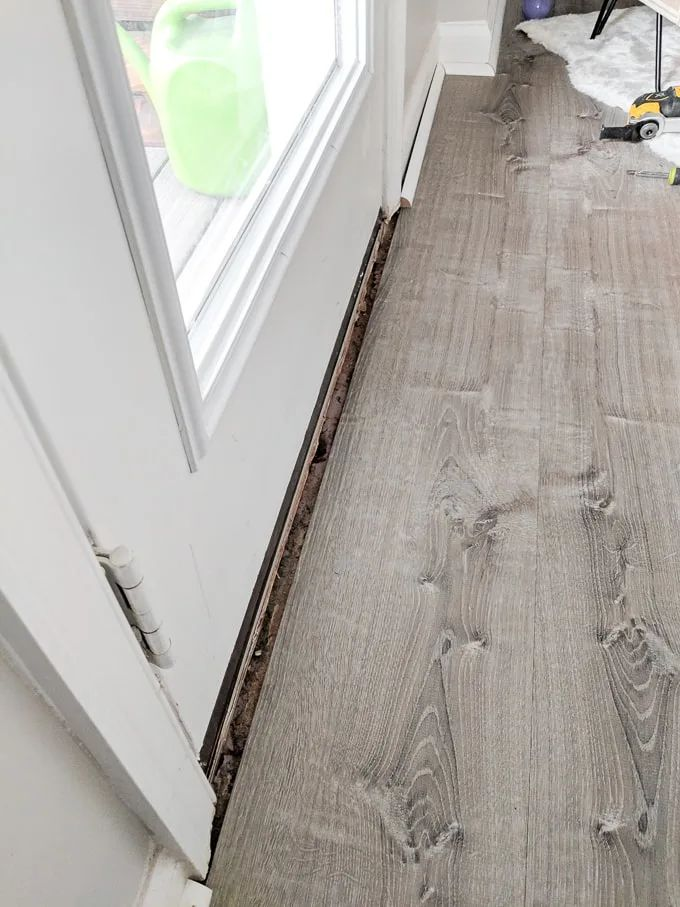
Improper height alignment between flooring surfaces creates tripping hazards and visual disruption. Uneven thresholds catch footwear, wheels, and pet paws, increasing accident risk. Poor transitions also allow moisture infiltration beneath flooring layers. Entryways experience frequent door movement, making precise alignment critical. Transition strips and reducers should match both height and finish for a clean result. Ignoring this detail compromises safety and durability. Smooth transitions support seamless movement and protect edges from chipping. Flooring installations must account for door clearance, subfloor differences, and expansion gaps. Professional planning prevents long-term issues and ensures a polished entryway appearance.
Glossy White Floors in High Traffic
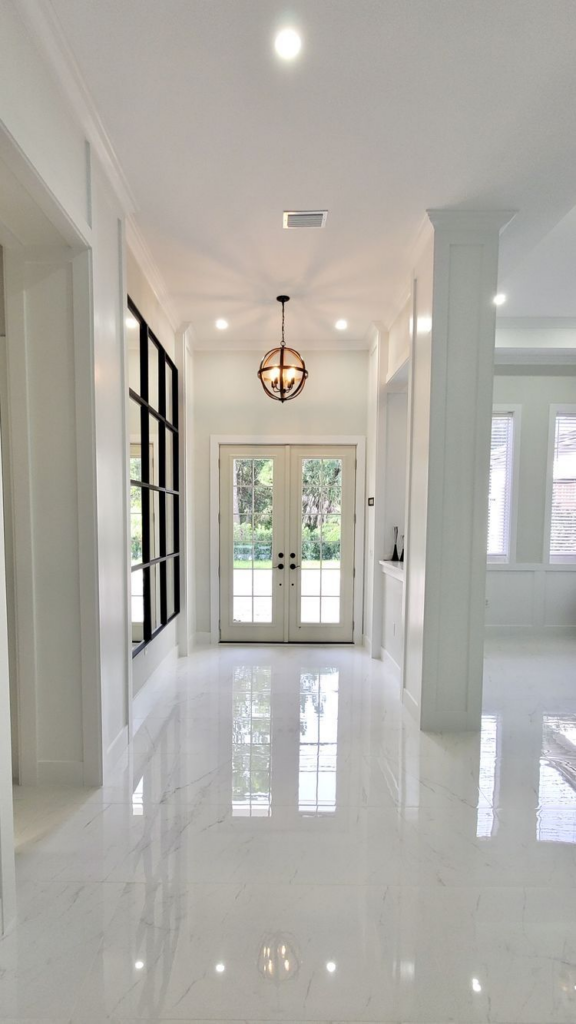
Bright white glossy floors demand constant upkeep in entry zones. Dirt, scuffs, and moisture marks become instantly visible, requiring frequent cleaning. Gloss finishes exaggerate imperfections and wear patterns over time. In high-traffic areas, maintaining a pristine look becomes unrealistic. Minor scratches dull the surface unevenly, leading to patchy shine. Warmer off-whites or satin finishes offer similar brightness with better concealment. Flooring should accommodate real usage patterns, not ideal conditions. Selecting finishes that balance light reflection with durability ensures long-term satisfaction.
Forgetting Durability for Pets and Kids
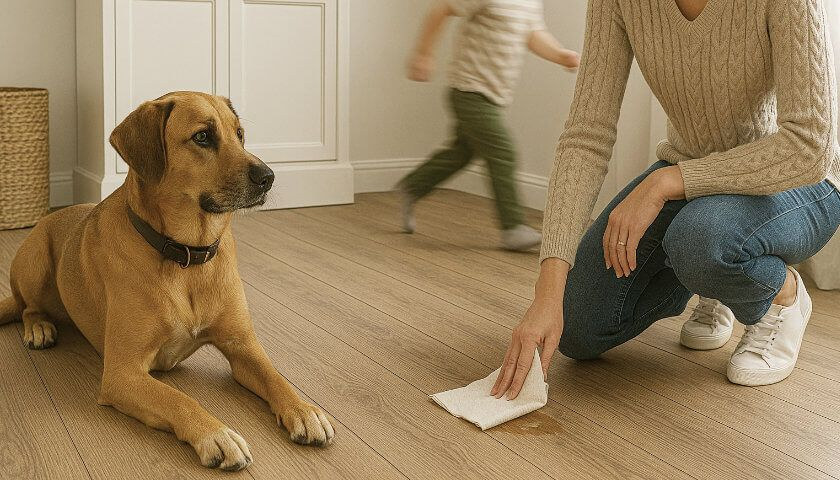
Households with pets and children require flooring that withstands spills, scratches, and heavy activity. Entryways absorb the brunt of muddy paws, dropped items, and constant movement. Soft or delicate materials deteriorate quickly under these conditions. Scratches, stains, and dents accumulate faster than anticipated. Durable flooring options resist impact while remaining easy to clean. Textured surfaces improve traction for animals and reduce slipping. Considering lifestyle needs prevents premature replacement and frustration. Flooring choices should support everyday life, not restrict it. Prioritizing durability ensures the entryway remains functional, safe, and visually intact despite constant use.