
Deck spaces gain a whole new level of comfort and charm when paired with a fire pit that becomes the natural centerpiece for gatherings. This combination not only extends the usability of your outdoor area but also enhances its design, blending warmth with functionality. From built-in seating arrangements to portable fire bowls, thoughtful layouts ensure both safety and style on wooden or composite decking. Homeowners can choose durable materials and creative configurations that suit different lifestyles and climates. This guide highlights the best decking ideas with fire pit setups to inspire inviting, practical, and long-lasting outdoor retreats.
Fire Pit Built Into a Floating Platform Deck
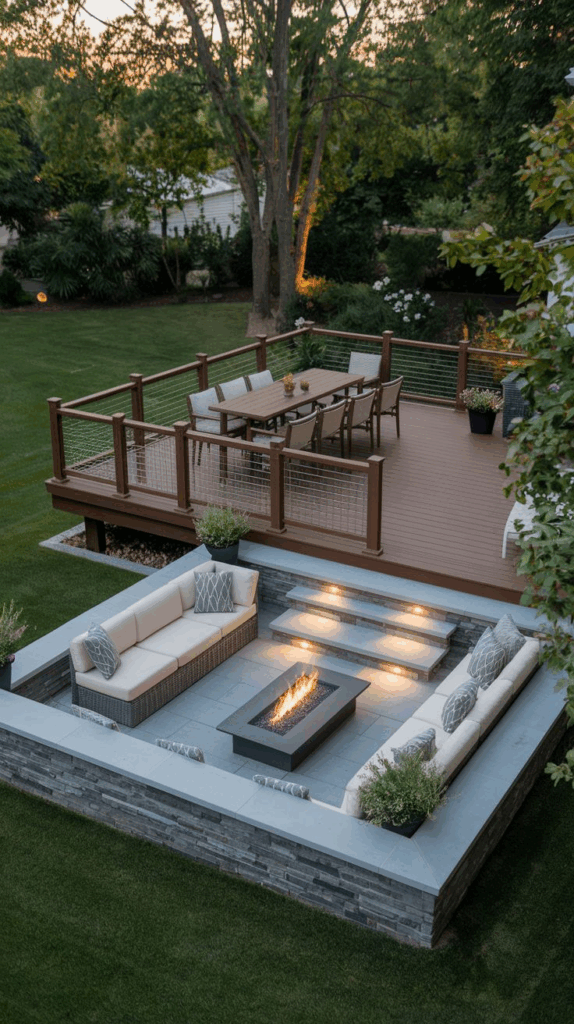
Designing a floating platform deck with a fire pit creates an inviting focal point while keeping the structure visually light. The elevated style of a floating deck helps define the fire area as a standalone retreat within the yard, making it perfect for social gatherings or evening relaxation. Choosing durable materials like pressure-treated lumber or composite decking ensures safety and long-term performance, especially with consistent exposure to heat and weather. The fire pit should be properly insulated and installed with a non-combustible base such as stone or pavers to protect the wood beneath. Seating arrangements, whether built-in benches or freestanding chairs, can be positioned around the pit to maintain balance and flow. The floating style also lends itself to creative lighting solutions, such as LED strips hidden underneath the deck edges, providing a soft glow that emphasizes the pit’s presence after dark. This approach is ideal for compact yards, as the elevated form naturally separates the fire zone from lawn space. By blending open air with the warmth of fire, a floating platform deck elevates backyard leisure and gives homeowners a safe, stylish gathering point that feels modern yet timeless in function.
Composite Deck with Metal Fire Table Accent

Pairing composite decking with a metal fire table offers a combination of durability and design flexibility. Composite materials resist warping, fading, and insect damage, making them ideal for long-term deck projects that host fire features. A metal fire table becomes the centerpiece, functioning both as a heat source and as a stylish accent. Available in finishes such as powder-coated steel, aluminum, or weathered copper, the fire table can be selected to complement modern or rustic deck themes. Because composites are fire-resistant but not fireproof, a heat-proof mat or non-combustible insert beneath the table ensures the deck surface remains protected. This setup allows greater portability compared to built-in fire pits, giving homeowners the flexibility to rearrange seating or upgrade the fire table style later. For added convenience, many gas-powered fire tables integrate storage for propane tanks, keeping the deck uncluttered. Low-maintenance composite surfaces pair especially well with clean-lined furniture, making this design appealing for families or those who entertain frequently. Evening ambience can be enhanced with subtle rail lighting or planter lanterns, framing the fire table’s glow. By choosing this combination, homeowners gain a modern, practical solution that balances safety, longevity, and visual impact with minimal upkeep requirements.
Corner Deck Fire Pit with Built-in Seating L-Shape

Maximizing deck space often means utilizing corners effectively, and a fire pit paired with L-shaped seating delivers comfort without compromising flow. This layout creates a natural conversation zone, with the fire pit acting as the centerpiece framed by wraparound benches. The built-in seating not only saves floor space but also eliminates the need for multiple chairs, making it ideal for smaller decks or homes that frequently host larger groups. Choosing materials like cedar or composite for the benches ensures they withstand outdoor exposure while offering design consistency with the decking surface. Cushions and weather-resistant fabrics add comfort, while storage beneath the seats can keep essentials like blankets or firewood within easy reach. Gas or propane pits are typically safer in such settings, as they provide controllable flames and reduced risk of ember spread near wood structures. To further define the area, vertical elements like privacy screens or planter walls can frame the corner without overwhelming the open deck design. Lighting along the bench base or step edges ensures visibility while emphasizing the seating form after dark. This layout combines efficiency with style, turning a once-unused corner into the most inviting spot on the deck for family gatherings and casual evenings.
Deck with Fire Pit under Pergola & Hanging Lights

Pairing a fire pit with a pergola structure adds architectural depth to a deck while offering shade during the day and ambiance at night. The pergola frames the fire area, giving it a sense of enclosure without fully closing it off. When paired with hanging lights such as Edison bulbs or string lanterns, the space transforms into an evening retreat with a warm glow layered above the fire itself. Safety remains essential: the pergola should be built tall enough and constructed from non-flammable materials or treated wood, ensuring flames don’t pose a risk overhead. Gas or propane pits are better suited than wood-burning options, as they produce less smoke and ember activity beneath the structure. The surrounding deck can feature lounge chairs, sectional seating, or even a dining set, allowing the fire pit to serve dual functions for entertaining. The pergola posts also provide opportunities for integrated planters or climbing vines, which soften the structure while adding a natural backdrop. In cooler seasons, this setting extends outdoor living use well into the evenings, while in summer, string lighting keeps the mood intimate without overpowering the natural night sky. A pergola-framed fire deck blends comfort, design, and year-round functionality seamlessly.
Step-Down Deck Level Fire Pit Bowl

Designing a step-down level for a fire pit creates a sense of separation and intimacy within a larger deck. By lowering the floor area slightly, the pit becomes the visual centerpiece while seating arranged at the upper level frames the view. This sunken style helps shelter flames from wind, making it functional as well as stylish. Fire bowls made of concrete, cast iron, or stainless steel are particularly effective in this setting, offering durability and a sculptural look. Safety is reinforced by lining the lowered zone with non-combustible surfaces such as stone, gravel, or heat-resistant tiles, ensuring the surrounding wood decking remains protected. Built-in stairs or wide steps not only connect the levels but also double as casual seating for gatherings. This approach works well in multi-level backyards where elevation changes naturally fit into the design. Lighting beneath step edges enhances visibility while highlighting the tiered construction. Homeowners gain the benefit of an organized deck where cooking, lounging, and fire enjoyment coexist without crowding one surface. The step-down fire pit bowl design provides both drama and practicality, transforming a standard deck into a layered outdoor destination that feels both architectural and welcoming.
Deck Board Inlay Circle Around Fire Pit
Incorporating an inlay pattern into the deck surface is an effective way to highlight the fire pit as a central focal point. Using deck boards arranged in a circular or radial design naturally draws the eye to the pit, giving the layout a polished, intentional look. Contrasting materials, such as mixing darker composite boards with lighter tones, can enhance the effect and break up monotony across the deck. The inlay also provides functional definition, subtly marking the fire zone without the need for additional walls or barriers. This approach pairs especially well with round pits or tables, as the geometry echoes throughout the design. To protect the decking material, the center fire pit should be seated on a non-combustible insert such as stone, pavers, or metal trim. Built-in seating or movable chairs can then follow the circular form, creating balanced arrangements that feel cohesive. LED strip lighting along the perimeter of the inlay enhances visibility and highlights the craftsmanship after dark. This method allows homeowners to personalize their deck without major reconstruction, making it both cost-effective and aesthetically pleasing. A board inlay circle turns a standard fire pit setup into an eye-catching feature with both decorative and practical benefits.
Deck Surround Fire Pit with Glass Wind Guard

Installing a glass wind guard around a fire pit improves safety while preserving the visual connection between flames and the surrounding deck environment. Clear tempered panels act as a barrier against gusts, preventing sparks or embers from reaching nearby seating or decking material. At the same time, the transparency ensures the fire remains a striking centerpiece without obstruction. This feature is particularly valuable for elevated decks exposed to breezes, where flame control can otherwise become an issue. A deck surround can be further customized with built-in bench seating or sectional furniture, creating a complete lounge zone that feels both protected and stylish. Glass panels also add a touch of modern design, pairing well with metal, composite, or concrete fire features. Homeowners may choose fixed guards or removable versions, depending on seasonal needs. Additional accents, such as recessed floor lighting or lanterns, help highlight the glass edges after dark, creating a glowing perimeter that complements the fire’s natural light. Beyond safety, wind guards extend usability by ensuring flames remain steady, even in shifting weather. This thoughtful solution turns a simple deck fire pit into a sophisticated gathering spot that is as practical as it is visually appealing.
Raised Edged Deck Fire Pit with Storage Bench Walls

Integrating storage with fire pit seating maximizes deck functionality while maintaining a clean, streamlined appearance. Raised bench walls surrounding the pit double as seating and hidden storage, offering space for firewood, cushions, or outdoor essentials. This arrangement keeps clutter off the deck surface while ensuring everything needed for an evening outdoors is close at hand. The raised edge also adds a subtle barrier between the fire zone and the rest of the deck, enhancing safety while defining the area. Materials like stone cladding, stained wood, or composite panels can be used for the bench exterior, allowing homeowners to match their preferred style. Cushion tops add comfort for extended gatherings, while lift-up lids or hinged doors provide easy storage access. Gas or propane fire pits are recommended in these settings, as they reduce ash and soot accumulation inside the enclosed space. Lighting integrated under the bench edges creates warm ambient glow while improving safety after dark. This layout particularly benefits smaller decks, where every square foot matters. By merging seating, storage, and safety into one cohesive design, raised bench walls transform a standard fire pit setup into a multifunctional feature that balances aesthetics with practicality.
Rustic Weathered Metal Fire Ring on Wood Deck Pad

For those who prefer a rustic look, a weathered metal fire ring offers simplicity and authenticity while still fitting seamlessly onto a wood deck pad. These rings, often crafted from steel or corten, develop a natural patina over time, creating earthy tones that blend beautifully with wood surroundings. To ensure safety, a protective base such as pavers, heat-resistant mats, or a dedicated non-combustible insert should always be placed beneath the ring. The fire pit remains lightweight and relatively portable, making it easy to reposition or store during off-season months. Surrounding the ring with Adirondack chairs, log benches, or reclaimed wood seating enhances the casual, rustic vibe. This design pairs especially well with cabins, lake houses, or country homes where simplicity and function take priority. Decorative elements like lanterns, galvanized tubs used as side tables, or vintage garden accessories can complete the look. Despite its rustic charm, safety should remain central—wood should never come into direct contact with heat or embers. Affordable and durable, a weathered fire ring allows homeowners to enjoy the warmth of a fire pit without committing to permanent construction, making it an accessible option with timeless outdoor appeal.
Fire Pit Integrated into Multi-Tier Deck with Stair Lighting
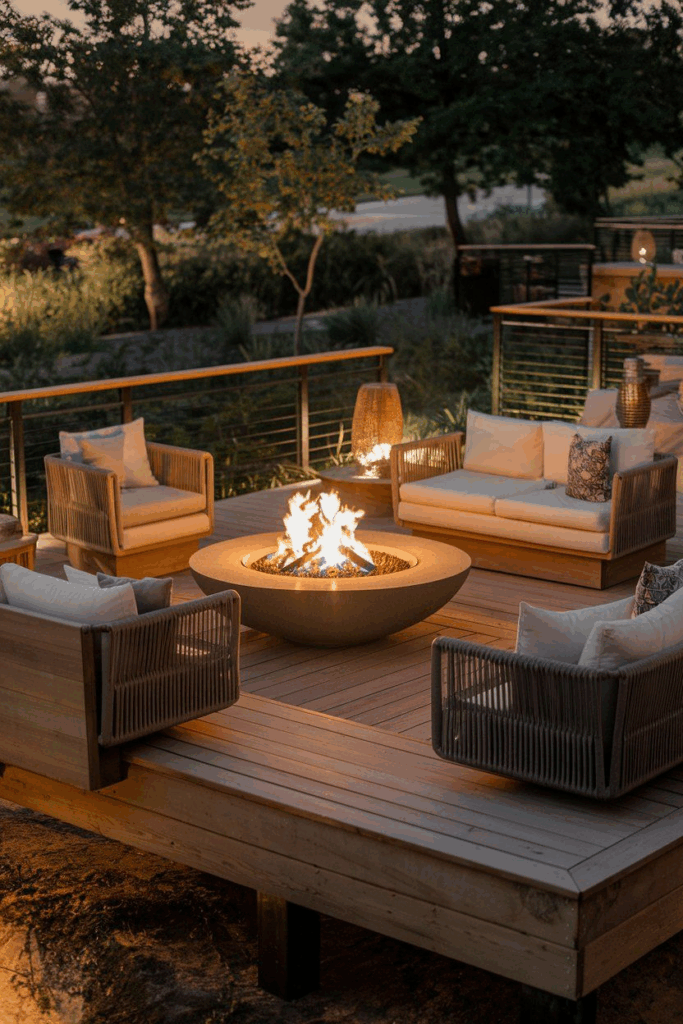
Multi-tier decks offer the perfect framework for integrating a fire pit in a way that feels natural and intentional. Positioning the pit on a lower level ensures flames are contained and visible from upper tiers, creating visual depth across the outdoor space. Stair lighting becomes a key element here, guiding guests safely between levels while also highlighting the architecture. Materials such as stone cladding or concrete bases provide non-combustible stability for the pit, while the surrounding decks remain functional for dining or lounging. Seating can be arranged on both tiers, giving the fire zone an amphitheater-like quality ideal for entertaining. Built-in planters or railings can help soften the look, while still keeping the focus on the fire as the central element. Gas or propane pits often work best in these layered environments due to ease of control and reduced smoke. Stair lighting, whether recessed into risers or integrated beneath treads, not only adds safety but also enhances evening ambiance. This combination of levels, fire, and light creates a dynamic deck that feels larger and more engaging. The result is a design that maximizes both safety and style, turning multi-tier layouts into captivating outdoor destinations.
Portable Fire Bowl on Deck with Movable Paver Base

Flexibility is the main advantage of using a portable fire bowl paired with a movable paver base on a deck. This approach allows homeowners to enjoy fire pit benefits without committing to permanent construction. The paver base, made from heat-resistant stone or concrete, protects the deck surface from direct heat while still allowing for relocation. Portable bowls come in materials such as cast iron, copper, or lightweight steel, making them easy to reposition depending on the season or event setup. For safety, it’s crucial to maintain proper clearance from railings, walls, or overhanging structures, and to always use a spark screen for wood-burning models. Gas-powered versions provide even more convenience, as they produce minimal ash and are easier to control. This setup is particularly well suited for renters, those with limited space, or anyone who values adaptability. Chairs, sectionals, or small tables can be moved around the bowl as needed, creating flexible seating patterns. Decorative options like gravel mats, lanterns, or container plants can frame the fire zone while reinforcing its portability. With minimal effort, a portable fire bowl on a protected base offers a safe, affordable, and versatile way to integrate fire into deck living.
Sunken Fire Pit Cut-Out in Deck Floorboards
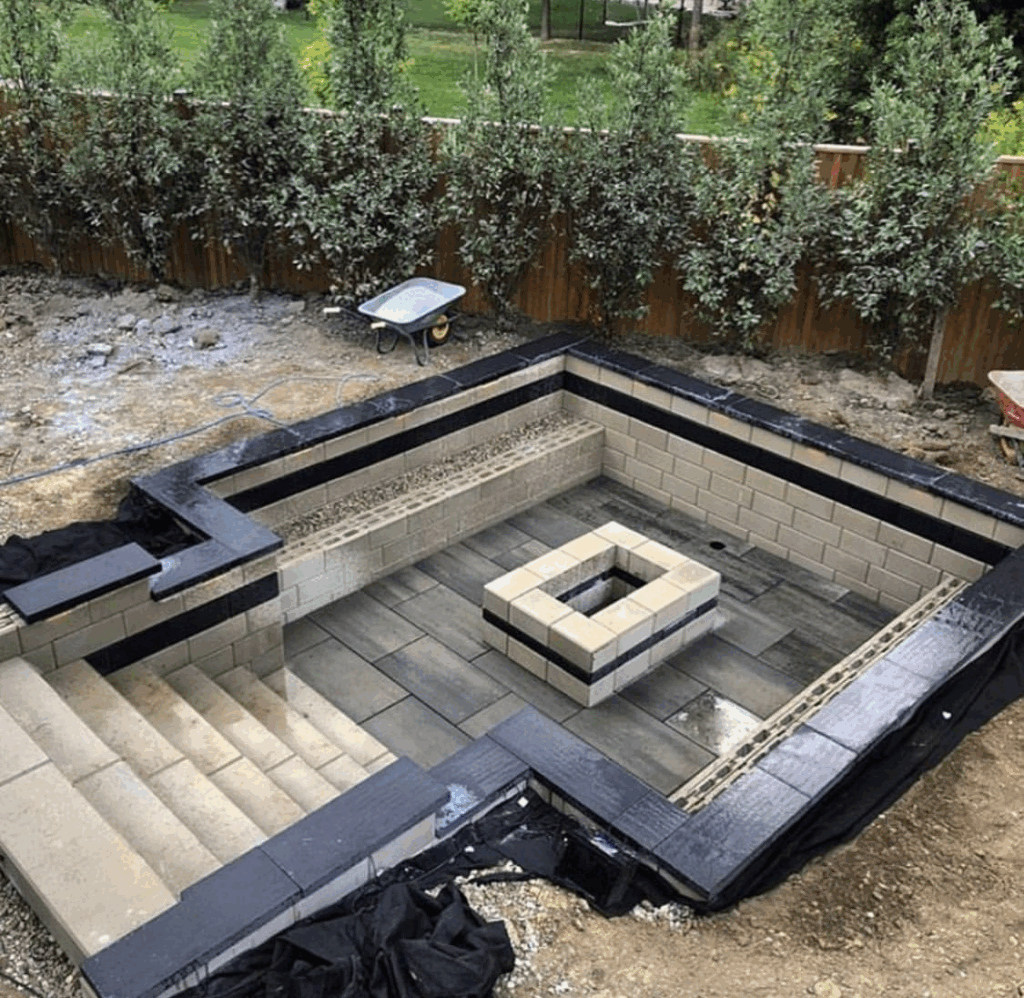
Cutting out a section of deck boards to install a sunken fire pit creates an integrated design that feels custom and high-end. This method allows the pit to sit flush or slightly recessed into the deck surface, giving it a built-in appearance without dominating the overall layout. Non-combustible materials such as concrete or stone liners should be used within the cut-out, ensuring safety while shielding the surrounding deck. Gas or propane systems are especially practical here, as they limit heat spread and prevent ember damage to adjacent wood. Seating can then be arranged closely, as the recessed fire remains contained and controlled. LED strip lighting along the cut-out’s perimeter adds a sophisticated glow, highlighting the architectural detail after dark. This design works well on both large and mid-sized decks, as it maximizes usable space without cluttering the surface with standalone fire features. To finish the look, the surrounding boards can be arranged in custom patterns, framing the pit as a centerpiece. The sunken cut-out approach not only improves aesthetics but also enhances safety, as the lowered flame zone reduces wind interference. Overall, it transforms standard decks into striking, functional retreats for year-round enjoyment.