
Budget-friendly fire pits prove that style and comfort don’t have to come with a high price tag. With a little creativity, homeowners can design inviting outdoor spaces using affordable materials like bricks, pavers, or repurposed metal bowls. These setups not only add warmth and charm but also extend backyard usability for gatherings and quiet evenings. Practical layouts ensure safety and durability without requiring large investments. From simple DIY builds to clever low-cost alternatives, there are plenty of options to fit any budget. This guide highlights the best cheap fire pit ideas to inspire cozy, cost-effective outdoor retreats.
Block & Paver Fire Pit

One of the easiest budget-friendly options comes from using leftover blocks or pavers to shape a stable fire pit. These materials are widely available, often leftover from landscaping projects, making them both affordable and durable. Arranging them in a circular pattern ensures even heat distribution and a neat look without requiring mortar or adhesives. Homeowners can dig a shallow base, lay gravel for drainage, and stack the blocks in two to three layers for safety. This setup creates a sturdy barrier to contain flames while resisting weather damage. Pavers also withstand high temperatures better than some stones, reducing cracking risks. With careful stacking, the pit becomes semi-permanent but still removable if needed. Many people enhance the look with a top row of capstones or by filling the gaps with sand. Beyond functionality, the finished pit blends seamlessly with patios or garden edges, making it feel intentionally designed. Because pavers are modular, repairs are straightforward—simply replace a broken piece without rebuilding the entire structure. It’s an excellent low-cost solution for anyone seeking durability, simplicity, and style in one build.
Concrete Ring with Metal Insert

Durability meets affordability when a simple concrete ring pairs with a metal insert. Concrete forms the sturdy outer shell, while the insert protects the surface from direct flame, extending the life of the structure. Many hardware stores sell prefabricated concrete rings designed for fire safety, often costing far less than custom stone builds. Homeowners can also pour their own using inexpensive molds or stacked retaining wall blocks. The metal insert, usually steel, contains the fire, reduces cracking, and adds an attractive finished edge. It also makes cleanup easier since ash and debris collect inside the liner. Installing one doesn’t require advanced masonry skills; it’s essentially a stack-and-drop project. Gravel or sand beneath provides a safe base and improves drainage. Over time, the insert can be replaced without rebuilding the ring, offering flexibility and longer use. This style balances practicality with a polished look, fitting neatly into both rustic and modern yards. Whether for roasting marshmallows or warming chilly evenings, the concrete-and-metal combination remains one of the most reliable ways to enjoy a fire pit on a budget.
Repurposed Metal Drum Fire Pit
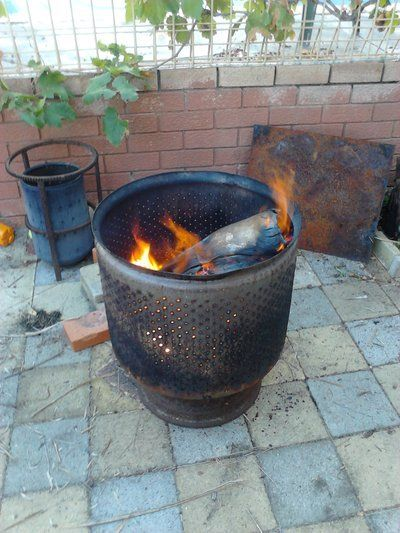
Turning an old steel drum into a fire pit is one of the most resourceful DIY approaches. These drums are often free or very inexpensive from farms, factories, or recycling yards. Cutting the drum down to the desired height creates a ready-made basin capable of withstanding high heat. Many DIYers cut vent holes along the bottom to improve airflow, ensuring efficient burning. To boost safety, the sharp edges should be ground smooth, and the drum can be set onto a gravel pad or supported with bricks for stability. Painting the exterior with high-heat spray paint adds rust protection and a finished look. Because steel drums are lightweight, they’re easy to move or store during off-seasons. The interior may discolor after repeated burns, but performance remains strong. Some creators even attach handles or weld legs for a raised version. While simple, this style has a rugged, industrial vibe that pairs perfectly with casual backyard settings. Repurposing a drum not only saves money but also gives new life to a discarded object, aligning with sustainable living goals. It’s an inexpensive project delivering long-lasting warmth with minimal effort.
Stacked Tire Rims Fire Pit
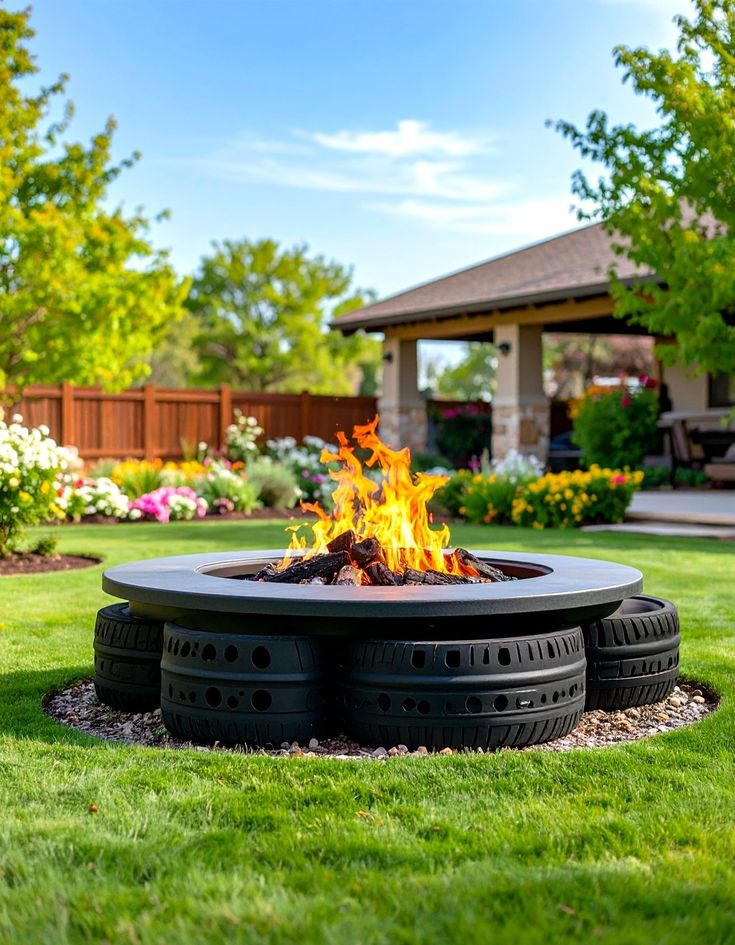
Resourceful builders often turn to old tire rims as the backbone of a DIY fire pit. Steel rims, especially from trucks, are designed to handle heavy wear and high heat, making them surprisingly suitable for this purpose. Stacking two or three rims creates a cylindrical chamber with built-in airflow openings that act as vents. Once stacked, the rims can be bolted together for stability or partially buried to lower the profile. Many people grind away sharp edges and give the exterior a coat of high-heat paint for protection. The hollow shape naturally contains flames and helps concentrate heat, perfect for gathering on cooler nights. This option requires little to no cost since discarded rims are often found at auto shops or scrap yards. Functionality is the main appeal, but the rugged, metallic look also carries industrial charm. While not as decorative as stone or brick pits, the ease of assembly and durability make it a practical solution. With proper placement on a gravel or dirt base, tire rim pits provide a sturdy, low-maintenance way to enjoy backyard fires without heavy investment.
Leftover Brick Circle Pit

Home improvement projects frequently leave behind stacks of unused bricks, which can be transformed into a functional circular pit. Bricks are naturally heat resistant, making them safe for repeated use around open flames. By clearing a level patch of ground and laying a sand or gravel foundation, homeowners can stack the bricks in a circular shape three or four layers high. The staggered stacking method adds stability while allowing small air gaps for ventilation. This low-cost setup requires no mortar, so the pit can be reconfigured or moved easily. Leftover bricks also lend a rustic, handmade appearance that feels authentic and timeless. Even chipped or mismatched pieces add character rather than detract from the final result. To extend longevity, the inside wall can be lined with a simple metal ring, but even without it, the bricks typically hold up well under normal fire use. The charm of this design lies in its resourcefulness—taking forgotten materials and shaping them into a functional centerpiece. It’s a straightforward project anyone can tackle in an afternoon, creating a safe and appealing fire feature at almost no additional cost.
Sand & Gravel Ring Pit
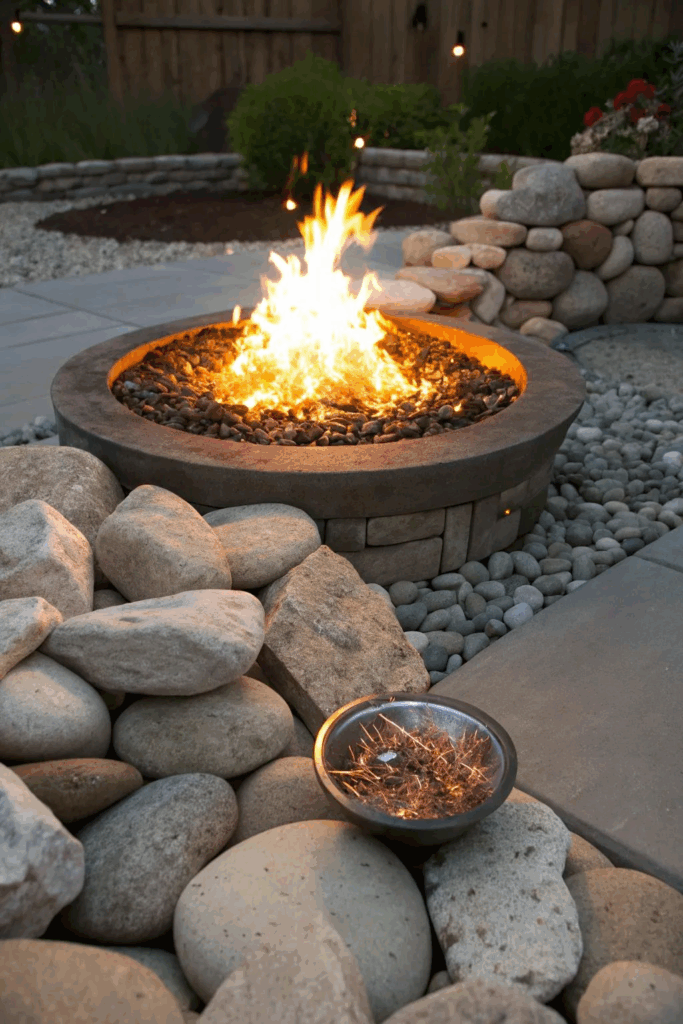
For the simplest and most budget-conscious option, a ring of sand and gravel provides an effective base for controlled fires. This style requires no masonry, only careful site selection and preparation. Start by clearing a flat space, digging a shallow depression, and filling it with a thick layer of gravel for drainage. Surrounding the area with sand creates a natural firebreak that helps contain embers and prevents grass or soil from burning. Large rocks or inexpensive edging can be added around the perimeter for definition, though the essential structure remains loose and flexible. While this version lacks the permanence of stone or metal pits, it excels in affordability and ease of installation. It’s especially useful for temporary setups at cabins, campsites, or casual backyard gatherings. Cleanup is quick—simply rake out ash and spread fresh sand. Though basic, the design ensures safety by lowering fire risk and improving airflow beneath the wood. For homeowners not ready to commit to a built structure, a sand and gravel ring serves as a practical entry point into outdoor fire features.
Flagstone Circle Fire Pit
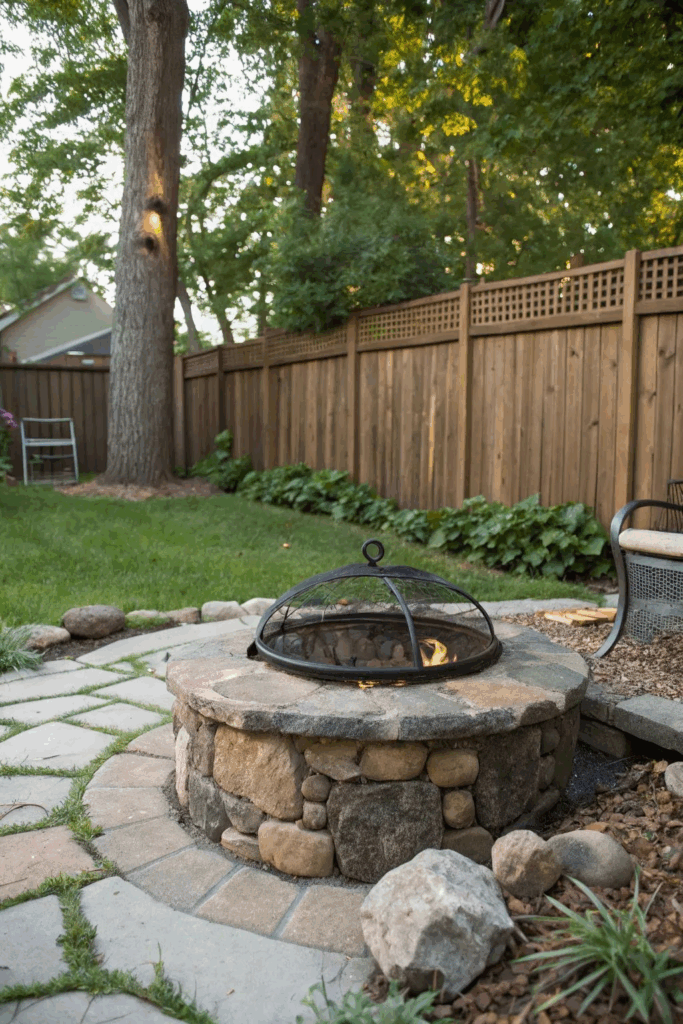
Natural stone brings a timeless feel, and flagstone is one of the most accessible materials for affordable builds. Flagstone pieces, often available from landscaping suppliers or even reclaimed from old projects, can be arranged in a circular pattern without mortar. Their flat, wide surfaces stack neatly, forming a stable wall that contains the fire. A gravel or sand base ensures stability while allowing drainage. This setup not only withstands high heat but also blends naturally into gardens or patios, offering a rustic yet polished appearance. Because flagstone varies in color and shape, each pit carries unique character, making it visually appealing even without extra finishing. Many homeowners pair the pit with matching flagstone pathways or seating areas for cohesion. Maintenance is minimal—occasional resetting of stones and removal of ash keeps it functional. The cost-effectiveness comes from using irregular or surplus pieces, which are typically cheaper than uniform cuts. The result is a fire pit that feels handcrafted, durable, and seamlessly integrated into the outdoor environment, perfect for evenings spent under the stars.
Portable Metal Bowl Pit
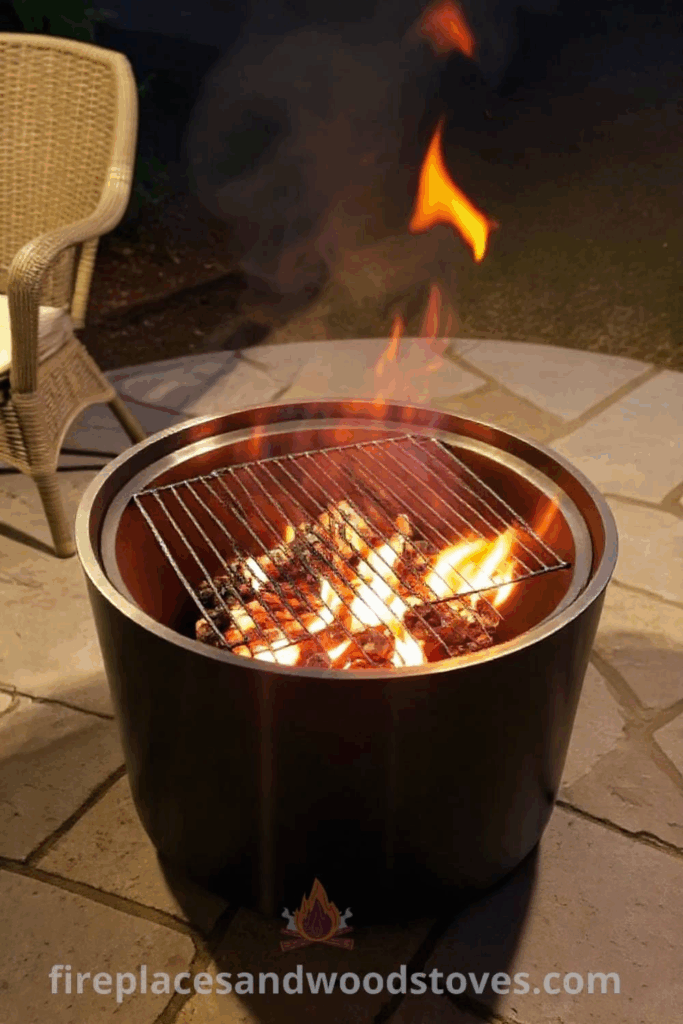
Affordability meets convenience in a portable metal bowl fire pit. These lightweight designs are widely available at garden centers and big-box retailers, often priced under $100. The bowl shape, usually steel or cast iron, is supported by a simple stand, making it easy to place on a patio, deck pad, or gravel surface. Many models include mesh spark guards, cooking grates, or removable ash pans, adding functionality without inflating cost. Because they’re portable, users can reposition them depending on the season or store them when not in use, extending the product’s lifespan. High-heat resistant paint helps prevent rusting, though occasional maintenance may be needed. These pits suit renters or homeowners who want flexibility without permanent installation. They’re also great for small spaces where a fixed pit may not be practical. Despite the lower cost, the bowls generate strong heat output and create the same cozy gathering vibe as larger installations. With careful placement and use, a portable bowl offers one of the easiest and most reliable entry-level fire pit experiences, balancing safety, affordability, and mobility in one compact design.
Reclaimed Brick Fire Pit

Sourcing old bricks from demolition sites, salvage yards, or personal projects can give new life to discarded materials. Unlike freshly purchased bricks, reclaimed pieces often come at little or no cost, reducing expenses while delivering authentic charm. To construct a pit, bricks are stacked in a circle or square over a gravel base. The rough, aged edges create a textured look that feels vintage and inviting. Because bricks are inherently fire-resistant, they handle repeated exposure to high temperatures with minimal wear. Mortar isn’t necessary if the bricks are laid tightly, though a steel liner can extend the pit’s lifespan. The irregular sizes and colors of reclaimed bricks make each build unique, telling a story through their weathered appearance. This option also aligns with eco-conscious values, keeping usable materials out of landfills. Maintenance is straightforward—occasional resetting of bricks and ash cleanup is all it takes. The finished pit combines functionality with sustainability, offering an inexpensive yet character-rich alternative to store-bought kits. It’s an excellent way to build a feature that looks established, welcoming, and rooted in history while staying budget friendly.
Tabletop Fire Pit Bowl

Small-scale warmth becomes possible with a tabletop bowl fire pit. These compact versions often use gel fuel or small propane canisters instead of wood, making them safe for patios, balconies, or even outdoor dining tables. Materials range from ceramic and concrete to stainless steel, and many cost under $50, depending on design. Because they’re lightweight and portable, users can move them as needed for ambiance or storage. Though small in size, they produce enough flame for marshmallow roasting or simply adding a cozy glow to gatherings. Assembly usually requires no tools—just place the bowl, insert fuel, and ignite. Their modern appearance suits contemporary outdoor spaces, offering style without requiring large investments. Maintenance is virtually nonexistent since there’s no ash to clean, only fuel replacement. These pits also function as décor pieces, available in a variety of colors and shapes. While they won’t heat large groups, they deliver charm and atmosphere affordably. For renters or those with limited yard space, tabletop fire pits provide a clever solution, bringing the magic of open flame into smaller environments without the cost of permanent builds.
Chiminea-Style Pit

Originating in Mexico, chimineas offer an inexpensive yet stylish way to enjoy controlled fires outdoors. Traditionally made from clay, modern versions also come in cast iron or steel, often priced well within budget ranges. The design features a rounded body with a tall chimney that directs smoke upward, keeping the surrounding area more comfortable. This makes them particularly suitable for smaller patios where airflow is limited. Chimineas burn wood efficiently, with the enclosed chamber concentrating heat while reducing sparks. Many models sit on simple stands, requiring only a stable base for setup. Their sculptural form doubles as décor, blending rustic and artistic appeal. While clay models may require some care to prevent cracking in cold climates, metal options are highly durable and easy to maintain. Because they focus heat in a specific direction, they’re excellent for warming small gatherings without needing a large flame. Portability adds another advantage—many can be moved or stored seasonally. Affordable, functional, and aesthetically unique, chimineas deliver a cultural touch to backyard spaces while staying within a tight budget, making them a popular alternative to traditional open fire pits.
DIY Fire Pit Kit

Home improvement stores frequently sell affordable DIY fire pit kits designed for easy assembly. These kits typically include pre-cut stones or blocks and sometimes a metal insert, simplifying construction for beginners. Prices vary, but many remain under $200, making them far cheaper than custom masonry. Assembly usually requires nothing more than leveling the ground, laying a gravel base, and stacking the included pieces according to instructions. Because the materials are uniform, the final pit looks polished and professional without the need for specialized tools or skills. Kits often come in various shapes, including round, square, or hexagonal, offering customization without complexity. Maintenance is low since the components are designed to withstand high temperatures and outdoor conditions. Replacement parts can be purchased if individual blocks become damaged, extending usability. These kits strike an ideal balance between cost savings and convenience, appealing to homeowners who want a reliable pit without the trial-and-error of designing one from scratch. With quick installation and professional results, they’re one of the fastest and most accessible ways to enjoy a safe, attractive fire feature on a budget.