
Landscaping often feels incomplete without the right edging, as it defines boundaries, enhances curb appeal, and gives outdoor spaces a polished finish. Thoughtful edging can transform a simple garden bed into a standout feature, keeping soil, mulch, and plants neatly in place while adding texture and style. From natural stone to modern metal borders, homeowners have countless ways to match edging with their overall landscape design. Readers seeking practical, stylish, and budget-friendly options will find this guide packed with inspiration and reliable solutions. With the right edging ideas, any yard can look organized, inviting, and effortlessly well-maintained.
Rusted Galvanized Steel Border
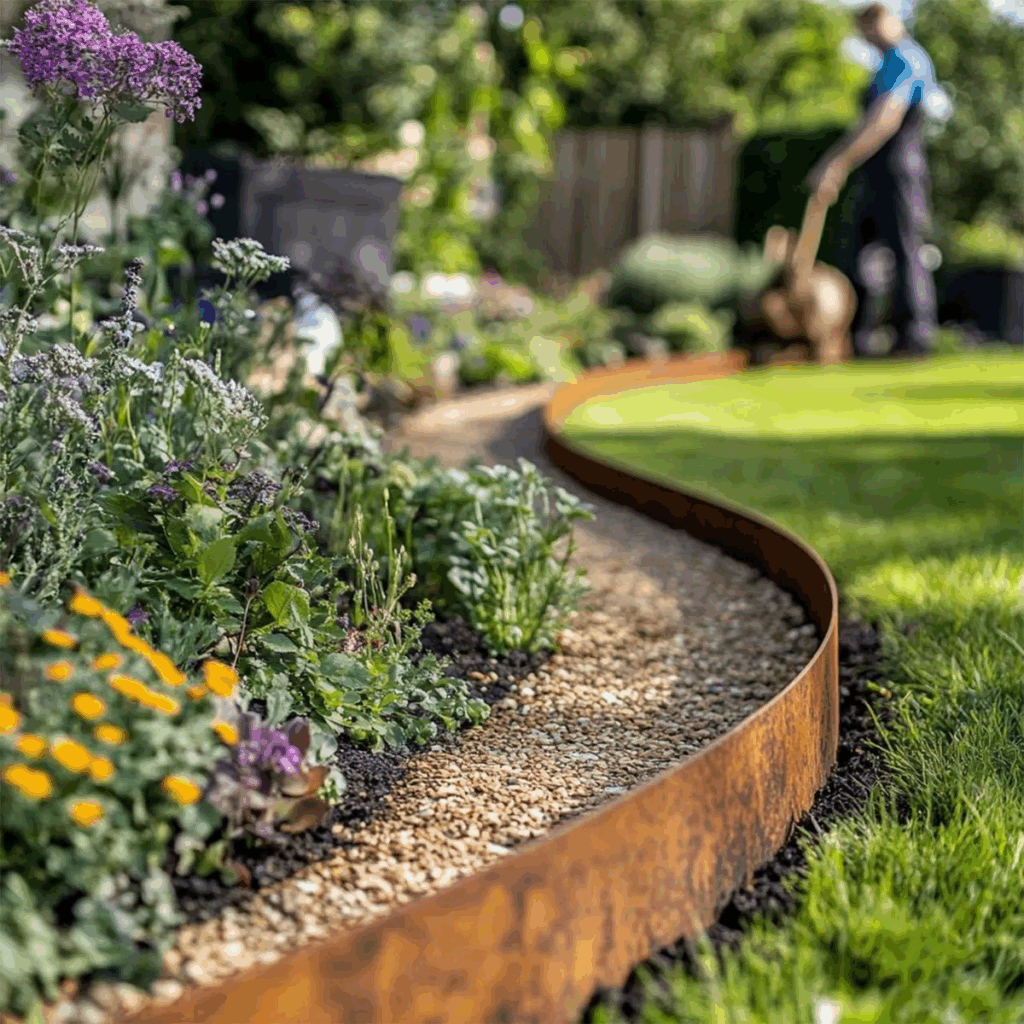
Weathered steel edging instantly grounds a garden with rustic character while providing dependable structure. Galvanized panels naturally resist decay, and when rust develops, the patina blends seamlessly with outdoor elements. This style works particularly well in cottage gardens, prairie landscapes, or industrial-inspired yards where durability and charm matter equally. The height of the edging can contain gravel, mulch, or soil, keeping beds tidy through seasonal changes. Its raw look balances modern hardscaping and natural greenery, creating contrast that draws the eye without overwhelming the plantings. Installation is straightforward—panels can be secured in soil with stakes or concrete footings depending on longevity needs. Unlike plastic edging, galvanized steel withstands mowing, foot traffic, and weather extremes. Over time, the orange-brown finish develops unique patterns, ensuring no two borders look the same. This option also defines pathways, retaining crisp lines between grass and planting zones. For homeowners seeking a low-maintenance solution with high visual payoff, rusted galvanized steel delivers both. The material offers strength, texture, and long-lasting appeal while requiring minimal upkeep, making it a smart investment in both design and function. Whether framing a vegetable patch or perennial bed, this edging choice ties the landscape together with timeless rugged beauty.
Corrugated Metal Ribbon Edge

Corrugated panels bent into ribbon-like shapes bring striking visual rhythm to outdoor spaces. Their wave pattern reflects light differently throughout the day, introducing movement even in still settings. Commonly repurposed from roofing or siding, this material appeals to sustainability-minded homeowners who enjoy blending reclaimed accents into modern or rustic designs. Corrugated metal offers flexibility—it can be curved into flowing lines or set in straight runs, adapting easily to diverse garden layouts. Its height and rigidity help hold mulch in place while keeping invasive lawn grass at bay. When allowed to weather naturally, it develops a matte, aged patina that softens the metallic glare, blending better with plants. For more contemporary appeal, panels can be painted matte black, charcoal, or even bright hues for a bold accent line. Unlike stone or wood, corrugated edges can be repositioned with minimal disruption if design preferences change. Anchoring them securely in compacted soil ensures stability during heavy rains. This edging works particularly well alongside ornamental grasses, succulents, or xeriscapes where texture and form are key. By weaving corrugated metal ribbons through the yard, homeowners achieve a balance of practicality, creative expression, and long-term durability, making the garden both functional and memorable.
Natural River Rock Mosaic
Arranging smooth river stones into a mosaic edging lends organic artistry to garden beds and pathways. Each rock, with its unique size, color, and texture, contributes to a custom design that feels hand-crafted and timeless. This edging can be laid in free-form curves or carefully patterned sequences, offering flexibility for both rustic and refined landscapes. The natural weight of the stones keeps them in place, especially when partially embedded in soil or mortar. They provide strong contrast against manicured lawns while echoing the earthy tones of surrounding foliage. Because river rocks come in neutral grays, tans, and browns, they complement virtually any planting scheme, from vibrant perennials to evergreen shrubs. Maintenance is minimal—occasional resetting may be required if stones shift due to frost or foot traffic. Homeowners often appreciate how this edging doubles as a decorative feature, catching light and shadow while also marking boundaries clearly. For a more permanent installation, the stones can be set in concrete grout lines, forming a durable ribbon of texture. Whether applied as a meandering outline for a flower bed or a crisp boundary along a walkway, river rock mosaics lend natural harmony while keeping outdoor spaces visually polished and orderly.
Cobblestone Sequence Line
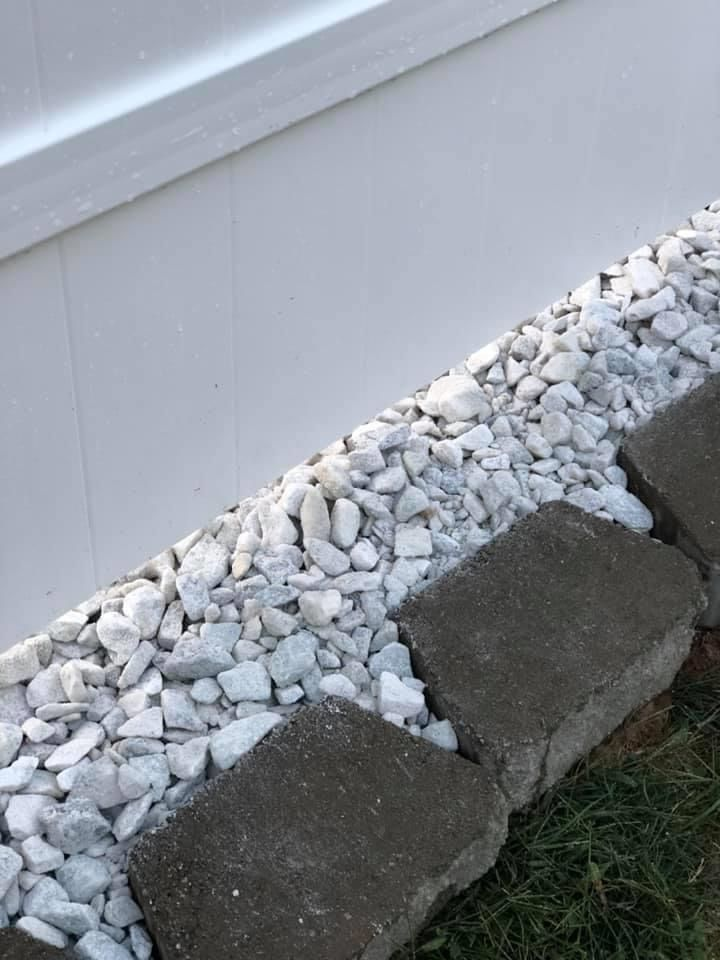
Traditional cobblestones arranged in sequential lines offer enduring charm that evokes old-world streets and European courtyards. Their sturdy composition withstands weather extremes, making them a reliable edging option for high-traffic gardens. Cobblestones can be set tightly for a formal border or spaced slightly for a softer, rustic effect. Their uniformity provides structure while subtle color variations—grays, beiges, or reddish tones—add depth to the landscape. This edging pairs beautifully with brick pathways, gravel drives, or cottage-style planting schemes, reinforcing classic appeal. Installation involves digging a narrow trench, placing the cobblestones vertically or horizontally, and securing them with sand or mortar for longevity. Once installed, the heavy stones remain stable, requiring little maintenance over the years. Gardeners also value the tactile quality underfoot, as cobblestones provide texture and grip. For curved beds, smaller cobbles can be cut or fitted to follow organic lines seamlessly. This timeless edging helps define boundaries between lawns, patios, and planting areas with a sense of permanence. Beyond functionality, cobblestones act as design anchors, tying together mixed landscaping materials into a cohesive layout. Their durability ensures they age gracefully, becoming more distinguished with time and contributing a heritage-inspired feel to any outdoor environment.
Shrub Living Edge

Greenery as edging introduces softness and ecological value that hard materials cannot match. Low-growing shrubs such as boxwood, lavender, or dwarf holly form dense borders that define pathways and beds naturally. These living edges create seasonal interest, from spring blossoms to evergreen winter structure, while also supporting pollinators and beneficial insects. Unlike stone or metal, shrubs breathe life into the garden, enhancing biodiversity. Pruning ensures they stay within neat lines, whether clipped for formal symmetry or left slightly untamed for a cottage look. Their adaptability allows them to edge vegetable gardens, perennial beds, or even driveway borders. Soil health improves under their canopy, reducing erosion while shading root zones of nearby plants. Although initial establishment requires consistent watering and shaping, mature shrubs offer longevity with minimal replacement. Homeowners seeking sustainable landscaping appreciate how living edges regenerate rather than degrade, unlike man-made materials. Planting them in staggered patterns strengthens their boundary effect while also adding depth to the design. The flexibility to choose fragrant, flowering, or evergreen varieties lets homeowners personalize the aesthetic year-round. Shrub borders not only frame spaces but also merge function with beauty, providing a naturally self-renewing solution that complements both traditional and contemporary gardens.
Concrete Rope Trim

Textured edging shaped to resemble coiled rope brings a refined yet sturdy finish to garden beds and walkways. Concrete versions of this style combine the durability of stone with the ornamental detail of classical garden design. Often precast, the segments interlock seamlessly, creating an unbroken line that resists shifting and erosion. The rope motif adds subtle sophistication, complementing both formal landscapes and relaxed outdoor layouts. Homeowners appreciate its resilience; unlike natural rope, the concrete version does not decay, warp, or fade under weather exposure. It works particularly well to border flowerbeds, where the soft curves of the design echo natural plant forms. Installation requires a level trench and compacted base to ensure stability, though the weight of each piece helps secure them naturally. Once placed, the edging requires virtually no maintenance, standing strong against mowing equipment or foot traffic. Concrete rope trim also balances decorative appeal with practical function, effectively keeping mulch, soil, or gravel in place. It pairs beautifully with brick pathways, stone patios, or grassy lawns, offering a defined boundary that feels intentional rather than rigid. This edging option provides homeowners with a long-lasting and visually appealing alternative to plain concrete strips, enhancing landscapes with timeless ornamental charm.
Minimal Steel Seam Edging

Thin steel strips inserted flush with the ground create crisp boundaries that nearly disappear from view, offering a sleek alternative to more decorative edging. This style appeals to those who prefer understated design, where the plants and hardscape features take center stage. The steel, often weather-resistant and powder-coated, provides strength without bulk, maintaining sharp separation between lawn and beds. Its low profile allows for clean mowing and prevents creeping grasses from invading planting areas. Installation is straightforward—strips slide into shallow trenches and connect with hidden joints for continuous lines. Over time, the steel may patina slightly, blending more naturally into the soil while retaining its structural integrity. The minimal seam aesthetic works well in contemporary gardens, modern courtyards, or urban landscapes where simplicity conveys elegance. Though nearly invisible, it performs essential tasks: containing mulch, supporting soil edges, and defining walkways. Homeowners who enjoy flexibility can shape the strips into gentle curves or straight runs, adapting them to complex layouts. Unlike plastic alternatives, steel withstands frost heave, sunlight, and mechanical stress for decades. For anyone seeking a polished finish that highlights plant textures and architectural features, minimal steel edging delivers a quiet yet powerful design solution with long-lasting performance.
Reclaimed Brick Curves
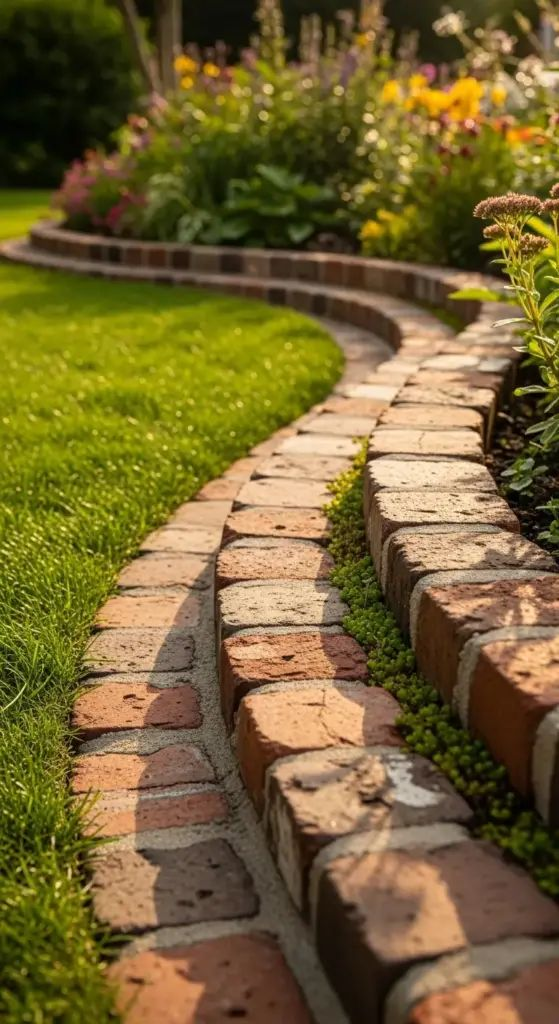
Weathered bricks salvaged from old structures find new life as garden edging, offering charm steeped in history and character. Their natural imperfections—chips, faded tones, and irregular shapes—create texture and authenticity that new materials rarely achieve. Bricks can be laid flat for subtle boundaries or stood upright in soldier rows to add height and emphasis. Curved patterns are especially popular, allowing homeowners to form sweeping lines around beds, trees, or pathways with ease. The warm red, brown, and terracotta hues complement lush greenery and pair beautifully with rustic or cottage-style gardens. Installation requires careful leveling and compacted bases to ensure stability, though the weight of the bricks helps them remain anchored even without mortar. Over time, moss or lichen may grow on the surface, enhancing the vintage appeal. Using reclaimed brick also promotes sustainability by repurposing materials that might otherwise go to waste. Maintenance is simple—occasional repositioning if frost shifts occur. This edging not only defines garden spaces but also adds a story, connecting modern yards to architectural heritage. By choosing reclaimed brick curves, homeowners achieve a timeless balance of durability, eco-conscious design, and visual warmth, turning otherwise ordinary edges into features that celebrate both function and history.
Lawn Shovel-Cut Borders
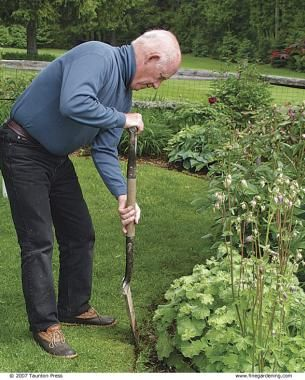
For homeowners seeking simplicity and affordability, shovel-cut edges remain a timeless method for defining garden beds. This approach requires nothing more than a sharp spade and steady hand to carve clean lines between grass and planting areas. The result is a subtle trench edge that provides crisp separation while blending seamlessly with natural surroundings. Unlike fixed materials, shovel-cut borders allow for easy redesign whenever garden layouts change. Seasonal refreshes—typically once or twice a year—maintain sharpness, especially after growth or soil movement. The method works best for lawns with flexible maintenance routines, as edging lines can be quickly restored with minimal tools. While it doesn’t prevent grass from creeping as effectively as metal or stone, it offers unmatched adaptability for evolving landscapes. Gardeners often appreciate the natural look, as no additional material interrupts the visual flow between lawn and beds. Mulch or gravel held slightly below the edge creates added definition while reducing erosion. This technique suits both formal and informal yards, from modern homes to rustic retreats. Its affordability and low environmental footprint make it accessible to all homeowners. Lawn shovel-cut borders prove that sometimes the simplest methods remain the most effective in providing clean, natural-looking definition.
Ornate Metal Fencing Edge
Decorative metal edging with intricate scrollwork or lattice designs delivers both function and artistry to the garden. Unlike plain steel strips, these pieces rise above the soil, acting as miniature fences that frame flowerbeds with charm. Commonly made of wrought iron or powder-coated steel, they resist weather damage while maintaining structural elegance. The elevated height discourages pets or foot traffic from entering delicate planting areas, while also keeping mulch and soil in place. Their ornamental details—curves, finials, or floral motifs—add sophistication, making them ideal for Victorian-inspired or cottage gardens. Installation is typically easy, as sections interlock and push into the ground with stakes. For longer-term stability, they can also be set into concrete bases. Homeowners often choose black or dark bronze finishes for a classic look, though white-painted versions lend a quaint, vintage feel. Maintenance is minimal, requiring only occasional touch-ups to prevent rust on exposed metal. This edging option suits formal flower borders, herb gardens, or pathways where visual impact is just as important as utility. Beyond practical function, ornate metal fencing edges serve as decorative highlights, elevating ordinary beds into showcases that feel thoughtfully designed and rich with character.
Rubber Roll Flex Edge
Flexible rubber edging offers an eco-friendly solution, often crafted from recycled tires, making it both sustainable and durable. Its pliable design allows homeowners to follow curves, corners, or freeform garden layouts with ease, unlike rigid materials. The rolls can be cut to custom lengths and anchored into soil using stakes, creating a continuous barrier against creeping grass and soil washout. Because the material is weather-resistant, it withstands UV rays, frost, and heavy rains without cracking or fading. The dark tones resemble natural mulch, blending unobtrusively into beds and pathways. Rubber’s slight give also provides safety, reducing tripping hazards or potential damage from mowing equipment. Installation requires minimal tools, and repositioning is simple if garden designs evolve. Maintenance is nearly nonexistent, as rubber resists rot, insects, and warping. This edging option is especially practical for families with children or pets, offering both durability and softness underfoot. Its eco-conscious origin adds further appeal for those aiming to reduce waste while enhancing their landscapes. Whether defining play areas, vegetable patches, or ornamental beds, rubber roll flex edge delivers long-lasting performance while keeping design versatile, functional, and environmentally responsible.
Wood Log Slice Row
Circular log slices arranged in a row bring natural warmth and rustic personality to garden borders. Typically cut from hardwoods like oak, cedar, or maple, these slices display unique grain patterns and varying diameters, creating a handcrafted aesthetic. The vertical arrangement highlights the organic texture of bark and wood rings, making the edging both functional and decorative. Treated wood extends longevity, protecting against decay and insects, while untreated versions gradually weather to a silvery gray for a more natural look. Installation involves partially burying each slice to anchor them securely and achieve consistent height. This edging works particularly well in woodland gardens, cottage landscapes, or rustic outdoor settings where natural elements dominate. While it requires occasional replacement over time, the cost-effectiveness and visual charm outweigh the upkeep. The log slices create a clear boundary that holds soil and mulch in place while harmonizing with surrounding greenery. For added durability, some homeowners seal the tops with protective finishes or use rot-resistant species like cedar. The result is a whimsical yet practical edging style that celebrates raw materials, adding warmth and character to garden spaces while keeping planting areas neatly defined.